What Neighbours Usually Call About
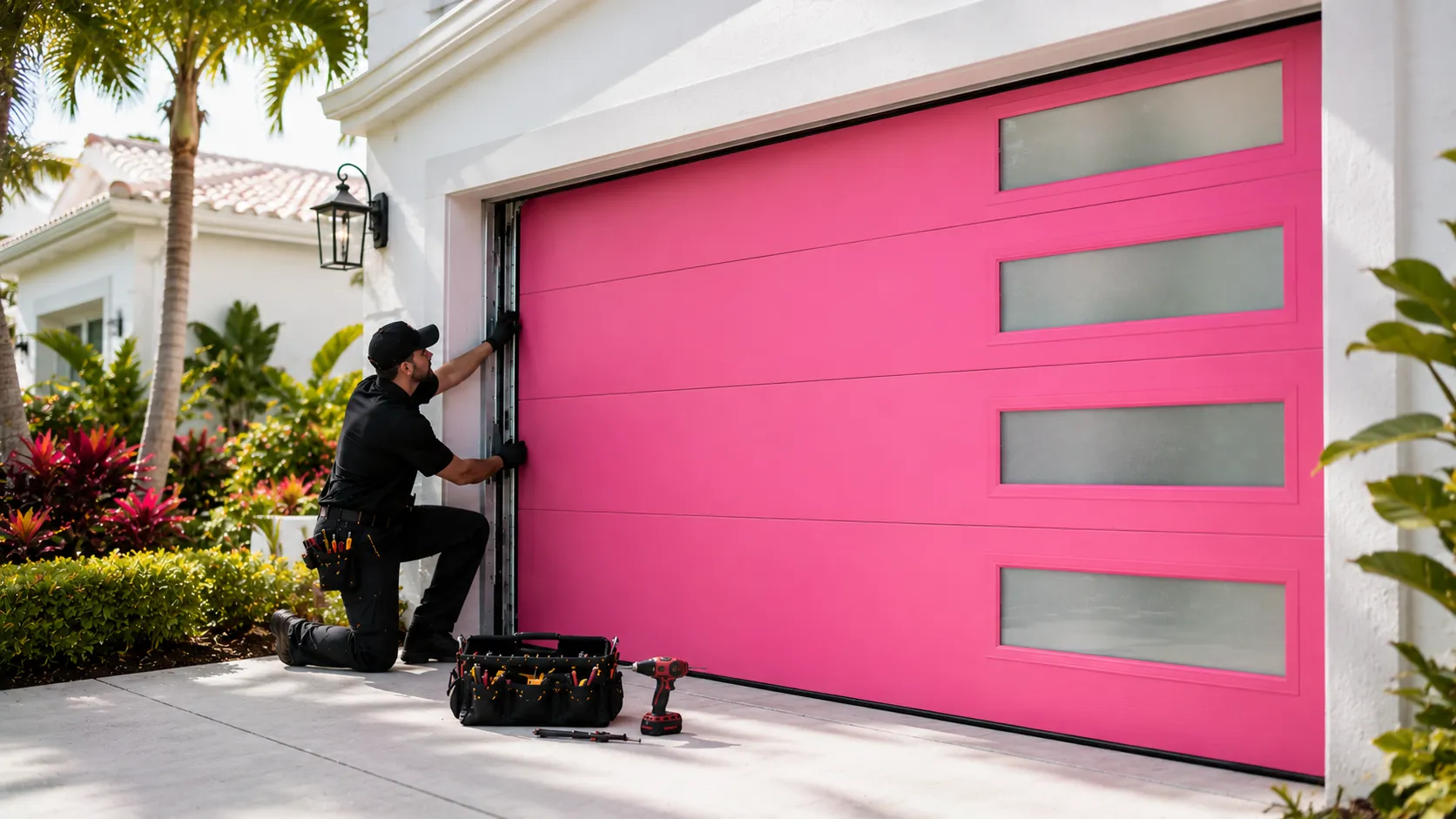
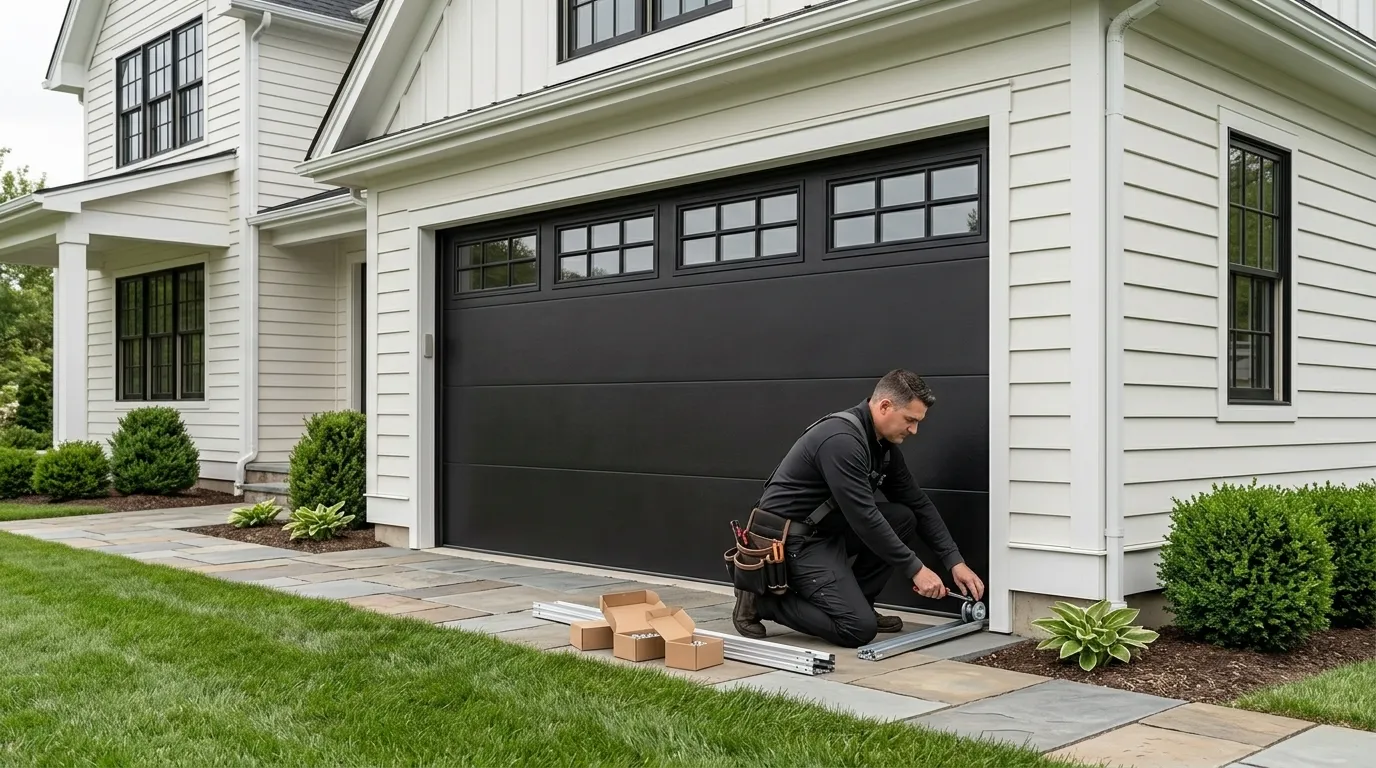
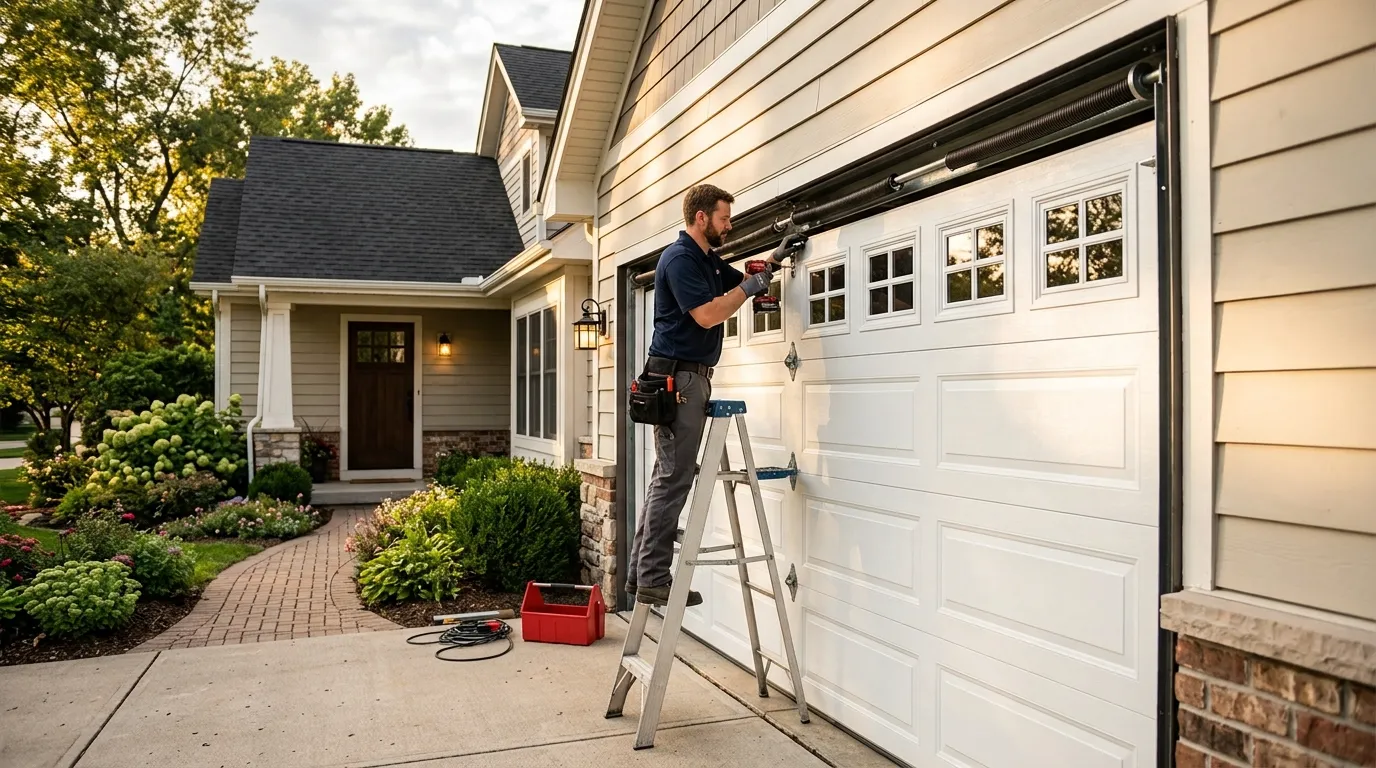
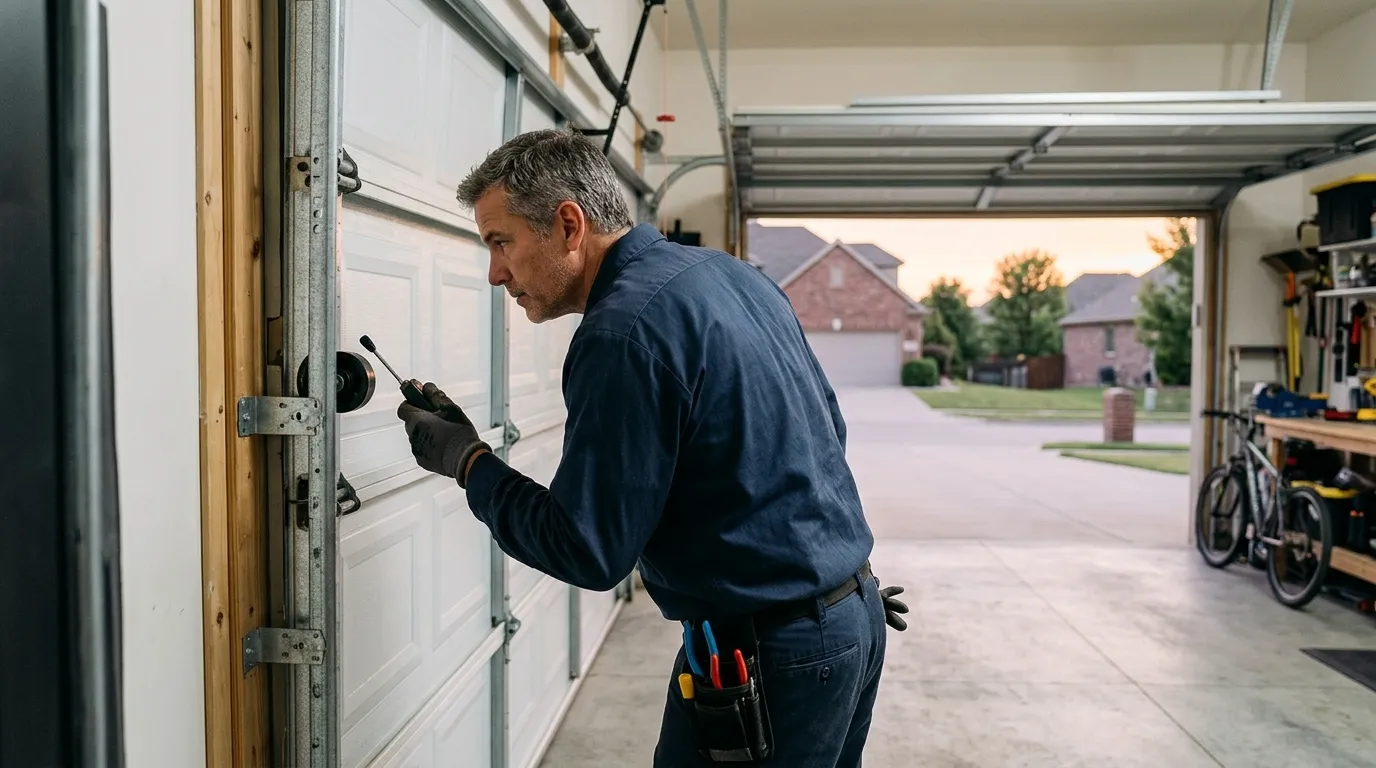
Most of the calls we get from St. Anthony trace back to the neighborhood's age. With a median year built of 1971, a lot of these houses are pushing fifty years on their original garage hardware, and torsion springs rated for roughly 10,000 cycles have long since run out their life. Openers from that build era, if they haven't already been swapped once, are usually chain-drive units with no battery backup and no rolling code security, which means a stuck door during a power outage is a real inconvenience here in a way it isn't for newer builds. We also see a fair number of single-layer steel doors with no insulation, which matters given the severe cold this region sits in - a door that isn't sealed right lets a garage drop to outdoor temperature fast, and that stresses everything from the opener's gears to the pipes running along that wall. Rollers on 1970s track hardware were often steel-on-steel with no nylon, so noise complaints are common too. None of this is exotic work, but it's specific to houses of this vintage, not a generic wear-and-tear script.
This Area's Housing
St. Anthony's housing stock centers on a median build year of 1971, which puts it a decade or so ahead of the wider service area's 1980 median - these are, on the whole, older homes with older original hardware still lingering in a lot of garages. The area holds about 4,109 households, smaller than the sprawling newer subdivisions we cover elsewhere, and median household income here runs $97,784, close to but a touch under the broader area's $100,759. That combination - established, aging housing and steady household income - tends to produce owners who'd rather fix a door right once than keep patching it, which lines up with what we see on these calls: people replacing a 45-year-old spring system properly instead of nursing it along another winter. The age of the stock also means more variation in door width and track spacing than you'd find in a subdivision built all in one year, so a repair here is rarely a drop-in part; it usually means measuring the actual hardware in front of us.