24/7 Emergency Service Open 7 days · 7am–8pm Serving Hugo, MN & nearby
(651) 317-3941
Hugo, MN

What that noise from your garage door is actually telling you

Hugo homes built between 1950 and 2002 carry openers and springs sized for a different era. Here's what grinding, popping, and banging mean before winter cold makes it worse.

What that noise from your garage door is actually telling you

What Local Conditions Do

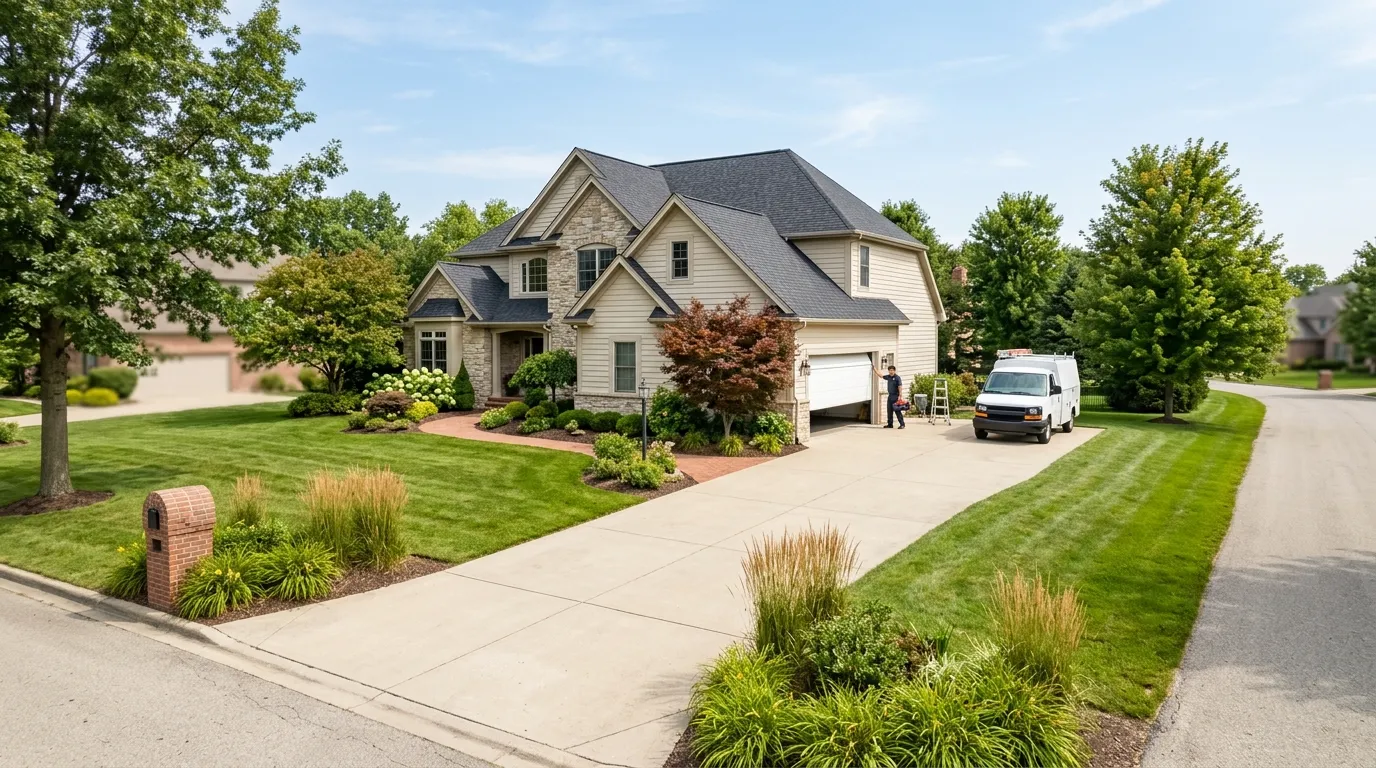
Most houses in this part of the service area, from Hugo out through Centerville, Dellwood, and Grant, went up between 1950 and 2002, with the bulk of that stock dating to the 1980s and 90s. That matters for noise because a door and opener installed during that window is old enough now that the factory lubrication is long gone and the steel has gone through thirty-plus Minnesota winters of contraction and expansion.

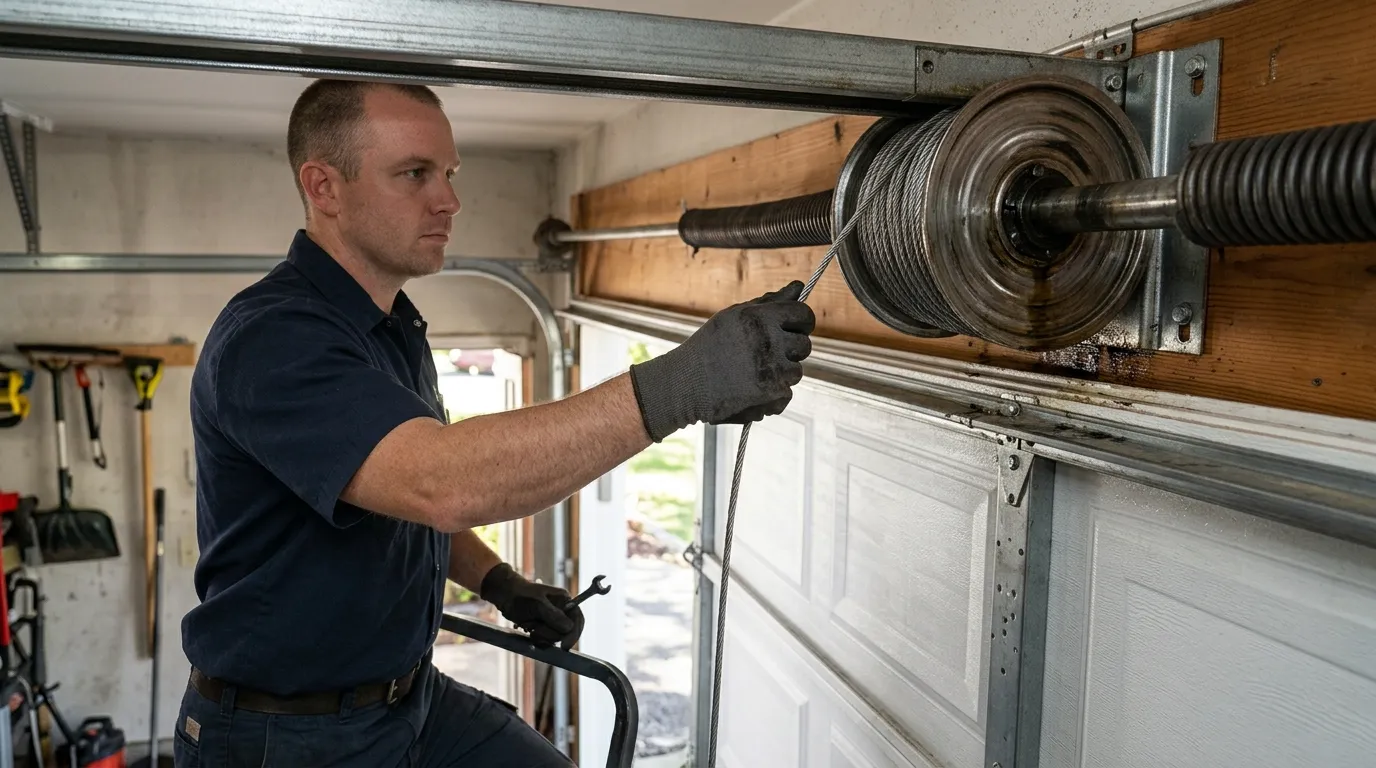
This area sits in a cold, severe climate band, and that's the second half of the story. Steel torsion springs lose tension in deep cold and the coil rubs differently against the shaft than it did in July. Nylon rollers that were quiet in August start to squeal in January because the grease inside them has thickened. A track that was a sixteenth of an inch out of alignment in summer becomes a scraping, grinding sound once the metal contracts in a hard freeze.

So when a door built in that 1980s-median window starts making noise in cold weather, it's rarely random. It's the age of the hardware meeting the season. A door that's silent in June and loud in December is telling you something specific about lubrication and clearance, not just "getting old."

What to Check

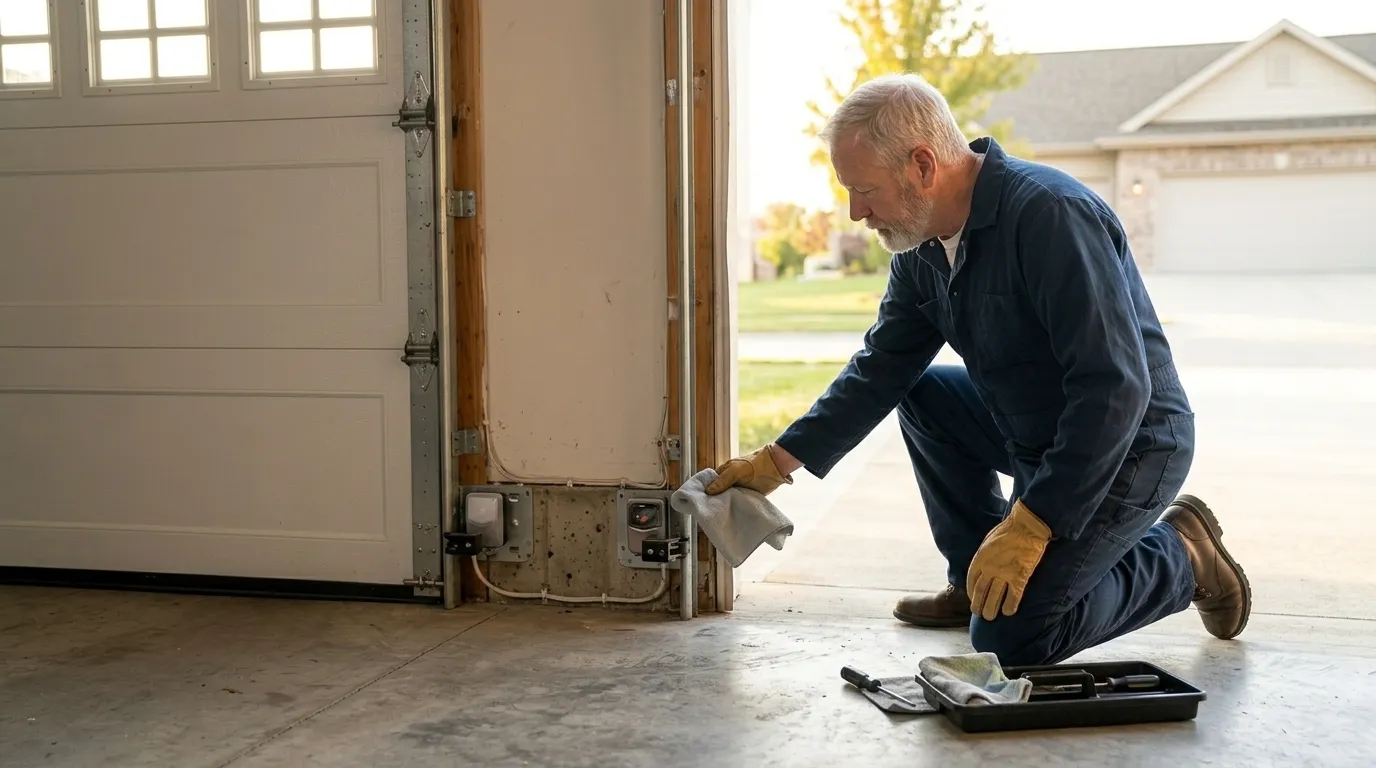
Start at the rollers. If the noise is a rhythmic squeak that matches the door's travel, one or more rollers are dry or worn. On doors from the 1980s-90s stock common through this area, the original rollers are usually still steel or early nylon, and thirty years is past their working life regardless of noise.

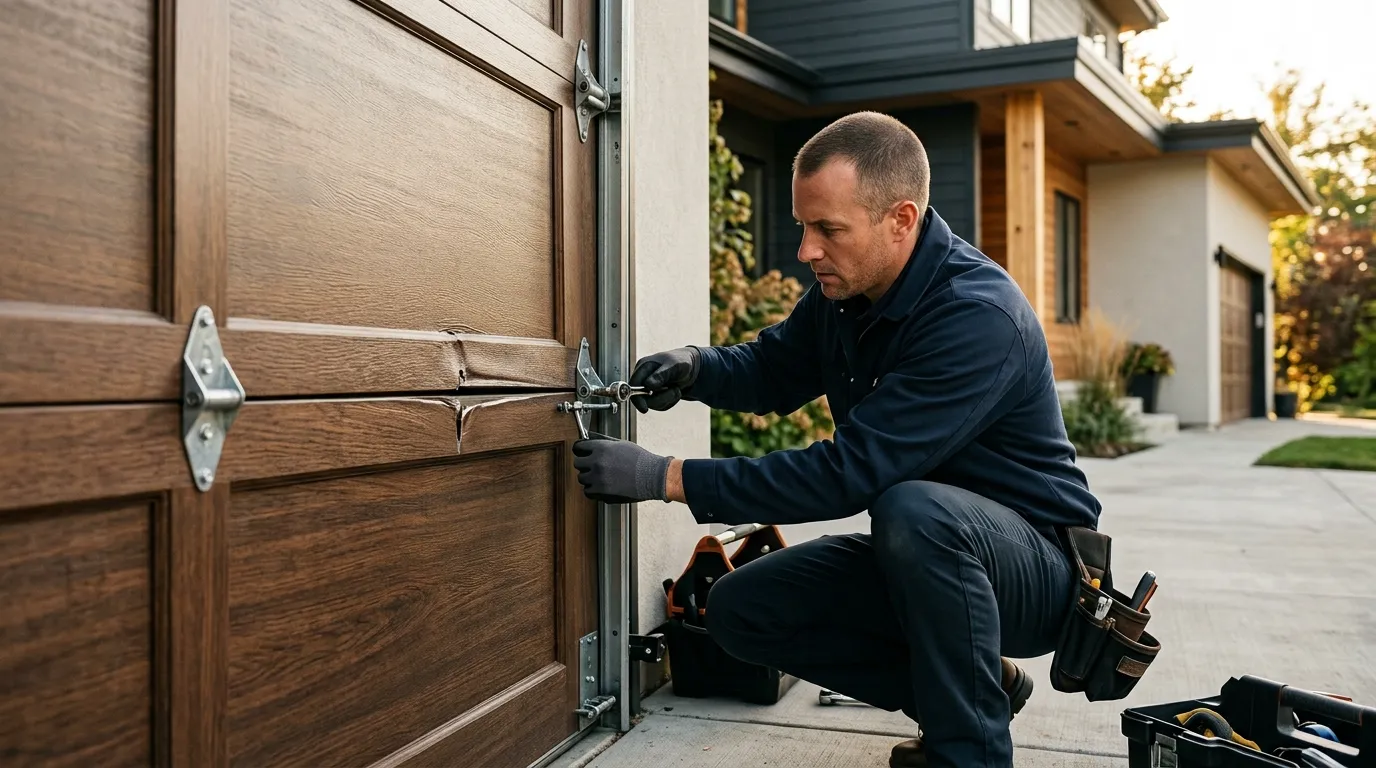
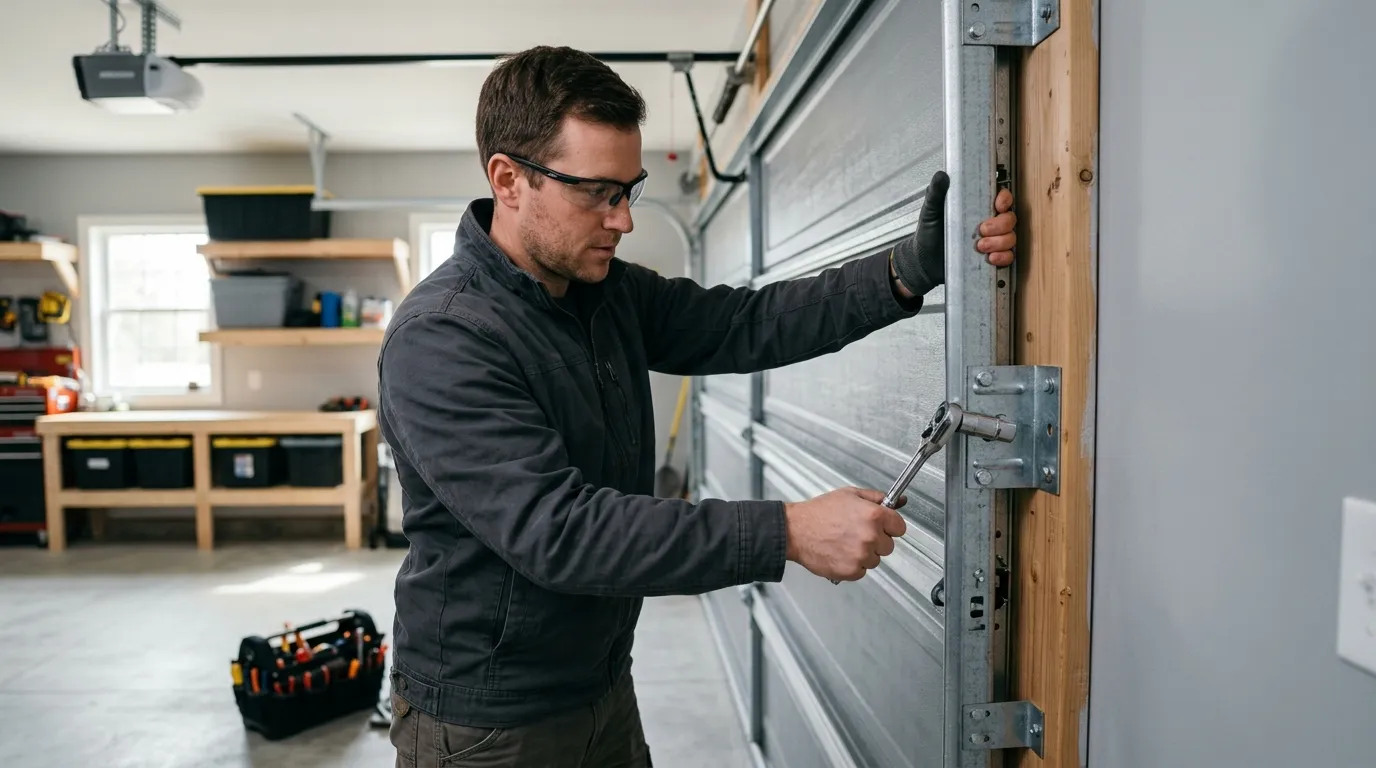
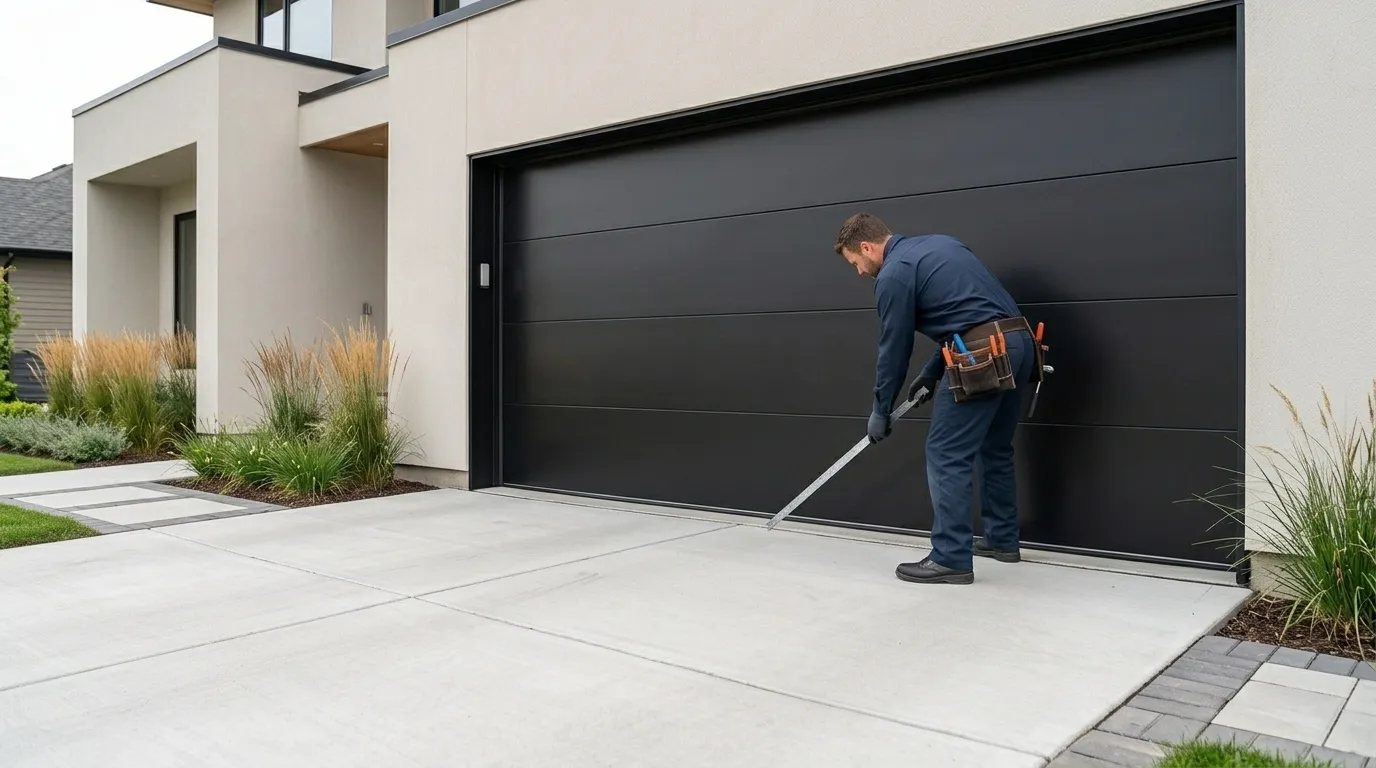
Next, the track brackets. Give them a shake by hand with the door down. Any looseness there turns into a rattle or bang on every cycle, and it gets louder in cold weather as the metal stiffens and transmits vibration instead of absorbing it.

Listen for the difference between a grinding sound and a loud bang. Grinding usually means metal-on-metal contact, at the rollers, the track, or the spring coil rubbing the shaft. A single loud bang, especially with the door refusing to move afterward, points to a cable or spring failure rather than wear.

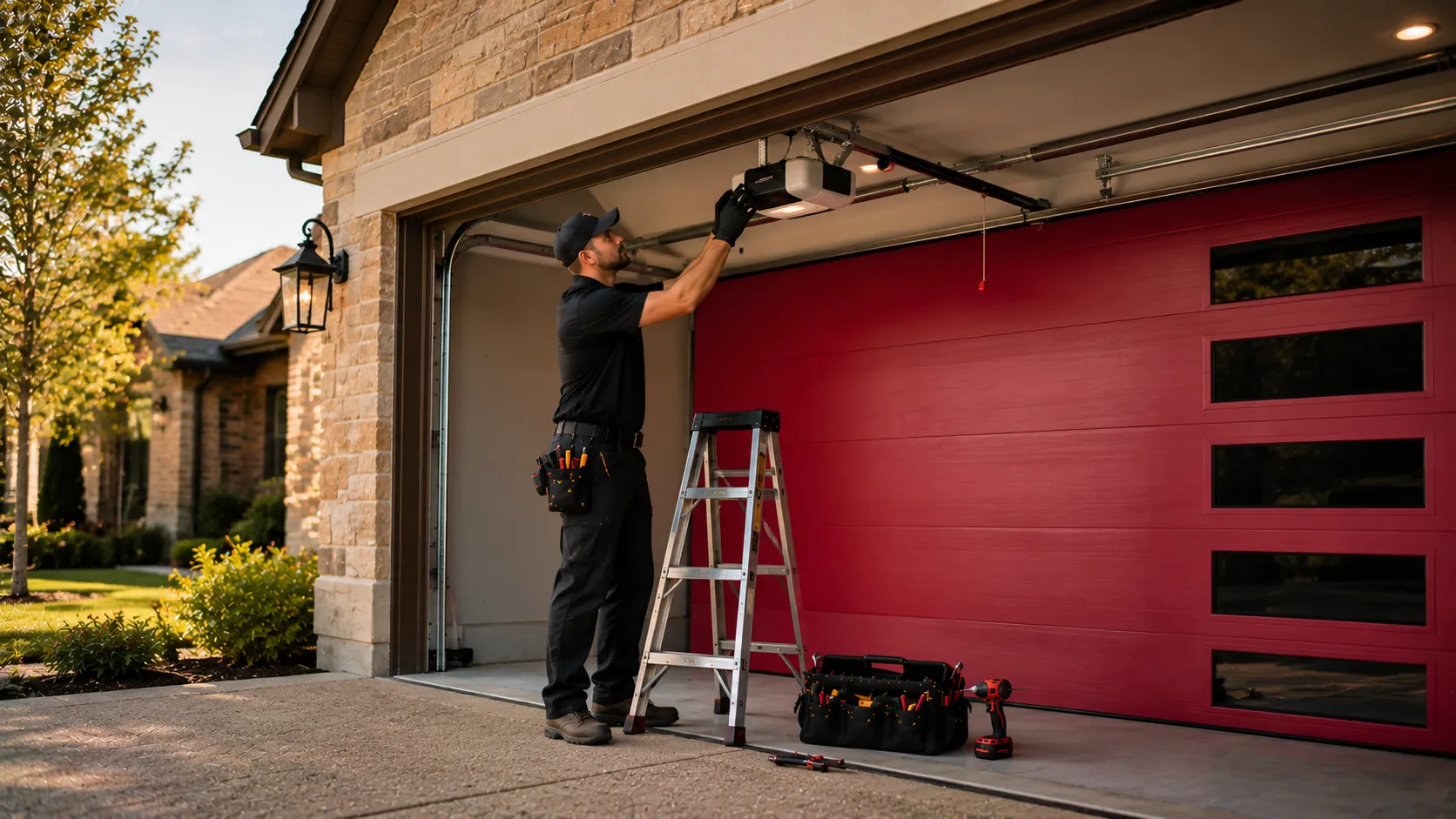
Check the opener chain or belt for slack. A chain that's loosened over the years will slap the rail, and that slap sound is more noticeable in cold air because the chain is stiffer and takes up less of its own vibration. None of this requires taking the door apart to diagnose. It just requires listening while it moves, not just when it's stopped.

The Problem

The noise that actually worries us is a spring that's begun to sound different, not louder exactly, but changed in pitch as it winds and unwinds. In a cold-climate service area like this one, a torsion spring nearing the end of its cycle count often fails in winter rather than summer, because the cold steel is less forgiving of the metal fatigue that's already built up.

With housing stock that runs 1950 through 2002 and clusters heavily in the 1980s, we're now seeing original or first-replacement springs reach the point where a changed sound is the last warning before a snap, not a minor annoyance to live with. A spring that lets go on a double door under tension is a genuine hazard, not just a repair.

Here's the honest limit: if a noise has been going on for months and the door still opens fine, it's worth a look but it's not an emergency. If the sound changes suddenly, gets louder in a single week, or the door starts moving unevenly, that's different, and waiting through a cold snap on a spring that's already talking to you is the wrong call.
What It Costs

We don't have a fixed number to hand you here without seeing the door, since the fix ranges from a roller swap to a full spring replacement, and the right call depends on the age and condition of the specific unit. What we can tell you is which noises usually mean a small job and which mean a bigger one, based on what we hear over the phone and confirm on site.

Given that median household income in this service area runs a bit above $100,000, most owners here choose to replace worn springs and rollers together rather than patch one part and get called back out for the next one within a season. That's a judgment call, not a rule, and we'll tell you honestly if your door doesn't need the full treatment yet.

How it works

From “it’s stuck” to “it’s fixed”

Tell us what’s wrong - Hugo garage door service
1

Tell us what’s wrong

Describe the symptom - won’t open, loud bang, opener runs but the door won’t move.

On-site diagnosis - Hugo garage door service
2

On-site diagnosis

A technician tests the door under power and by hand and finds what actually failed.

Clear, up-front plan - Hugo garage door service
3

Clear, up-front plan

You get the fix that’s needed and what drives the cost - before any work starts.

Repaired & tested - Hugo garage door service
4

Repaired & tested

The repair is done, the door is set true and tested, and the work area left clean.

Serving Hugo, MN - tell us what your door’s doing and we’ll take it from there.

How we work

What to expect

Diagnosis firstEvery visit starts by finding what actually failed - not a pre-written parts list.
The right part for the doorSprings and openers matched to the door’s weight and age, so the fix holds up.
Straight answersWhen a repair makes more sense than a replacement - or the reverse - you hear it plainly.
Clean, careful workTension released safely, hardware set true, the door tested under power before we leave.
Questions

Frequently asked

Straight answers about garage door repair in Hugo. Still unsure? Ask us directly.

Why does my garage door only make noise in winter?

Cold steel behaves differently than warm steel. Springs lose some tension, roller grease thickens, and any small gap in the track becomes a scrape instead of a smooth glide. If your door is quiet all summer and loud from November on, that's a sign the hardware is aging, not that something new broke.

Is a grinding noise always the spring?

No. Grinding more often means a dry or misaligned roller rubbing the track. A spring problem usually sounds like a change in pitch during the wind and unwind, or a single loud bang. Both are worth checking, but they point to different repairs.

My house was built in the 1980s. Does that matter for the noise?

Yes. Hardware installed then is well past its expected working life, and original rollers and springs are the most common source of new noise in homes from that era. Age plus a cold winter is a common combination for a door that suddenly starts talking back.

Should I wait to see if the noise gets worse?

If it's stable and the door still moves evenly, a short wait is reasonable. If the sound changes week to week, gets sharper, or the door starts moving unevenly, that's a sign the part is closer to failing than to just being old and worn.

Ready to get your garage door sorted?

Tell us what it’s doing and where you are in Hugo - we’ll take it from there.

Request a QuoteCall