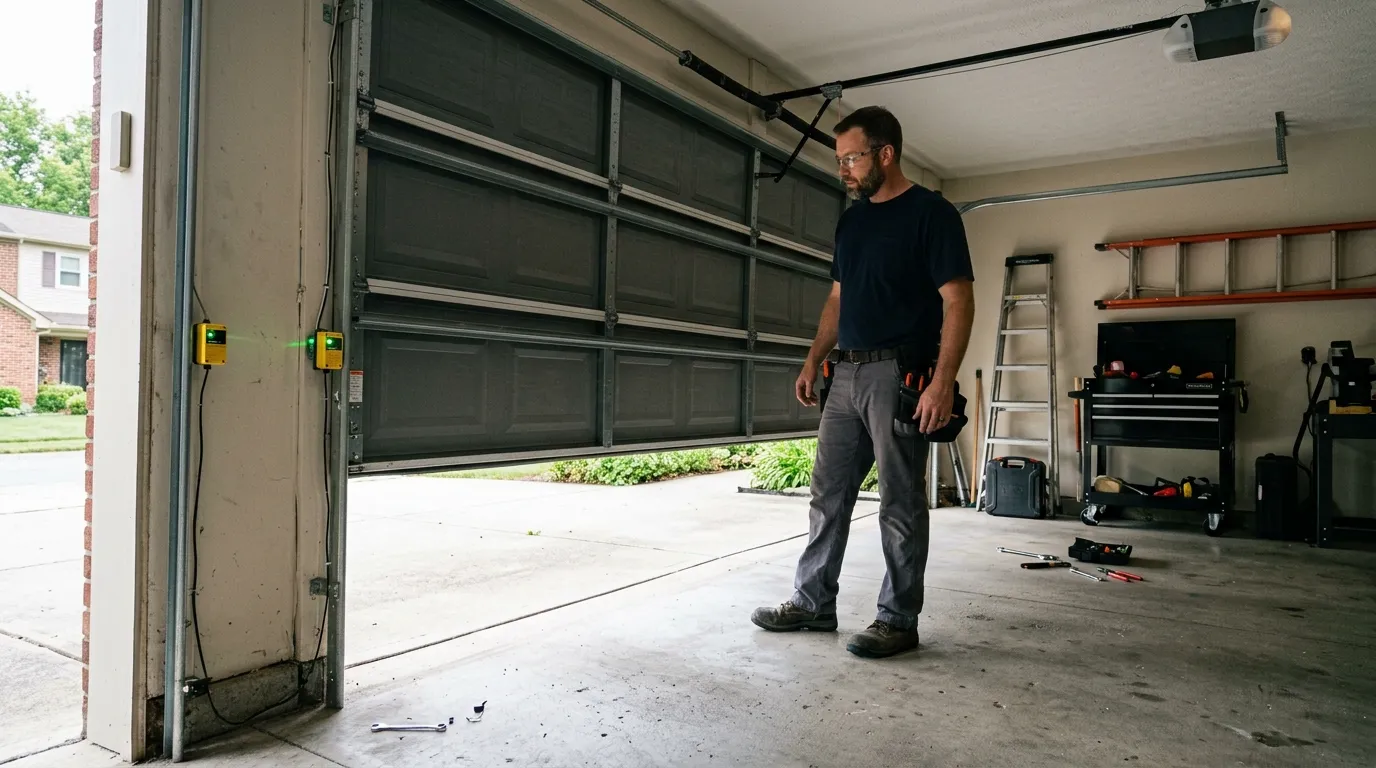

Who Turns Up
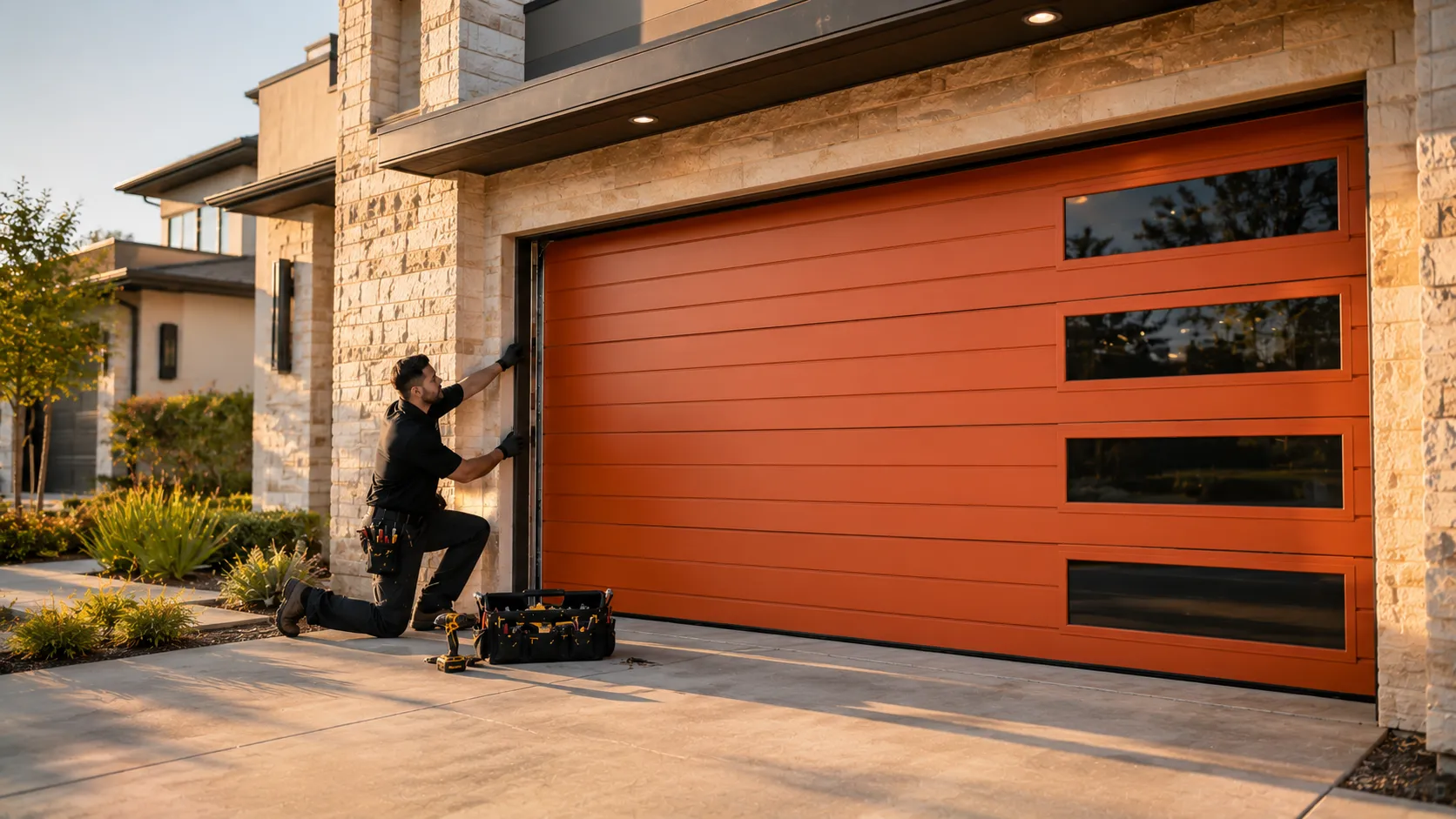
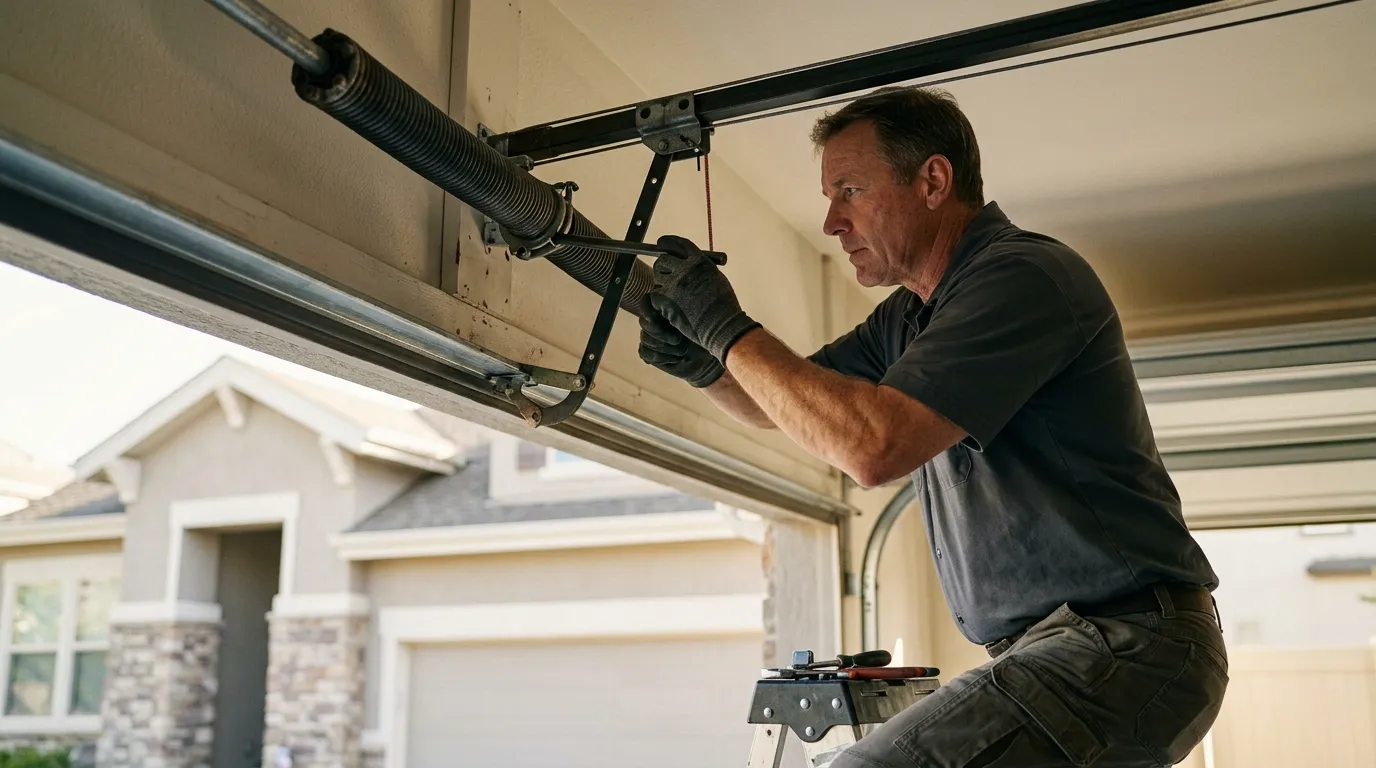
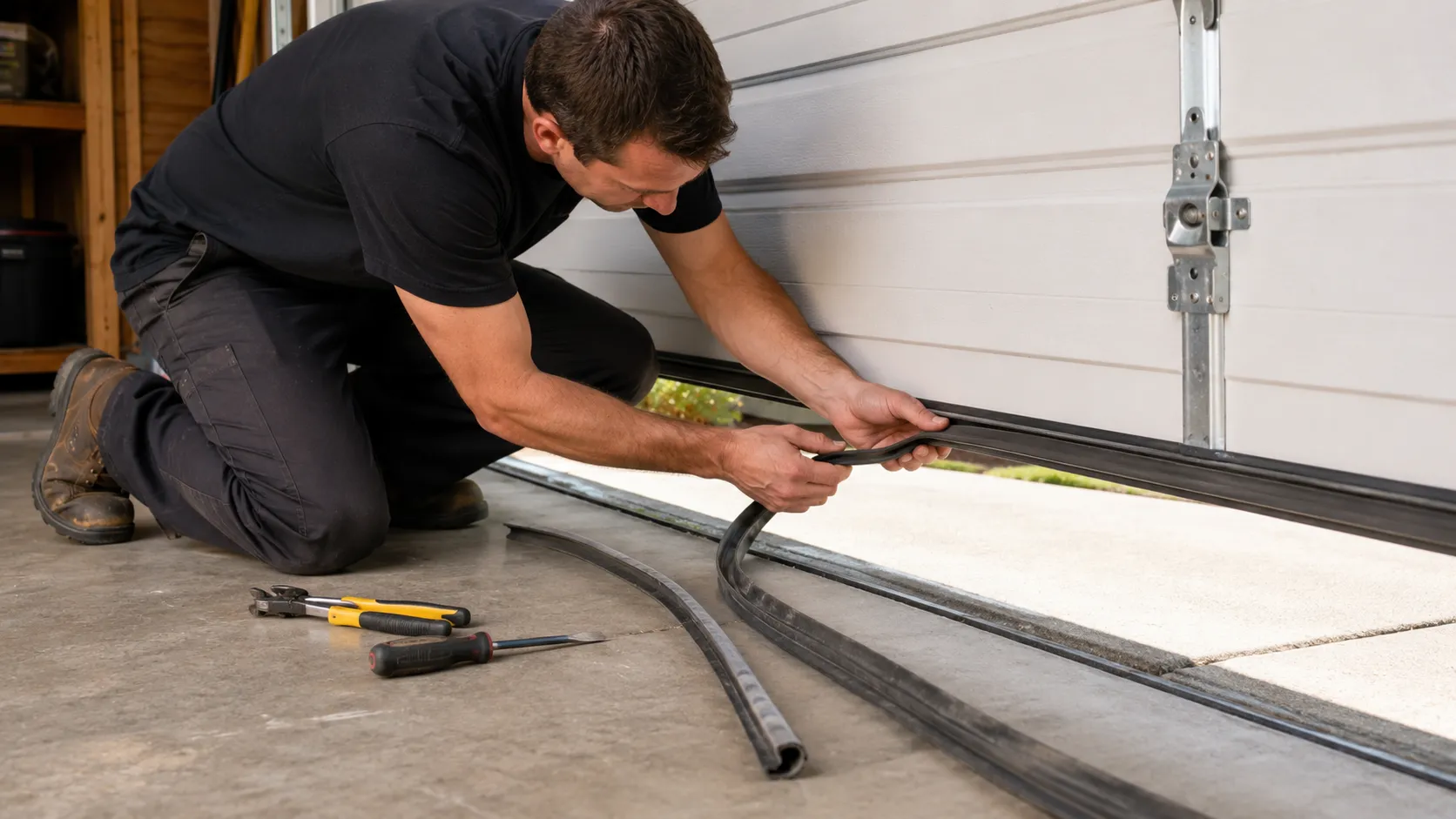
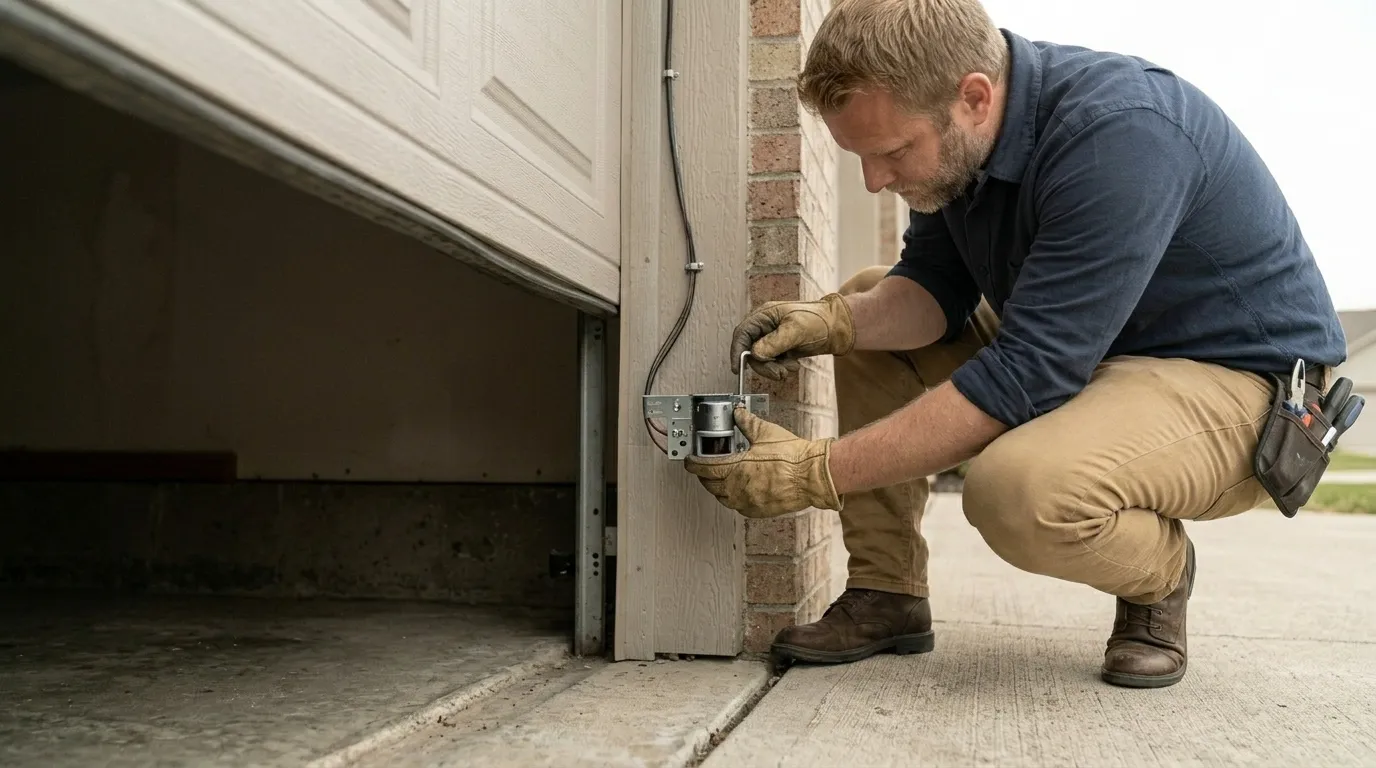
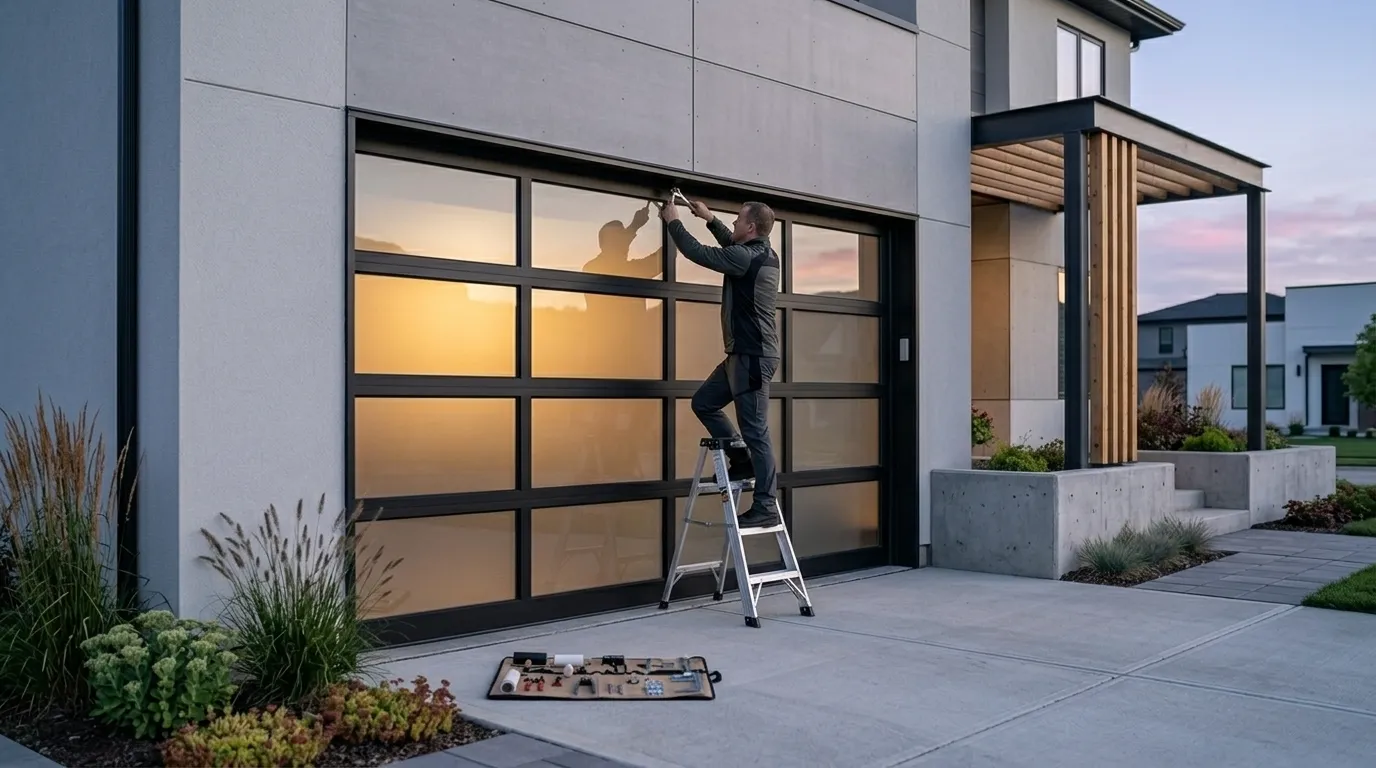
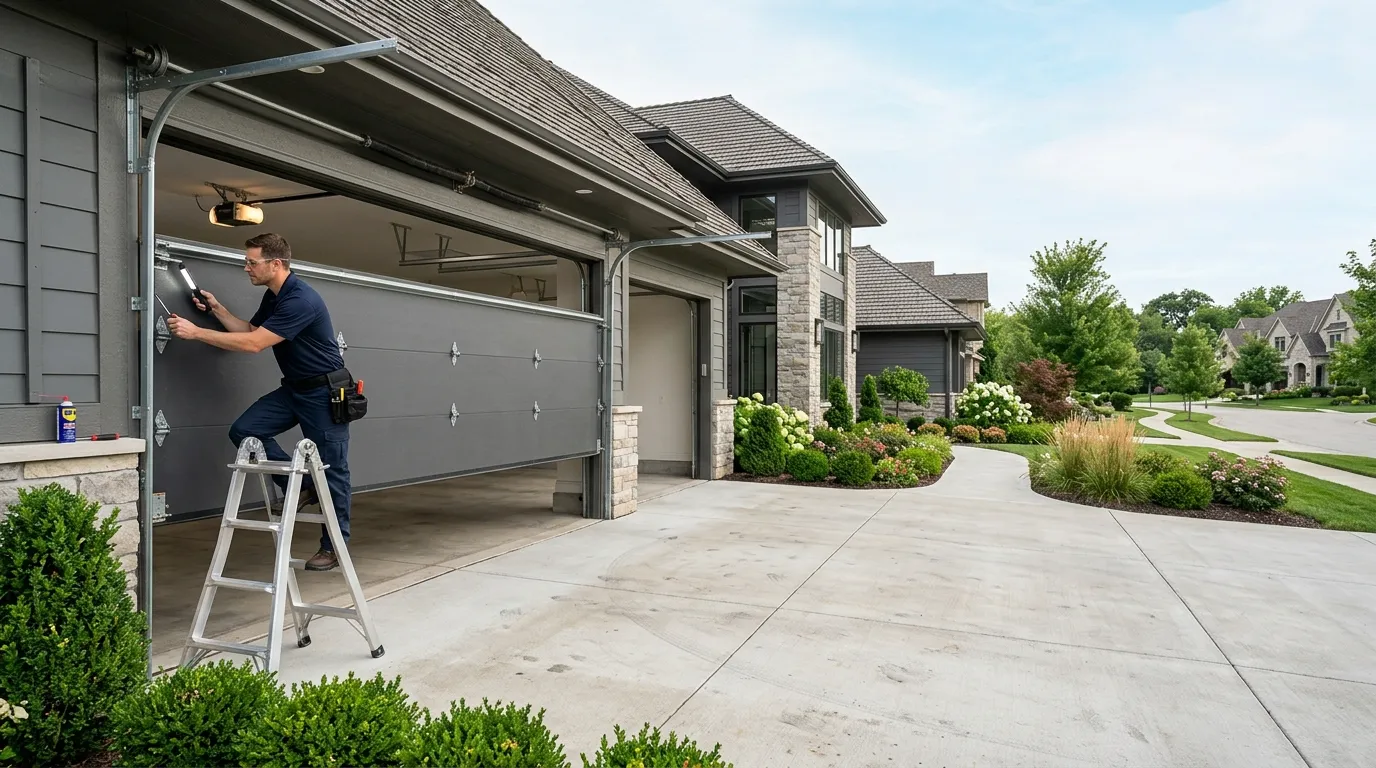
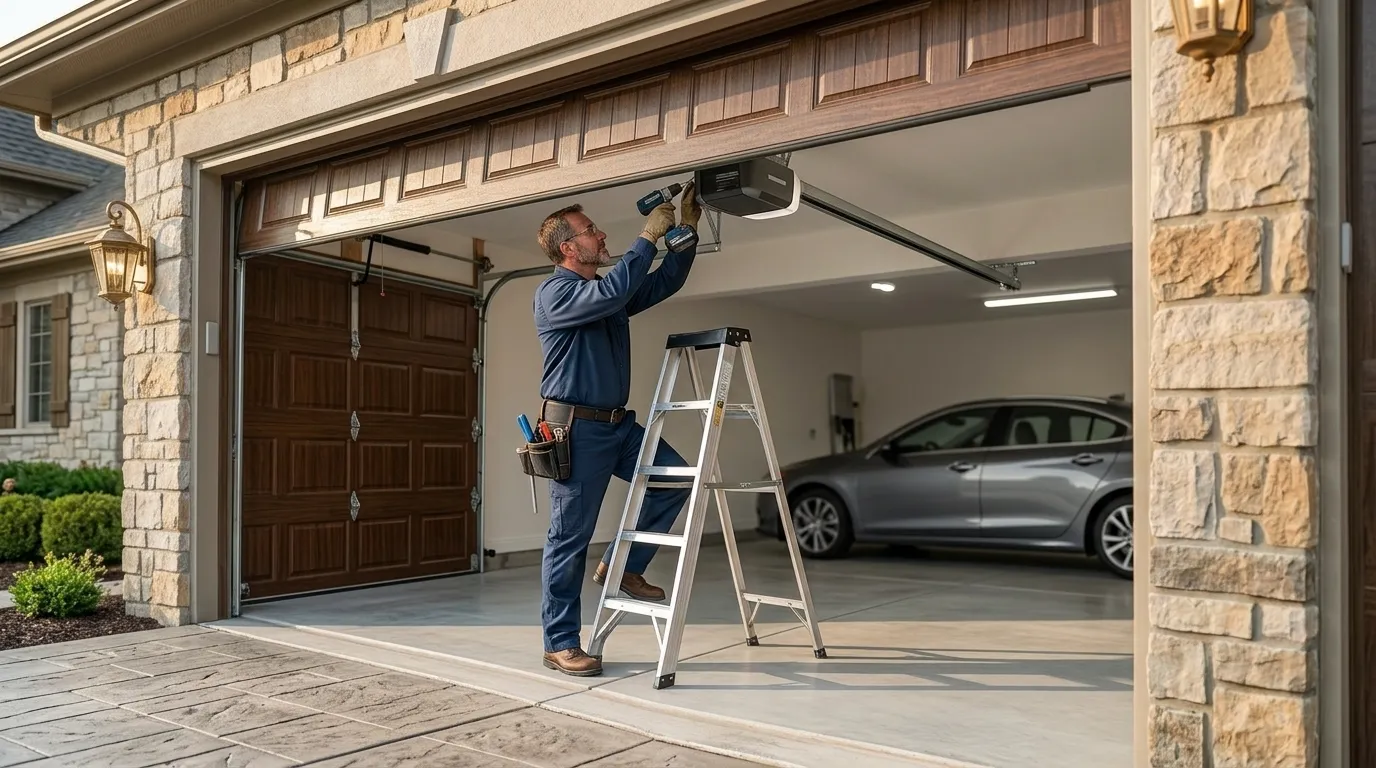
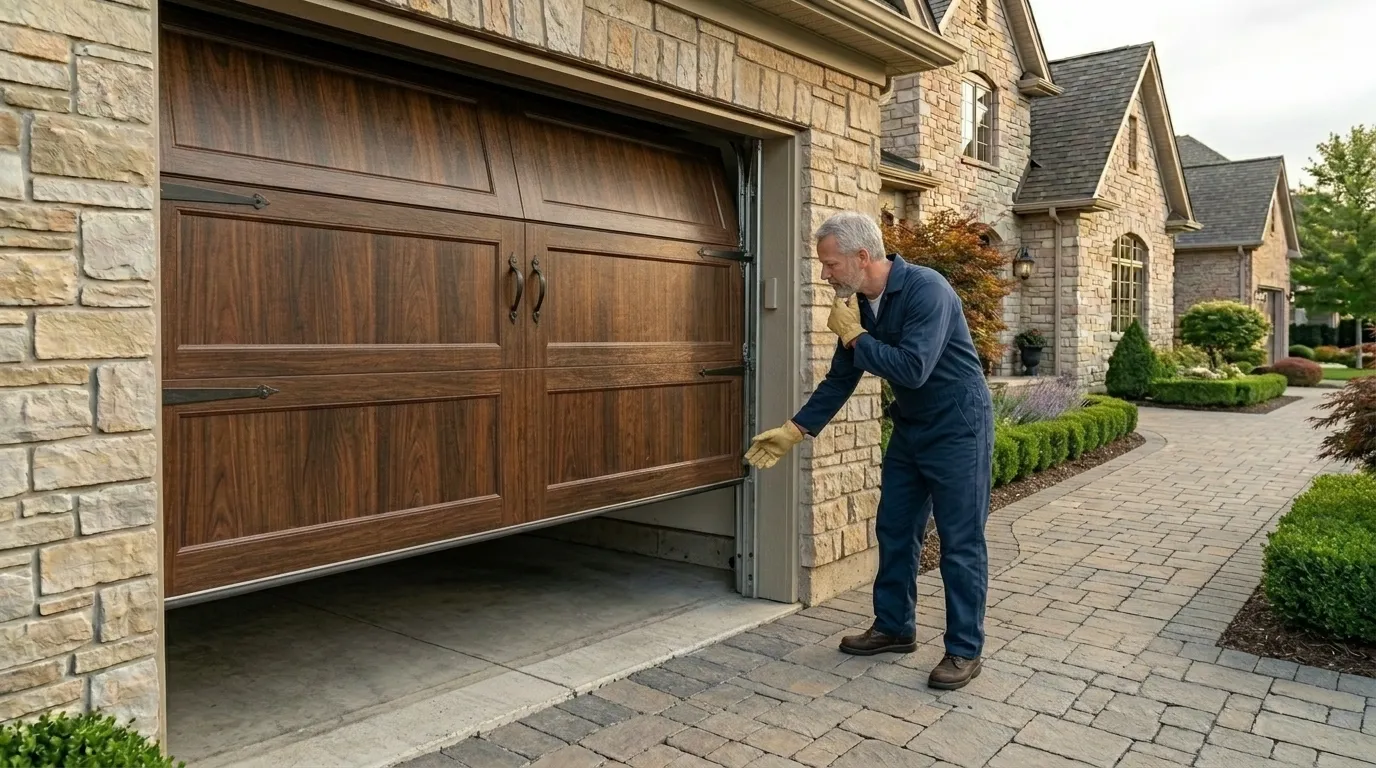
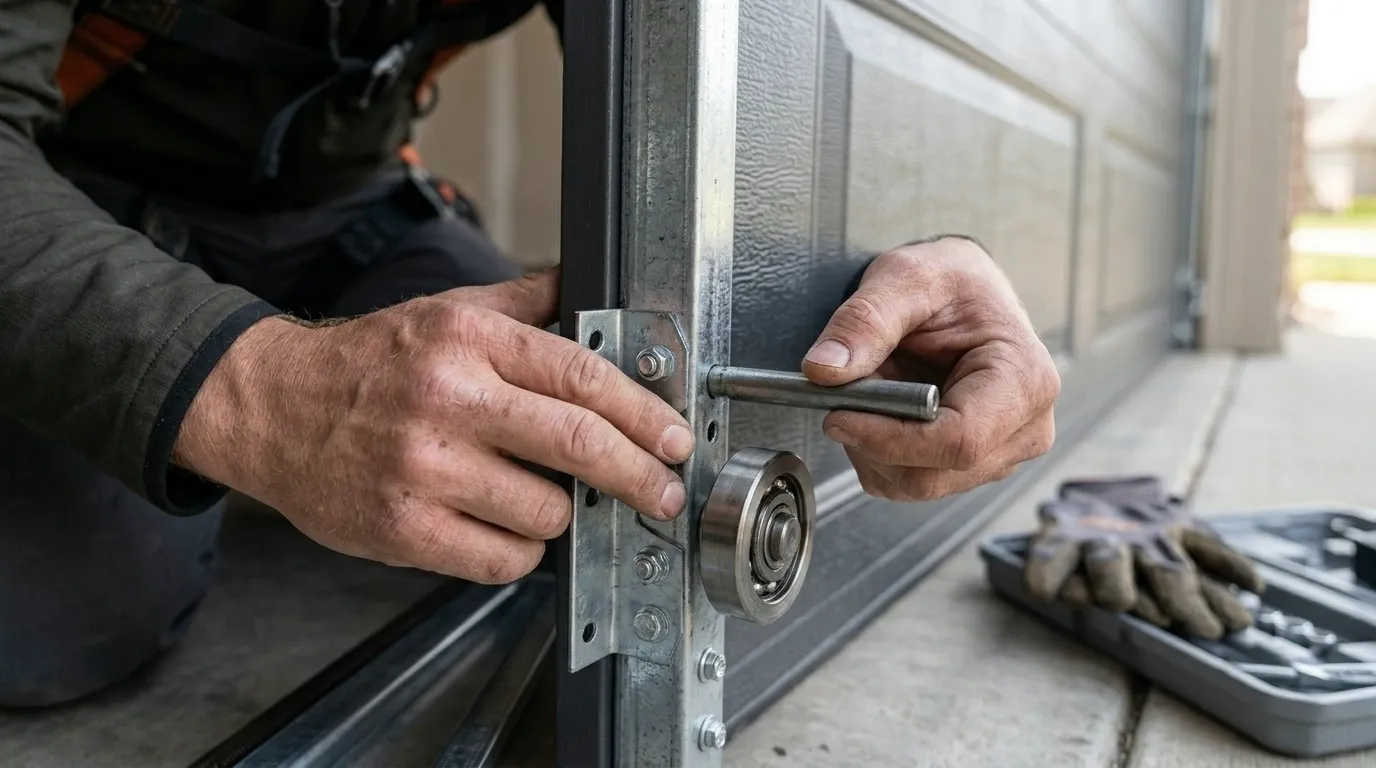
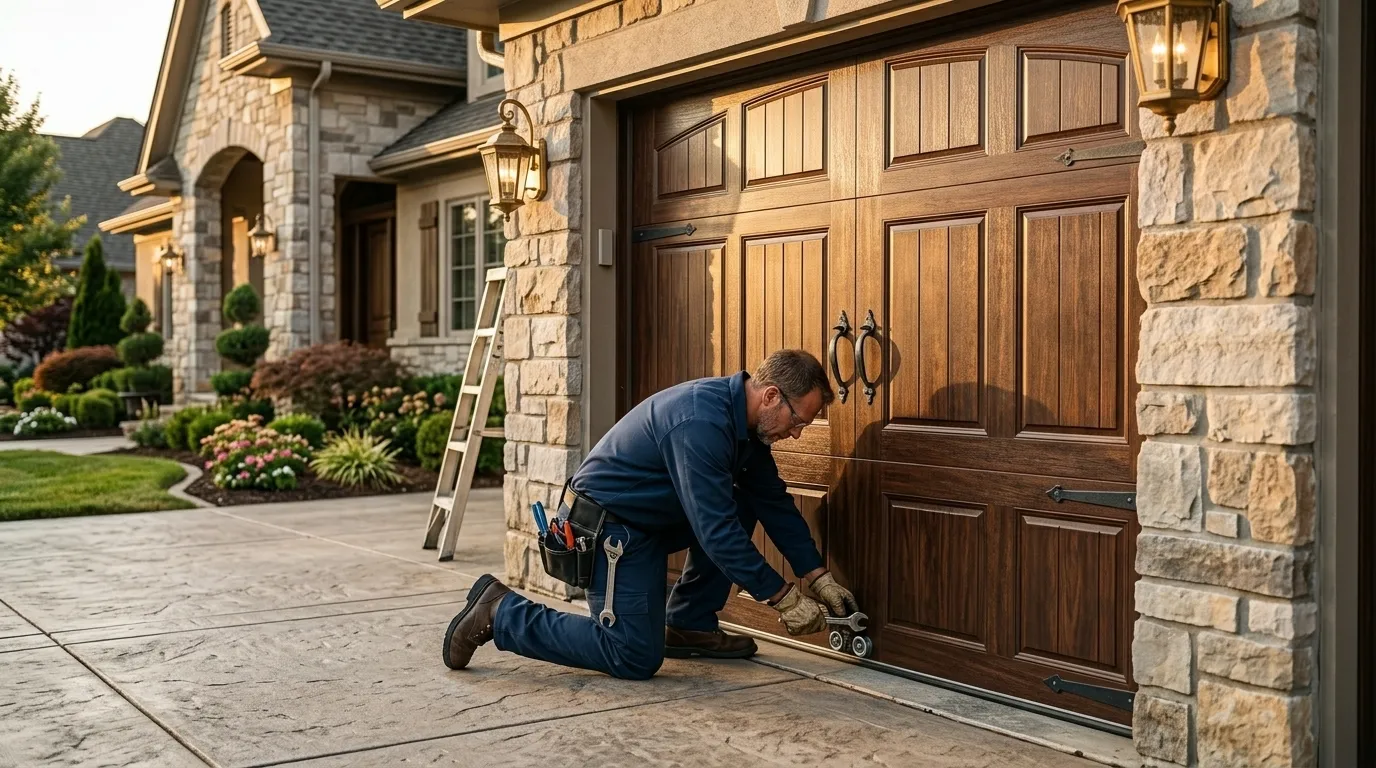
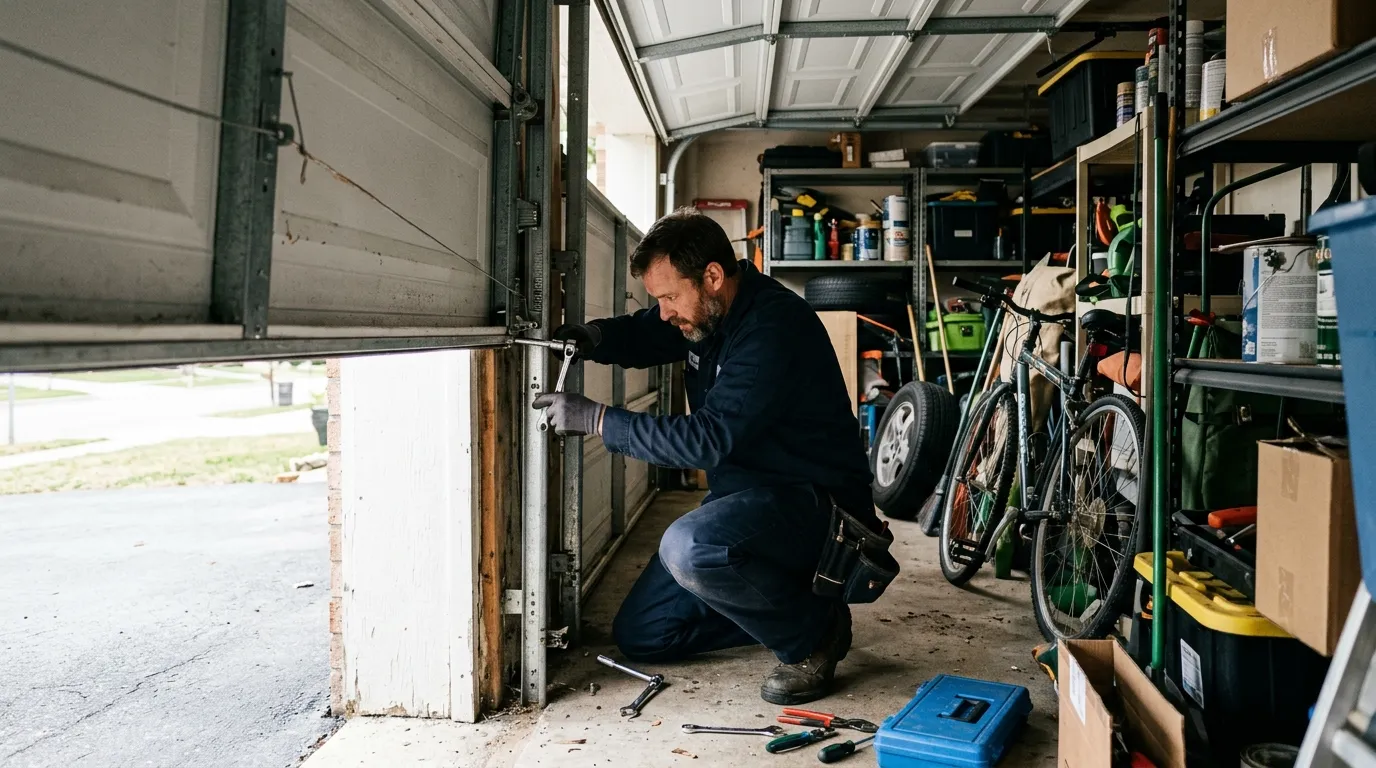
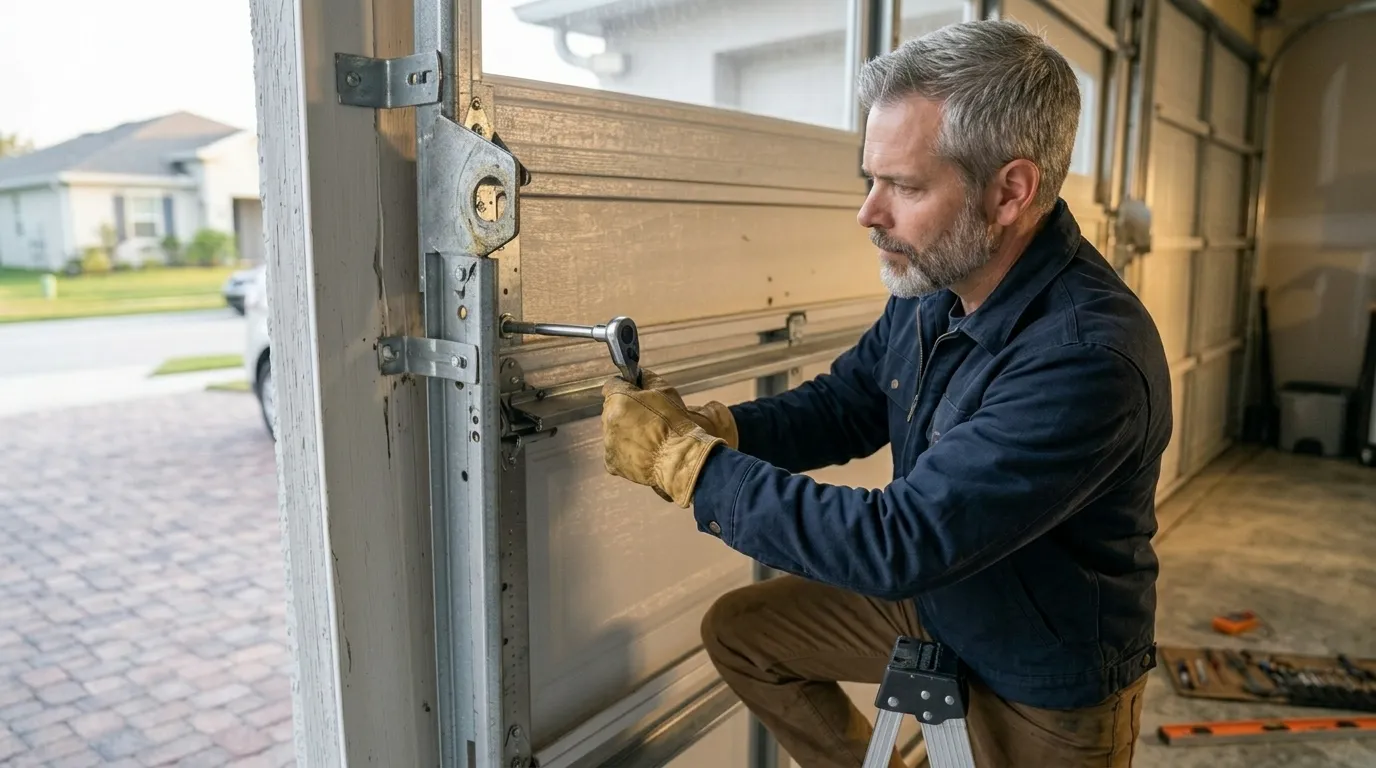
We're not going to invent a story about who we are beyond what matters to the job: someone who knows torsion spring tension, knows why a nylon roller fails faster than steel in a cold garage, and shows up with the parts that fit doors from this era of construction, not just whatever's on the shelf.
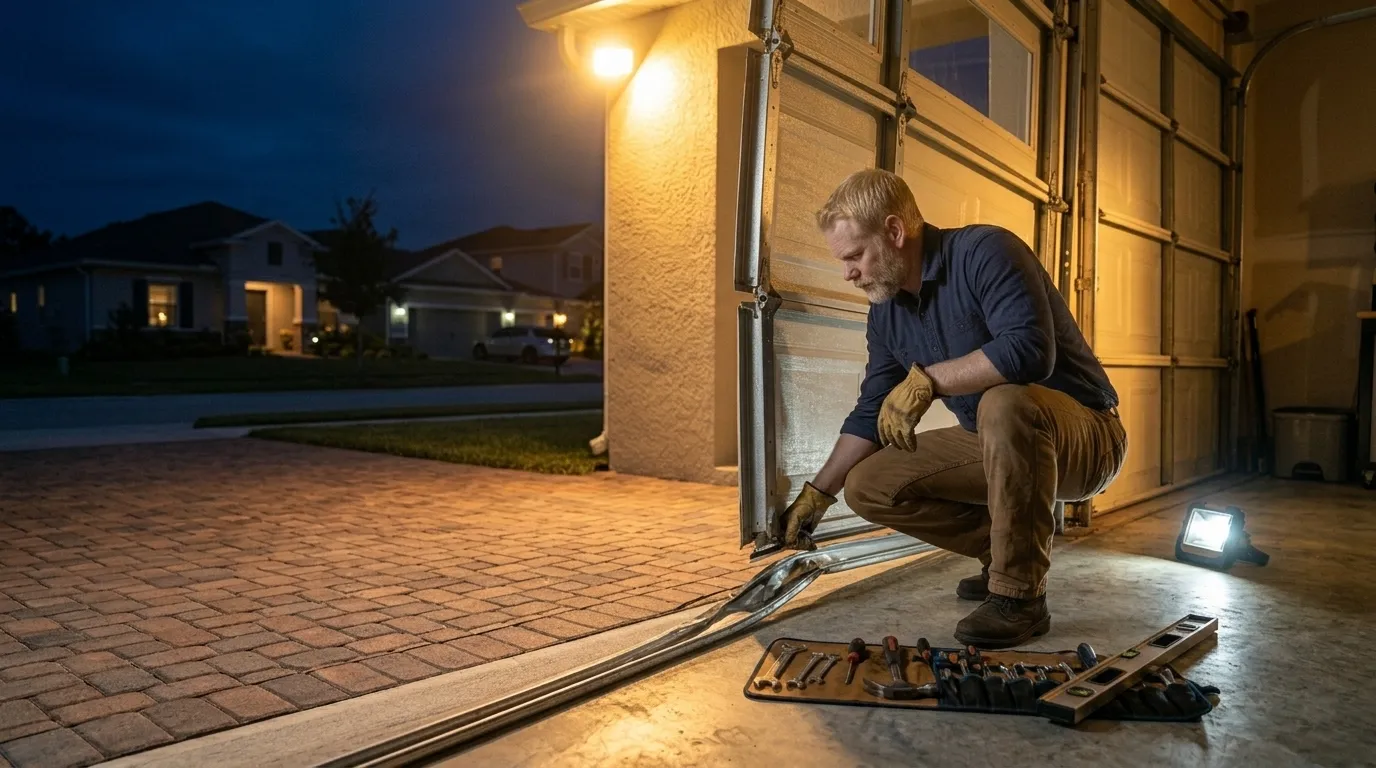
This area runs a severe cold climate band, and that shapes every call we take. Lubricant that's fine in July gums up in January. Steel contracts and a marginal alignment becomes a jammed door on the coldest morning of the year. We set springs and adjust openers with that in mind, not for a mild-climate showroom standard.
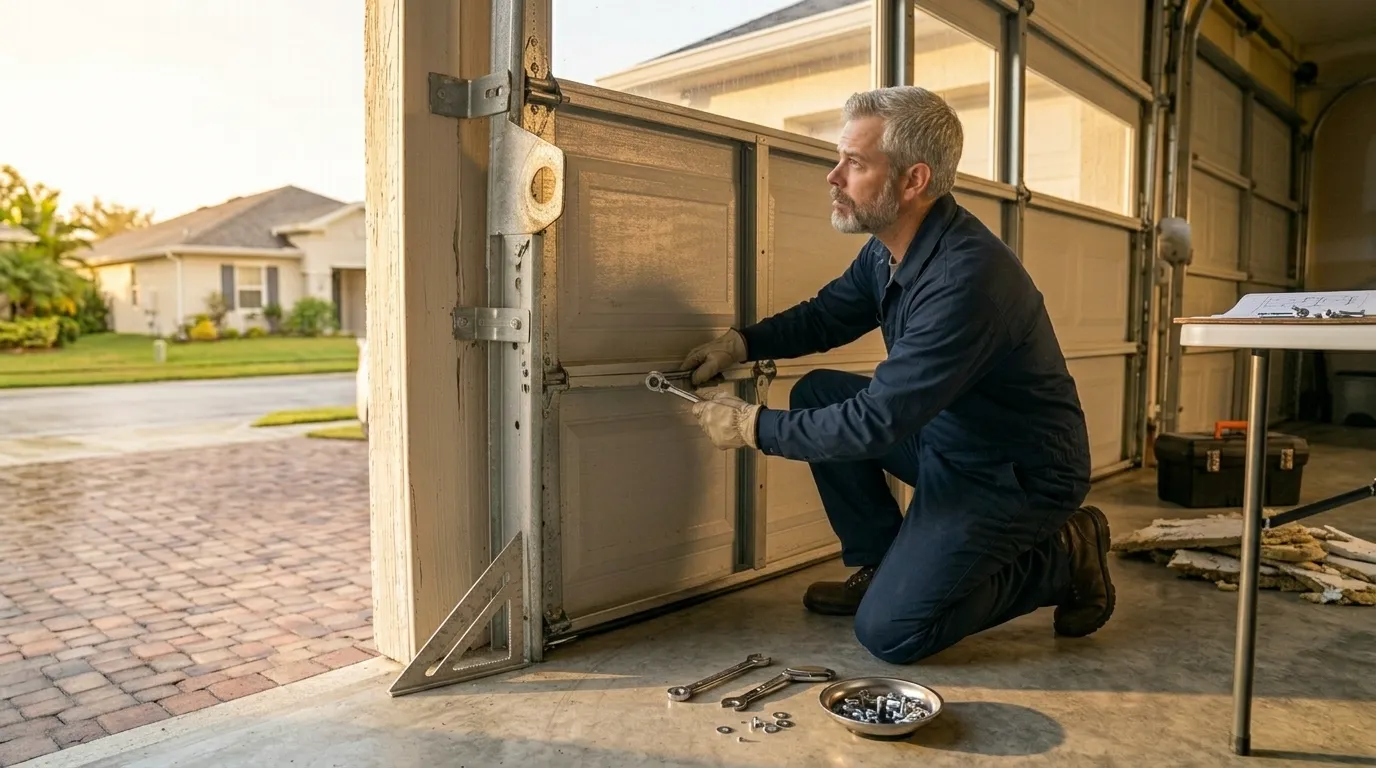
We don't pretend every job is quick. Some repairs on older track systems take longer because the part isn't a standard stock item anymore, and we'll tell you that up front instead of promising a same-day fix we can't back up.
Straight Answers
A repair isn't always the right call. If a door is original to a house built in the 1950s through the 70s, the spring system and track hardware often don't match anything made today, and patching one part just moves the failure point to the next one. At some point replacement costs less over time than repeated repair visits, and we'll say so instead of running up a bill on a door that's done.
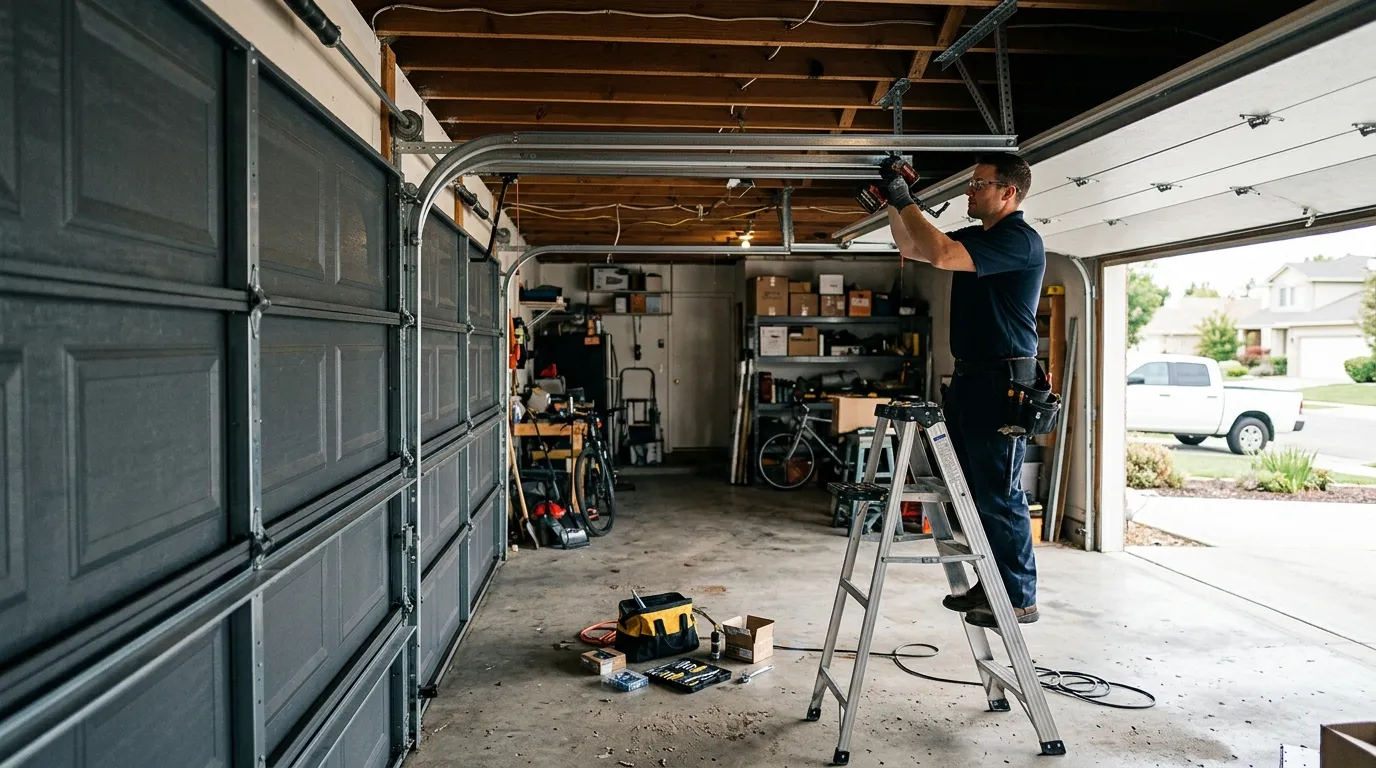
On the other side, plenty of the 1980s and 90s doors that make up most of the stock out here are solid units with a failed spring or a burnt-out opener motor - a straightforward fix, not a reason to replace the whole door.
Household budgets vary a lot across this service area - the median household income here runs around $100,759, and we try to give a real number for the job in front of us rather than a padded estimate. We won't tell you a repair will outlast a door it can't.