Why So Many Hugo Garage Doors Are Losing Heat They Shouldn't
Hugo's housing runs 1950 to 2002, with a lot of it built before insulation codes tightened. Here's what that means for your garage door in a cold climate.
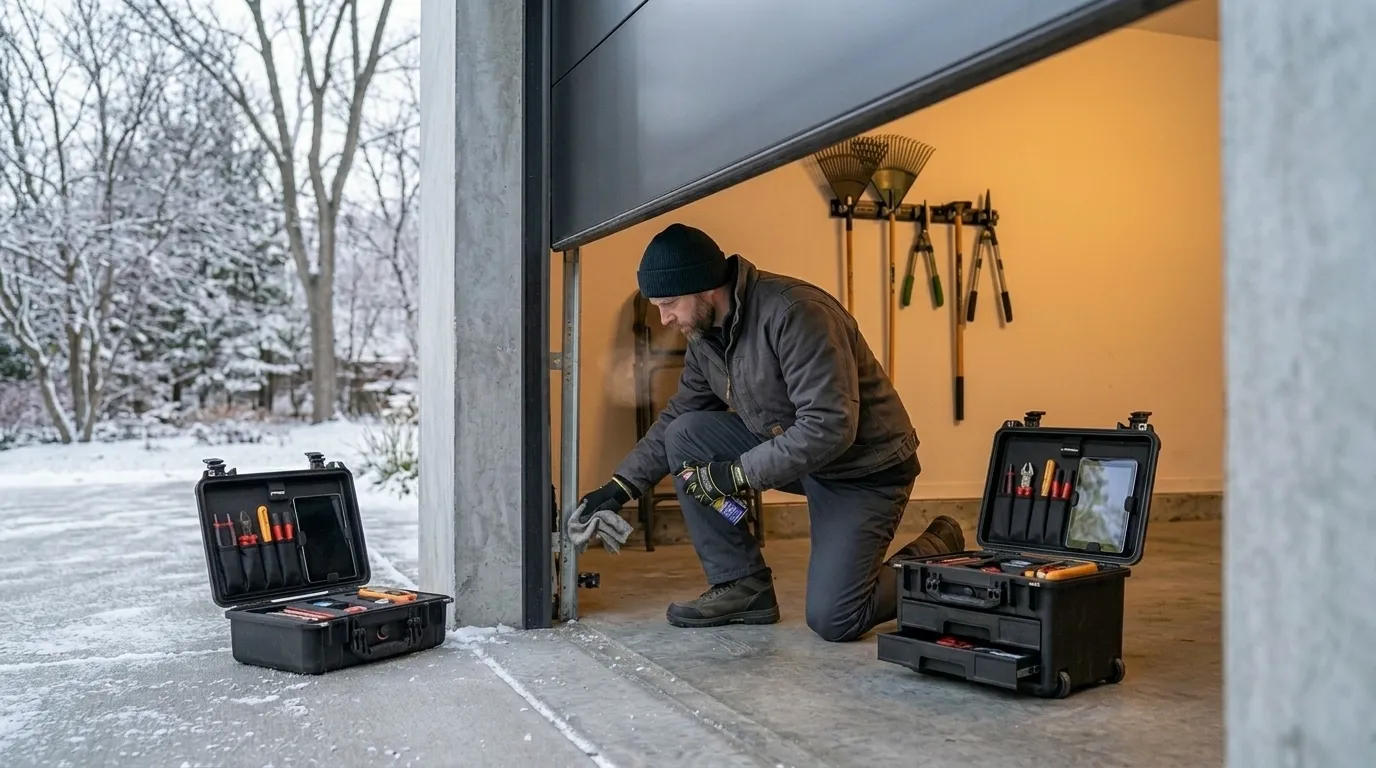
Hugo's housing stock runs from 1950 up through 2002, with the median build year landing around 1980 - right at the edge of when insulation requirements for garages started tightening. A lot of houses out this way, and in the neighboring areas toward Dellwood and Centerville, went up before anyone thought hard about R-value on a garage door. Builders back then treated the garage door as a barn door with a motor: single steel skin, maybe a thin foam liner tacked on later, no thermal break at the track. That was fine when winters were milder or when nobody cared if the garage hit 20 degrees. This area sits in a cold, severe climate band, which means that thin steel skin is doing real work all winter - flexing with temperature swings, letting cold radiate straight through to anything stored against it, and in a lot of cases sweating on the inside face when warm air from an attached space meets cold steel. The door isn't broken. It's just doing the job it was built for, and that job predates what most homeowners now expect from a garage door.
What to Check
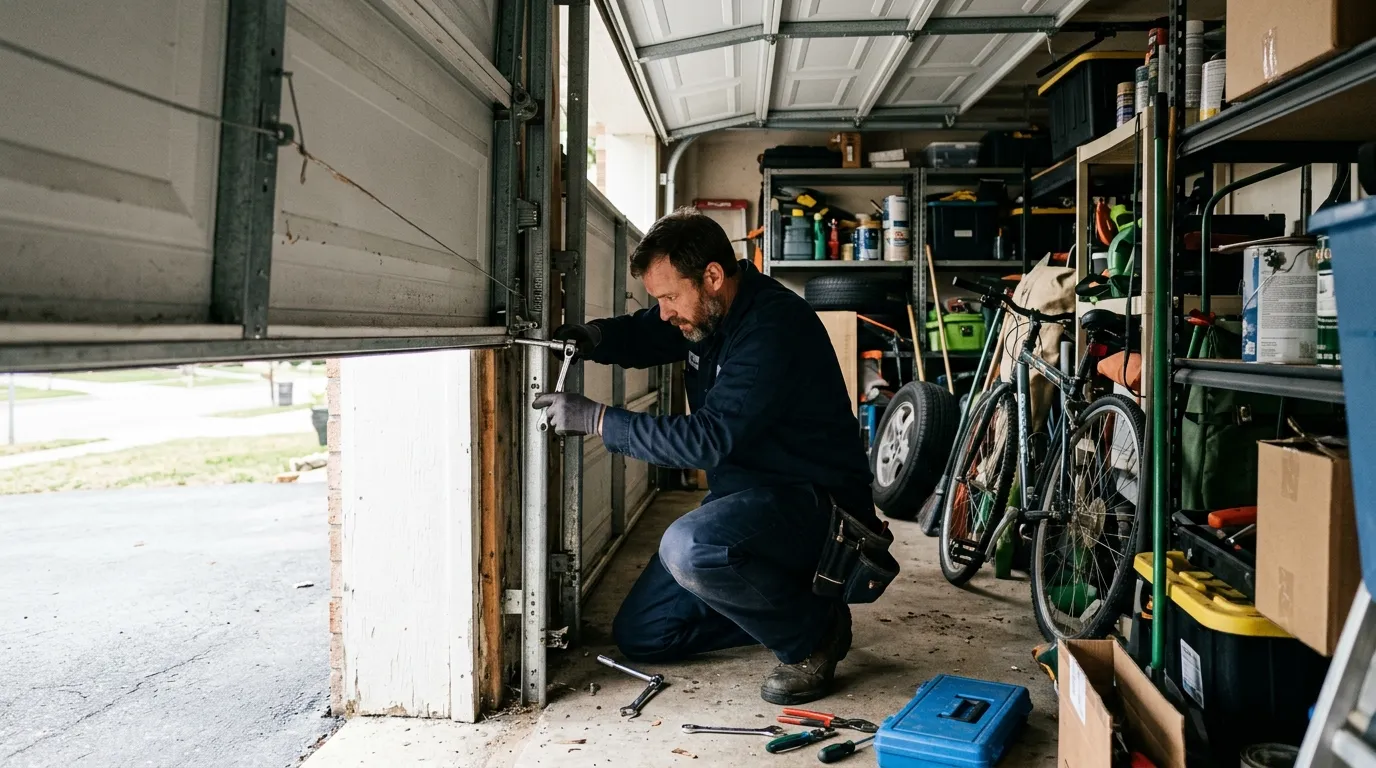
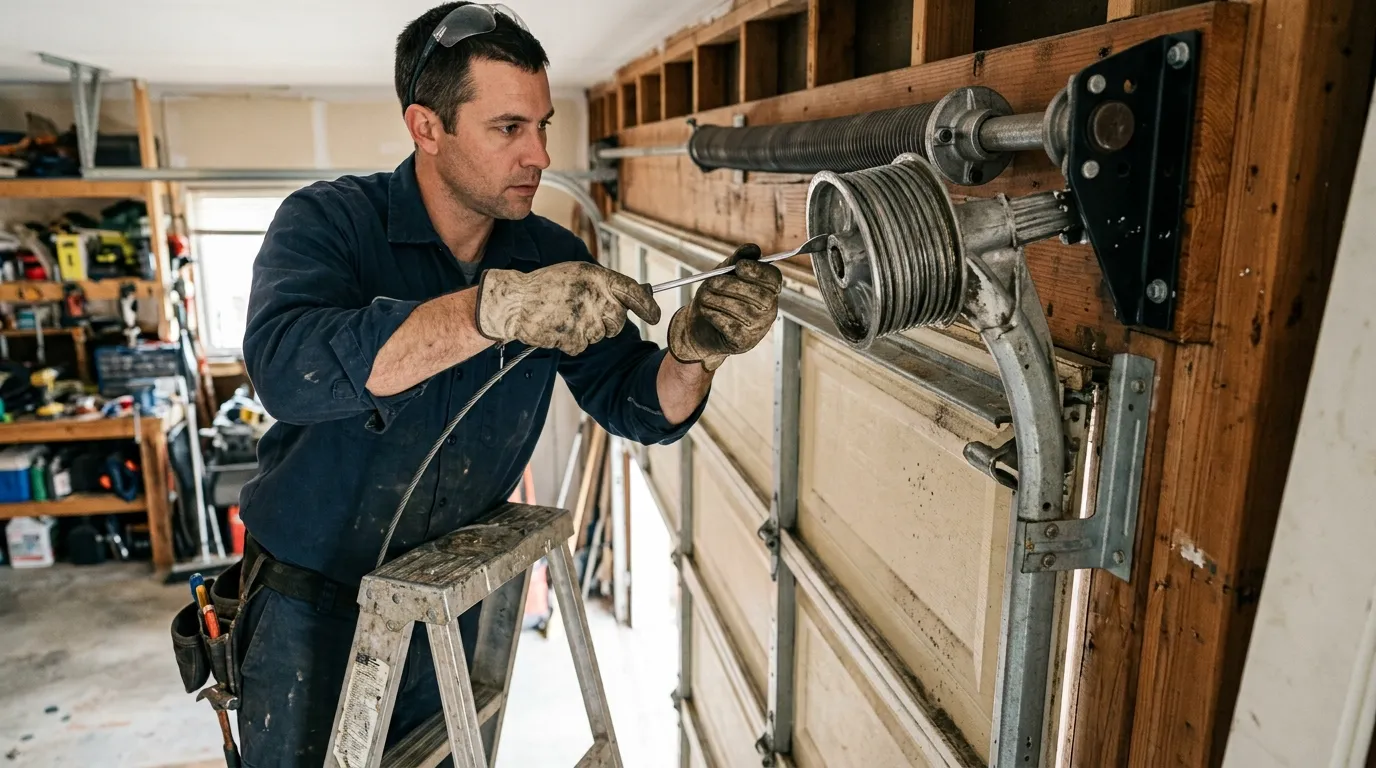
Start by looking at the back of the panels, not the front. If you see bare corrugated steel with no white or foam backing, that door has no insulation at all - common on houses from the 1950s through the 1970s in this area. If there's a thin foam board glued in, that's a later retrofit or a builder-grade upgrade from the 1980s-90s wave of construction that makes up most of the stock here, and it helps a little but doesn't seal the edges. Run your hand along the bottom seal and the side seals on a cold day - if you can feel air moving, the insulation inside the panel doesn't matter much because the whole assembly is leaking. Check the header too, above the door: a lot of these older openings were framed without weatherstripping up top at all. None of this is a safety issue on its own, so there's no rush, but it explains a cold garage and a cold wall on the other side of it in a house built during Hugo's main construction years.
The Problem
The honest issue is that insulation retrofits on an old panel only go so far. You can add foam board to the back of a steel skin, but you can't fix the thermal break at the frame, the gap at the top corners, or a warped panel that no longer sits flush - and a lot of the 1980s-vintage doors common here are starting to show exactly that kind of warp after four decades of temperature swings in a cold climate. Past a certain point, patching insulation into a door that's already flexing is spending money to slow a problem, not fix it. We'll tell you straight if your door is a good insulation-upgrade candidate or if the frame and panel are past the point where it's worth it. That's not us trying to sell a replacement - it's just where the math stops working on an old panel in this climate.
What It Costs
We're not going to put a number here that doesn't hold up once we've actually seen the door - an insulation retrofit on a sound panel is a different job than replacing a warped one, and the honest number depends on what's on your garage right now. What we can tell you is how to think about it: with median household income in this service area above six figures and a housing stock heavy on 1980s-90s construction, a lot of the doors we look at here are old enough to lose real heat but new enough that the frame and hardware are still solid, which usually makes insulation upgrades the better first move instead of a full replacement. We'll walk you through both options and what each buys you before you decide anything.
How it works
From “it’s stuck” to “it’s fixed”
1
Tell us what’s wrong
Describe the symptom - won’t open, loud bang, opener runs but the door won’t move.
2
On-site diagnosis
A technician tests the door under power and by hand and finds what actually failed.
3
Clear, up-front plan
You get the fix that’s needed and what drives the cost - before any work starts.
4
Repaired & tested
The repair is done, the door is set true and tested, and the work area left clean.
Serving Hugo, MN - tell us what your door’s doing and we’ll take it from there.
Not necessarily. If the panel is flat, the track is straight, and the frame seals well, adding insulation to an older uninsulated door usually makes sense. If the panel has started to bow or the seals are shot, insulation won't fix the real problem, and we'll tell you that straight rather than sell you a patch.
Why is my garage colder than the rest of the house?
A lot of Hugo homes were built between 1950 and 2002, and many garage doors from that era have thin or no insulation and weak seals at the header and corners. In a cold climate, that uninsulated steel radiates cold straight into the space, which is usually the main driver, more than anything wrong with the walls.
Will adding foam board to my door fix the cold garage?
It helps with radiant cold coming off the panel itself, but it doesn't fix air leaking around the edges or a warped panel that no longer sits flush. If your door leaks air at the seals, insulation alone won't solve the cold-garage problem.
Ready to get your garage door sorted?
Tell us what it’s doing and where you are in Hugo - we’ll take it from there.