Serving Columbus, MN from Hugo, 10 miles out. We work on the 1980s-era torsion setups common in this area and know what cold-climate wear looks like on them.
We don't keep a truck stationed in Columbus. We run out of Hugo, ten miles west, so same-day availability depends on our route that day, not a promise we can make up front. If your opener is under warranty from the builder or a big-box installer, we won't touch it until that coverage runs out - voiding someone else's warranty to save you a trip charge isn't worth it. We also don't do custom architectural doors with specialty glass or non-standard track configurations; that's a job for a shop that stocks those parts, not a service call. And if a door is more rust than metal, or the track is bent past a clean re-set, we'll tell you replacement is the honest answer instead of billing you for a repair that won't hold through next winter. Columbus sits far enough out that we plan the trip, not swing by on a whim, so calls here get scheduled rather than squeezed in.
What Neighbours Usually Call About
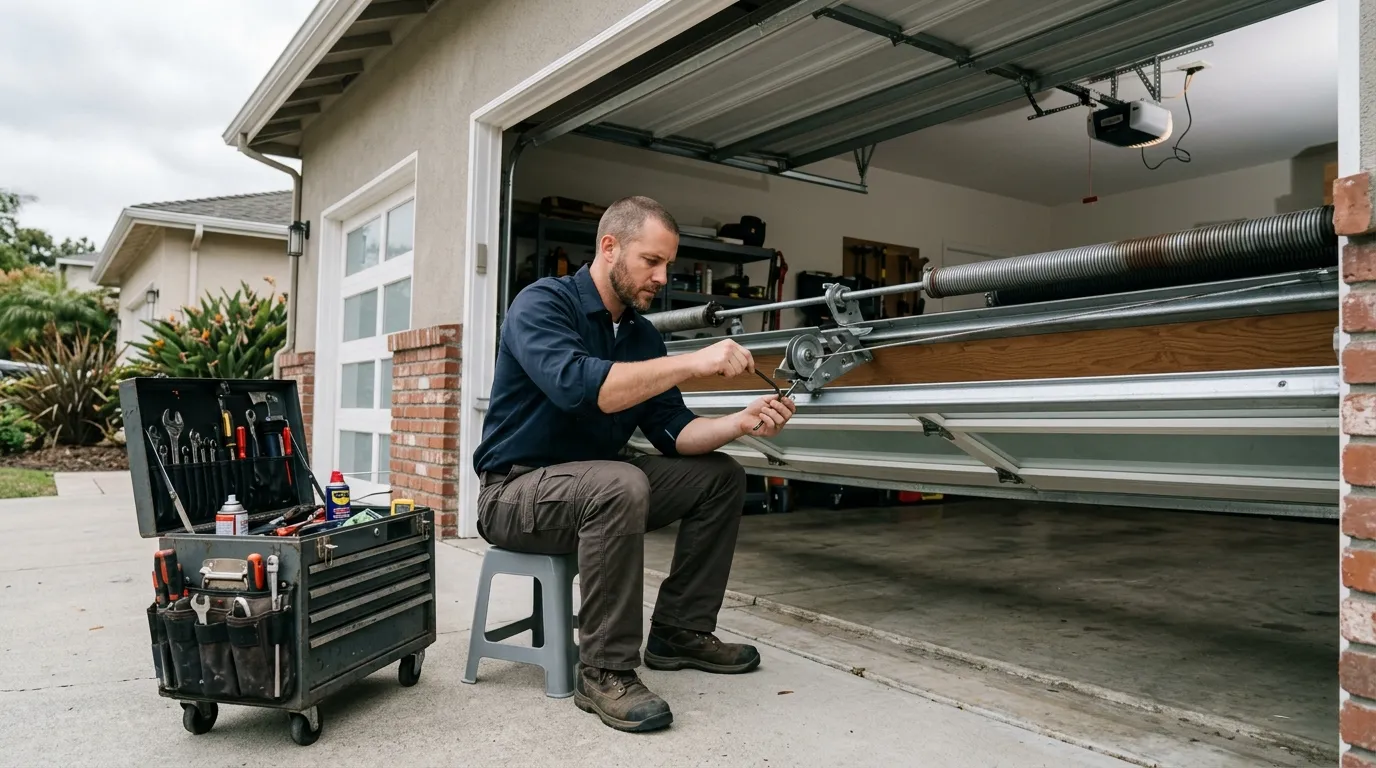
With roughly 1,637 households out here and a median income near $117,917, most of what we see is well-kept single-family stock, not rentals or starter homes people are patching to sell. That shows up in the calls: fewer emergency panel-replacement jobs from neglect, more requests to fix a spring before it fully lets go, or to quiet down an opener that's been chugging along since the house was built. Torsion spring failure on the original hardware is the most common single call. Second is opener replacement - chain-drive units from the 1980s and 90s reaching the end of their motor life, not because anything broke suddenly but because they've simply run their course. We also get calls after a hard cold snap, when a stiff cable or a dry roller finally seizes on a below-zero morning.
This Area's Housing
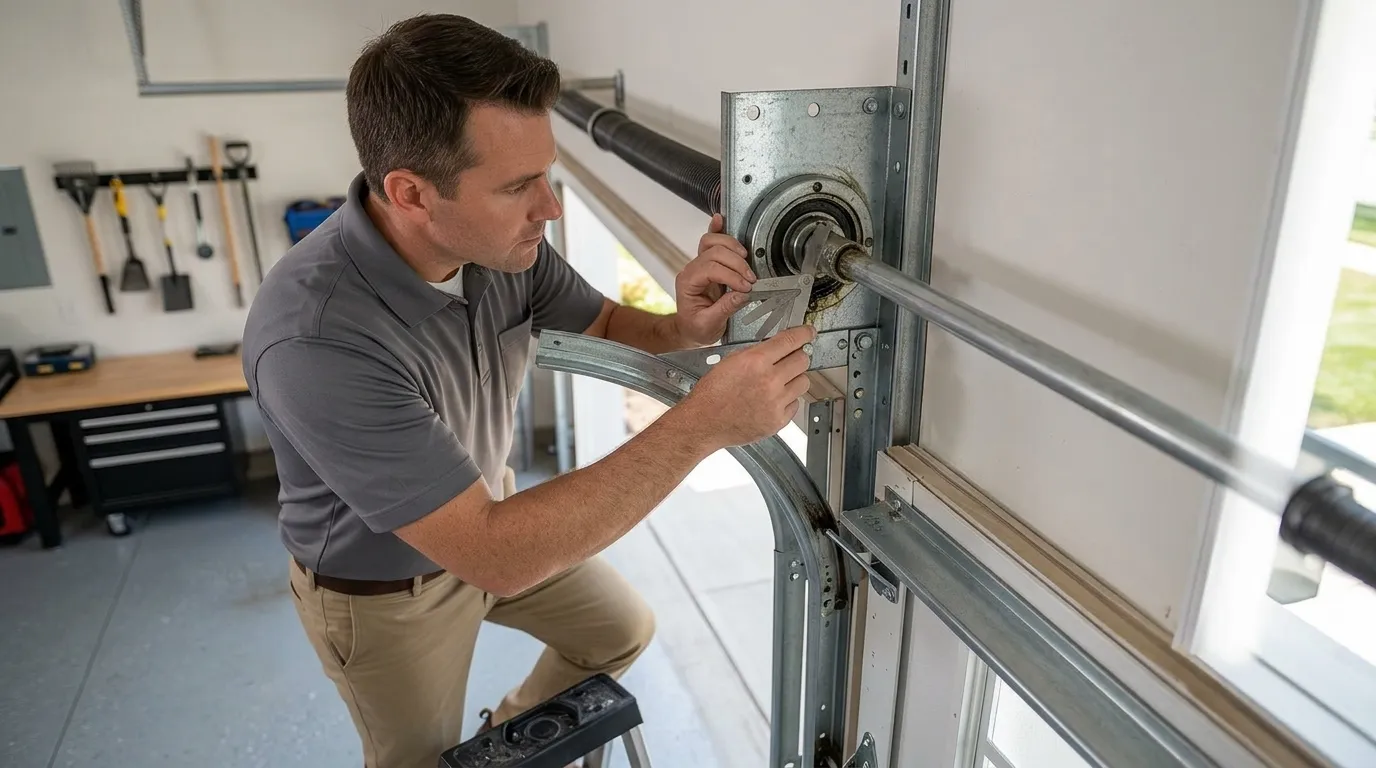
The median year built in Columbus is 1984, a few years newer than the 1980 median across the wider service area. That gap matters more than it sounds like it should. Doors and openers installed in the early-to-mid 1980s were often still on the older side-mount torsion setups before the industry shifted toward the extension-spring and center-mount torsion combos that became common by the early 90s. A house built in 1984 could have either, depending on when the original door was actually hung versus when the house itself went up. We don't guess which one you have over the phone - it's a five-minute look in the garage, and it changes what parts we bring.
What That Means for Doors
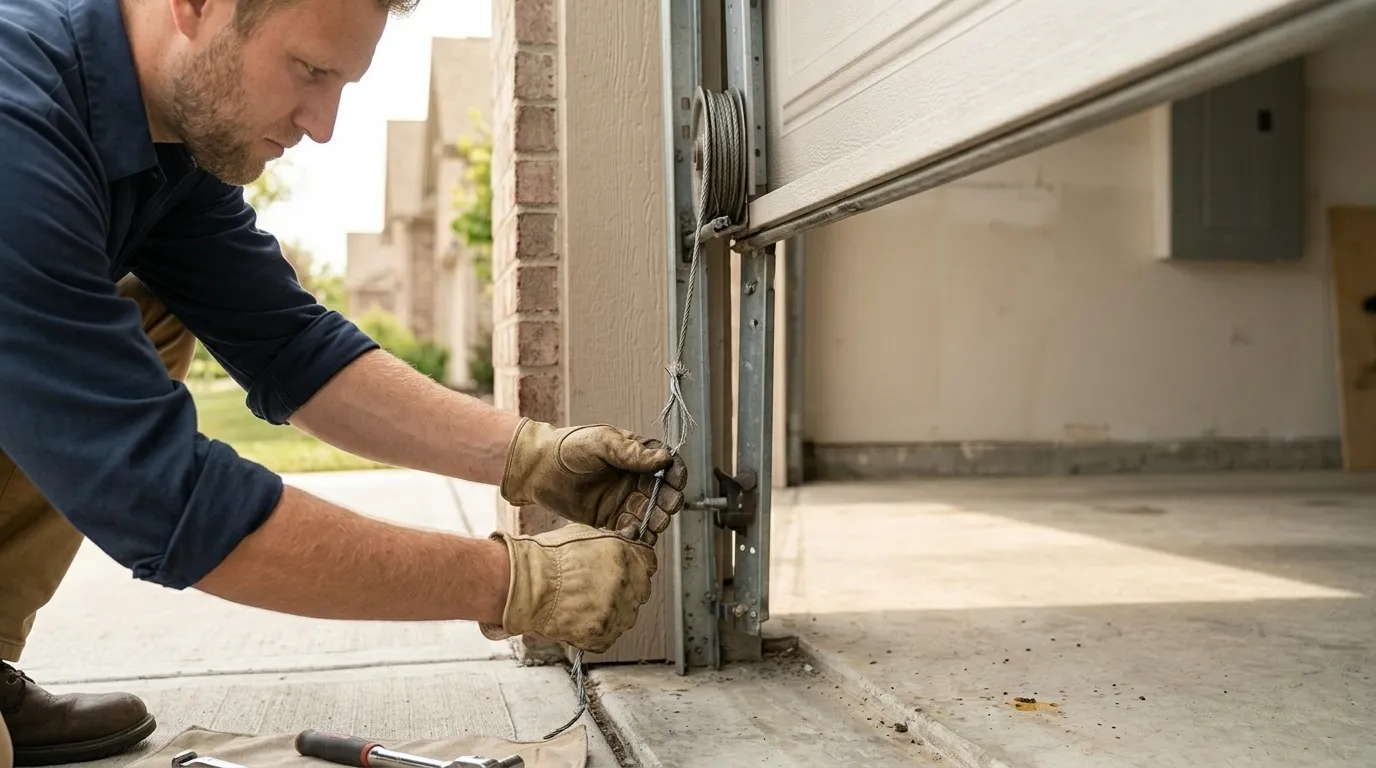
This area sits in a cold, severe winter climate zone, and hardware from the early-to-mid 1980s wasn't built with today's cold-rated lubricants or weatherstripping in mind. On a door that age, the symptoms of winter stress show up as a spring that snaps on the first sub-zero morning, a nylon roller that's gone brittle and chipped, or a cable that's frayed from years of contracting and expanding with the temperature swings. None of that is unique to any one house - it's what 35-to-40-year-old torsion hardware does in this climate, regardless of how well the house has otherwise been kept. If your door is on the newer end of that 1984 median, you're more likely dealing with a worn opener gear or a sensor knocked out of alignment than a spring that's actually failed. Either way, the fix starts with figuring out which era of hardware is actually on your garage, not assuming it matches the house's build year.
How it works
From “it’s stuck” to “it’s fixed”
1
Tell us what’s wrong
Describe the symptom - won’t open, loud bang, opener runs but the door won’t move.
2
On-site diagnosis
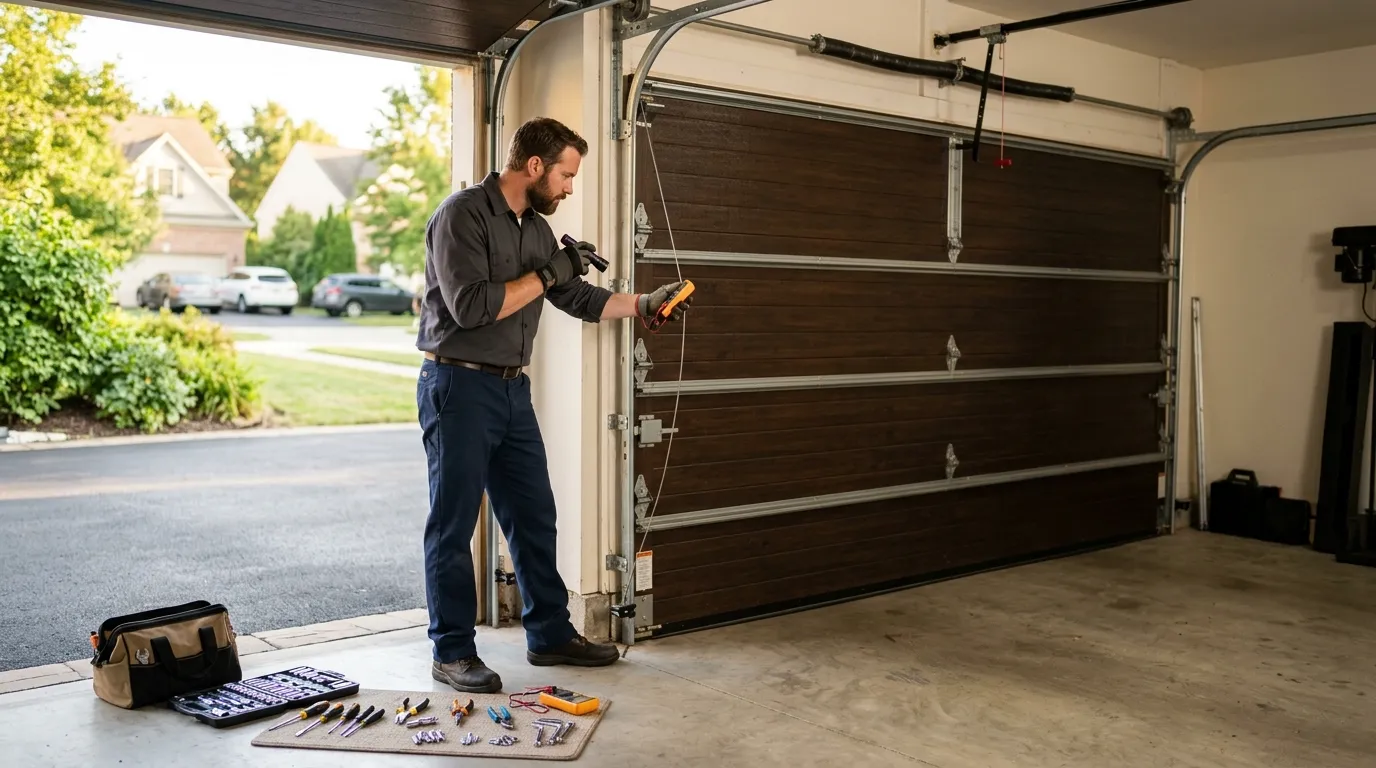
A technician tests the door under power and by hand and finds what actually failed.
3
Clear, up-front plan
You get the fix that’s needed and what drives the cost - before any work starts.
4
Repaired & tested
The repair is done, the door is set true and tested, and the work area left clean.
Serving Hugo, MN - tell us what your door’s doing and we’ll take it from there.
About 10 miles. We don't keep a truck stationed in Columbus, so we schedule visits out here rather than treat it as a drop-in stop, but it's a routine trip for us and not an unusual distance.
My house was built in the 1980s - does that tell you what parts I need?
It narrows things down but doesn't settle it. The median build year here is 1984, right at the point when torsion hardware setups were shifting. We check the actual door and springs on site rather than guessing from the house's age alone.
Do you work on doors under a builder's warranty?
No, not while that warranty is active. Touching it can void your coverage, so we'll tell you to go back to the original installer first and pick up the job once that warranty period ends.
Why did my spring snap on such a cold morning?
Cold makes metal contract and lubricant thicken, so a spring that was already near the end of its life is more likely to fail on a hard freeze than on a mild day. It's common on original hardware from the early-to-mid 1980s in this climate.
Ready to get your garage door sorted?
Tell us what it’s doing and where you are in Hugo - we’ll take it from there.