What Neighbours Usually Call About
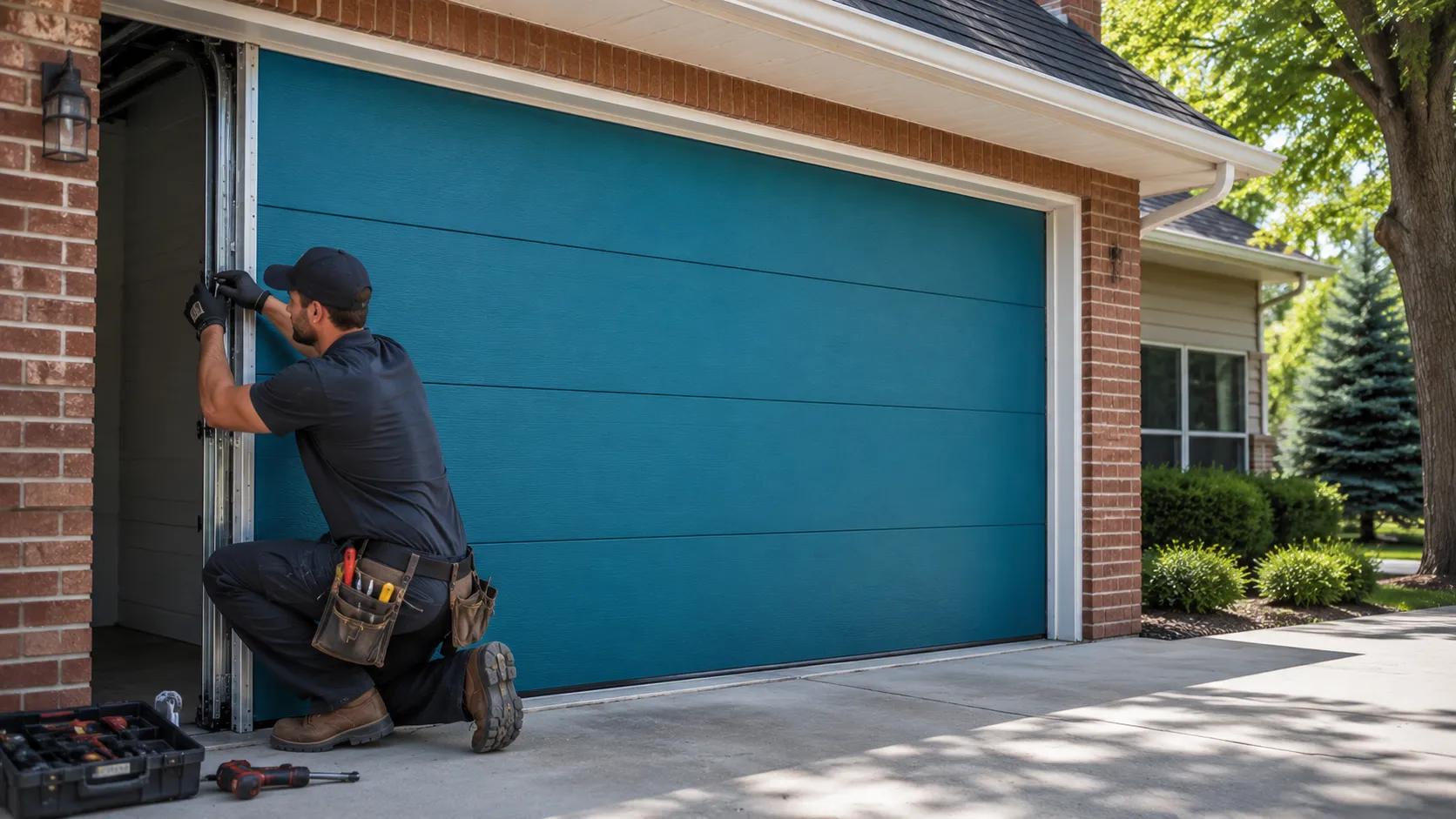
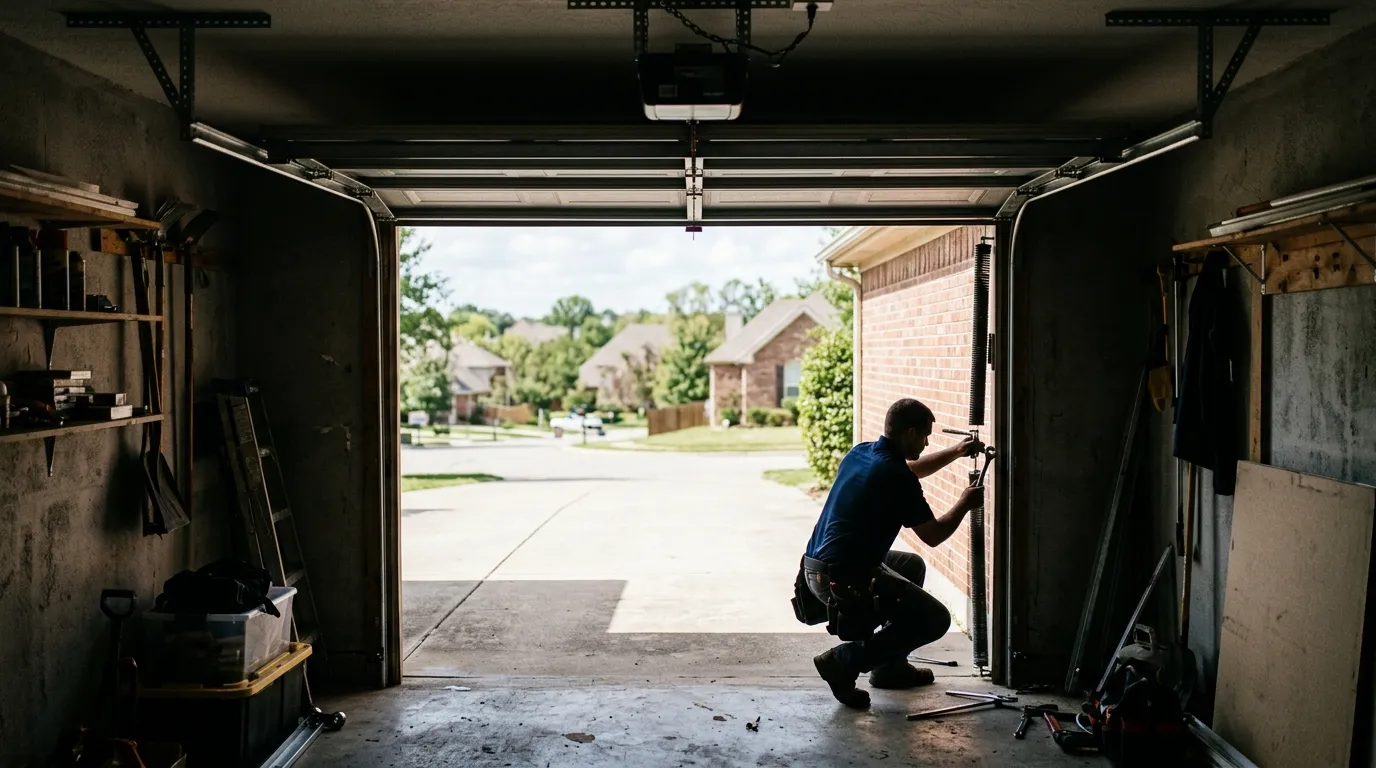
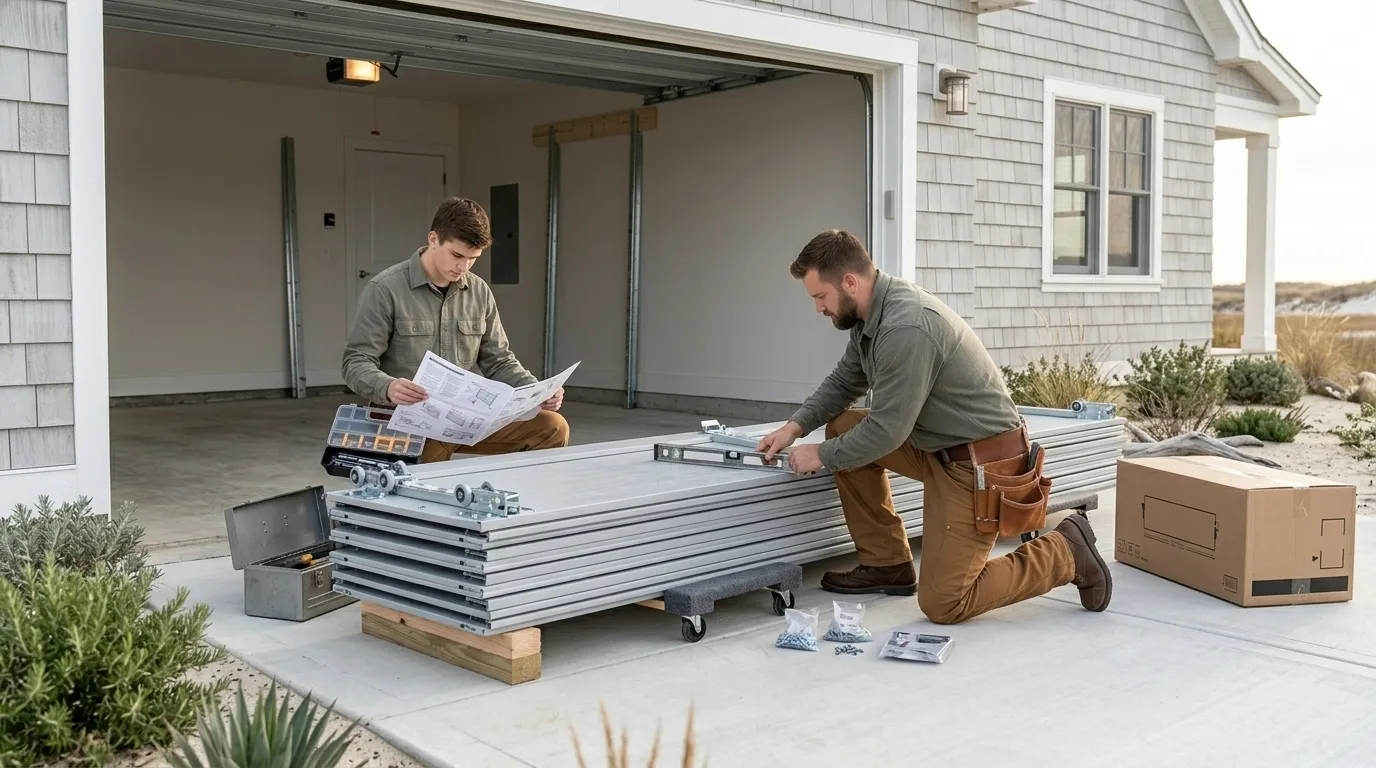
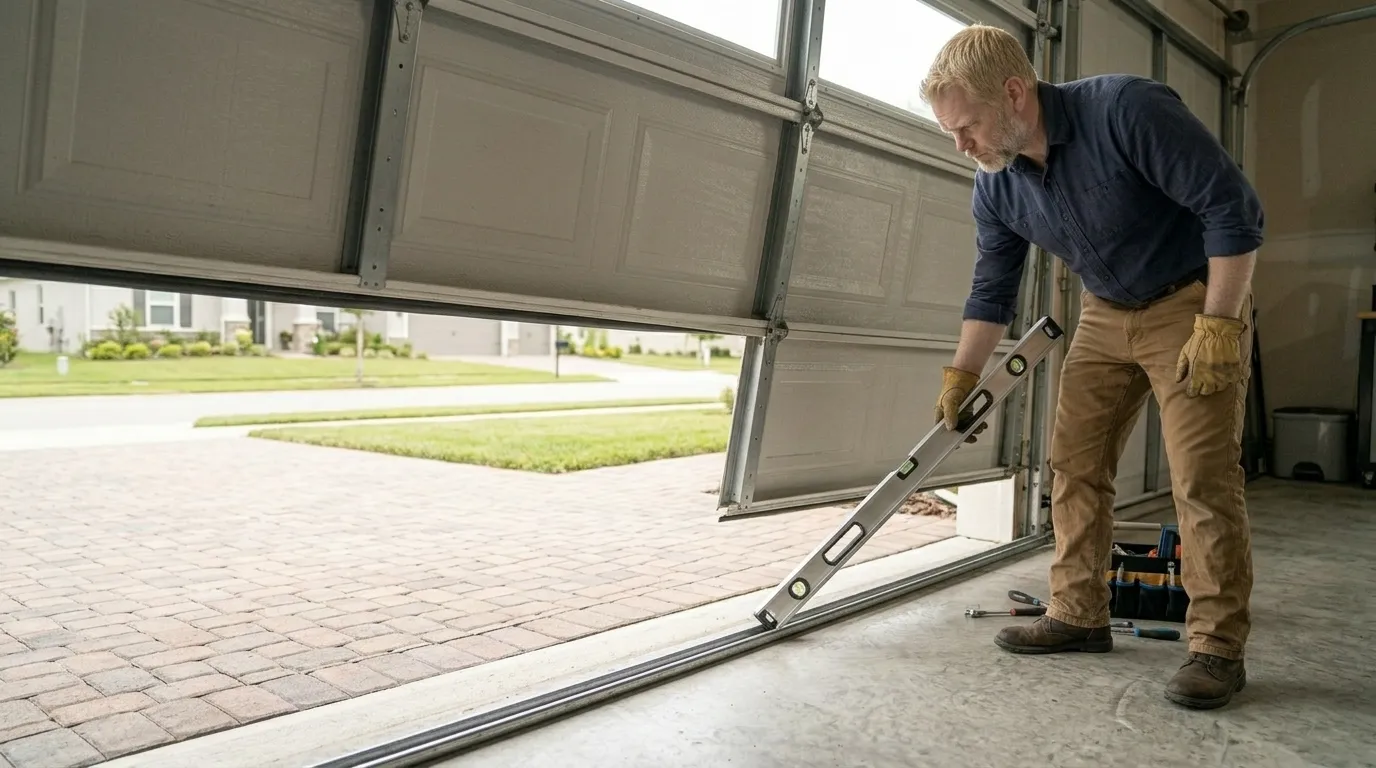
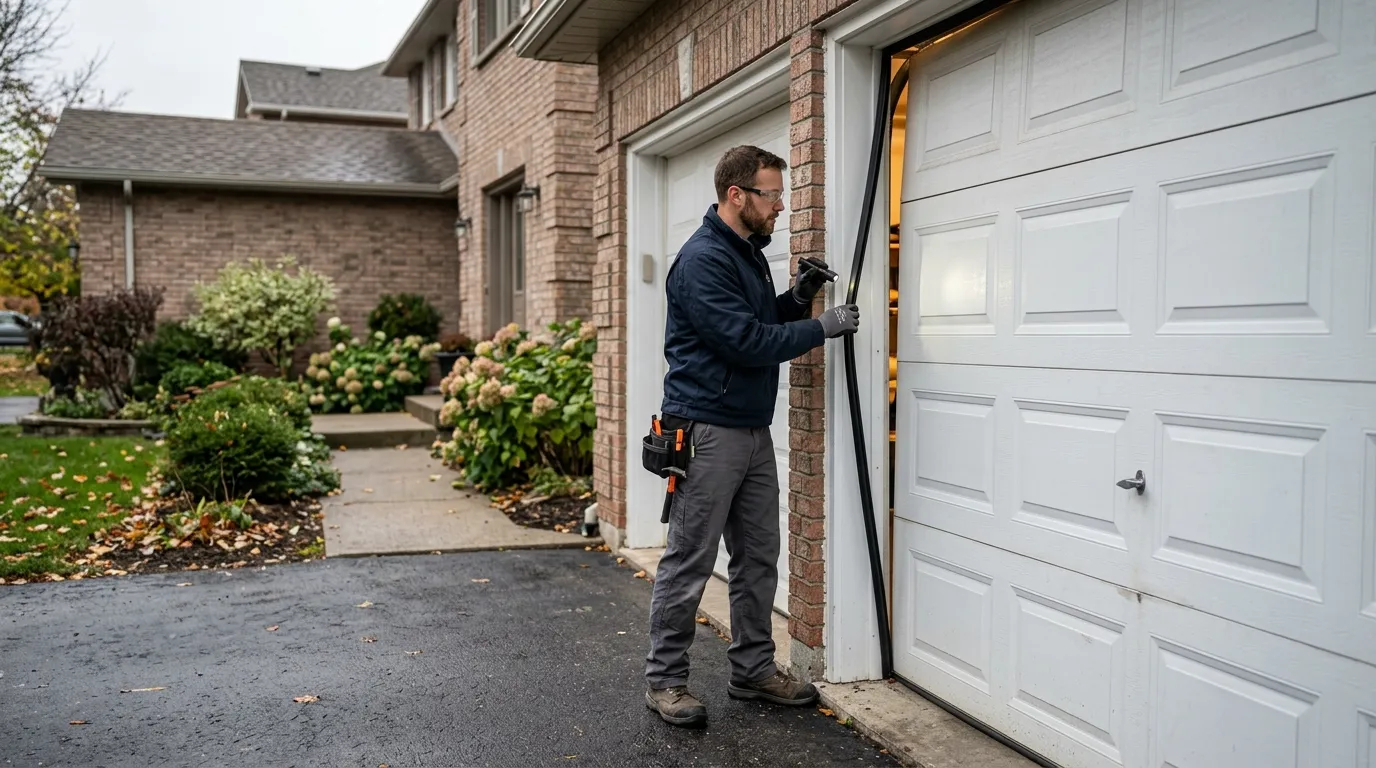
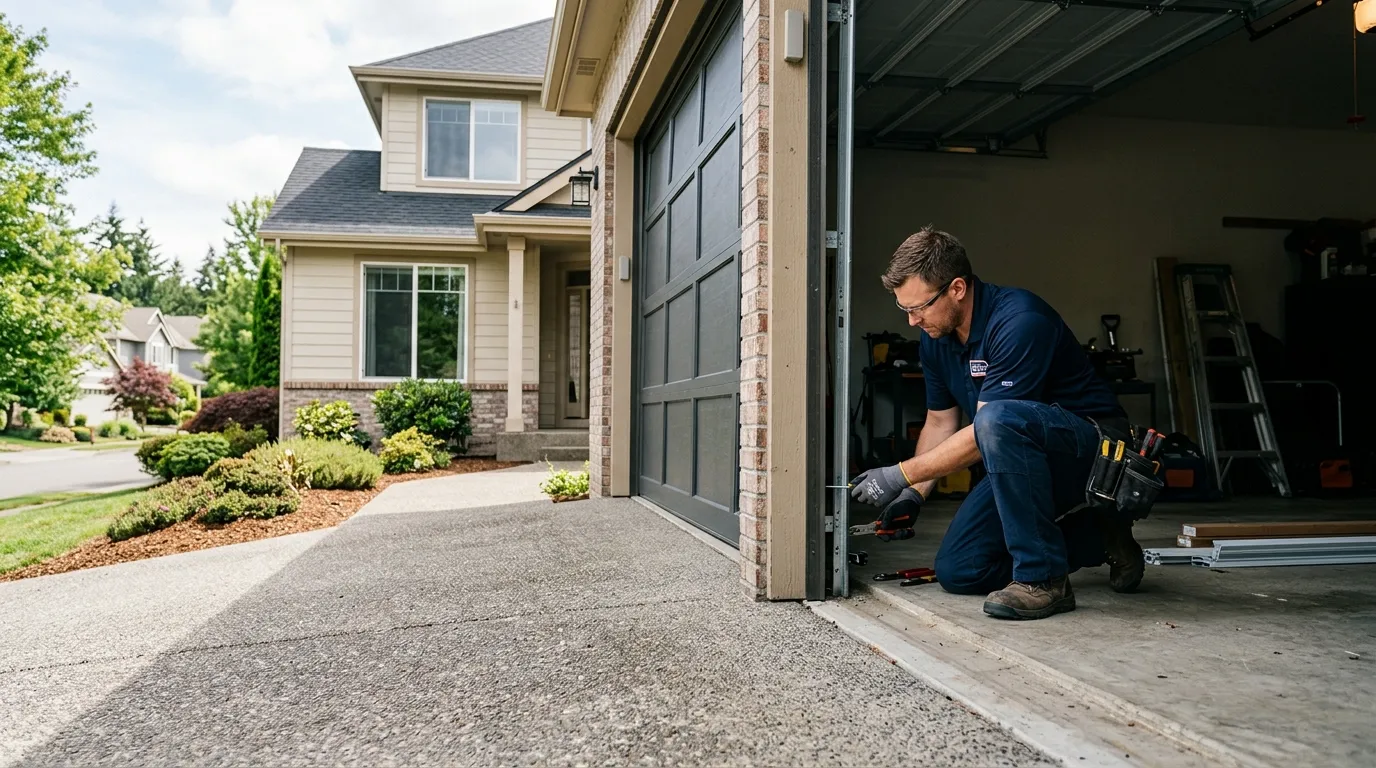
Lake Elmo's housing stock runs newer than most of the towns we cover out of Hugo - this area's median build year sits around 2002, decades past the roughly-1980 median for the wider service area. That gap changes the calls we get here. Fewer people call about a warped one-piece wood door from the 1970s; more call about a steel sectional door on a factory-installed extension-spring setup that's twelve to twenty years old and finally showing it - a stretched spring, a noisy roller, a sensor that's gone flaky.
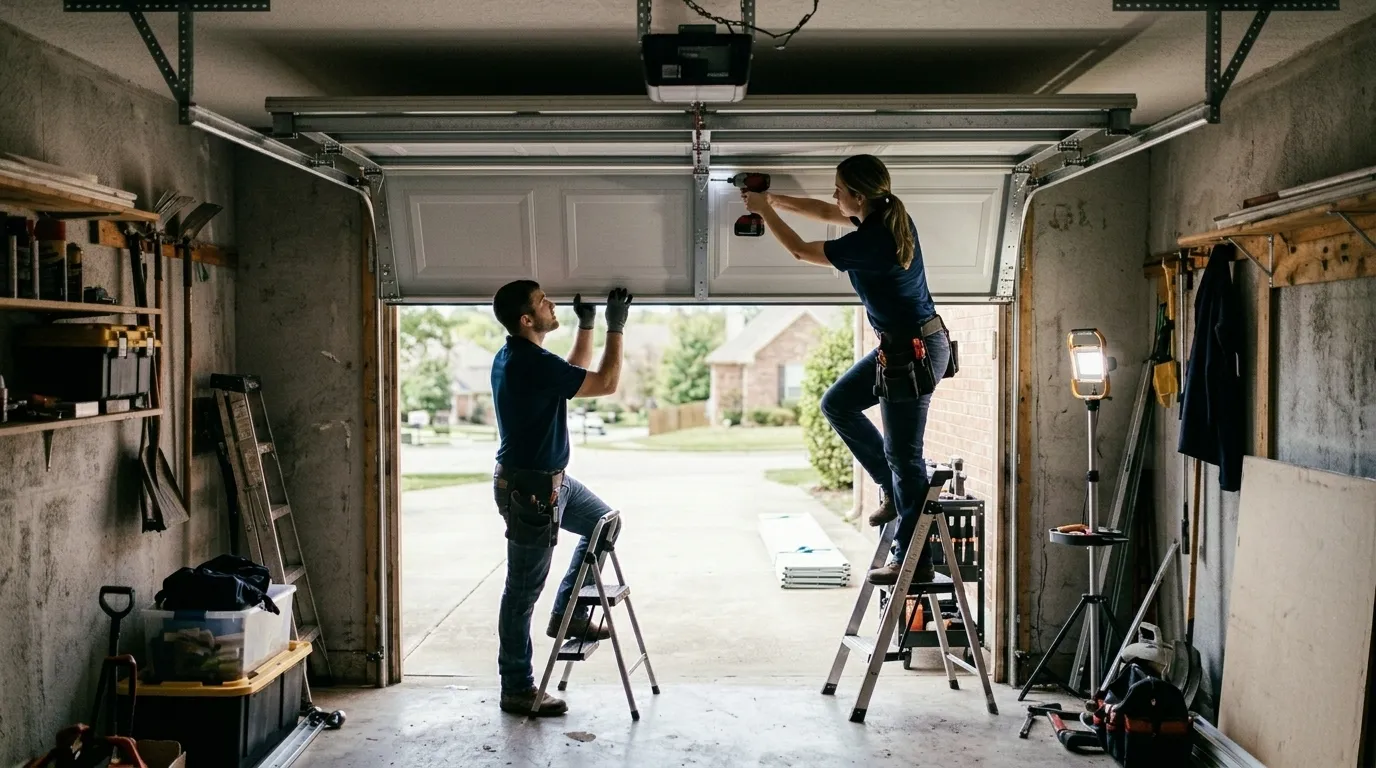
We also hear from owners whose opener is the original builder unit, still running but starting to grind or stall partway up. On a newer subdivision like this, that's usually the first opener the house has ever had, and it's reaching the age where the gearing or the logic board goes before anything else does.
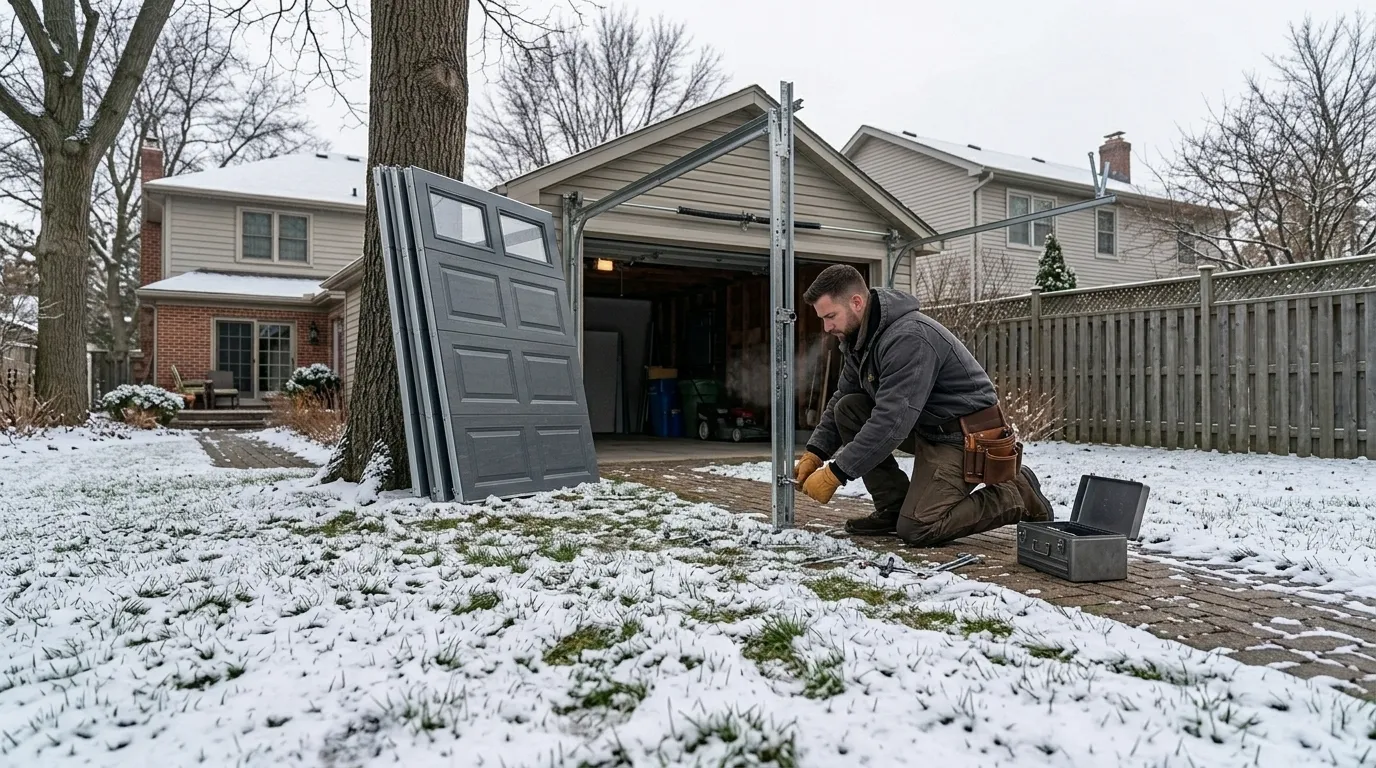
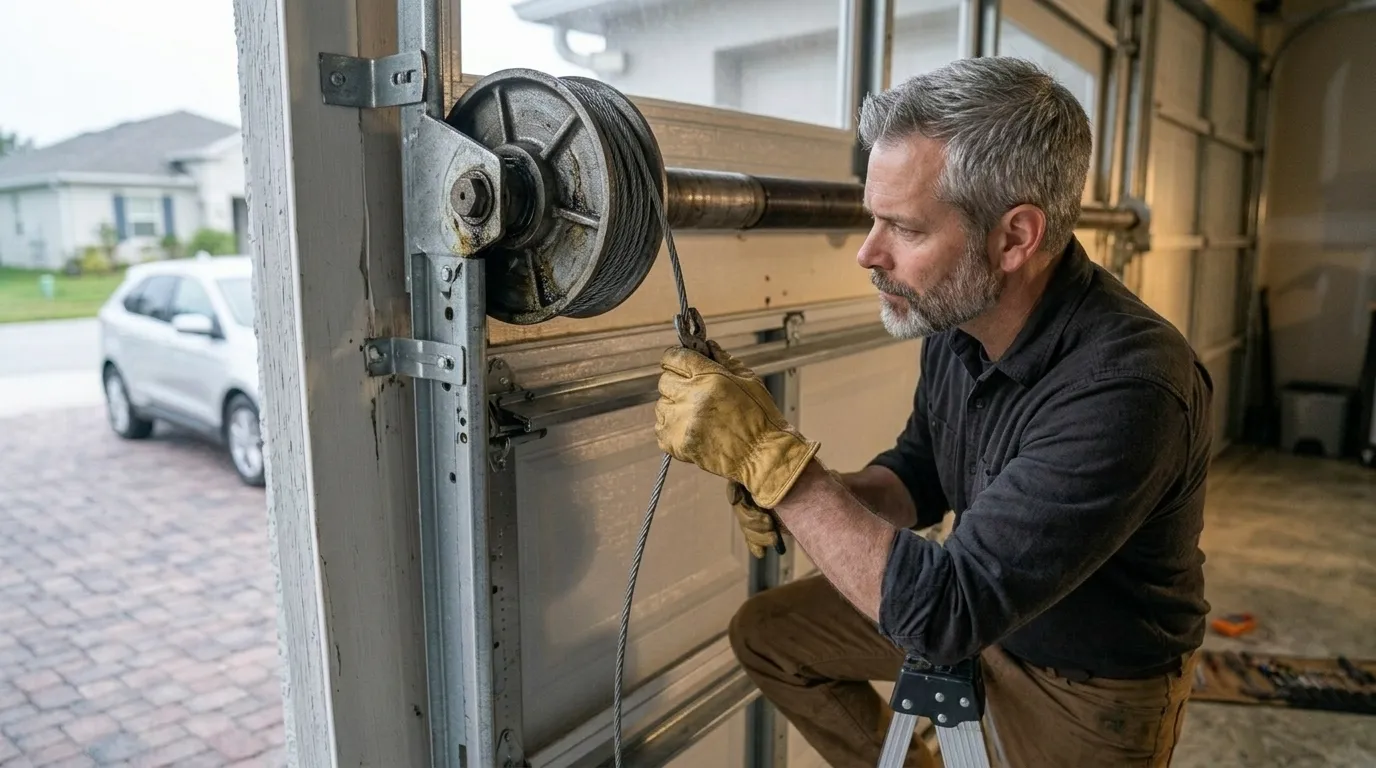
Cold-weather calls are common too, since this whole area sits in a severe cold climate band - a spring or cable that's been marginal all year often lets go on the first hard freeze, not before.
This Area's Housing
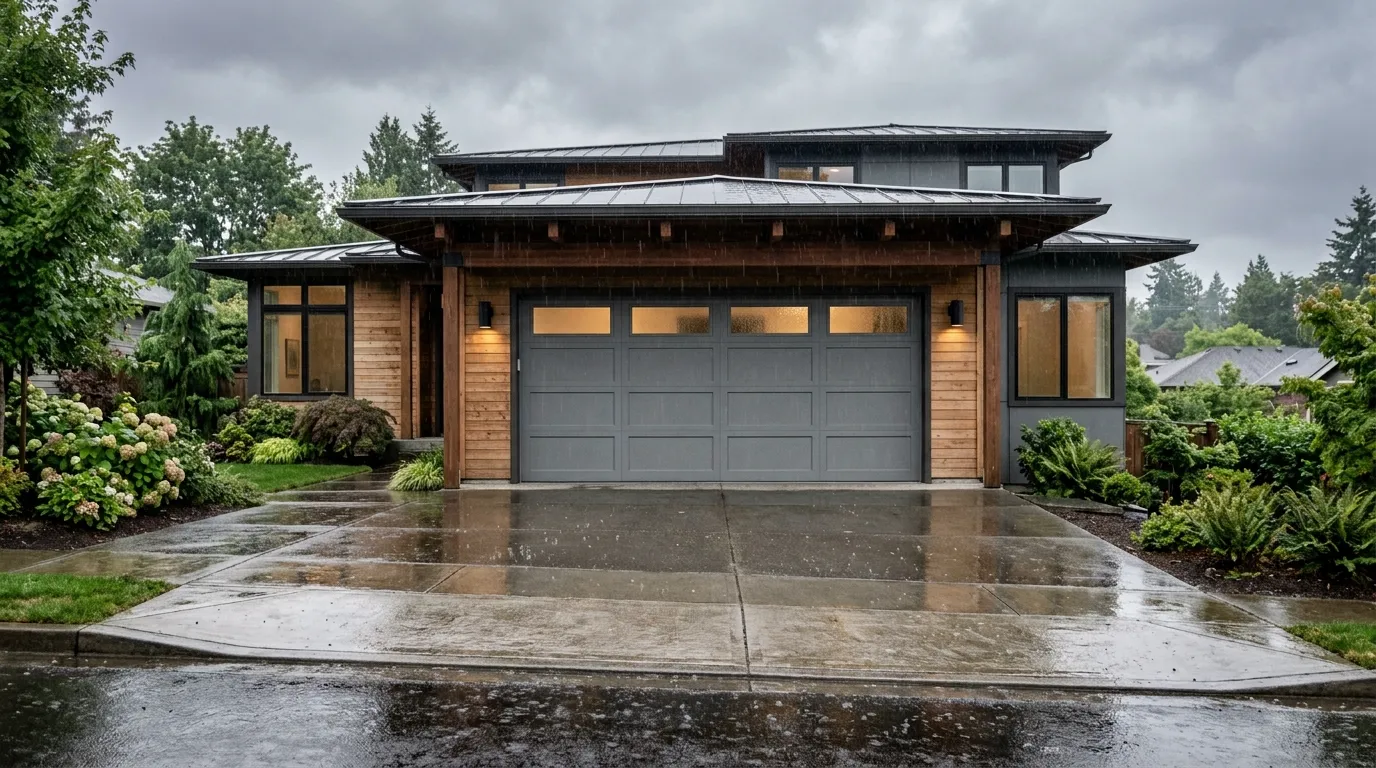
With a median build year around 2002, Lake Elmo's housing is noticeably newer than the roughly 1950-2002 range and 1980 median that describes the broader area we cover from Hugo. That means fewer of the retrofit oddities you find in older housing stock - hand-me-down hardware, mismatched panel replacements, doors resized to fit an opening that isn't standard anymore.
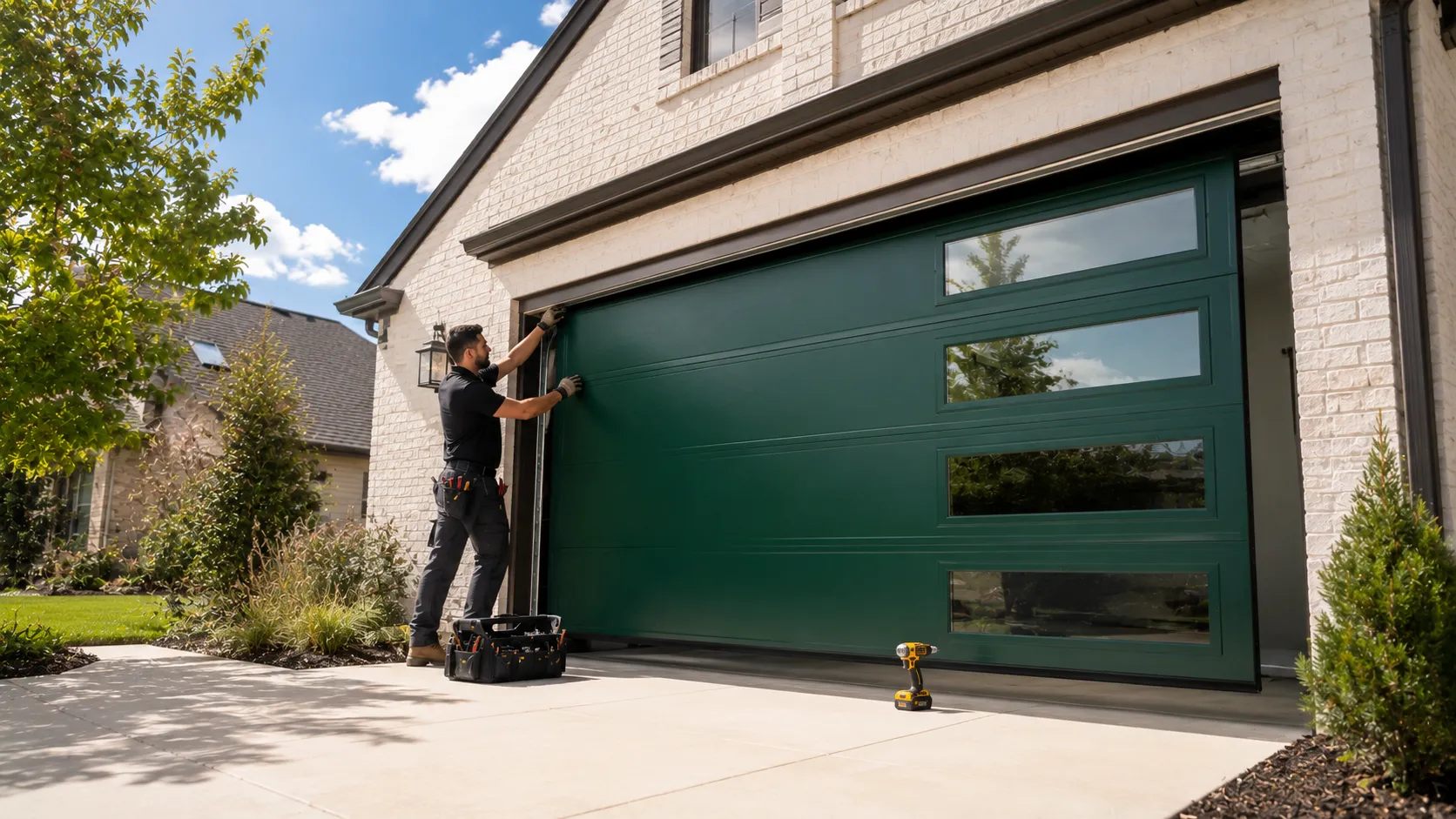
At roughly 4,575 households and a median income near $153,407, this pocket also runs well above the service area's overall median household income of $100,759. In practical terms, we see more owners here asking for insulated steel doors, quieter belt-drive openers, and smart-opener upgrades rather than the cheapest like-for-like swap. That's not a guess about taste - it tracks with the income gap and the newer housing itself, which was largely built to accommodate two-car attached garages with taller, wider openings than older stock in this region.