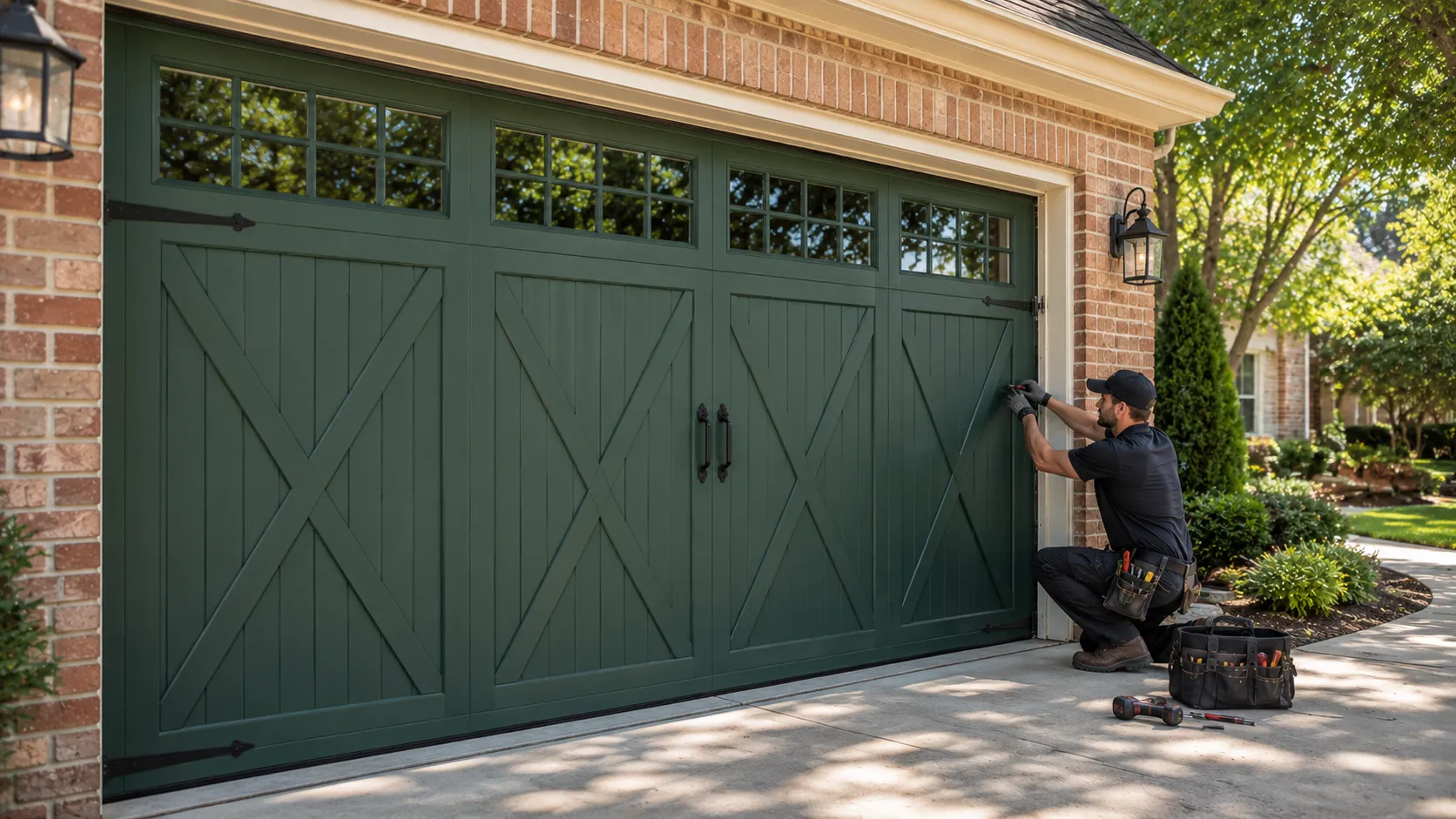
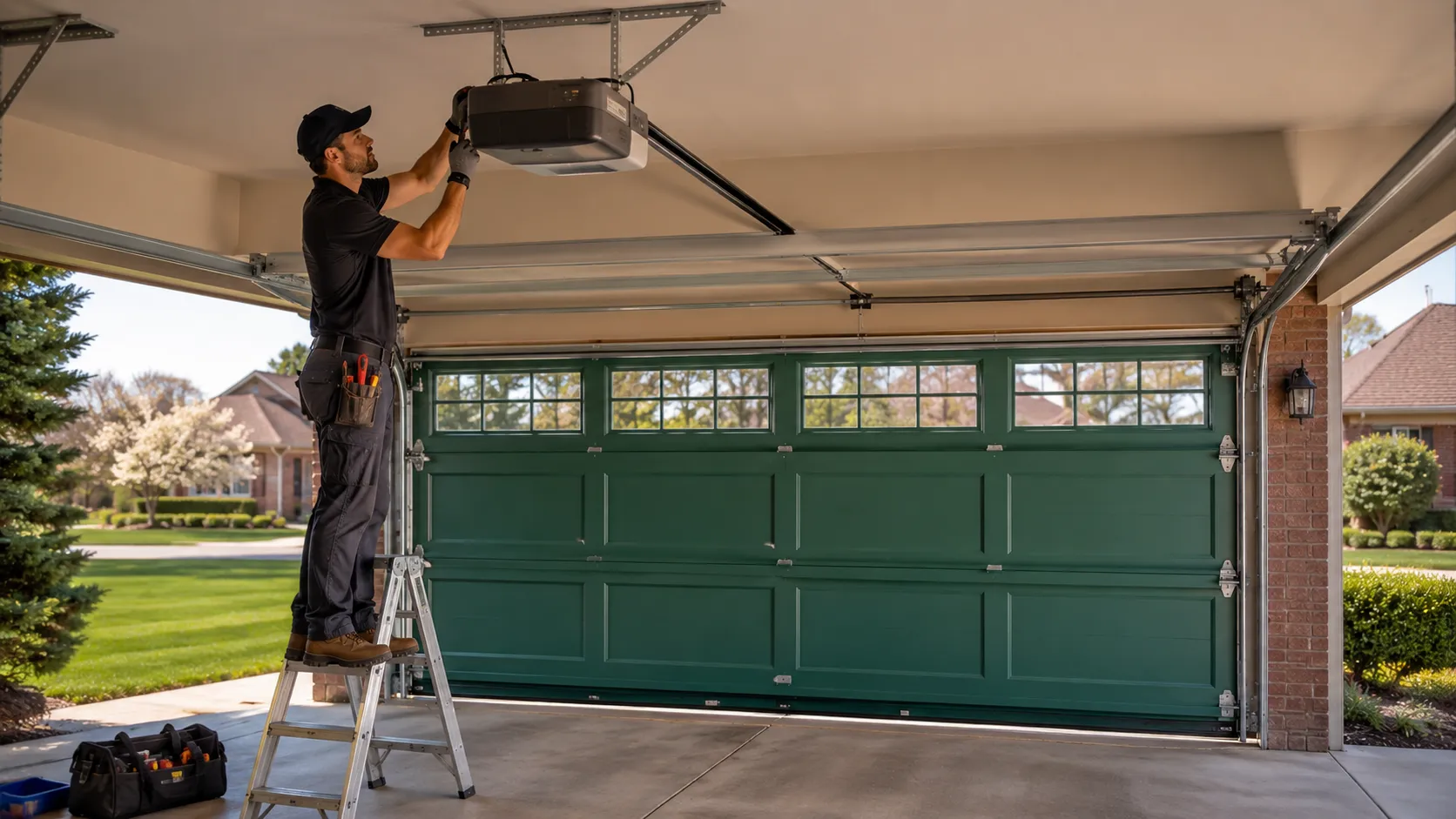
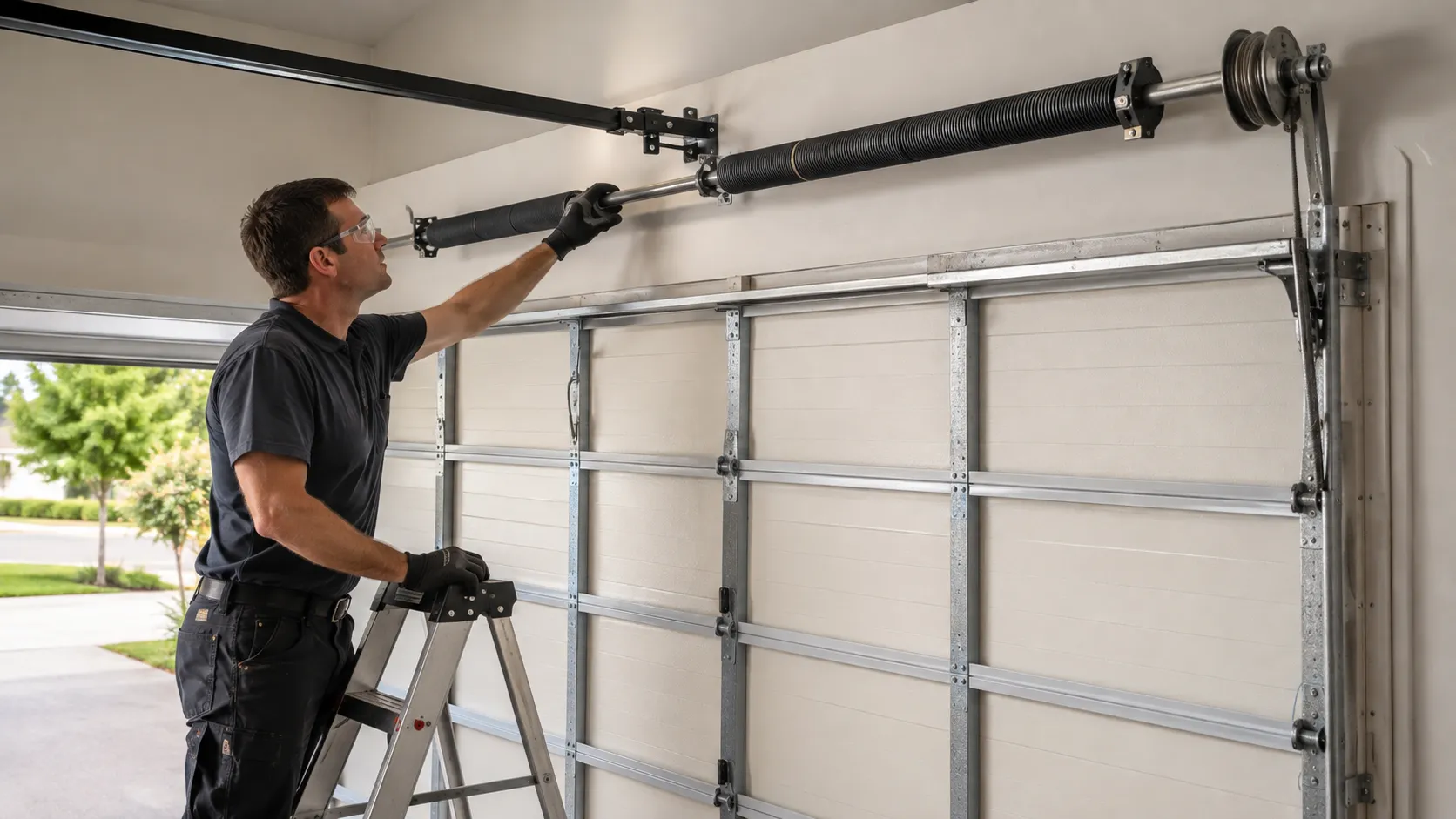
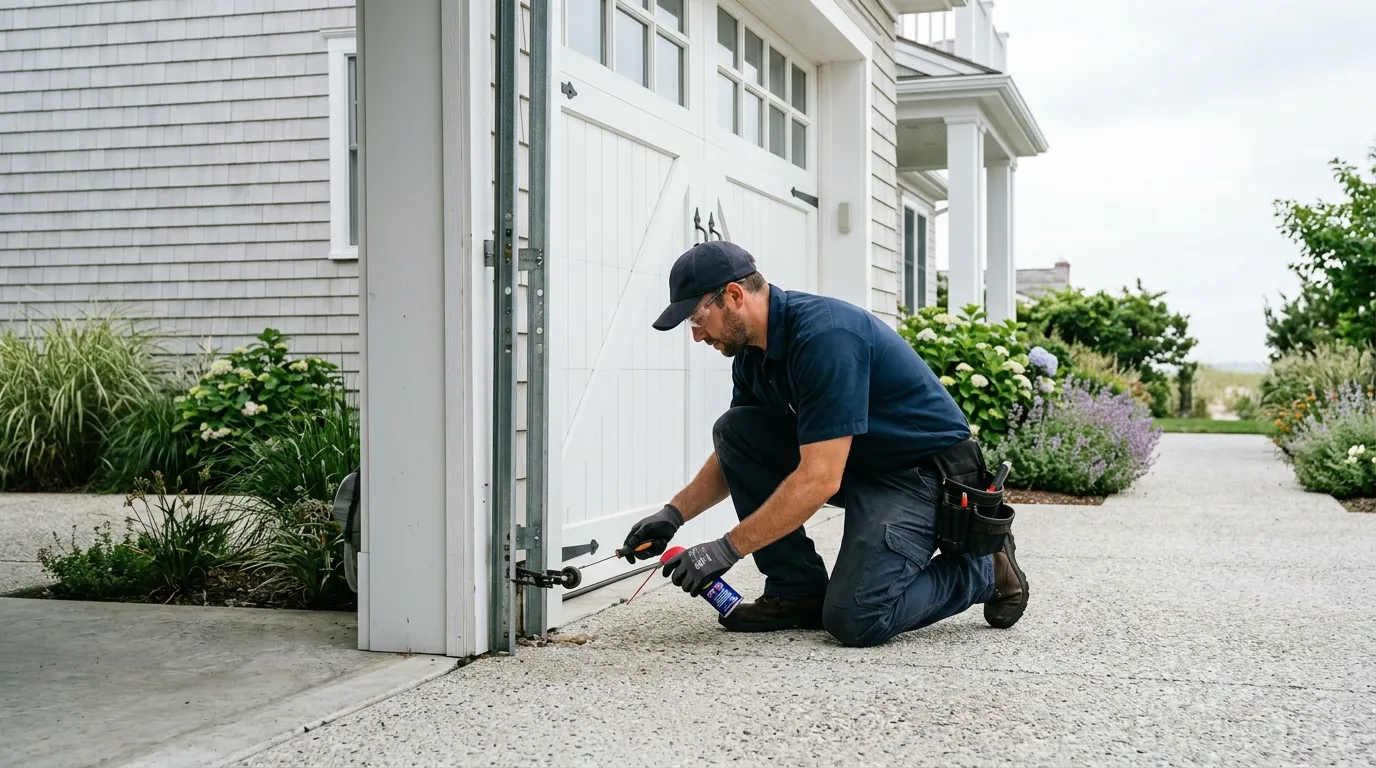
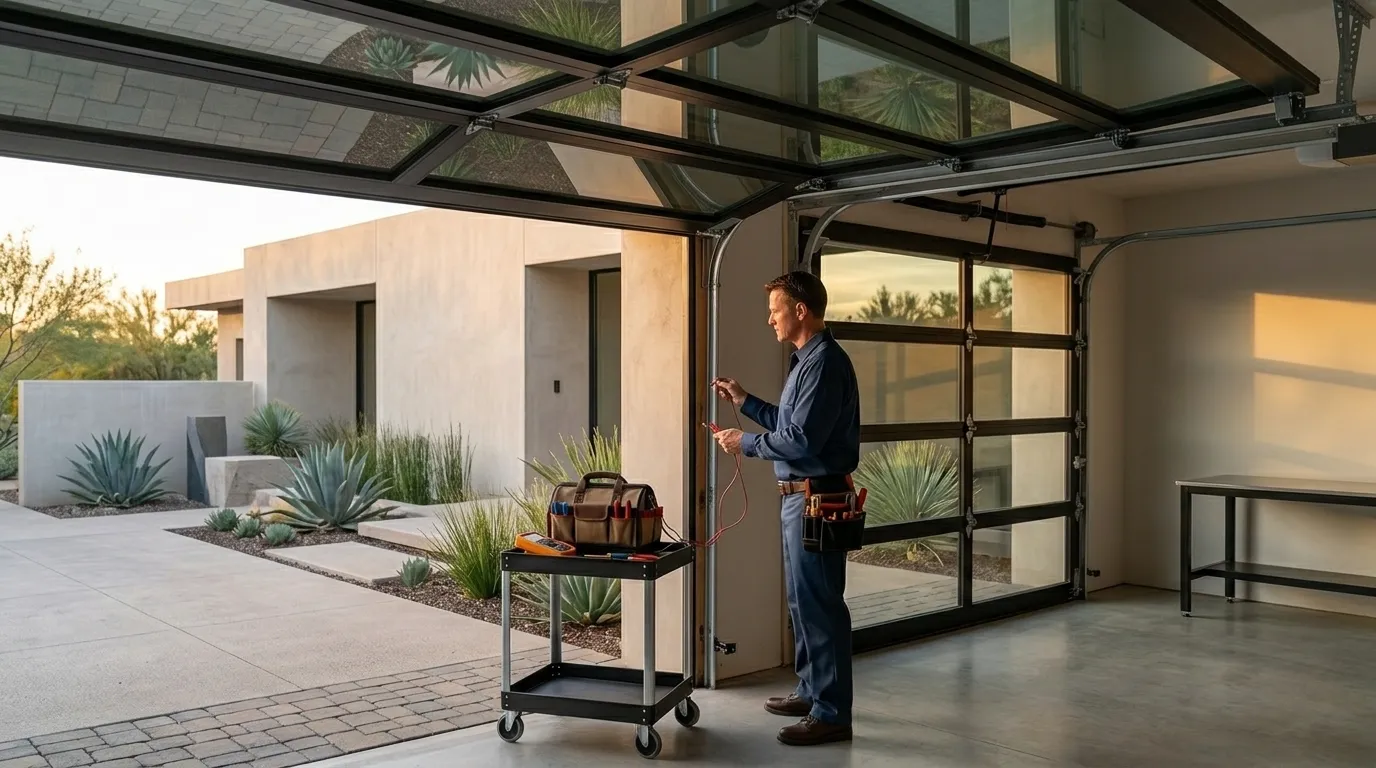
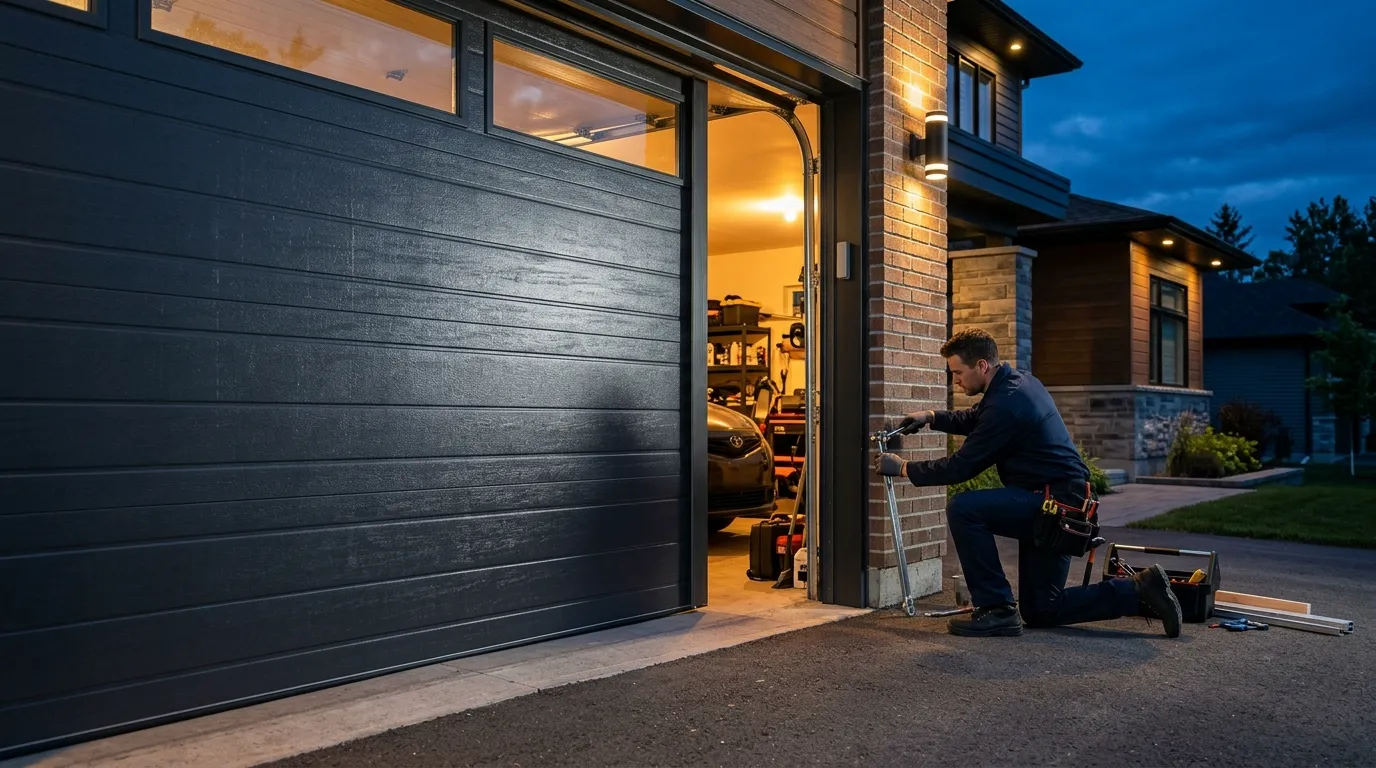
Hugo Garage Door Pros serves Chisago City's 1980s-era homes, 13 miles from our Hugo shop, with spring, opener, and track repairs built for Minnesota cold.
We're honest about the drive. Chisago City sits about 13 miles from our shop in Hugo, so we don't offer same-day emergency response the way we might for a job five minutes from the truck. If your spring lets go at 6am on a work day, call us, but know that a closer outfit might get there faster. We also won't try to repair a torsion spring system that's mismatched or hand-rigged from a prior DIY job - that gets replaced correctly, not patched. And if a door's steel skin has rusted through from years of road salt runoff pooling at the bottom panel, we'll tell you replacement is the better spend before we quote a repair that won't hold.
We don't install openers with no manual release backup, and we don't recommend keeping a single spring on a double-wide door when the second has already failed once - replace both or expect to be back within the year. Those aren't upsells, they're just what holds up in a Minnesota winter.
What Neighbours Usually Call About
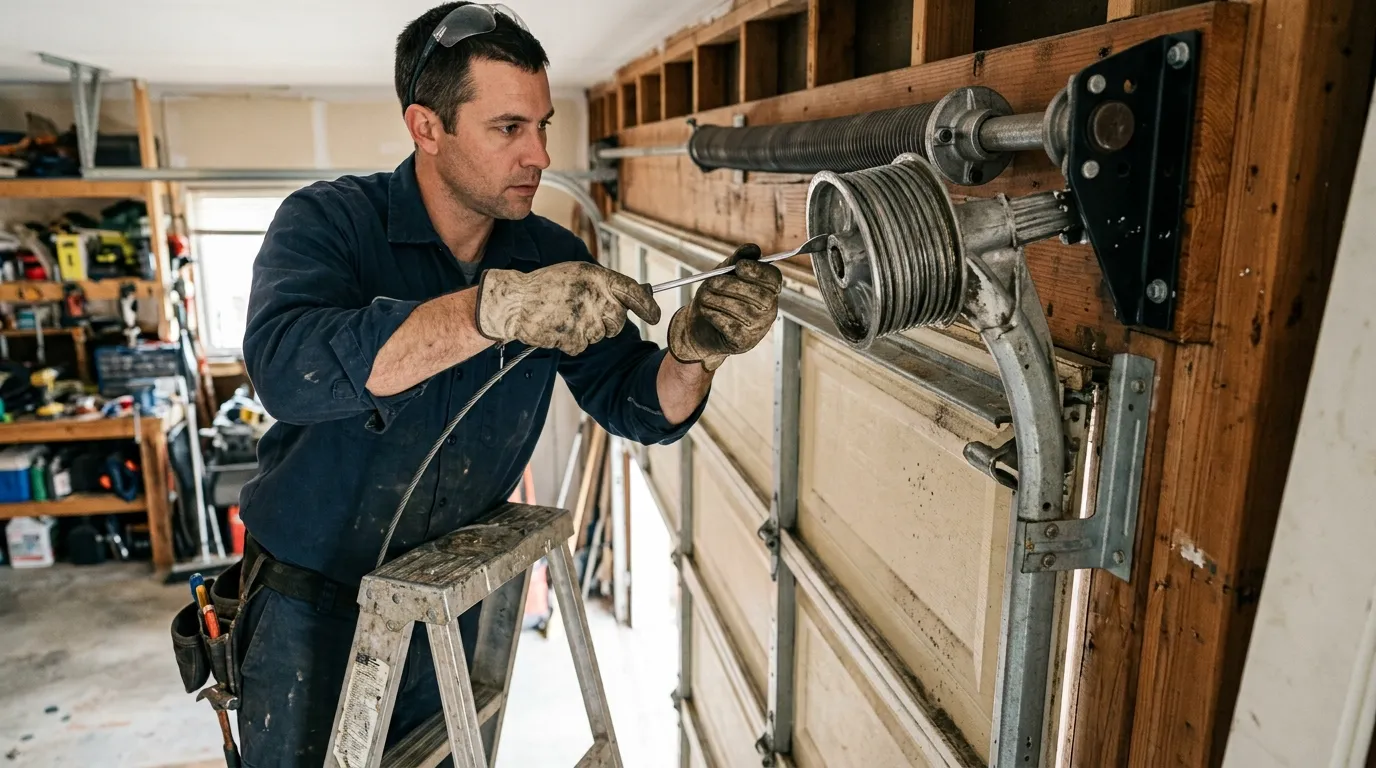
With a median household income around $96,964 and roughly 2,236 households in the area, a lot of what we see here is maintenance that got pushed a season too long, not neglect. Openers from the late 80s and early 90s losing their logic boards. Torsion springs rated for the original door weight now straining under a heavier insulated replacement panel someone swapped in without upgrading the spring. Rollers that have gone from nylon to metal-on-metal grinding because nobody's greased a track in a decade.
Cold-weather calls are common too - a door that binds and won't seat in January because the perimeter seal has hardened and the track has shifted slightly out of plumb from frost heave under the slab. None of this is exotic. It's what happens to housing stock built in a specific decade, aging at the same rate, all at once.
This Area's Housing
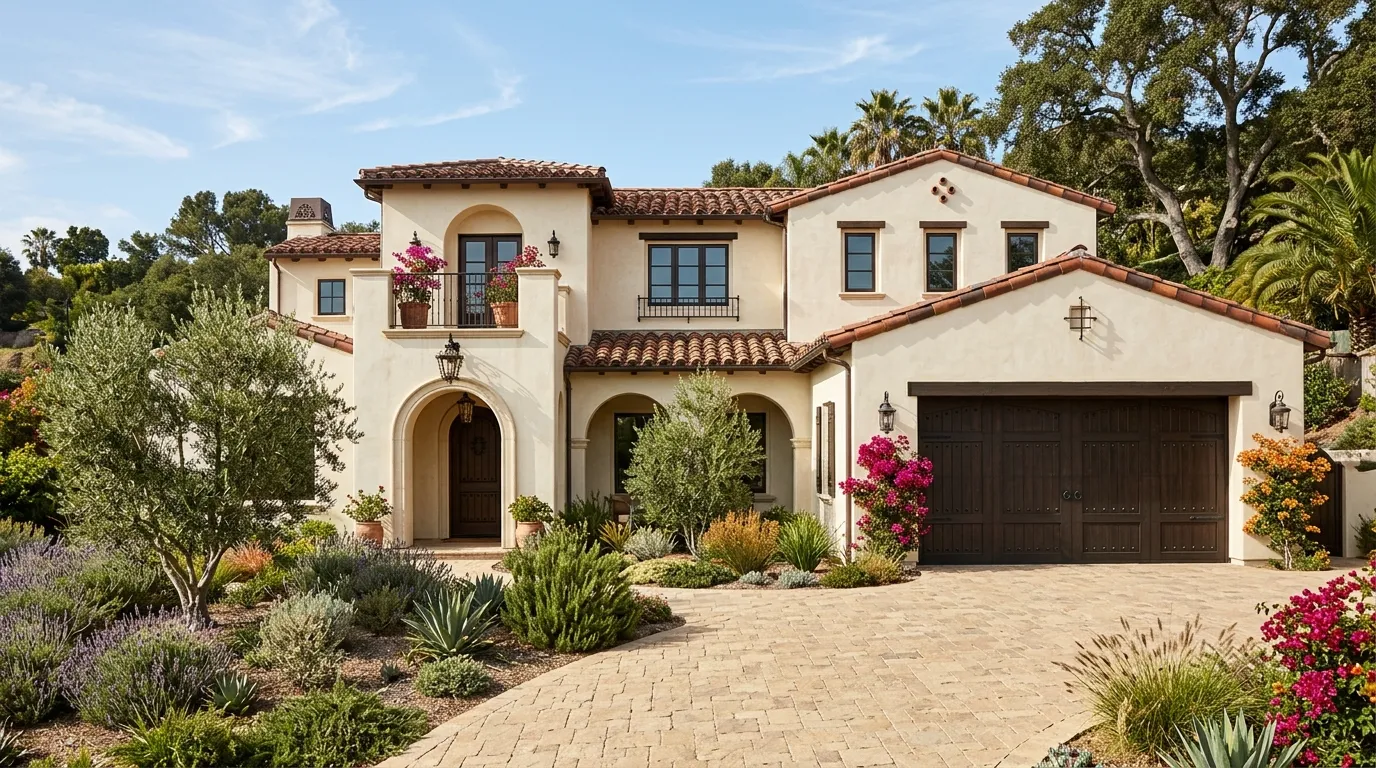
The city-wide service area spans housing built anywhere from 1950 to 2002, but Chisago City itself centers tighter - a median build year of 1989 puts most of these garages solidly in the late-80s construction wave, not the older or newer edges of that range. That matters more than it sounds like it should. A door and opener installed in 1989 is now well past its second or third hardware replacement cycle, and a lot of these houses are on their original torsion tube even if the opener's been swapped once already.
That's a narrower window than what we'd see on the parent city's page, which covers 28 named areas with housing spanning five decades. Chisago City doesn't have the pre-1960 one-piece doors some older pockets of the service territory still carry, and it doesn't have the 2000s-era builder-grade doors either. It's a fairly consistent late-80s/early-90s stock, which means the failures tend to cluster around the same age and the same handful of parts.
What That Means for Doors
A late-80s garage door typically means galvanized torsion springs rated for a lighter, non-insulated panel - and a lot of homeowners have since added or replaced the door with a heavier insulated model without re-rating the spring. That's the single most common mismatch we find here. It shows up as an opener straining, grinding, or stalling partway up, long before the spring itself actually snaps.
Extension spring setups are less common in this build era than in older housing, but where they show up, the safety cables are often missing or degraded - those weren't universally required when these doors went in. We check for that on every service call regardless of what we were asked to look at.
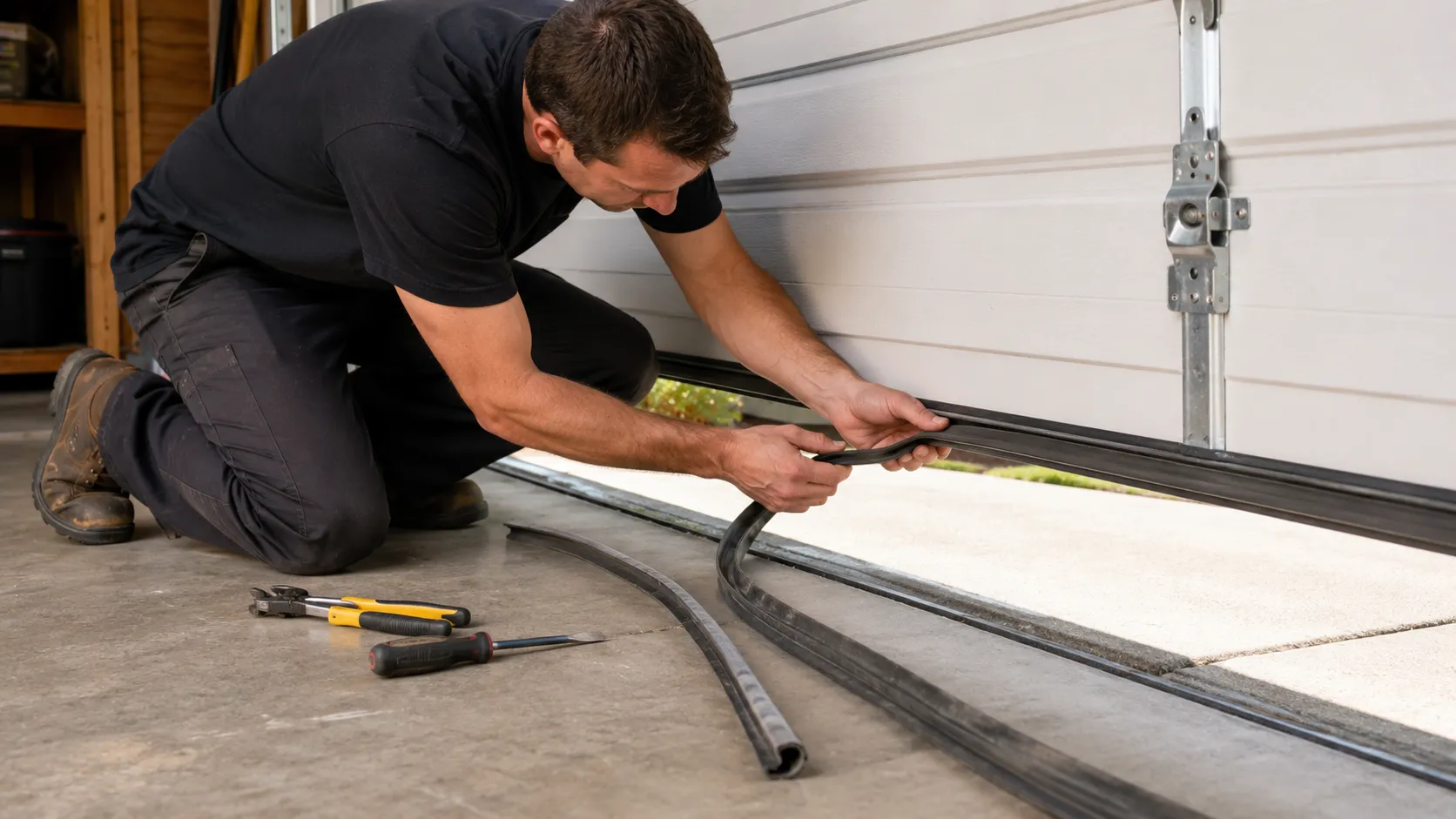
Given the cold band this region sits in, weatherstripping and bottom seals on doors this age are usually past useful life - not because they're bad seals, but because 30-plus years of freeze-thaw cracks any vinyl eventually. That's a cheap fix that gets skipped more than it should.
How it works
From “it’s stuck” to “it’s fixed”
1
Tell us what’s wrong
Describe the symptom - won’t open, loud bang, opener runs but the door won’t move.
2
On-site diagnosis
A technician tests the door under power and by hand and finds what actually failed.
3
Clear, up-front plan
You get the fix that’s needed and what drives the cost - before any work starts.
4
Repaired & tested
The repair is done, the door is set true and tested, and the work area left clean.
Serving Hugo, MN - tell us what your door’s doing and we’ll take it from there.
How far out do you travel for a service call in Chisago City?
We run out of Hugo, about 13 miles away. We do the drive, but we're upfront that we're not a local depot here, so if you need an emergency same-hour fix, factor in the travel time when you call.
Why does my 1989 garage door opener keep stalling halfway up?
On houses from this build era, it's usually a torsion spring rated for the original lighter door, now working against a heavier insulated panel installed later. The opener strains to compensate. We check spring rating against door weight before touching the opener itself.
Is it worth replacing an original late-80s door instead of repairing it?
Depends on the panel condition. If the steel's intact and it's just spring, roller, or seal wear, repair makes sense. If the skin's rusted through or the track is bent from age, we'll say so rather than quote a repair that won't last a winter.
Ready to get your garage door sorted?
Tell us what it’s doing and where you are in Hugo - we’ll take it from there.