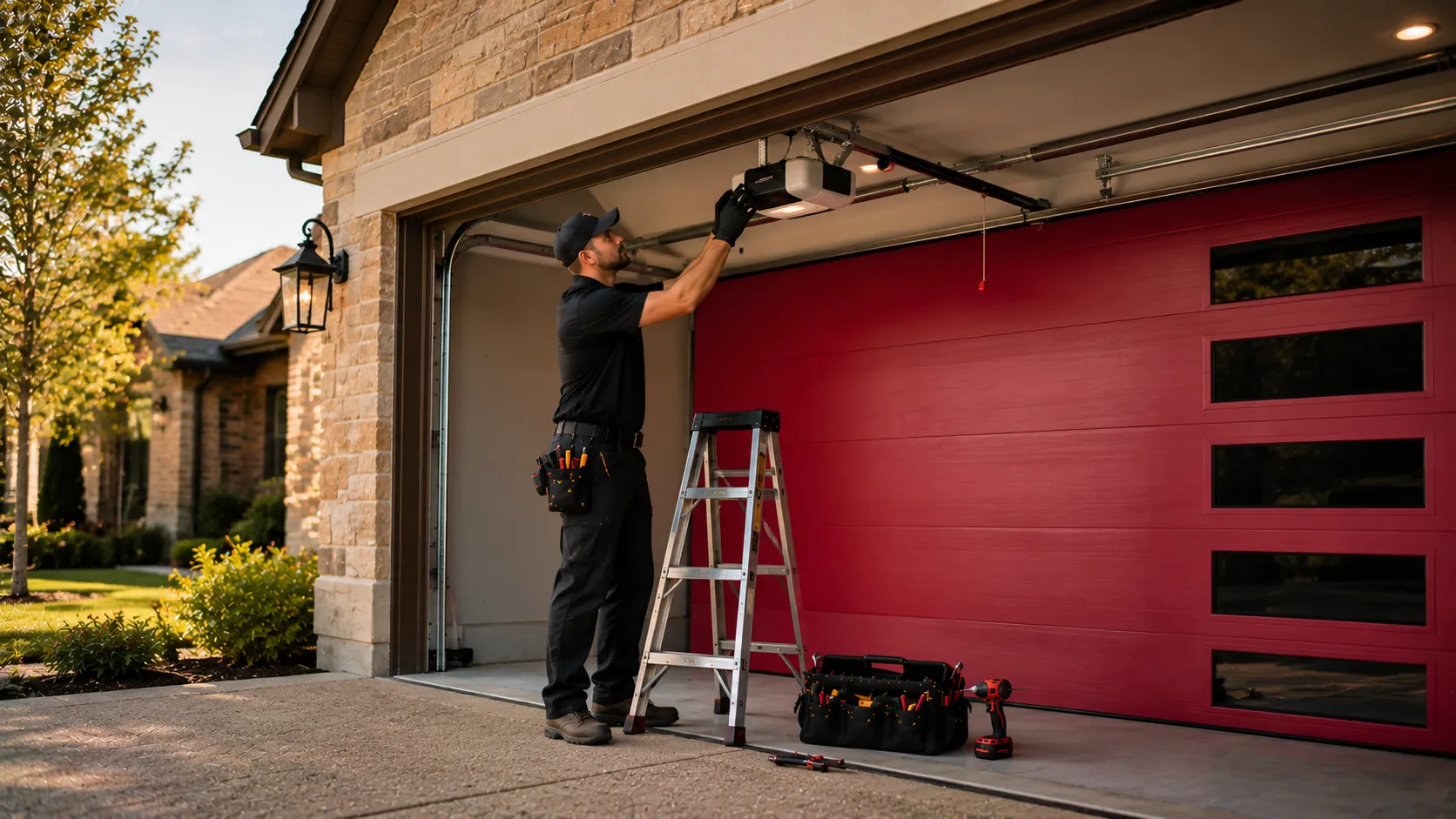
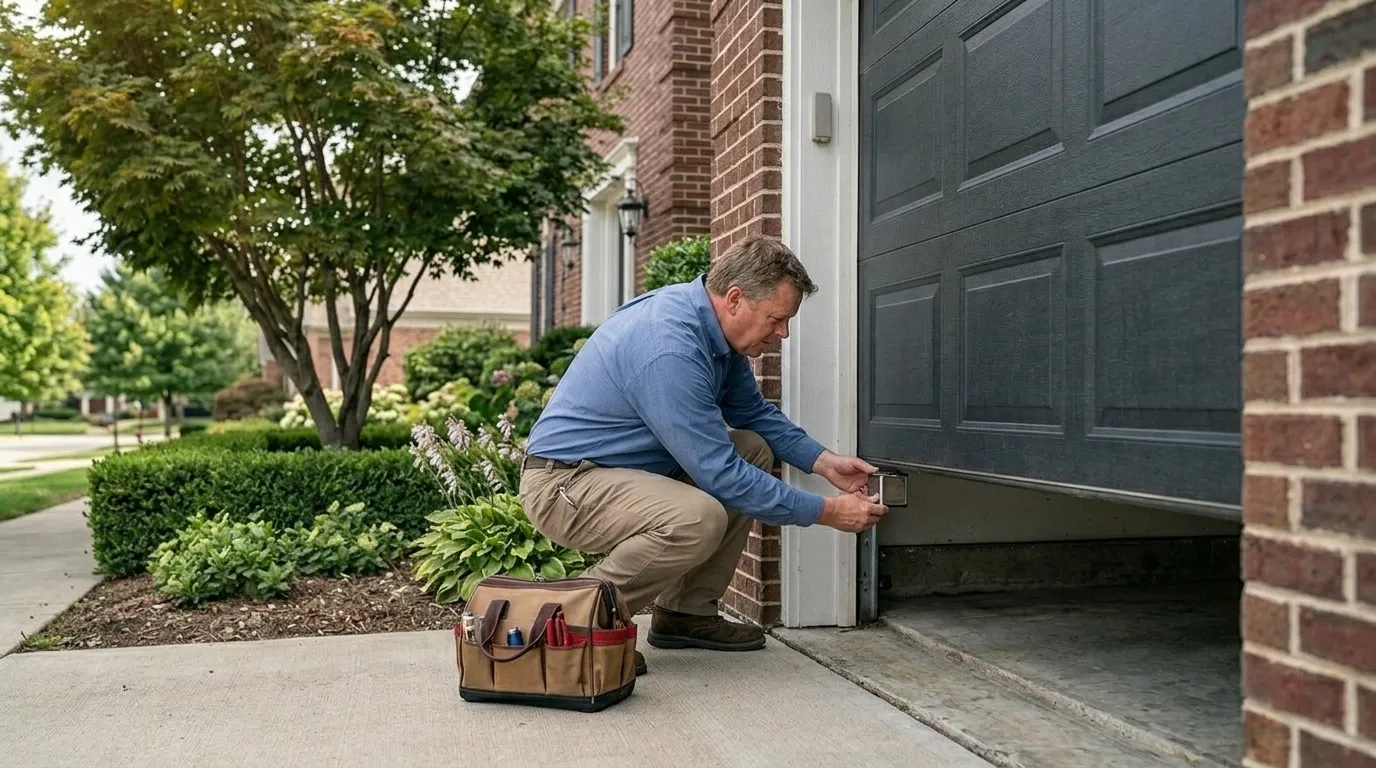
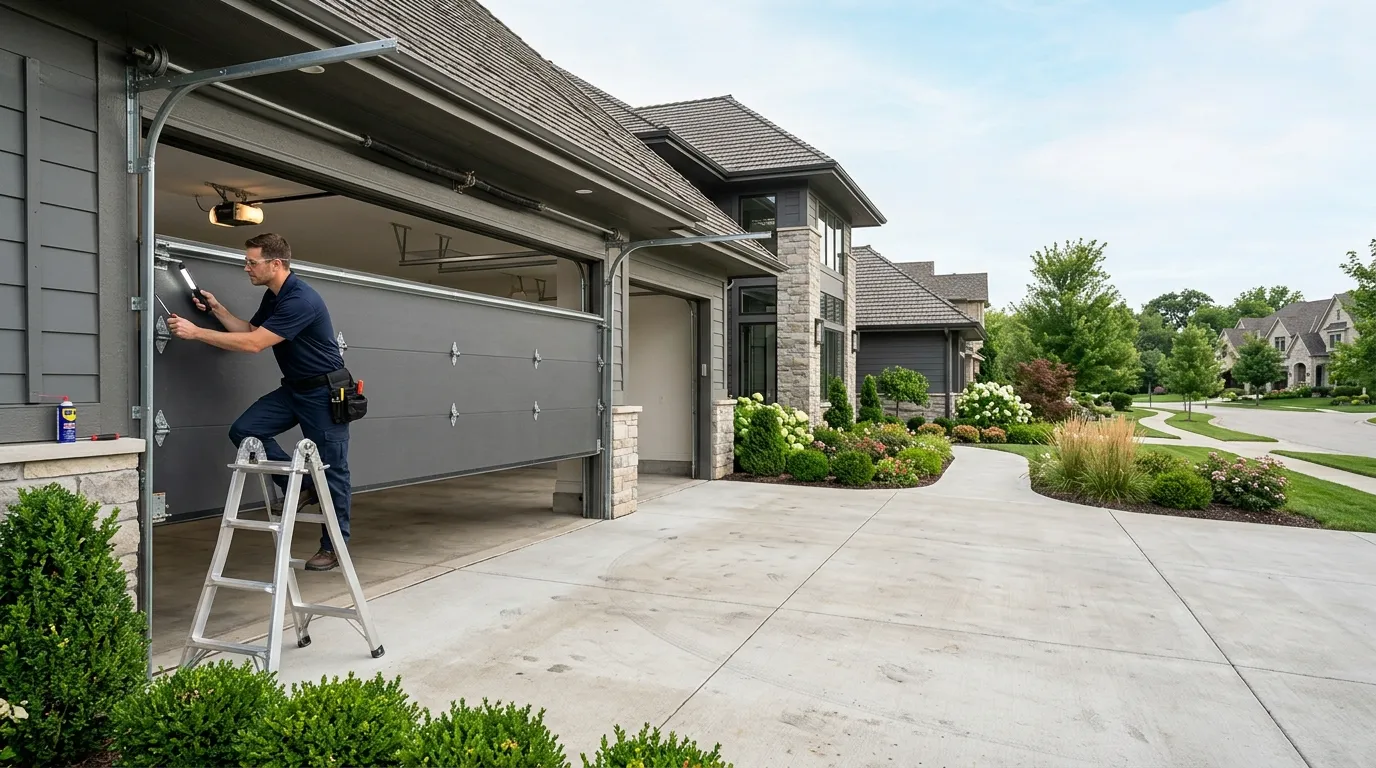
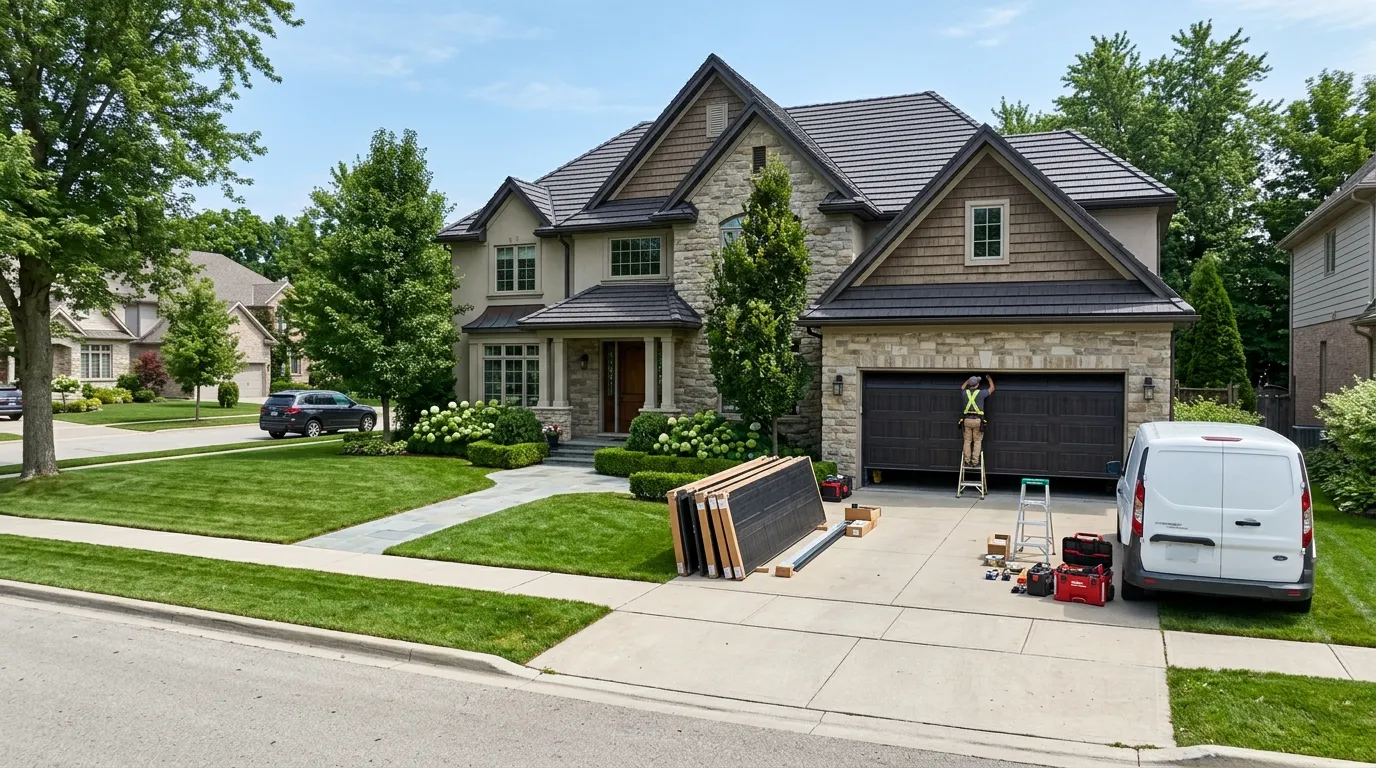
Hugo Garage Door Pros drives out to Lakeland, MN for garage door repair and replacement, matched to this area's 1970s-era housing stock and cold-climate hardware needs.
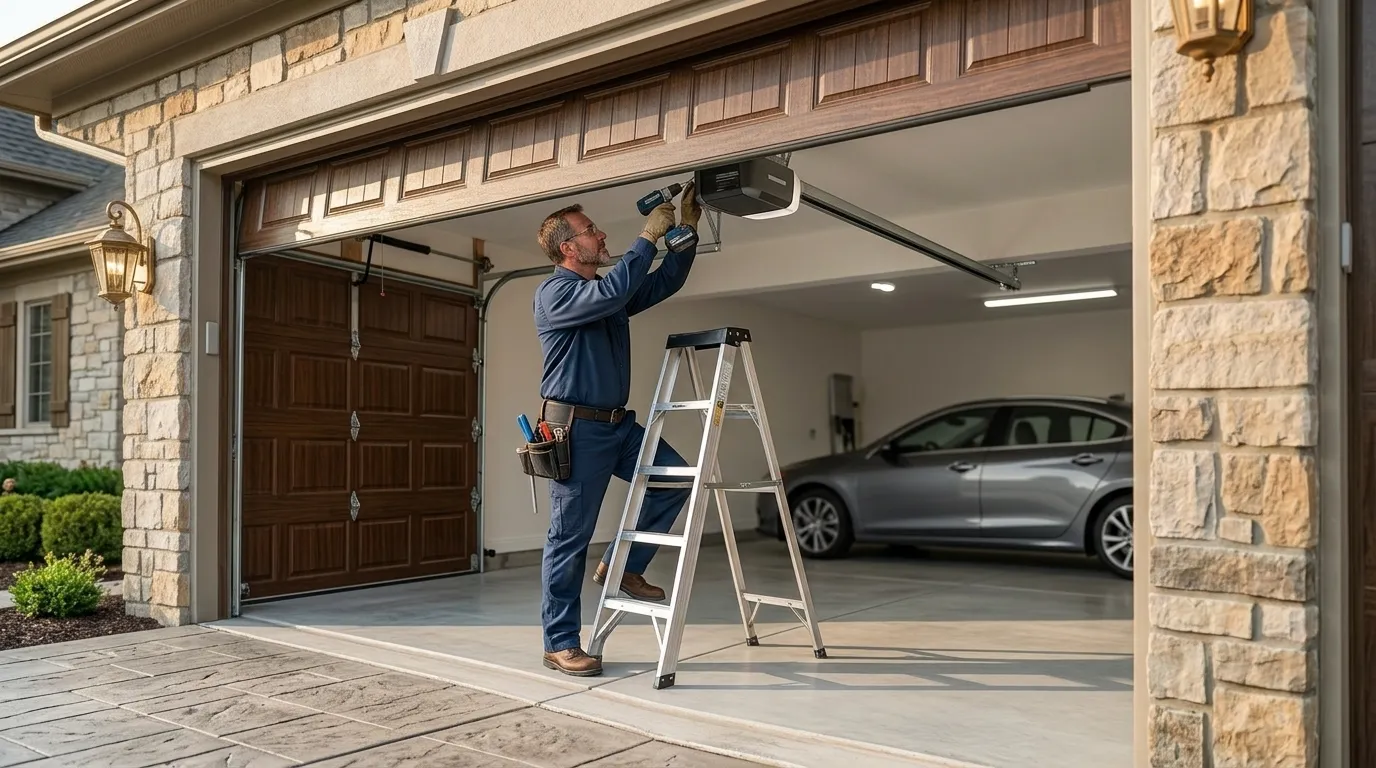
We won't send a truck out for a same-day emergency call in Lakeland and promise a fast arrival - we're driving from Hugo, roughly 17 miles away, and traffic on a weekday afternoon can add real time to that trip. If your spring lets go at 6 a.m. and you need someone in twenty minutes, we're not that company for this area. We also won't try to force a modern opener bracket onto framing that was built for a lighter, older door without checking the header first - Lakeland's housing runs older than much of our coverage area, and some of that framing wasn't sized for today's heavier insulated doors. And we won't tell you a repair makes sense when it doesn't. If a torsion spring system on a door from the 1970s is original and the drums are pitted, we'll say so plainly instead of patching around it. Parts for some of that older hardware also take longer to source than a same-week job allows, and we'd rather tell you that up front than let a job stall halfway through.
What Neighbours Usually Call About
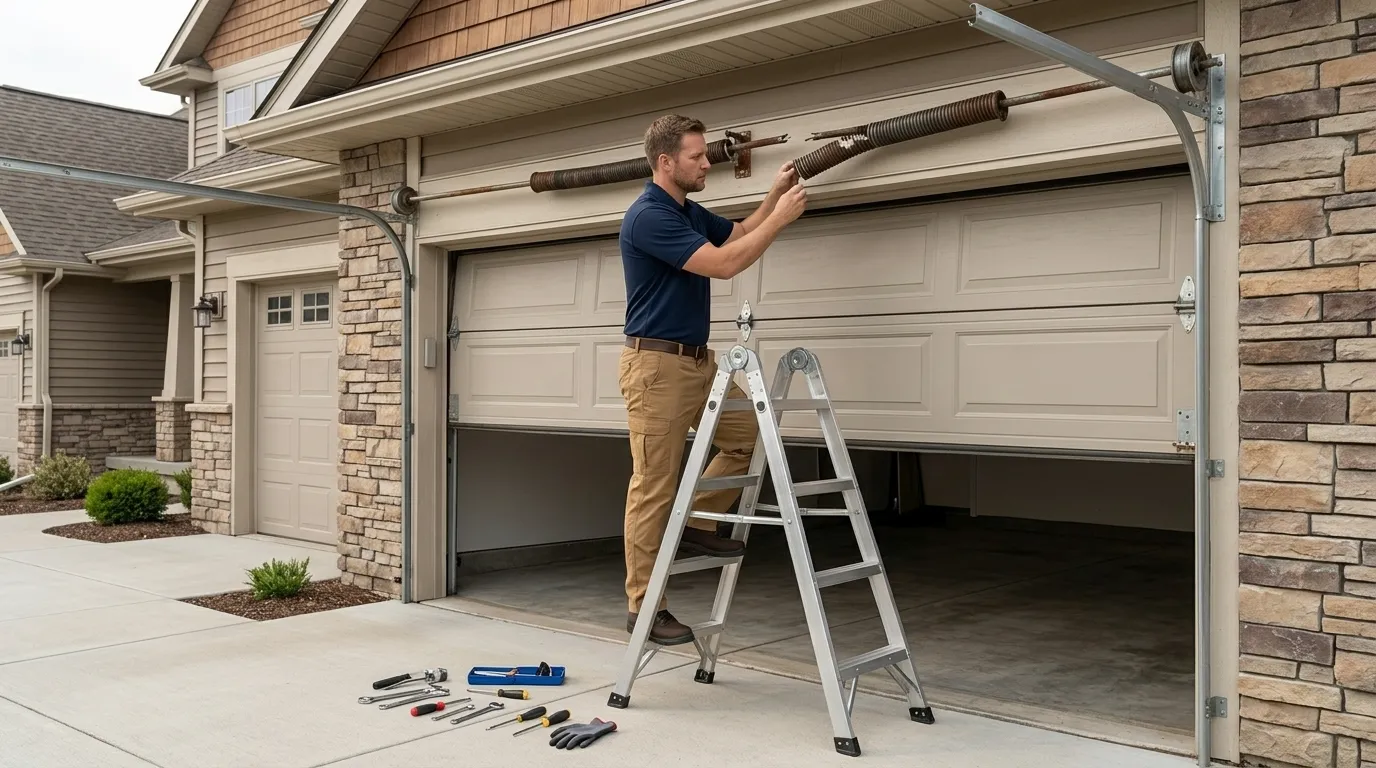
Most of the calls we get from this side of our coverage area, out toward Lakeland, are about doors that are older than what we see closer to Hugo. Torsion springs that have never been replaced, single-layer steel panels with dents from decades of use, and openers with chain drives that have gotten loud and slow to respond are the common threads. Garage door tracks that were installed level in 1976 have often shifted with 50 years of settling, and that shows up as a door that binds partway or drifts off its rollers. We also see a fair number of calls about weatherstripping that's cracked through and letting cold air straight into the garage - with winters here running cold and severe, a gapped seal at the base of the door isn't just a comfort issue, it's a real energy loss. None of this is unusual for a house this age. It's just a different mix of problems than we run into on newer stock.
This Area's Housing
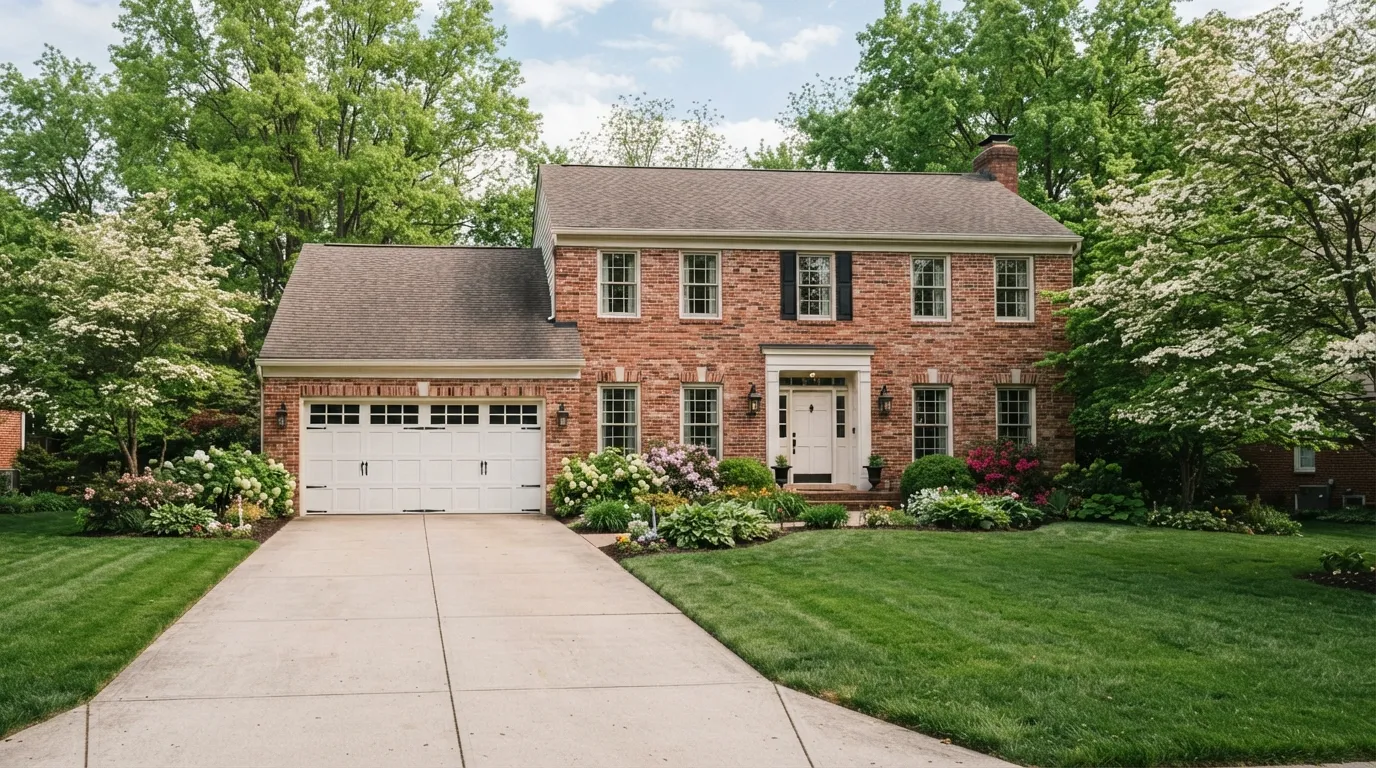
Lakeland's housing runs older than the broader area we cover. Across our service territory the median build year sits around 1980, with most homes going up in the 1980s and 90s. Lakeland's median build year is 1976 - a real difference, even if it looks small on paper, because it puts a meaningful share of this area's roughly 706 households into garage doors and openers that predate the more common vinyl-clad, insulated panel doors that came later. With median household income here at $101,339, a fair number of these homeowners have the means to replace rather than keep patching, but plenty also prefer to keep an original door running as long as it's safe to do so, and we can work with either choice. The point isn't that older is worse. It's that a door installed in the mid-1970s has different spring sizing, different track gauge, and often different opener wiring than a door installed in 1995, and treating them the same on a service call is how mistakes happen.
What That Means for Doors
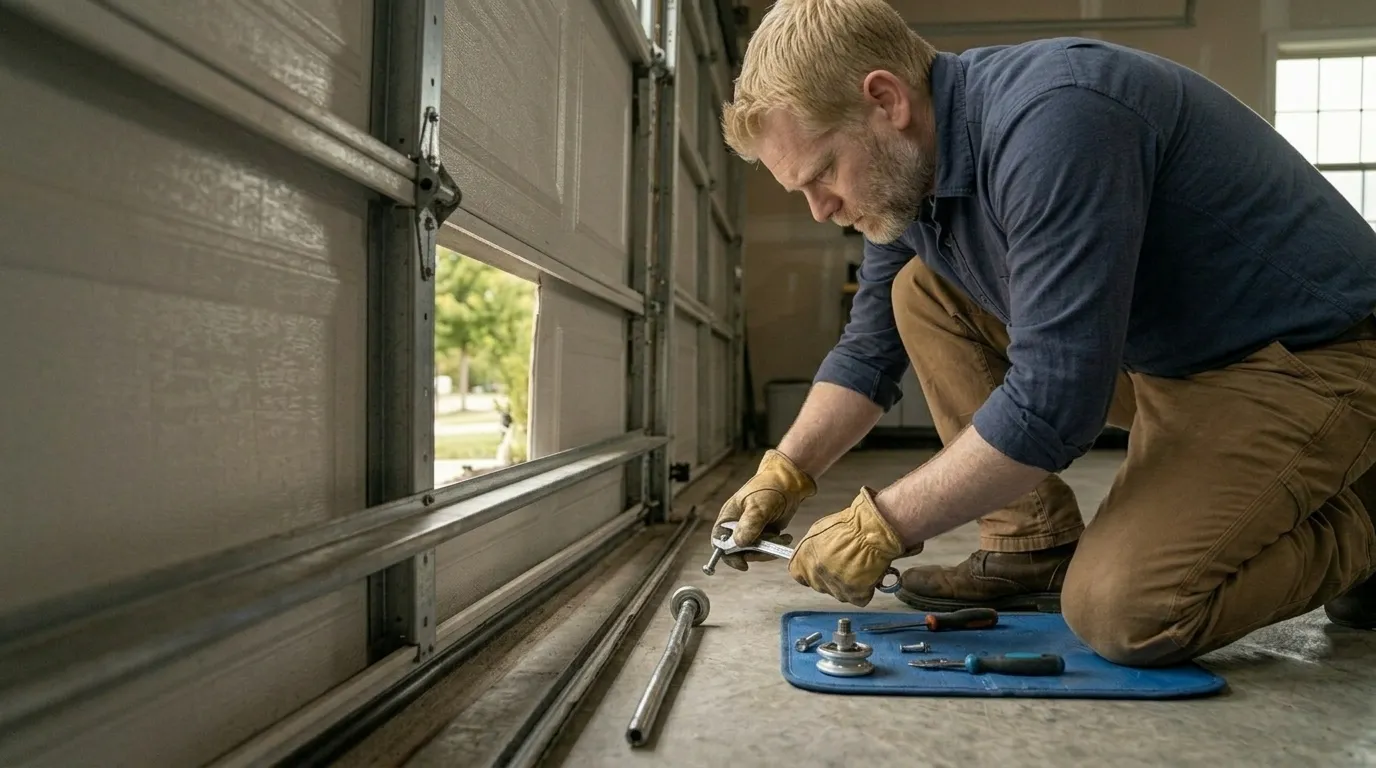
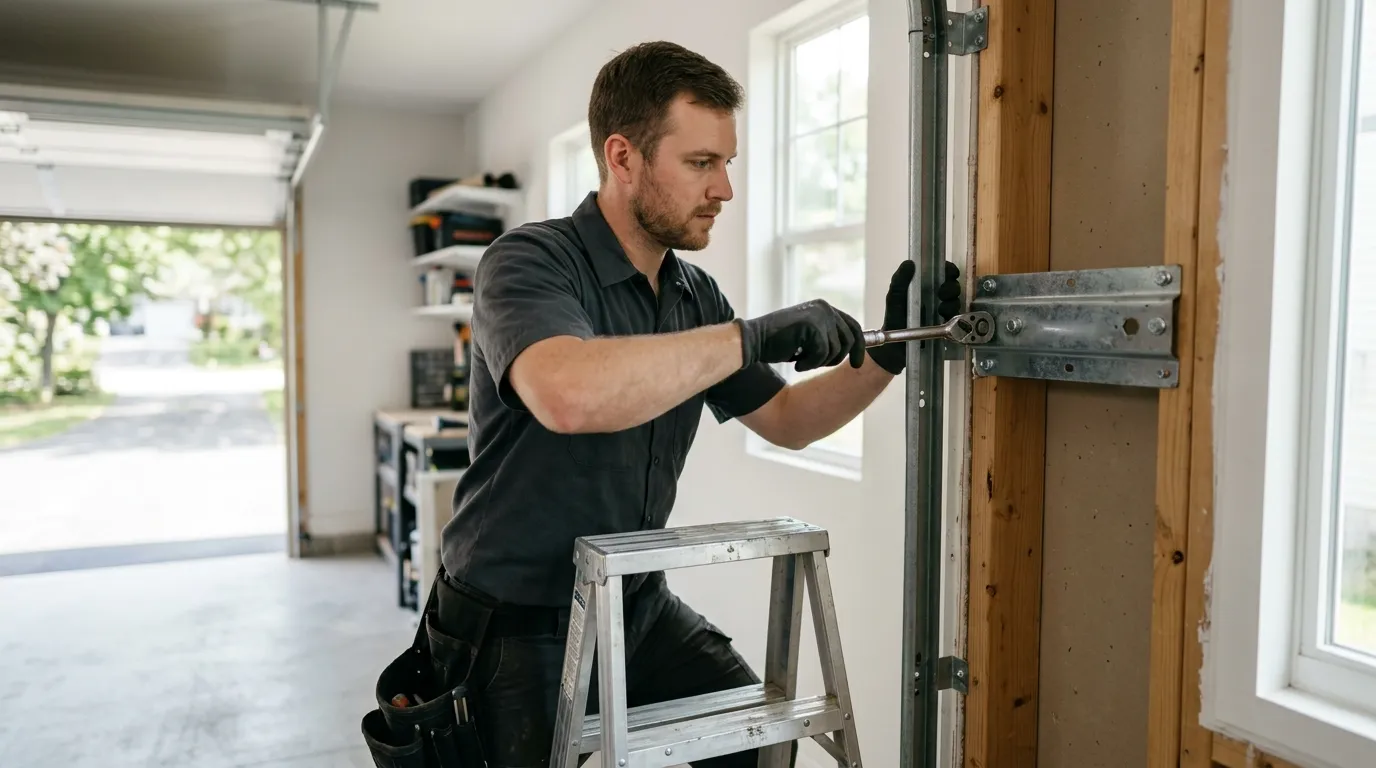
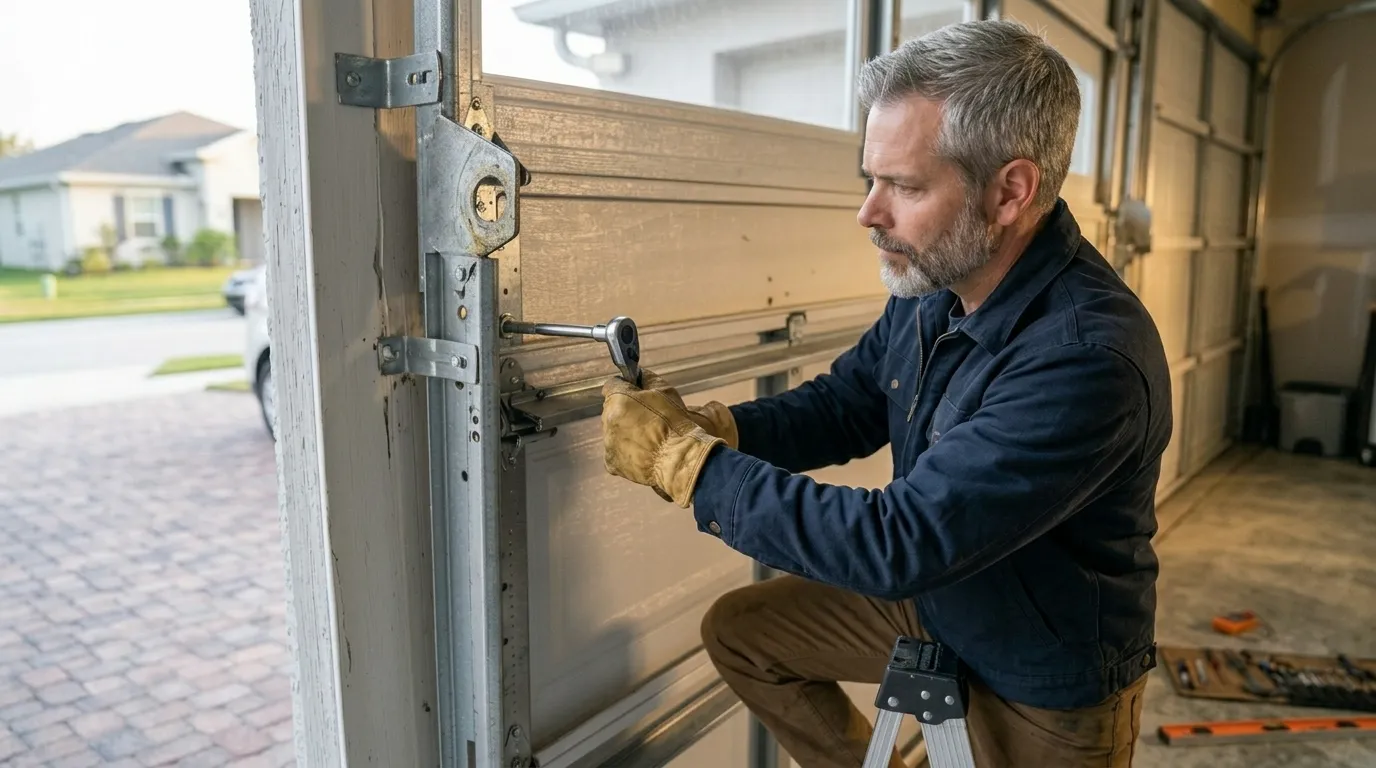
A door original to a 1976 build in a cold-climate area like this has usually seen five decades of temperature swings, and steel that's flexed that many times develops fatigue points that a newer door hasn't hit yet. We look first at the torsion spring wind count and drum condition on anything from this era, since those specs shifted more than once between the 1970s and today, and installing a modern off-the-shelf spring without checking the door weight and drum size can leave a door that won't hold or one that's dangerously over-tensioned. Track width is another item worth checking - older doors sometimes ran on narrower track than current standard, and mixing old track with a new roller set causes binding that looks like a motor problem but isn't. Given the cold-climate demands here, we also pay attention to whether the door has ever had insulation added, since an uninsulated 1970s slab door in a severe winter is doing very little for the garage's temperature, let alone the room next to it. Replacement, when it's warranted, usually solves more of these issues at once than another round of patch repairs.
How it works
From “it’s stuck” to “it’s fixed”
1
Tell us what’s wrong
Describe the symptom - won’t open, loud bang, opener runs but the door won’t move.
2
On-site diagnosis
A technician tests the door under power and by hand and finds what actually failed.
3
Clear, up-front plan
You get the fix that’s needed and what drives the cost - before any work starts.
4
Repaired & tested
The repair is done, the door is set true and tested, and the work area left clean.
Serving Hugo, MN - tell us what your door’s doing and we’ll take it from there.
Is my garage door too old to repair, or should I replace it?
It depends on the spring and track condition more than the age itself. A door from the 1976 era can often be kept running if the drums and track aren't pitted or bent, but if the spring has never been replaced and the panel is dented through, replacement usually costs less over time than repeated repairs. We'll look at both before recommending either.
How far out is Lakeland from your base in Hugo?
About 17 miles. We do cover Lakeland as part of our service area, but we're not based here, so we can't promise the fastest possible arrival time compared to areas closer to Hugo.
Why does my garage feel so cold in winter even with the door shut?
On older doors, especially uninsulated steel slabs common to 1970s-era homes, cracked or missing weatherstripping and a lack of panel insulation let cold straight through. In a climate that runs cold and severe, that gap matters more here than it would somewhere milder.
Ready to get your garage door sorted?
Tell us what it’s doing and where you are in Hugo - we’ll take it from there.