What Neighbours Usually Call About
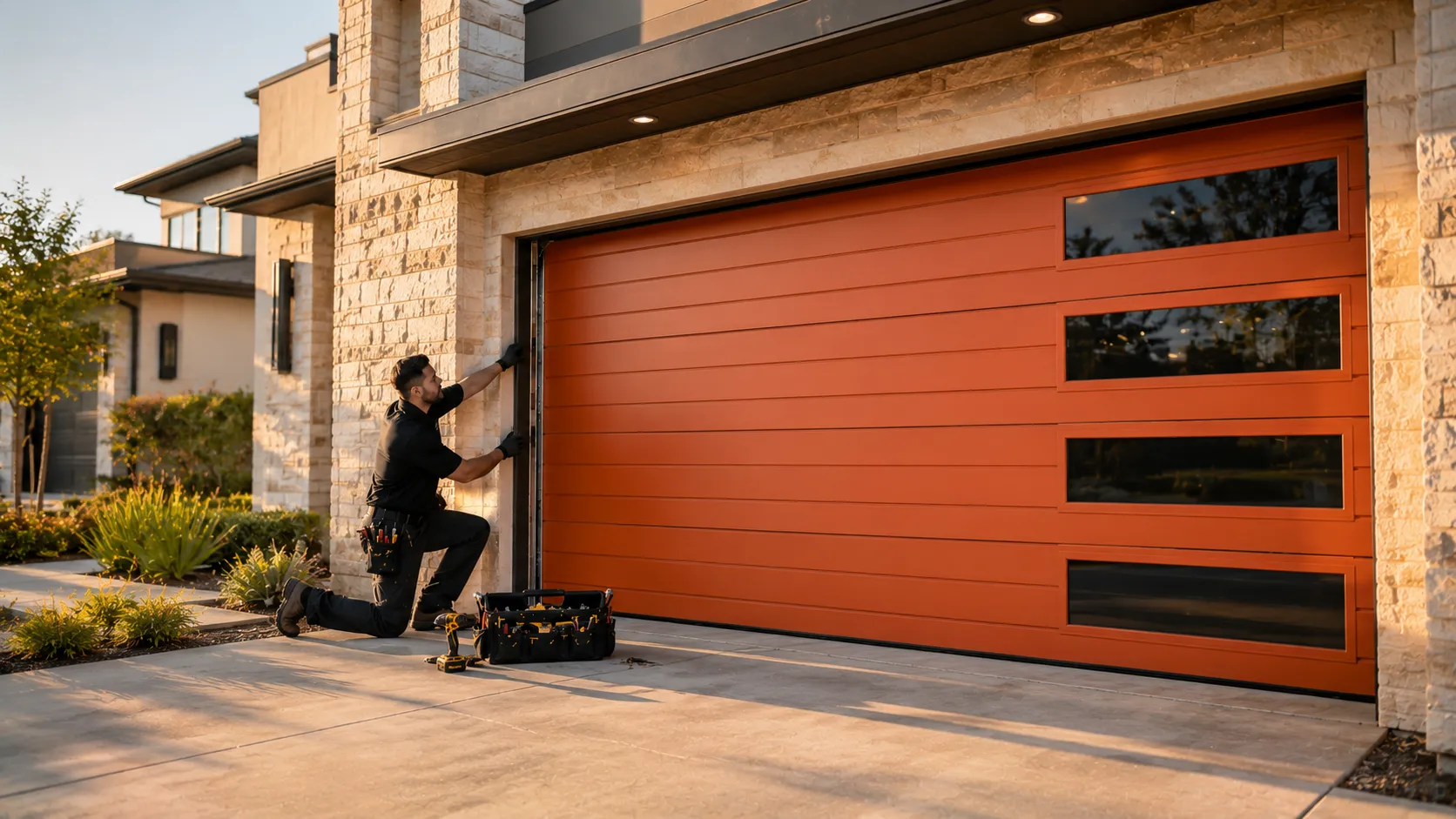
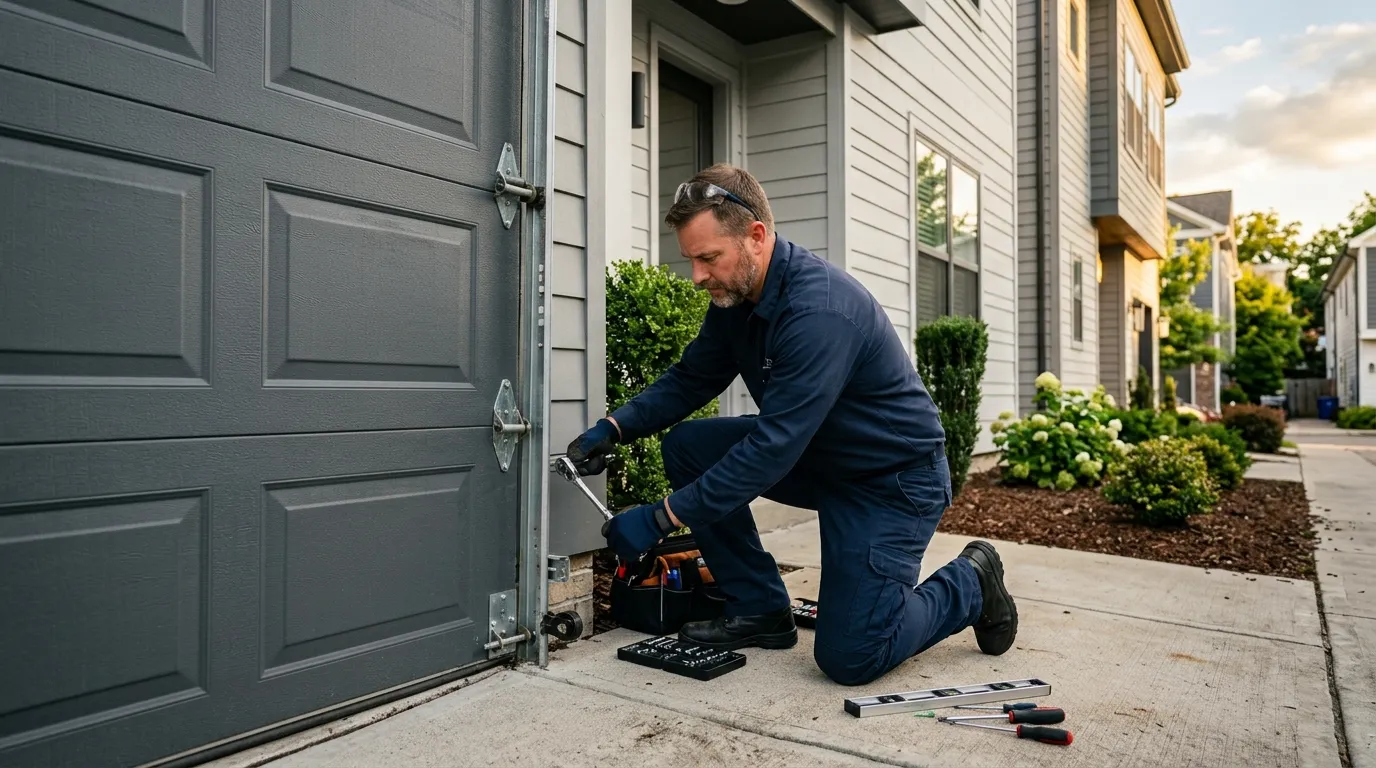
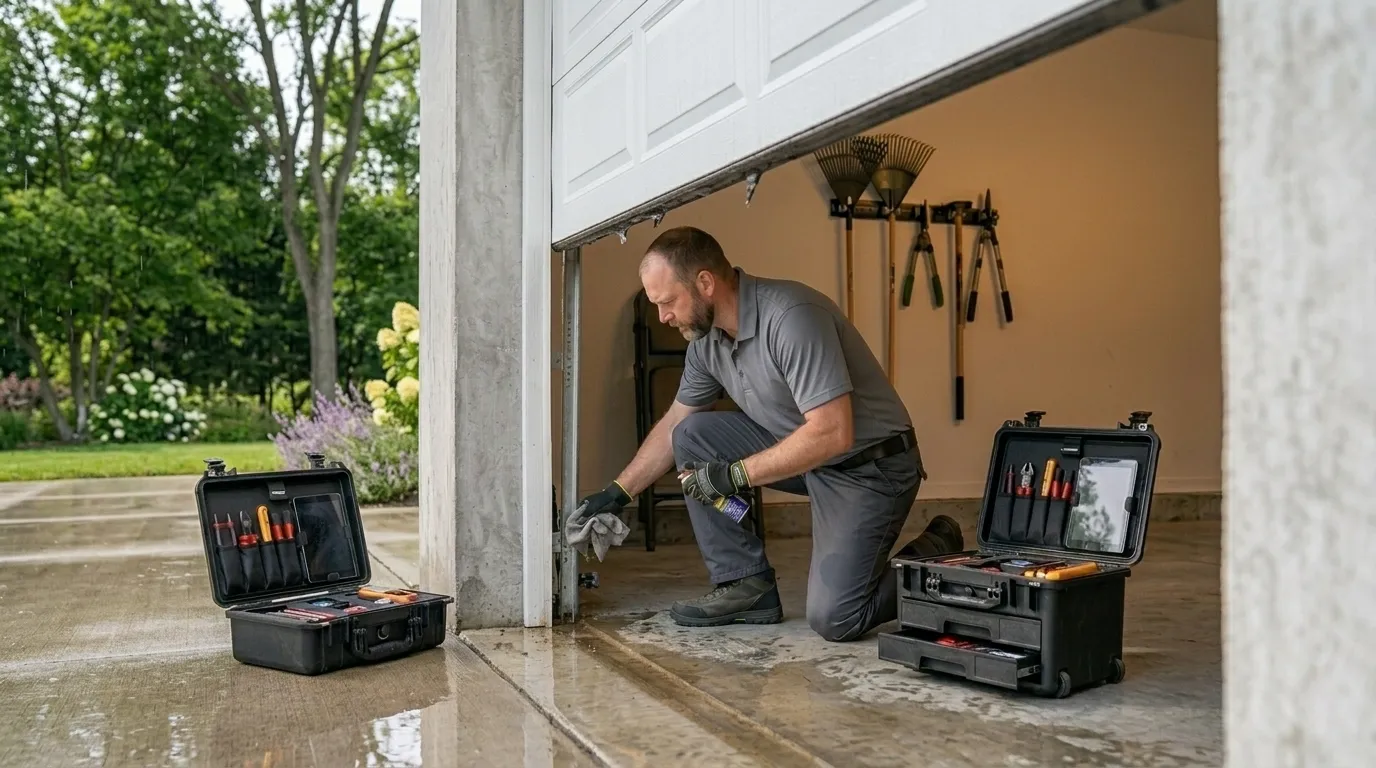
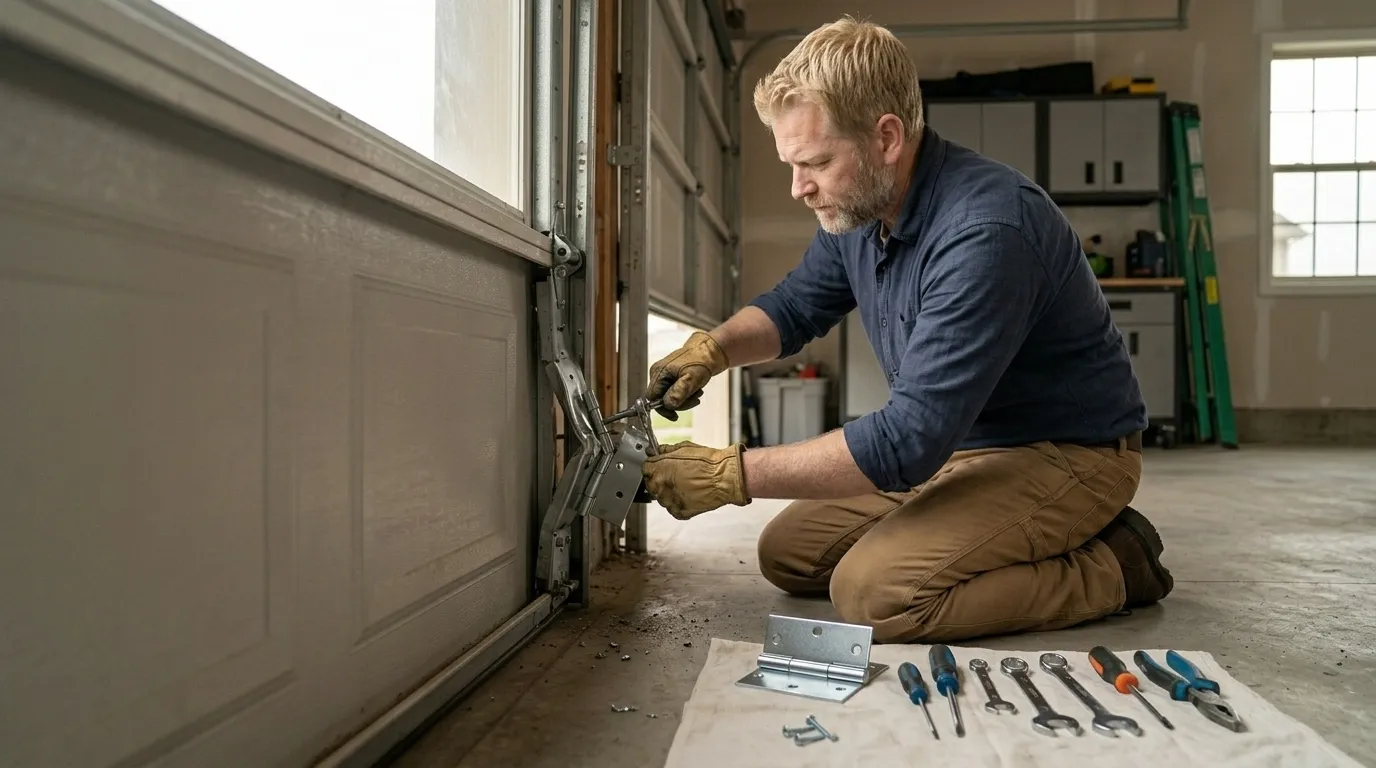
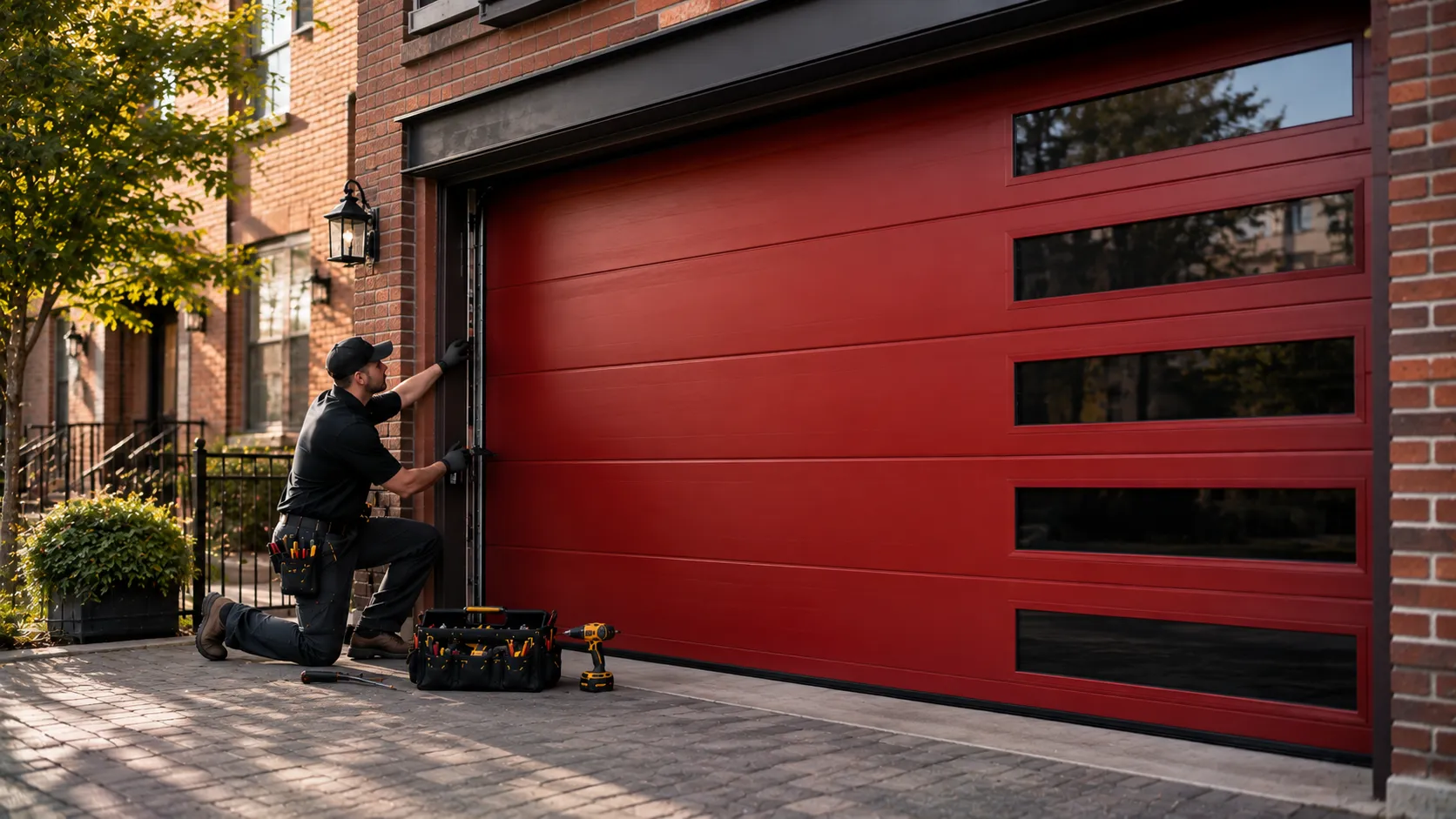
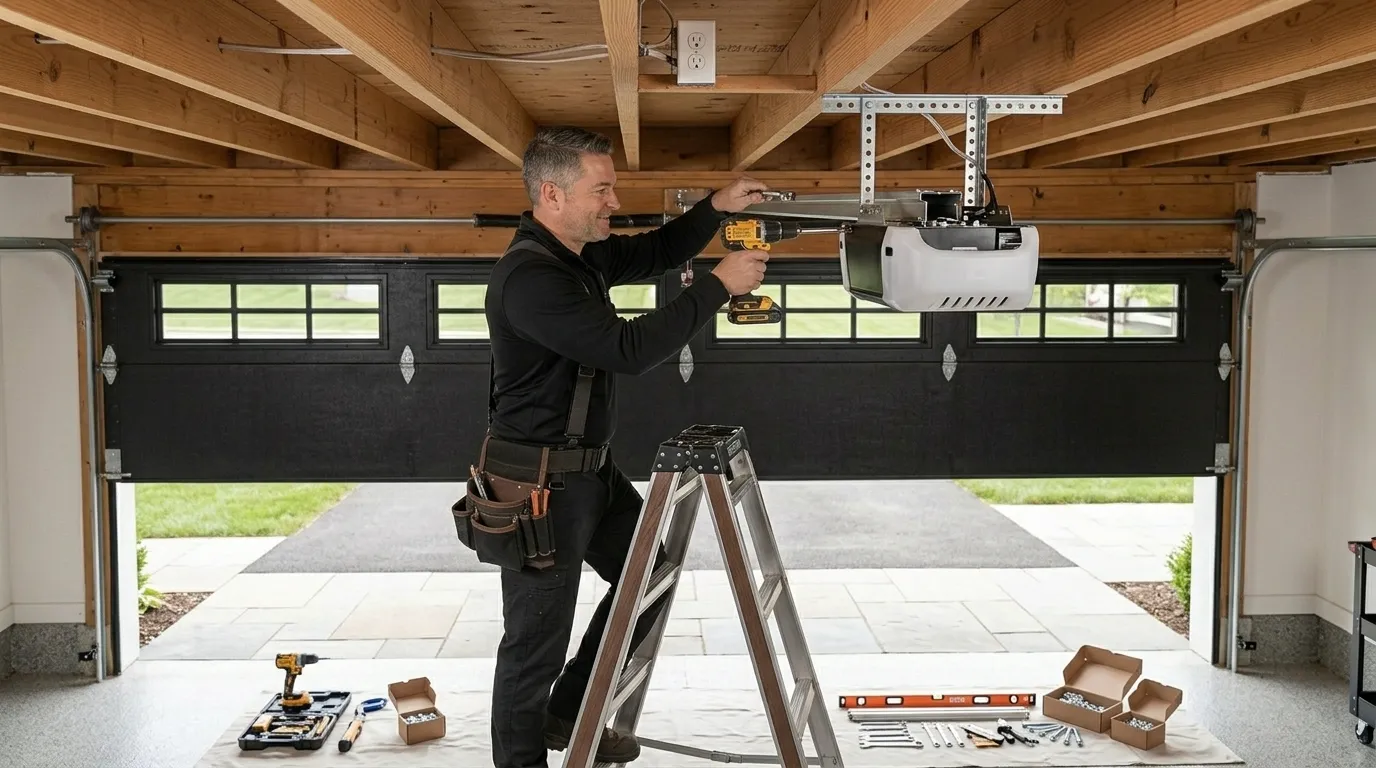
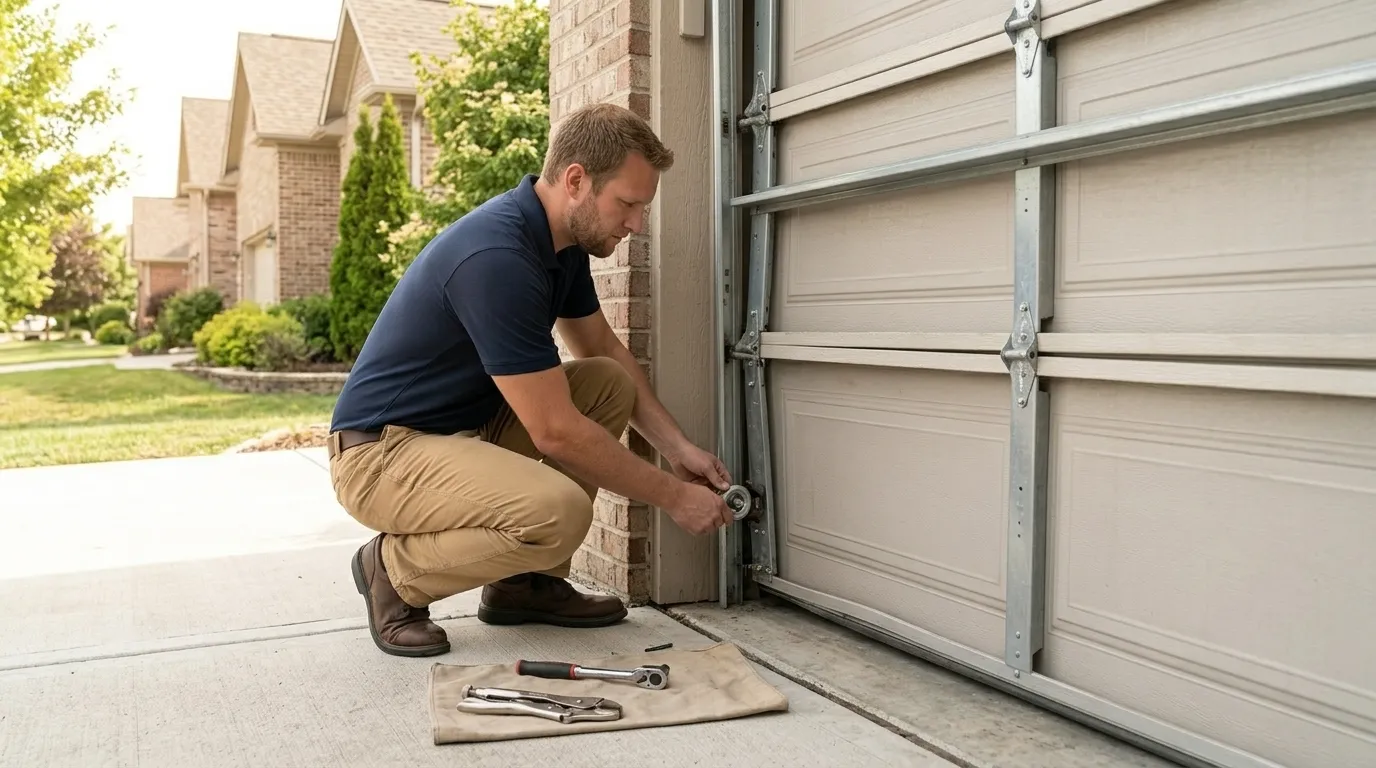
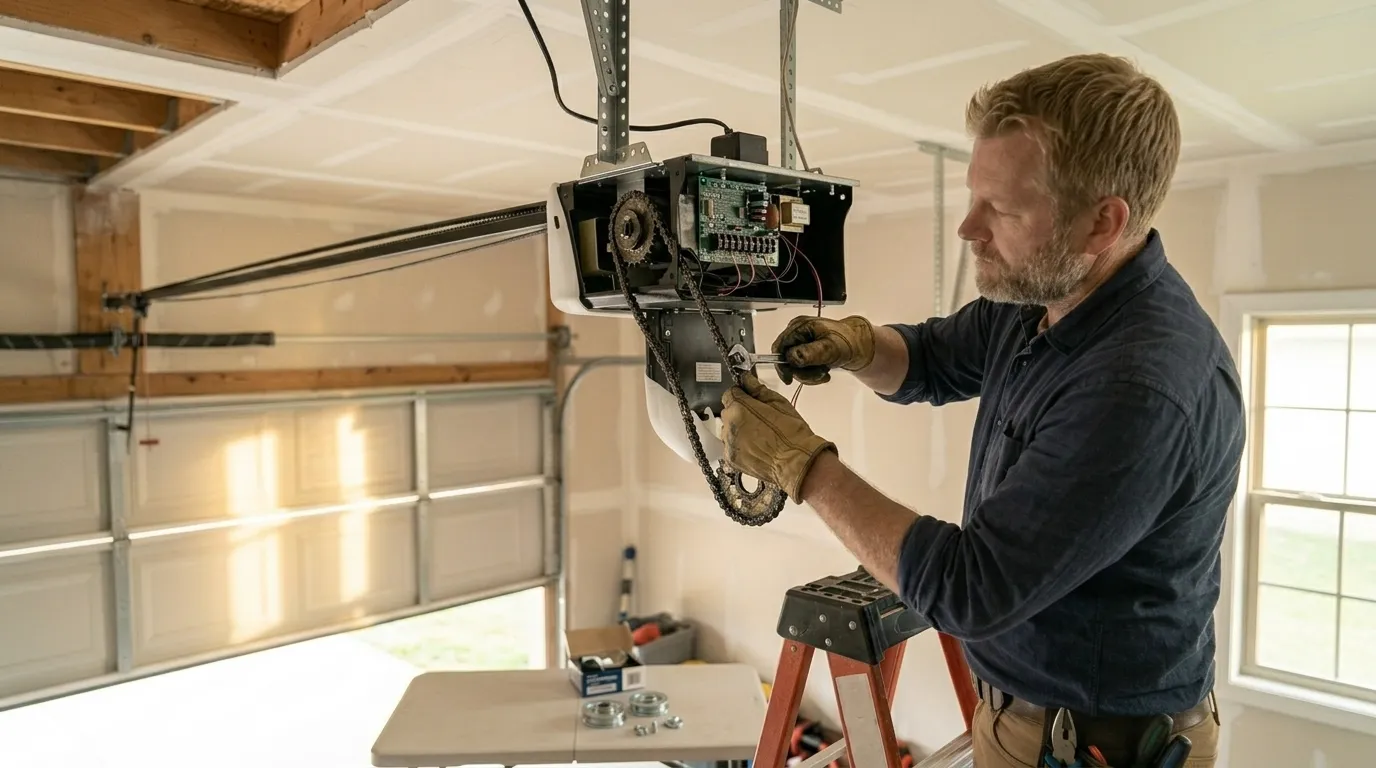
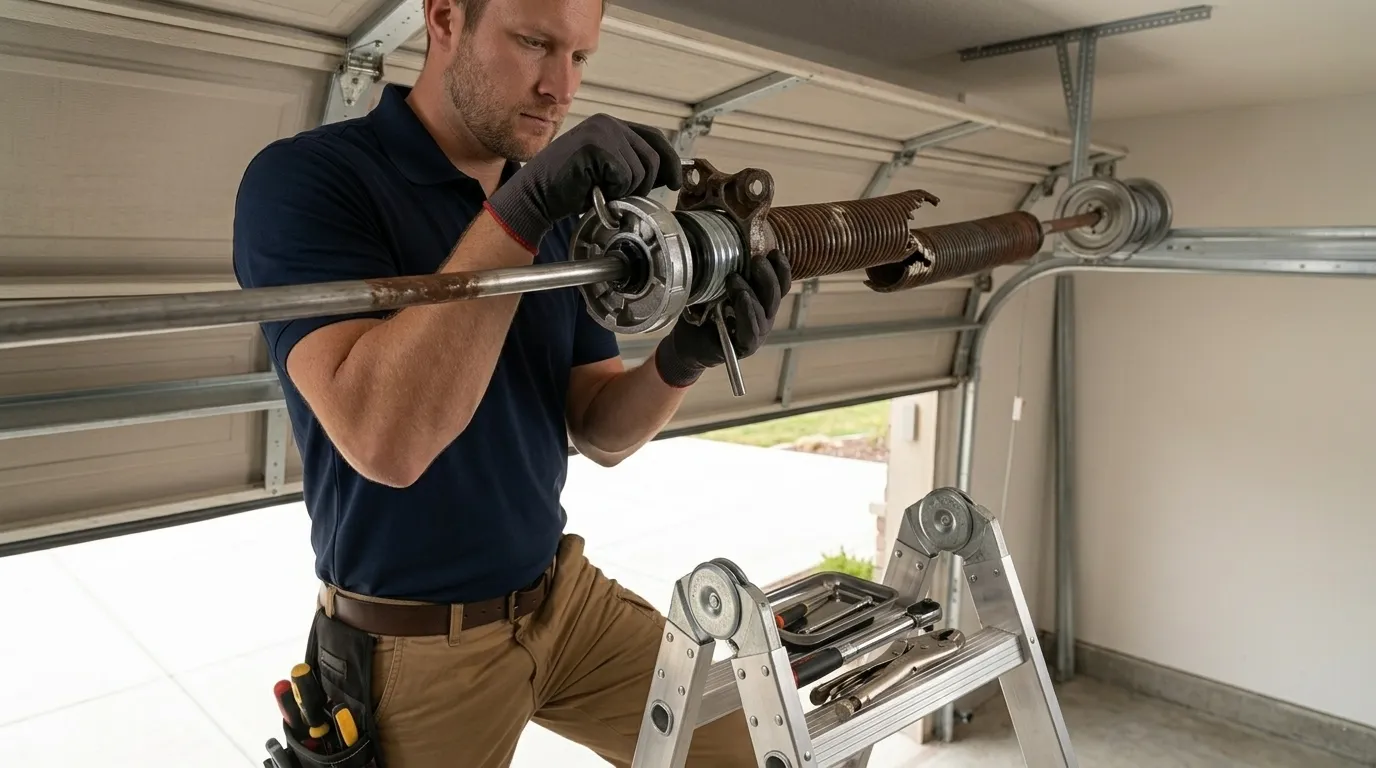
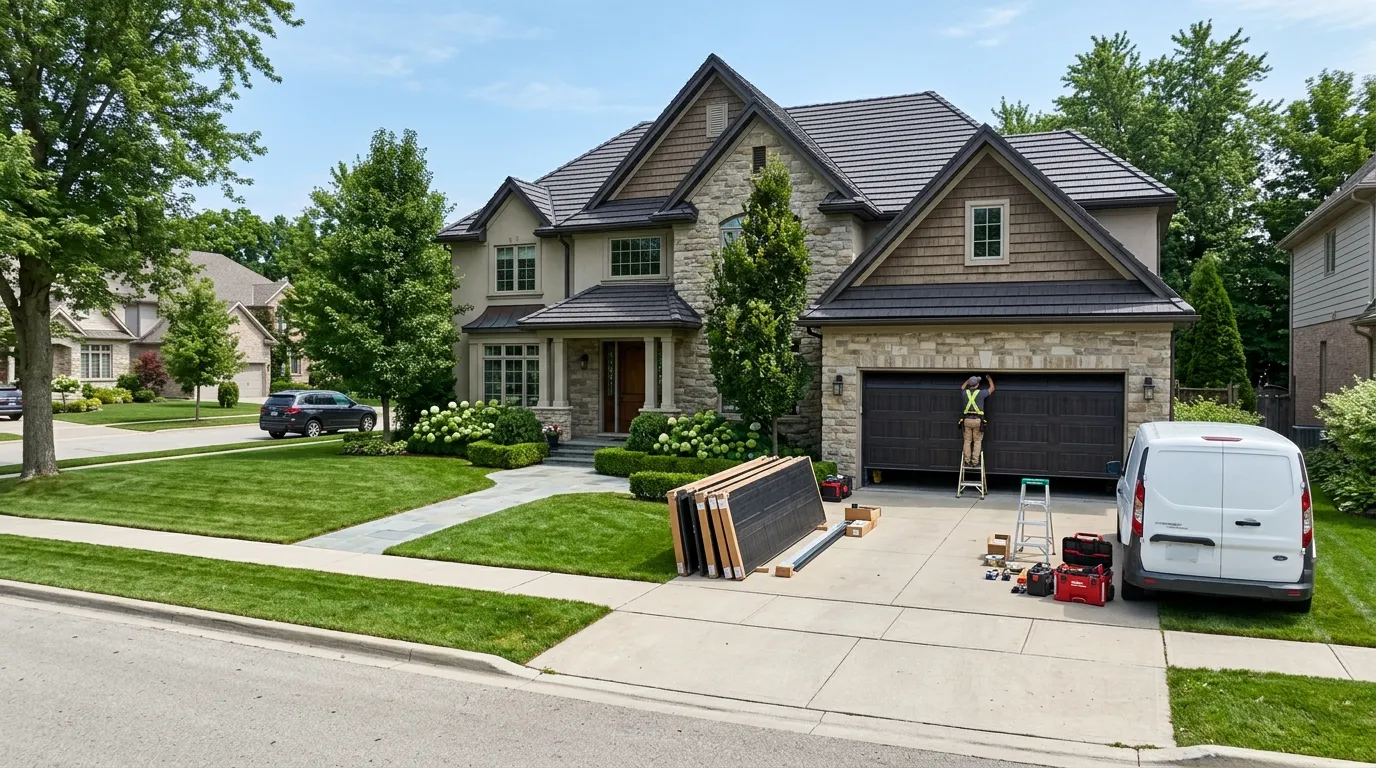
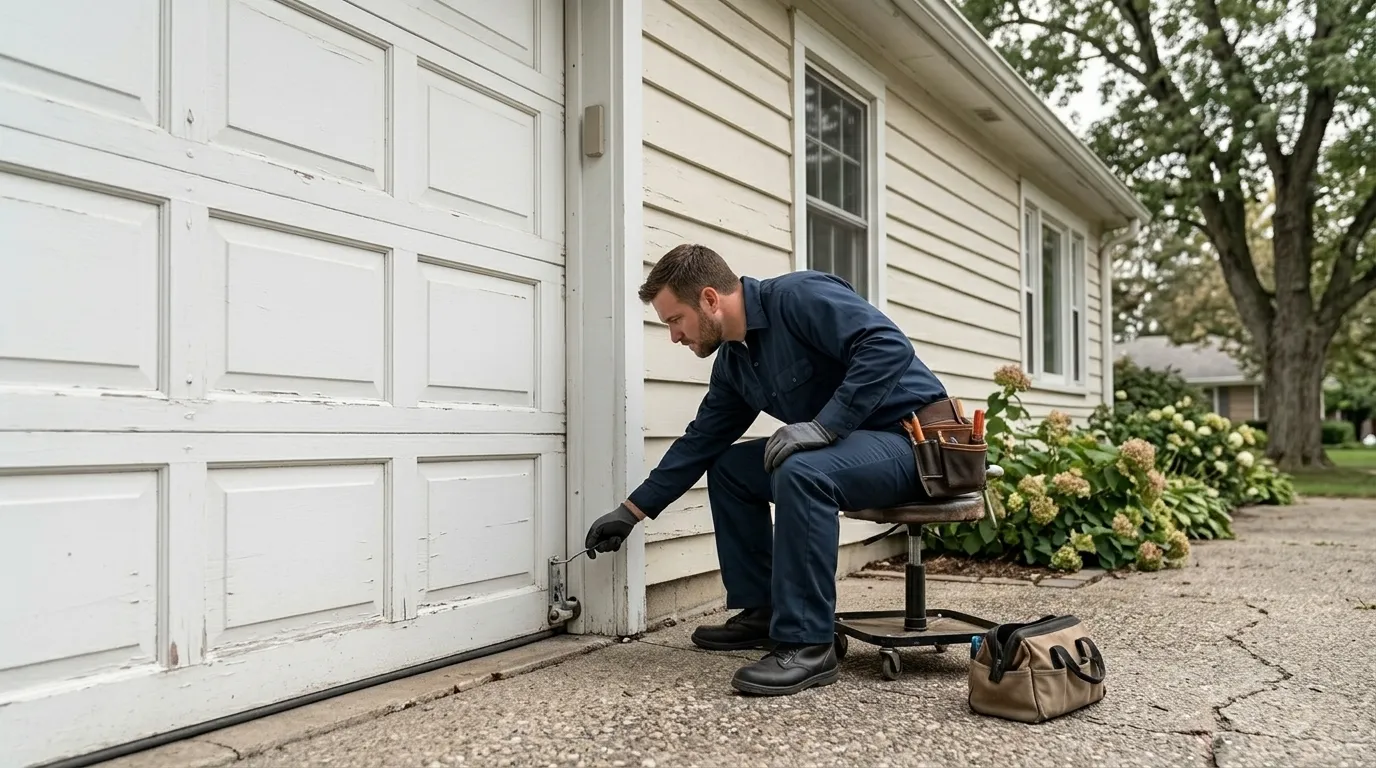
Spring Lake Park's housing stock centers on the early 1970s, noticeably older than the wider service area's 1980 median, and that shows up in the calls. We hear a lot about torsion springs that have simply outlived their cycle count - these are 50-year-old systems in many cases, even if the door itself got swapped out once along the way. Steel rollers instead of nylon, single-thickness panels without foam backing, and openers on chain drives from an earlier design generation all come up regularly. With roughly 2,635 households in the area and a median income of $77,112, most owners we talk to want the practical fix, not the upsell - repair the cable, true up the track, replace the worn roller set, and move on. That's consistent with what an early-70s door usually needs: it's not broken because it's cheap, it's broken because it's old.
This Area's Housing
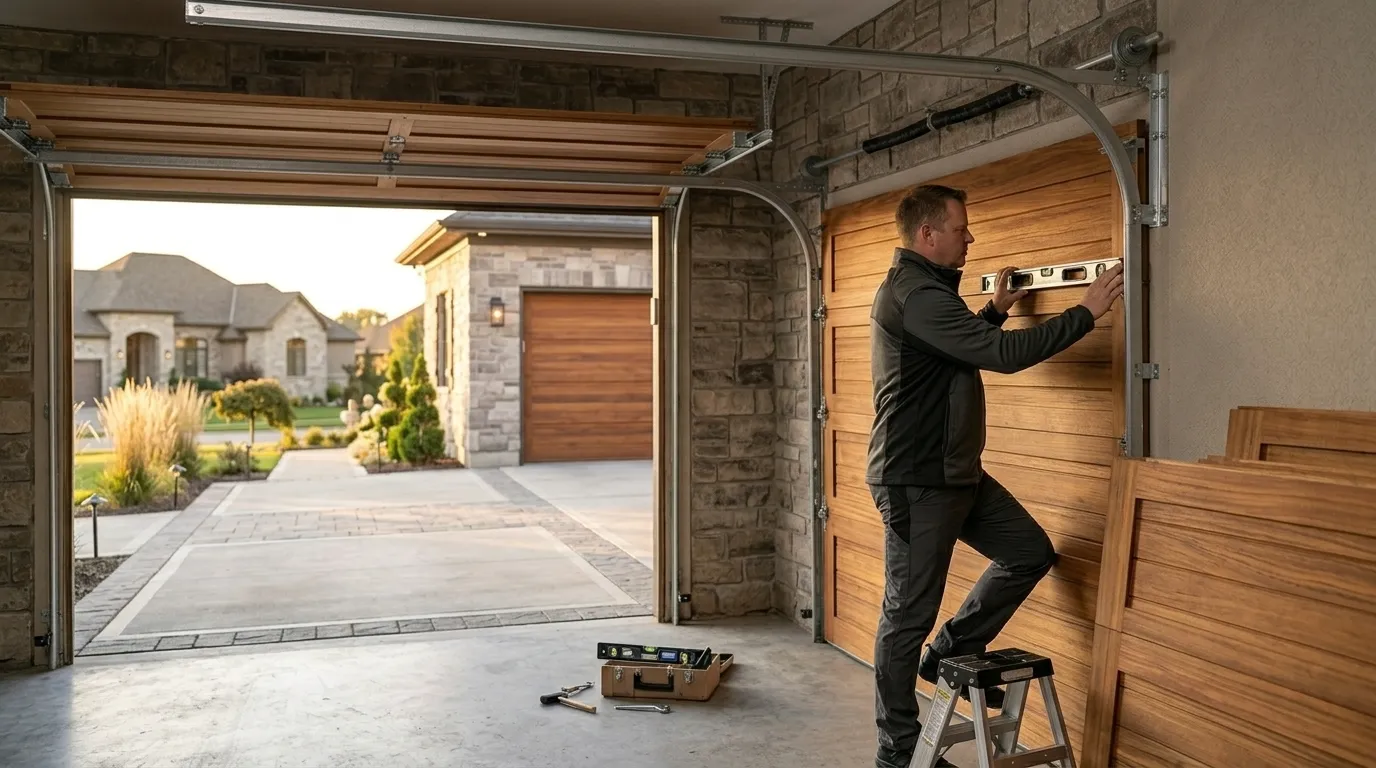
The median year built here is 1973, which puts Spring Lake Park ahead of the broader Hugo-area service window that runs 1950 to 2002 with a median around 1980. That seven-year gap isn't trivial in garage door terms - it's roughly one full generation of hardware standards. Doors installed in the early-to-mid 1970s were commonly hung on side-mounted torsion springs with an exposed drum system, before some of the safety and coil-life improvements that showed up later in the decade and into the 80s. Compared to the newer stock in areas like Lake Elmo or North Oaks, Spring Lake Park's garages are more likely to have had at least one spring replacement already, sometimes two, and original wood-composite panels that have taken on moisture over five decades in a cold climate. None of this means the doors are failing across the board - a lot of them were built solid - but it does mean the parts on hand are often not the parts a big-box store carries.