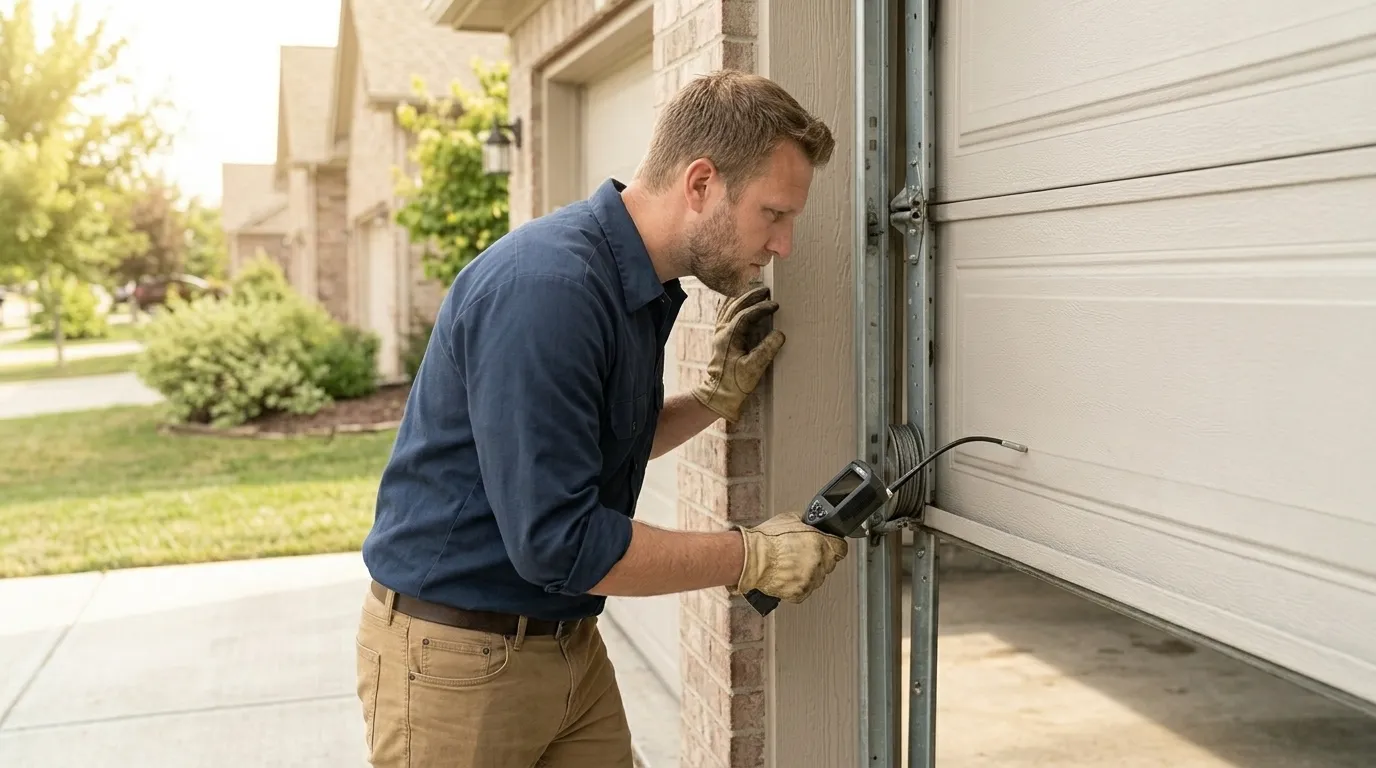
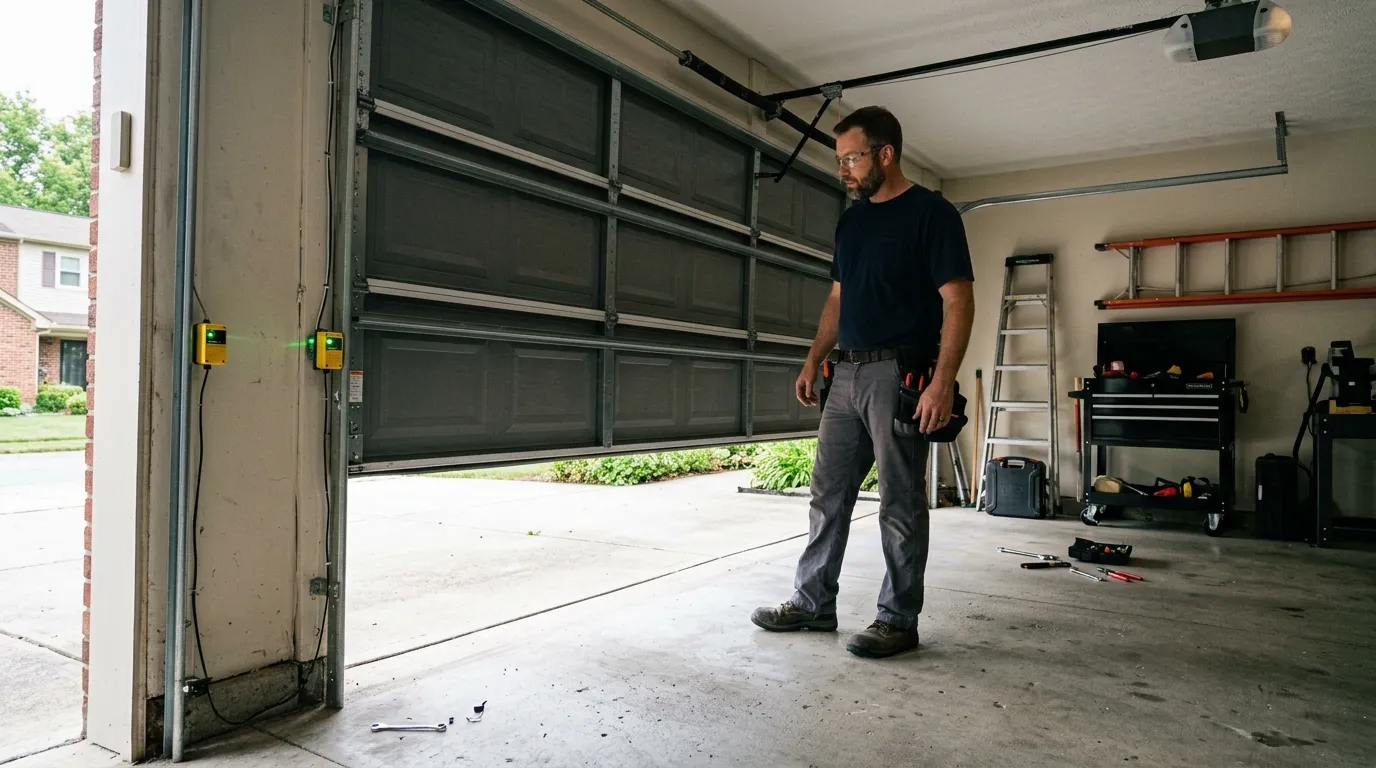
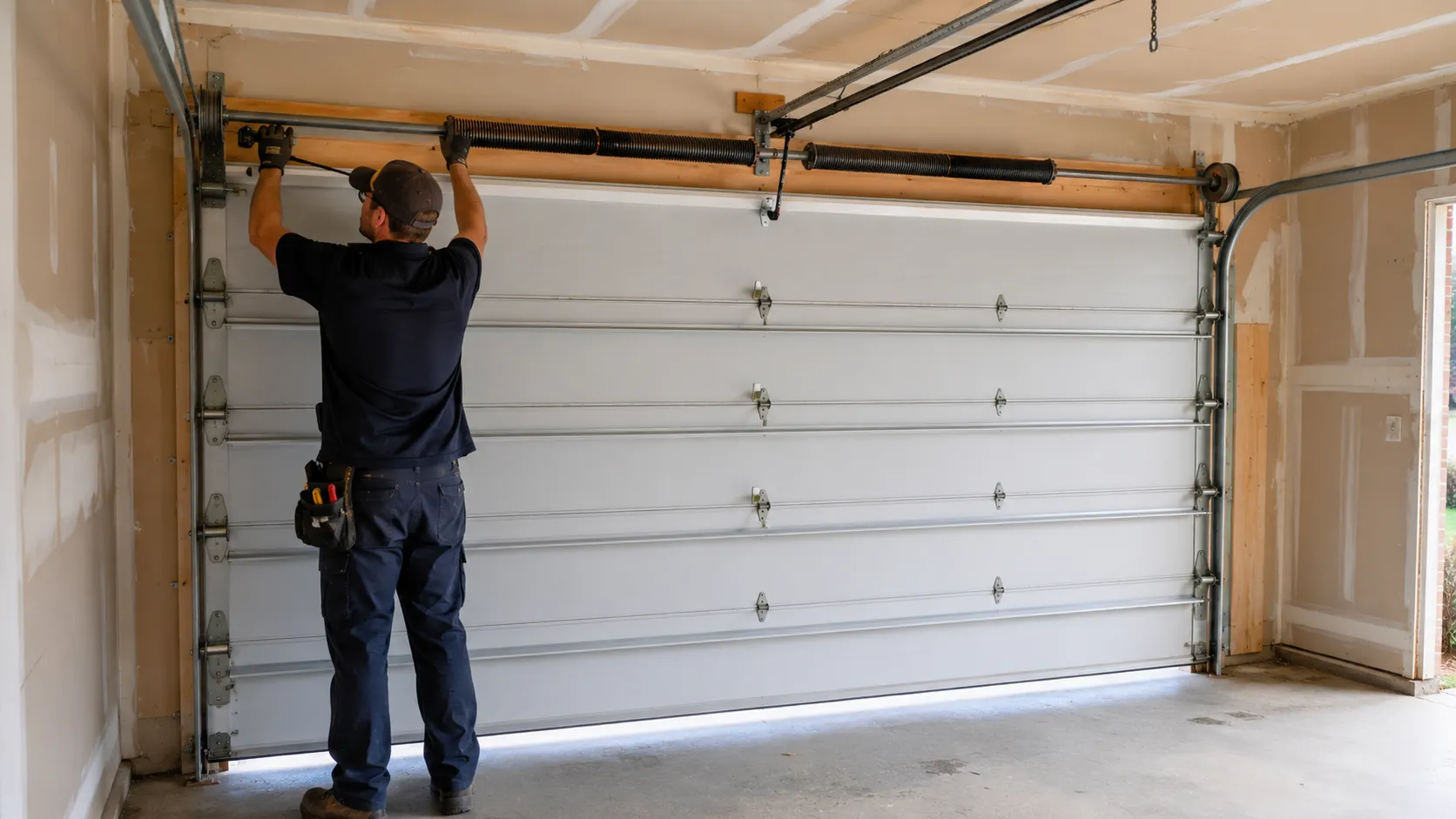
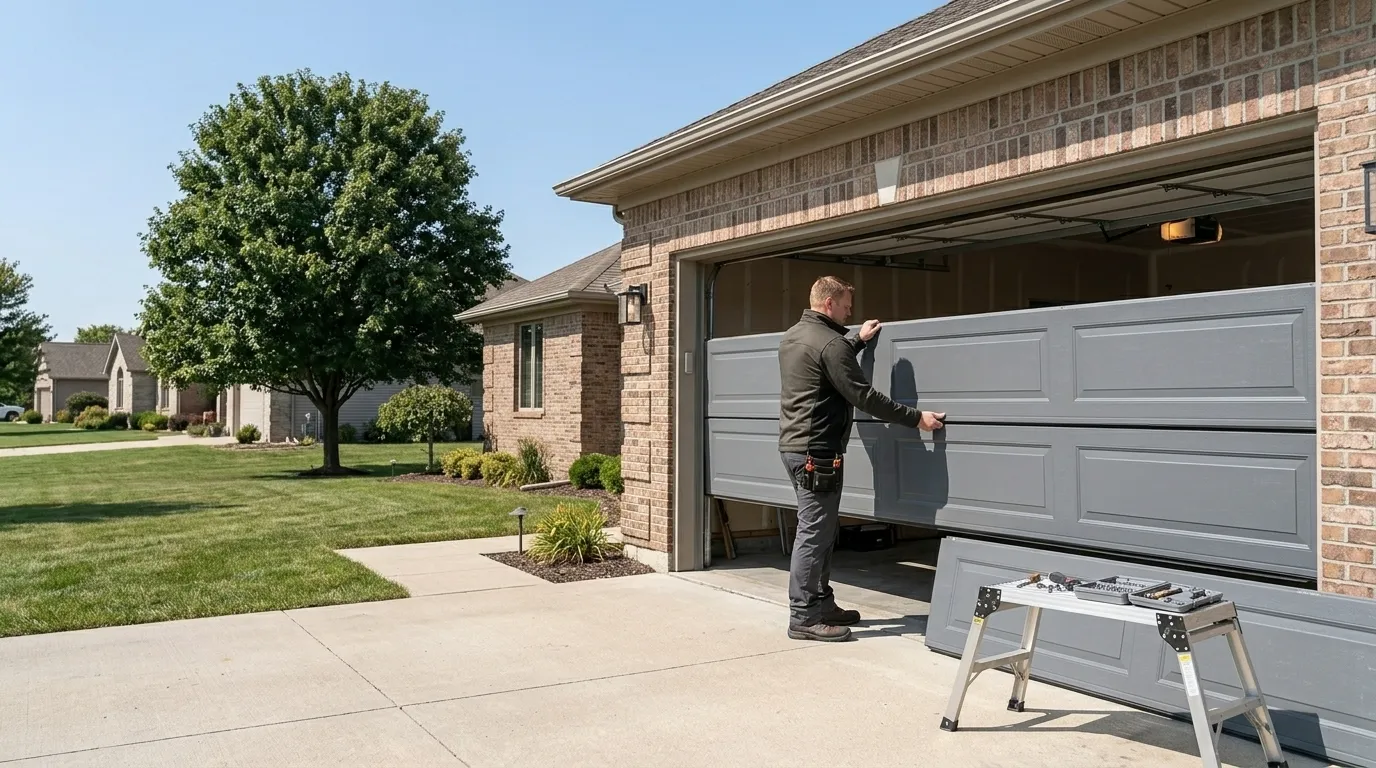
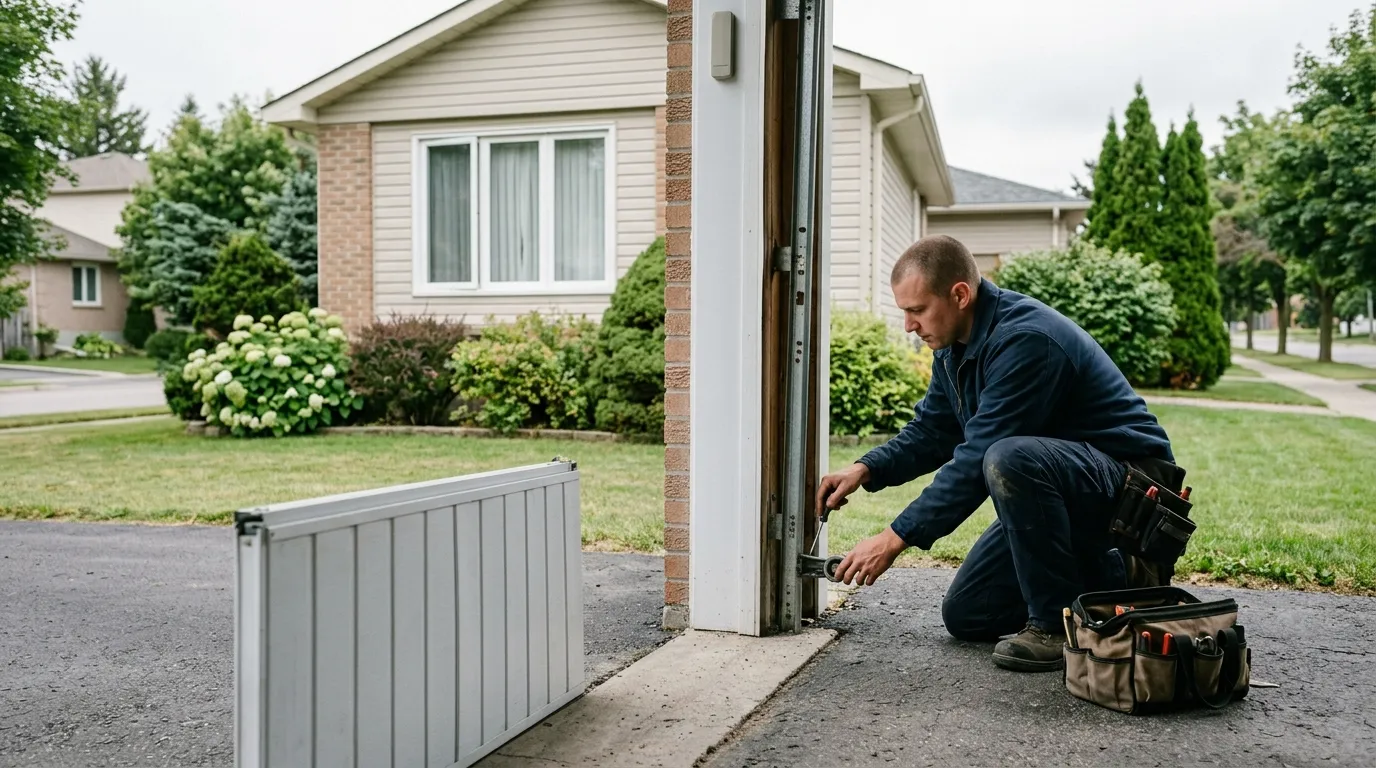
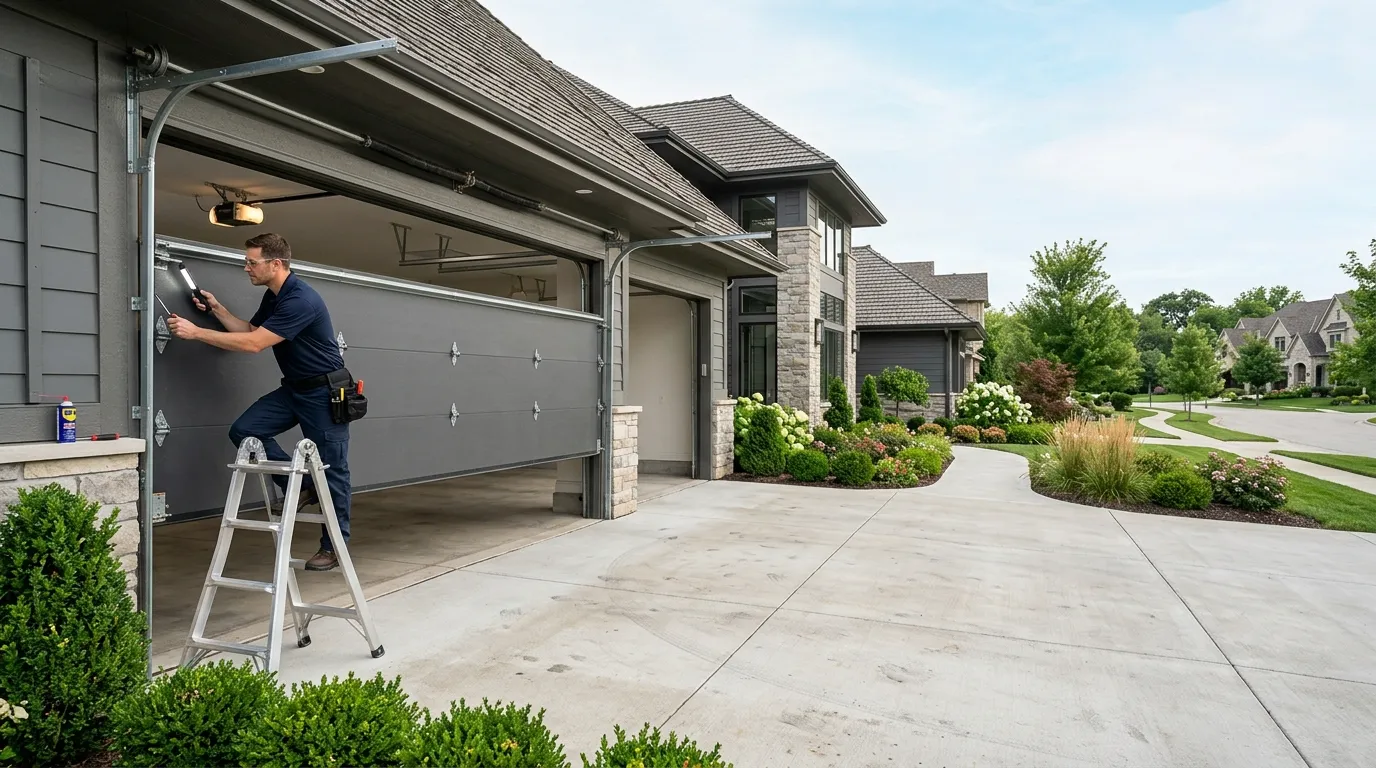
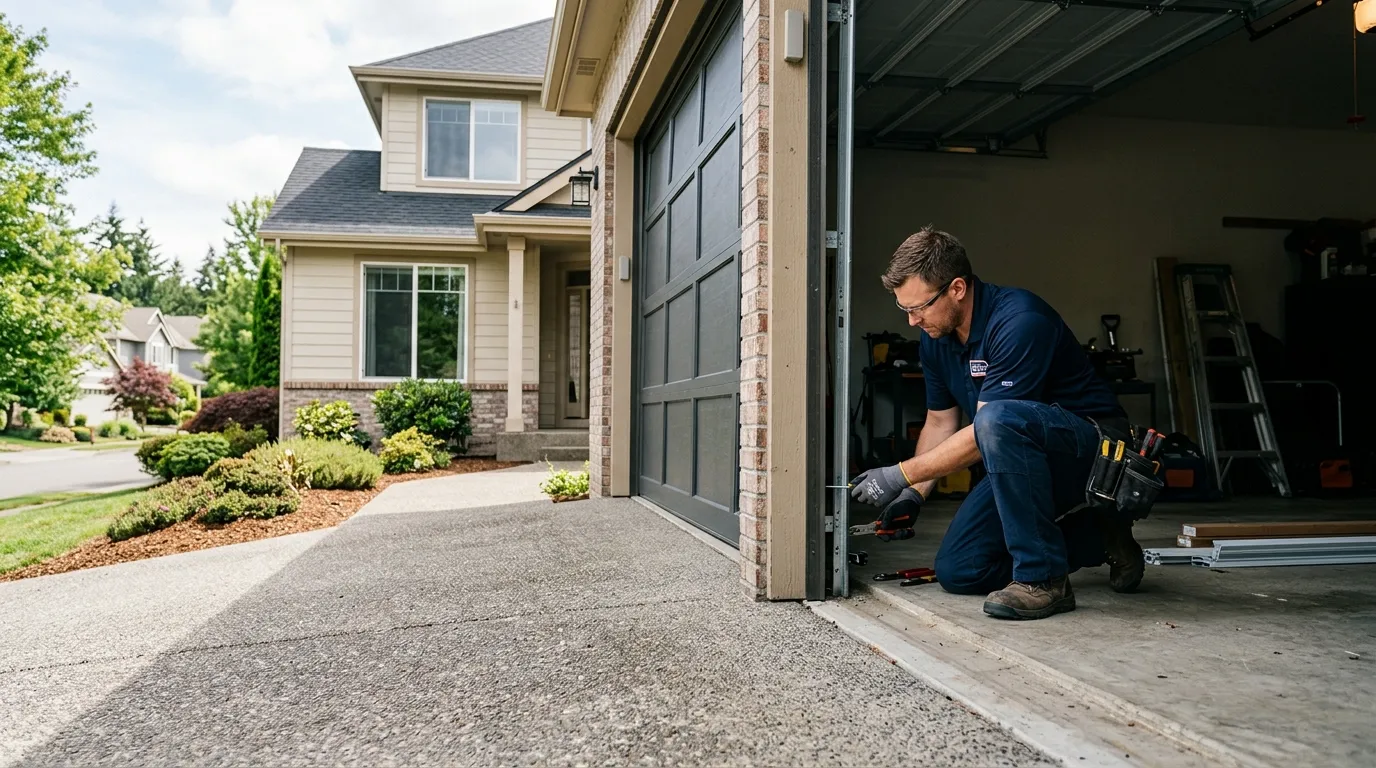
We're honest about the trip: Scandia sits about 9 miles from our Hugo shop, and we don't keep a crew stationed out here. That means we're not the outfit to call for a same-hour walk-in fix on a Tuesday afternoon - we schedule the drive in with the rest of the day's route. If a job needs a part we don't carry on the truck, there's a wait while we order it, and we'll tell you that up front instead of guessing at an ETA. We also won't try to patch a spring system that's been rigged with the wrong cable gauge or a mismatched drum - on a door that old, once we open the section up and find non-matching hardware, replacement is the honest answer, not a repair quote padded to look like one. And we don't do new construction installs disconnected from a service call; if you're building, that's a different conversation. Scandia homeowners deserve a straight answer about what a trip out here actually involves, not a sales pitch dressed as availability we can't back up.
What Neighbours Usually Call About
With roughly 1,450 households in the Scandia area and a median household income around $100,179, most of what we see out here isn't cosmetic - it's doors and openers that have simply run their years on original parts. Torsion springs that were sized for a lighter section door in the late 1970s, now paired with a heavier insulated replacement panel somebody added later, wear out faster and louder than they should. We also get calls about openers original to the house cycling but not fully lifting - usually a spring that's lost tension gradually rather than snapped clean, which homeowners often mistake for a motor problem. Rollers on steel track from that era tend to be the plain steel kind, not nylon, so the grinding noise on a cold morning is often just that, not a track out of alignment. None of this is exotic. It's what you'd expect from doors that have been doing their job, unattended, for over forty years.
This Area's Housing
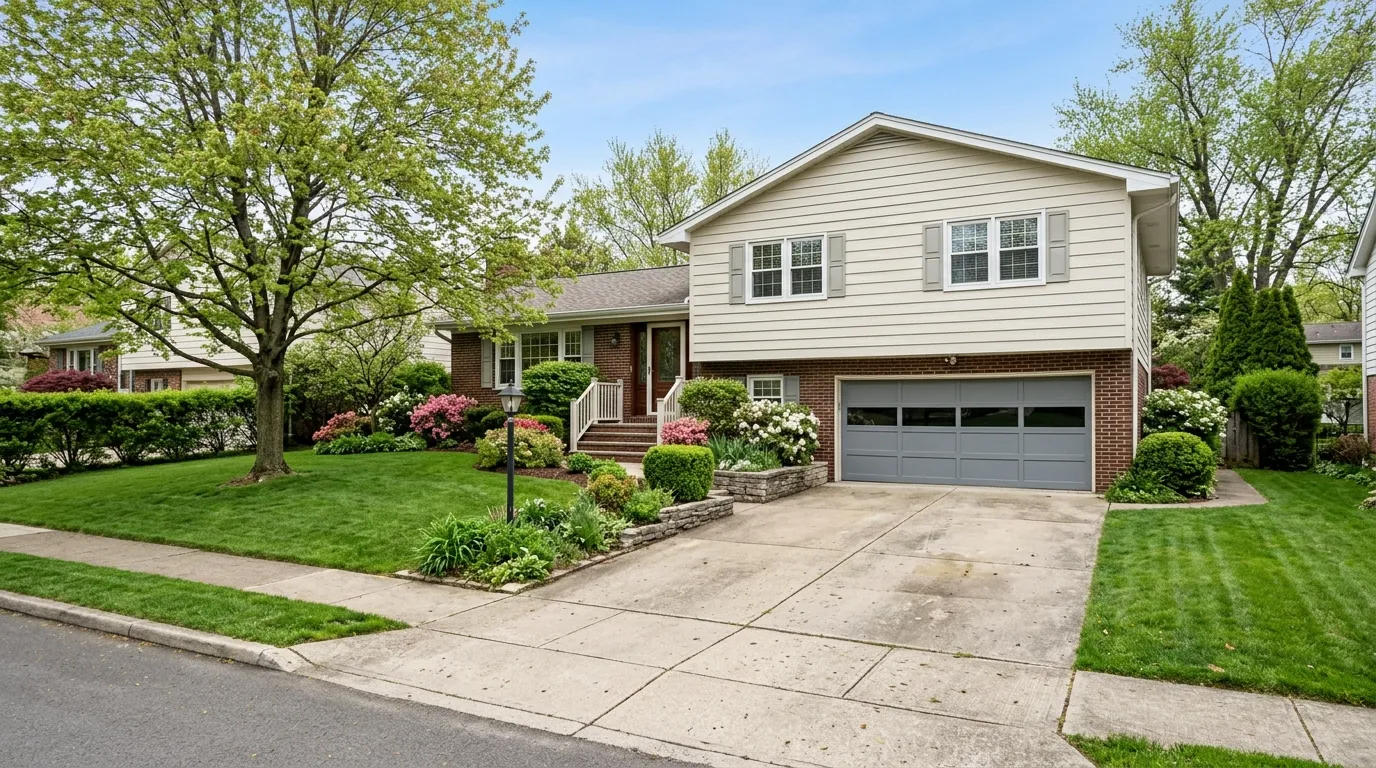
Scandia's housing stock skews older than what we see closer to Hugo - the median year built here is 1978, compared to the wider service area's 1980 median. That gap of a couple years doesn't sound like much until you're standing in front of the actual hardware: 1978 puts a lot of these garages right at the tail end of extension-spring-only construction, before torsion conversion became the standard retrofit. Some houses have since had torsion added during a door swap; plenty haven't. We can't tell you which is true of your garage without seeing it, but we can tell you that guessing wrong on spring type before ordering parts is the single most common mistake on a repair call out here.
What That Means for Doors
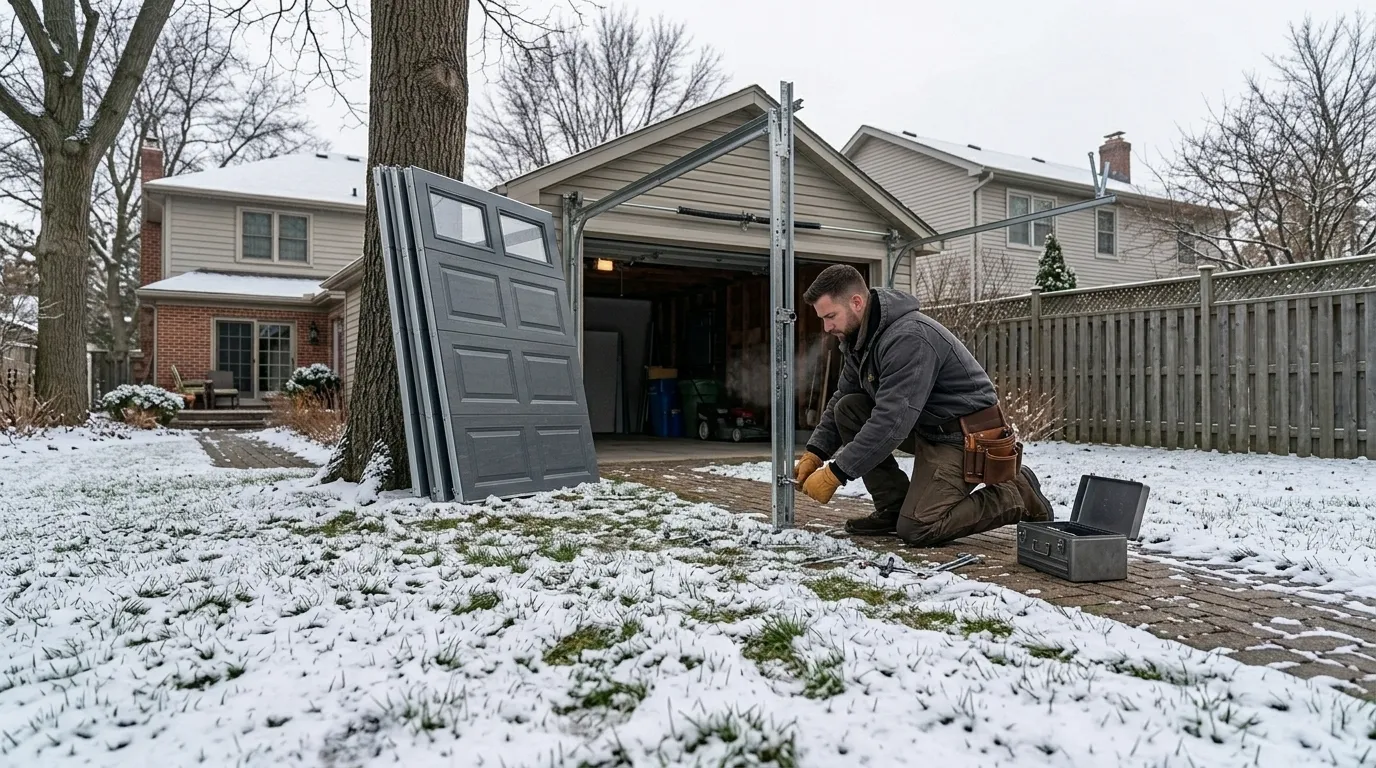
Minnesota's winters put real stress on any garage door, and this region sits in a cold-severe climate band - the kind of cold that stiffens grease, shrinks weatherseal, and makes brittle plastic idler pulleys snap instead of wear. On a door built around 1978, those pulleys are almost never the original part anymore, but whatever replaced them may not be rated for the cycle count a 45-plus-year-old door has racked up. We check spring wind type first on every Scandia call, not last, because assuming torsion on a door this old is how a technician ends up back at the truck for parts that don't fit. If your door groans loudest on the coldest mornings, that's consistent with what this area's hardware age and the climate band both point to - not a coincidence.
How it works
From “it’s stuck” to “it’s fixed”
1
Tell us what’s wrong
Describe the symptom - won’t open, loud bang, opener runs but the door won’t move.
2
On-site diagnosis
A technician tests the door under power and by hand and finds what actually failed.
3
Clear, up-front plan
You get the fix that’s needed and what drives the cost - before any work starts.
4
Repaired & tested
The repair is done, the door is set true and tested, and the work area left clean.
Serving Hugo, MN - tell us what your door’s doing and we’ll take it from there.
No. We run out of Hugo, about 9 miles away, and travel out to Scandia as calls come in. We don't advertise a local depot here because we don't have one, and we'd rather say that plainly than imply a presence we can't back up.
Why does my opener run but the door barely moves?
On a door built around the late 1970s, that's often a spring that's gradually lost tension rather than snapped outright. The opener isn't failing - it's trying to lift a door with a spring no longer doing its share of the work. It needs eyes on the spring, not a new opener.
Is my garage door old enough to have extension springs instead of torsion?
Possibly. Scandia's median year built is 1978, which is right in the window when extension-spring-only setups were still common before torsion retrofits became standard. We can't tell you which your door has without a look, but it changes the parts and the safety approach.
Does the cold actually cause problems, or is that just an excuse?
This area sits in a cold-severe climate band, and it's real: grease stiffens, weatherseal shrinks and cracks, and older plastic pulleys that have already outlived their expected cycles tend to fail on the coldest mornings rather than gradually.
Ready to get your garage door sorted?
Tell us what it’s doing and where you are in Hugo - we’ll take it from there.