What Neighbours Usually Call About
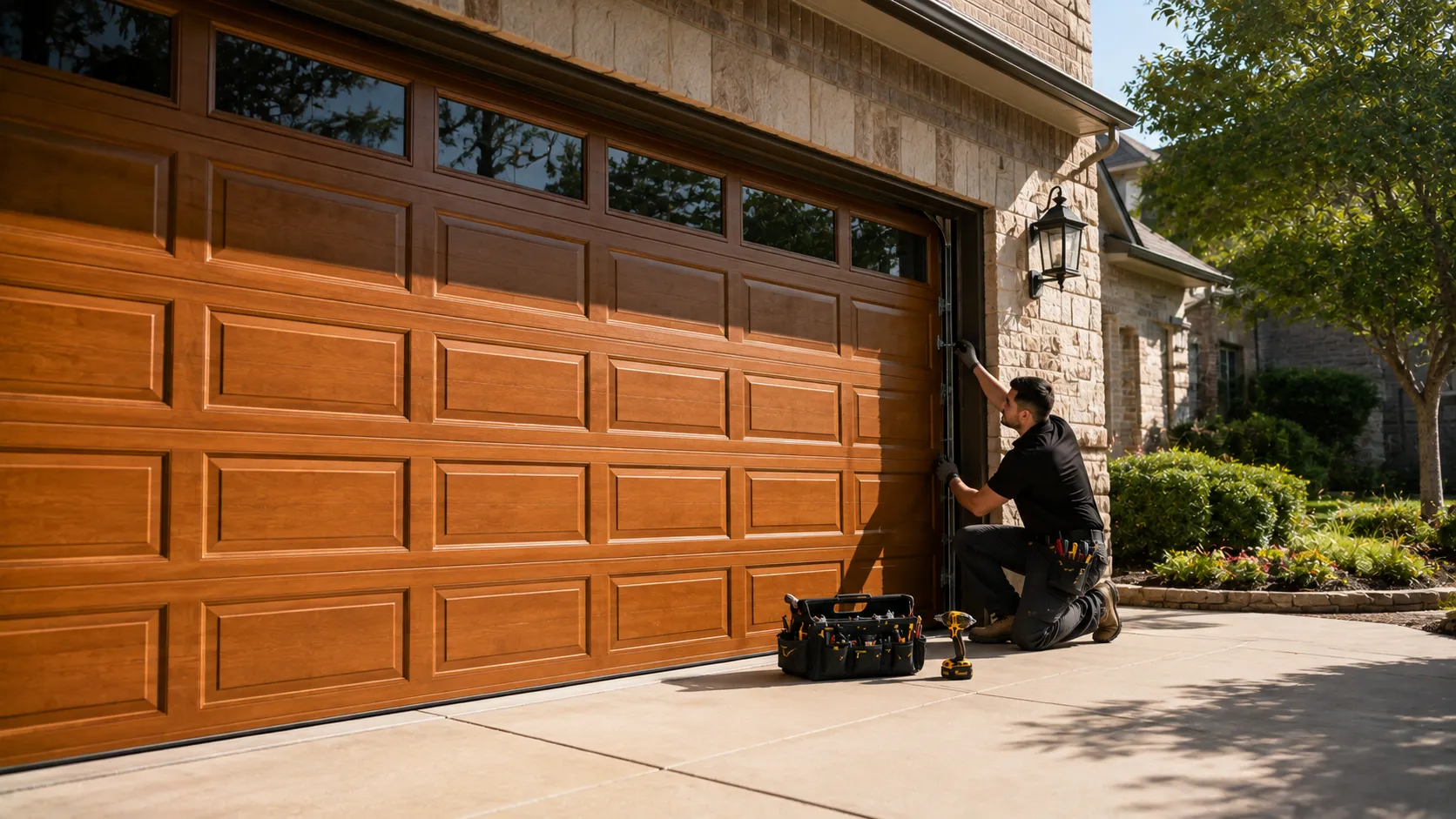
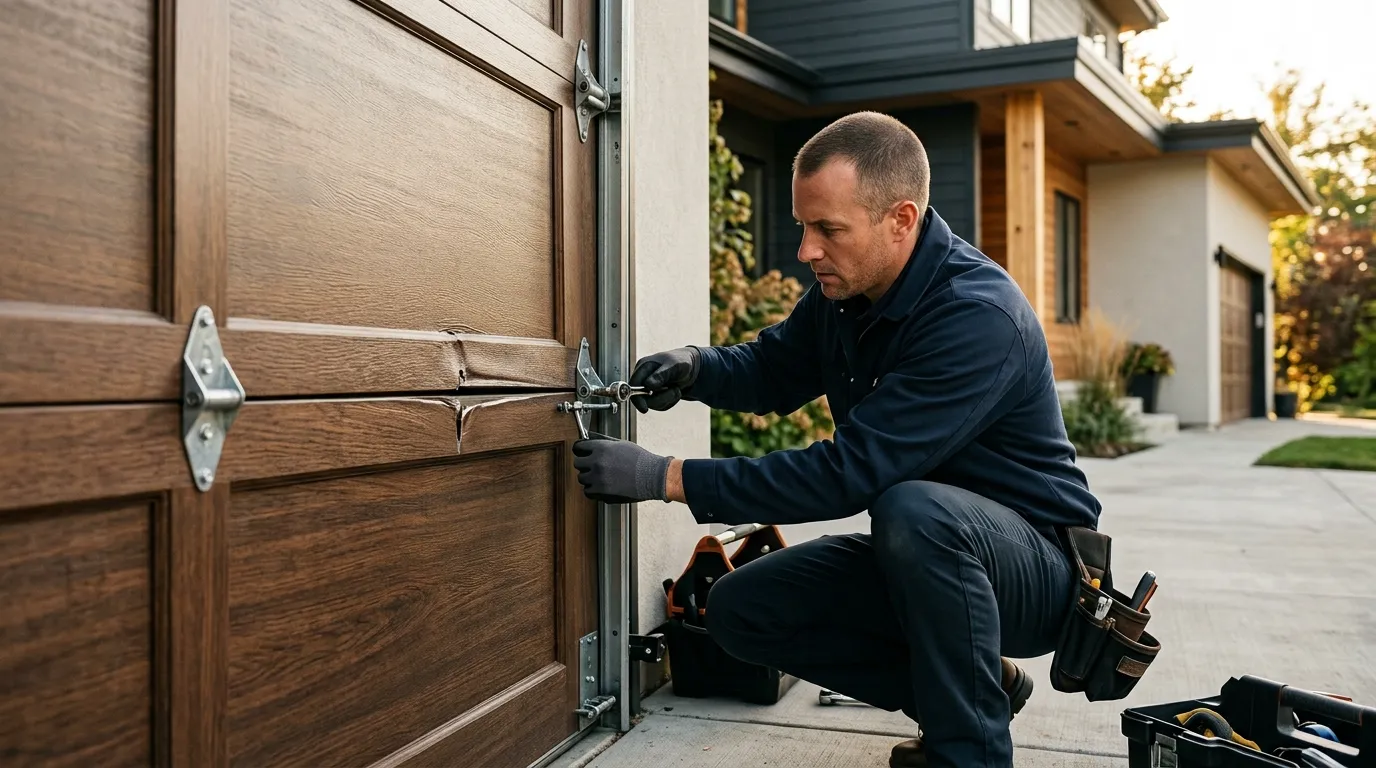
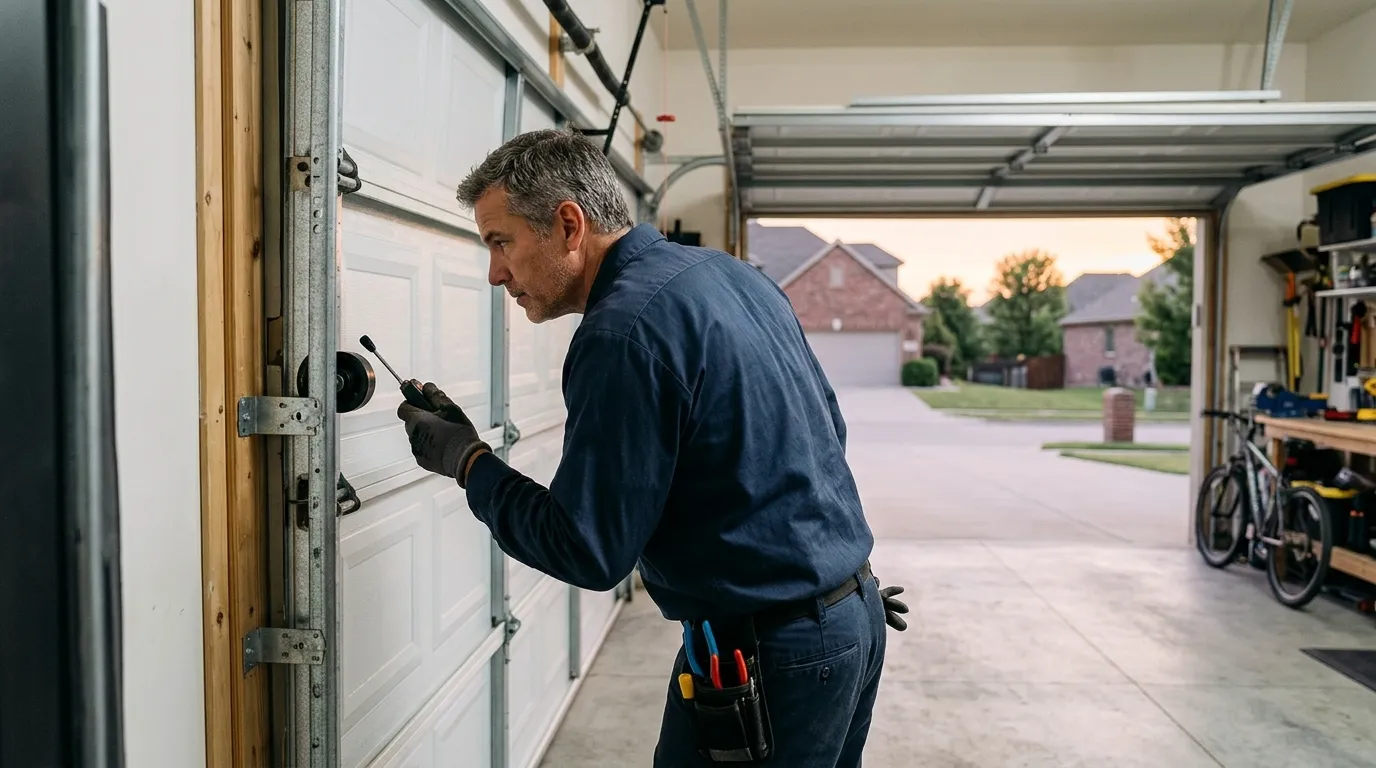
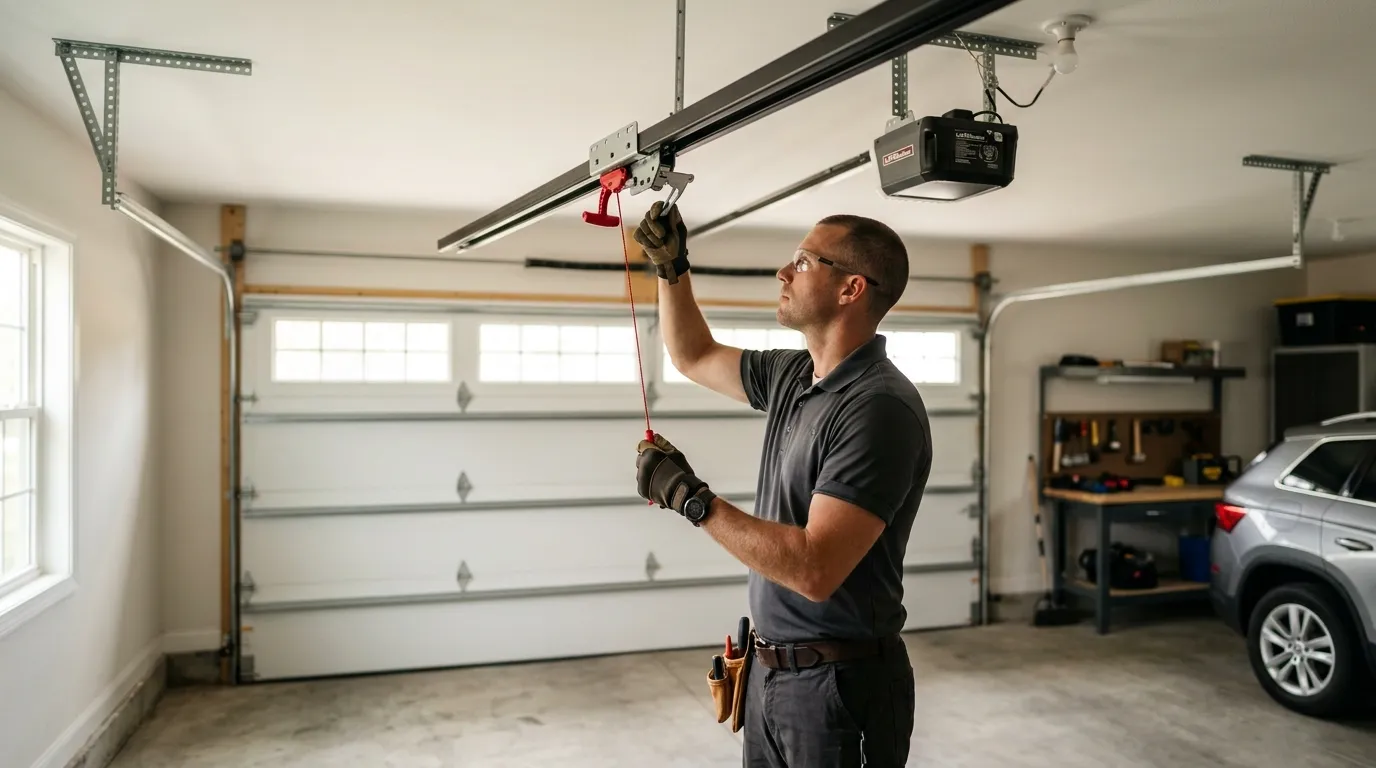
With a median build year of 1976, a lot of Mounds View garages are running steel doors from a period when panel gauges were thinner and insulation, if it exists at all, is a single layer of rigid foam glued to the back. The most common call is a torsion spring that's simply worn out from age, not from a single failure event - 45-plus years of cold-weather cycling adds up. Second most common: openers original enough that replacement parts are hard to source, so the fix becomes a full opener swap rather than a repair.
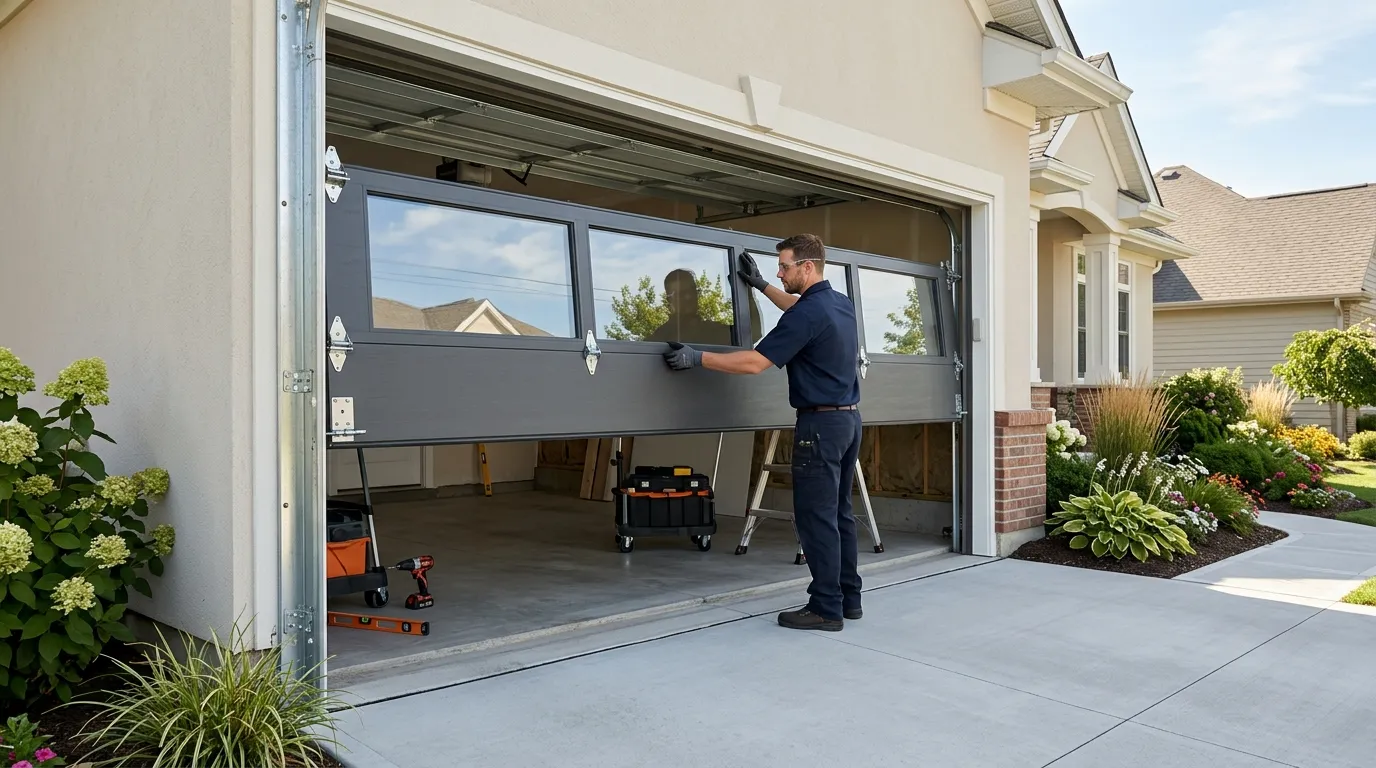
We also hear from owners whose doors have never been off-balance-tested. On a house this age, the spring tension was set for the original door weight, and if panels were ever swapped or the door itself replaced without recalculating spring wind, the door fights the opener on every cycle. That shortens opener life fast, especially with severe cold adding resistance to the rollers and hinges in January.
This Area's Housing
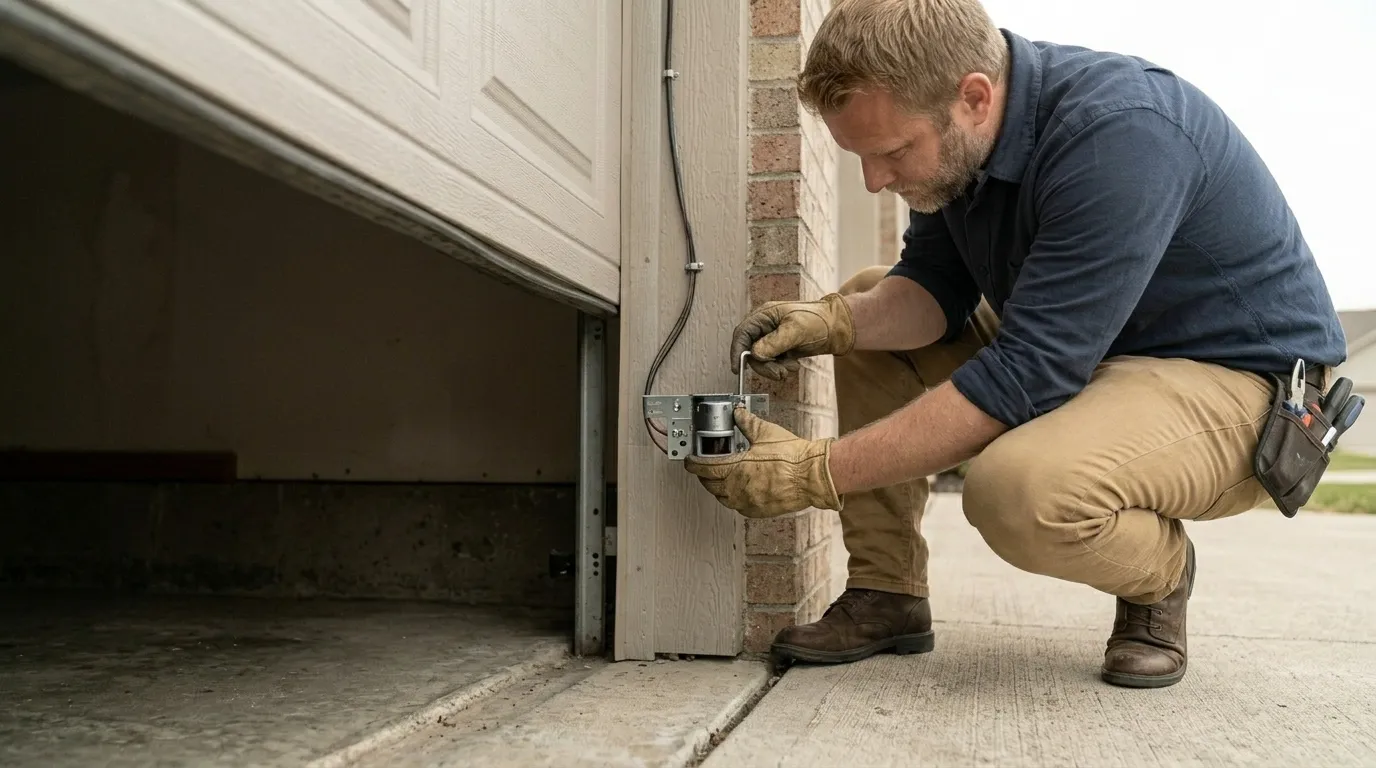
Mounds View sits about 13 miles from our Hugo shop, and its housing stock skews older than much of the rest of our coverage area - median year built here is 1976, compared with a median closer to 1980 across the wider service territory. That's not a huge gap on paper, but it matters for garage doors, because the mid-1970s was before most manufacturers standardized on the two-inch torsion tube and the safety reversal sensors that became mandatory later. With roughly 5,159 households in the area and a median income of $90,148, we see a mix of long-owned original homes and more recently updated ones, which means the hardware on any given block can vary widely even within the same era of house.
The practical upshot: when we get a call from this area, we don't assume a standard modern door. We ask about the age of the house and whether the door or opener has been touched since it was built, because that answer changes what's actually on the other end of the driveway.