Garage Door Service for Little Canada, 12 Miles from Our Hugo Shop
Hugo Garage Door Pros serves Little Canada's 1970s-era homes, 12 miles from our shop. Springs, openers and tracks sized for this area's original hardware.
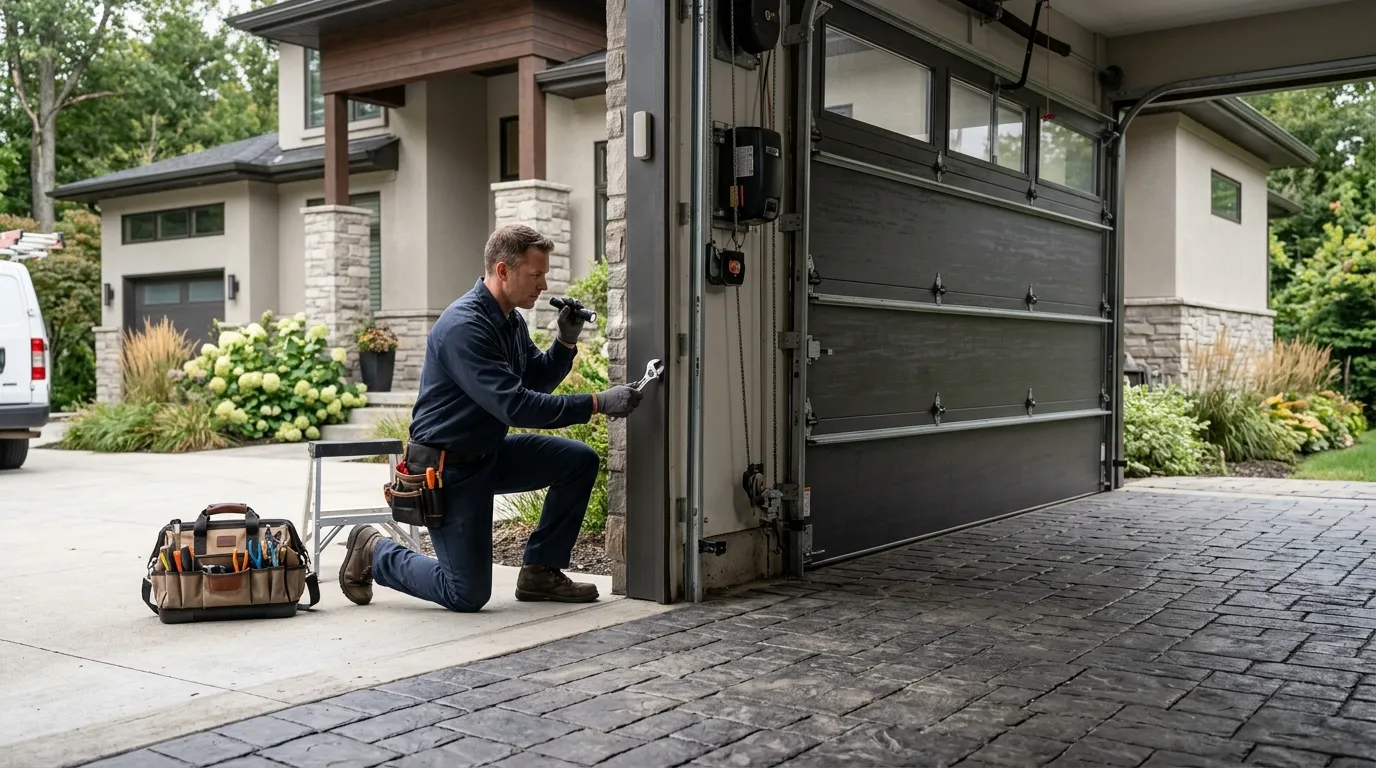
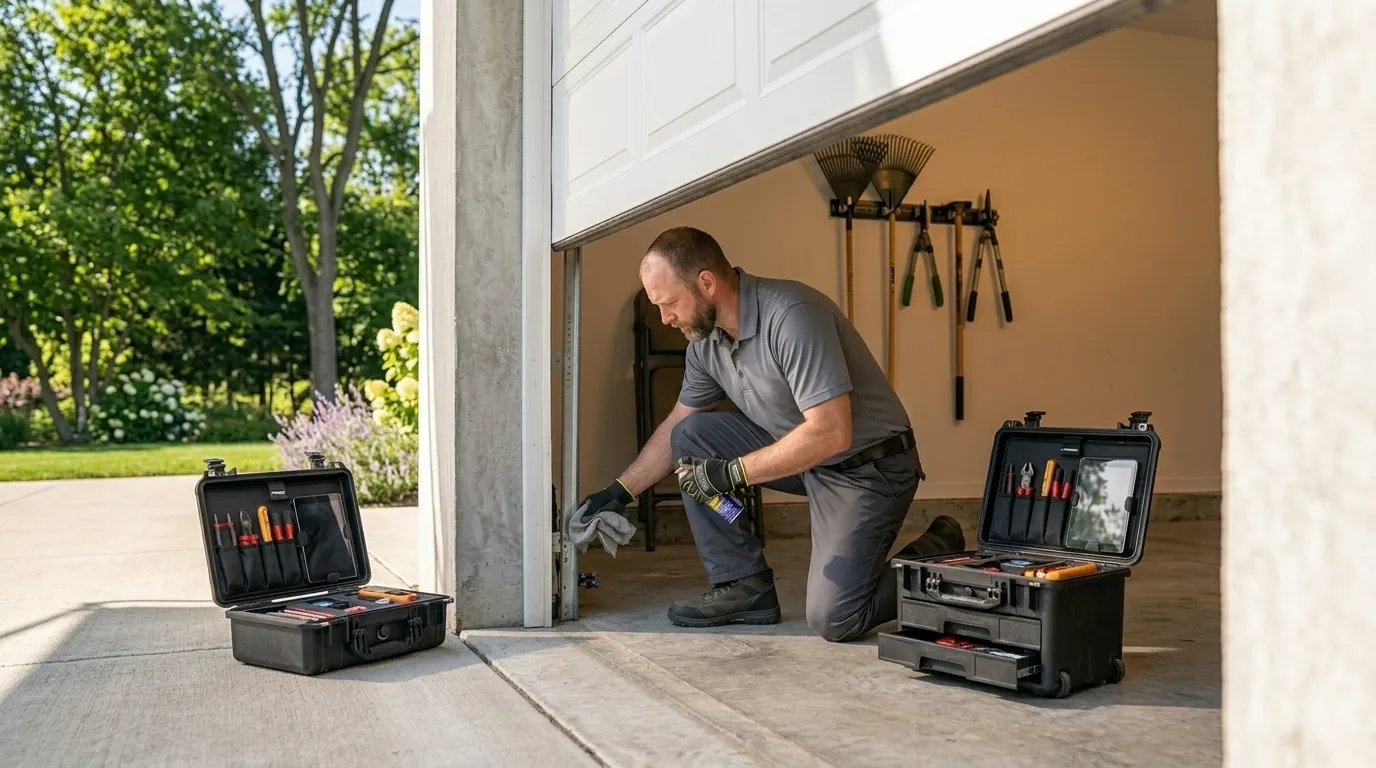
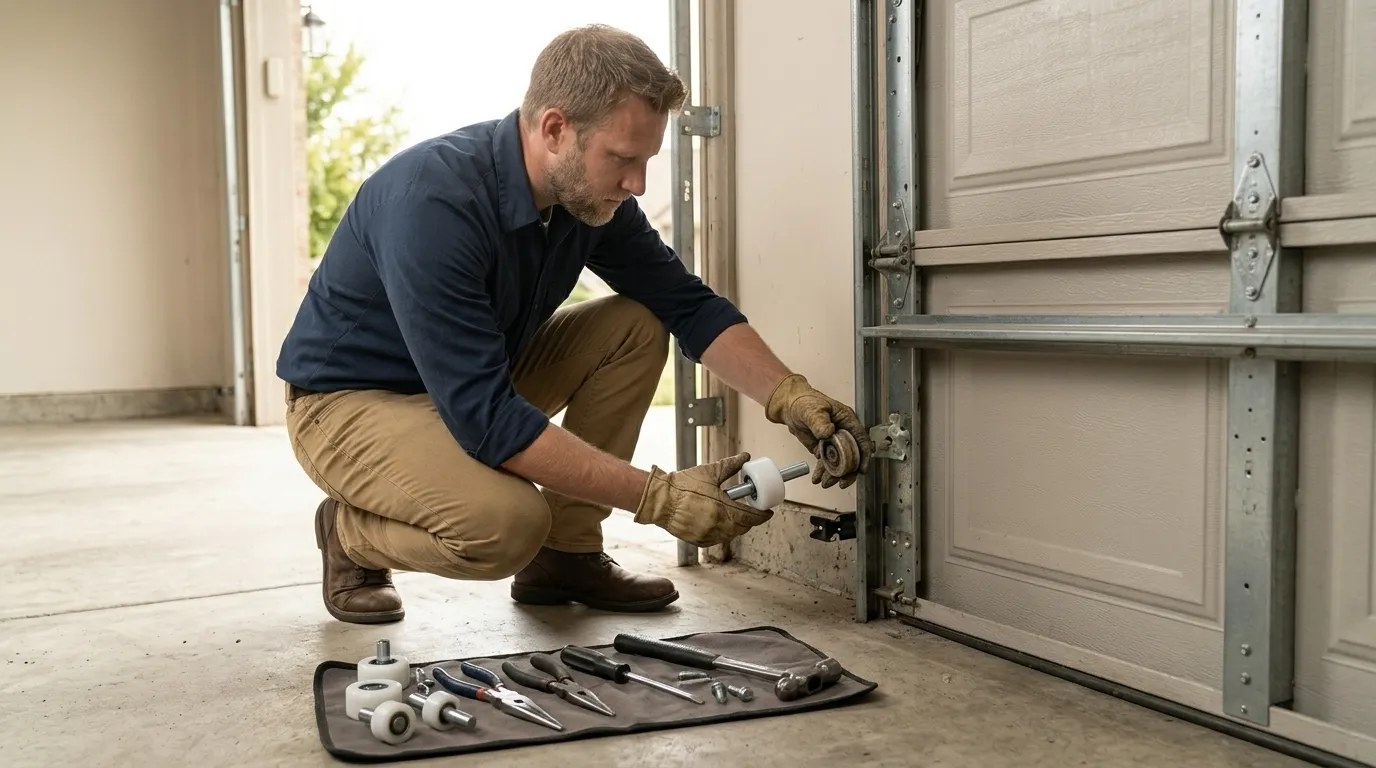
We drive 12 miles to reach Little Canada, so we're upfront about what doesn't make sense for a truck roll from Hugo. We don't do same-day emergency calls here the way we might closer to home - if your spring lets go on a Friday night, we'll get you scheduled, but we're not going to promise a rush that the drive doesn't support. We also don't stock every obscure panel size on the truck. Little Canada's housing stock runs mostly from the 1950s into the 1990s, and some of those older doors use track widths and hinge patterns that aren't common anymore. If we don't have the part on hand, we order it and tell you honestly how long that takes rather than jury-rig something that'll fail again in a year. And we won't sell a full door replacement when a $40 roller and a service call fix the actual problem. If your door is original to a house built around 1979, plenty of that hardware is still serviceable - we'll say so even when a new door would be the easier sale for us.
What Neighbours Usually Call About
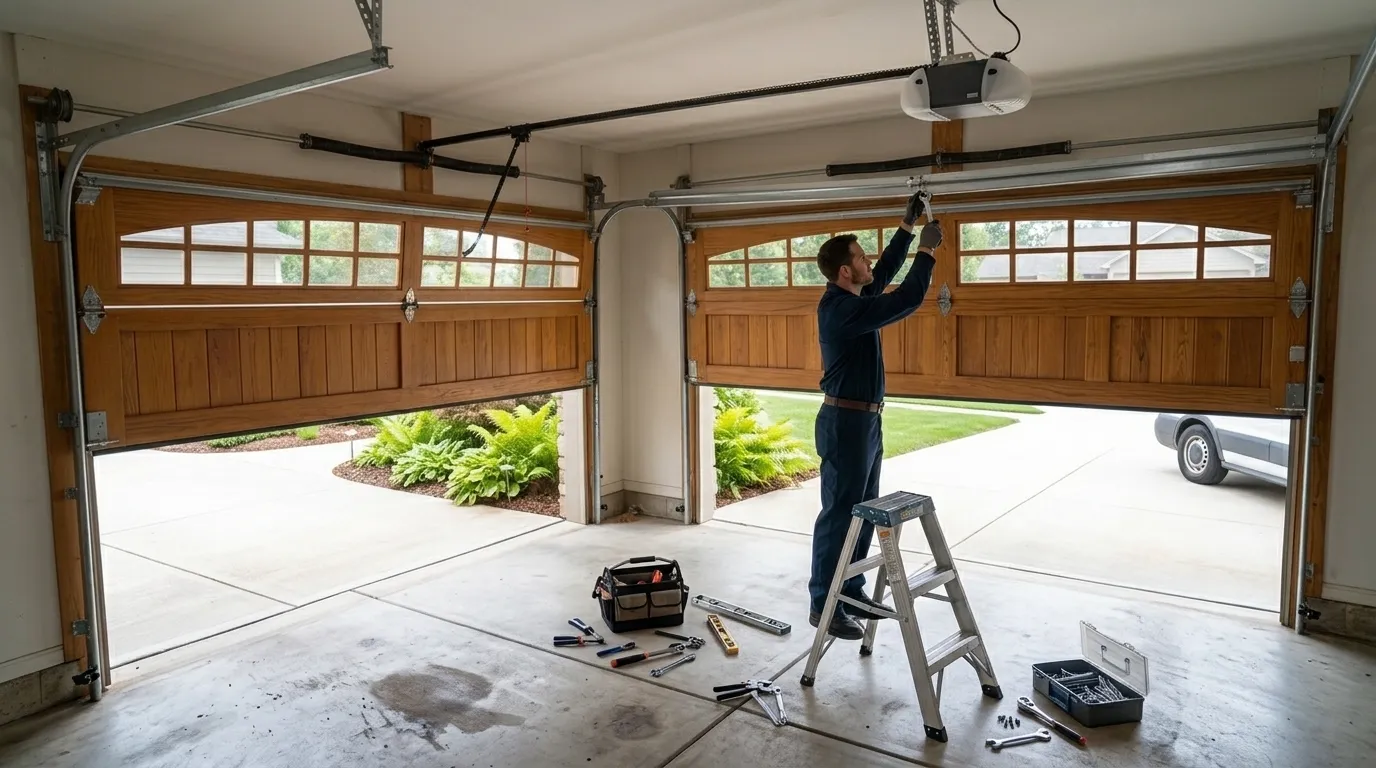
With about 4,575 households in Little Canada, the calls we get here cluster around a few patterns tied to the age of the housing. A lot of doors are original or one replacement removed from original, which means extension springs mounted along the horizontal track rather than the torsion springs that came standard on newer construction. Those extension springs wear differently - they stretch, the safety cables fray, and homeowners often don't know a cable is even supposed to be there. We also see openers from the chain-drive era that are loud, slow, and past the point where replacement parts are easy to find. Median household income in Little Canada runs $71,370, noticeably below the $100,759 figure for the wider Hugo service area, and that shows up in the calls too - more requests for a targeted repair, fewer for a full system swap. We respect that. A tightened track bracket or a lubricated hinge set often solves more than people expect.
This Area's Housing
The median home in Little Canada was built around 1979, which puts it squarely in the middle of the broader 1950-2002 range across the Hugo service area, but on the older side of that range rather than the newer. Houses from this era were typically built with single-car or narrow two-car garages, steel doors with minimal insulation, and openers rated for lighter loads than what's sold today. Some homes have been updated with newer doors over the decades, but the garage itself - the header height, the track clearance, the wall mounting points - usually still reflects 1970s framing standards. That matters when a homeowner wants to upgrade to a heavier insulated door or a wider two-car unit; the opening sometimes needs bracket work to accept modern hardware properly, not just a straight swap.
What That Means for Doors
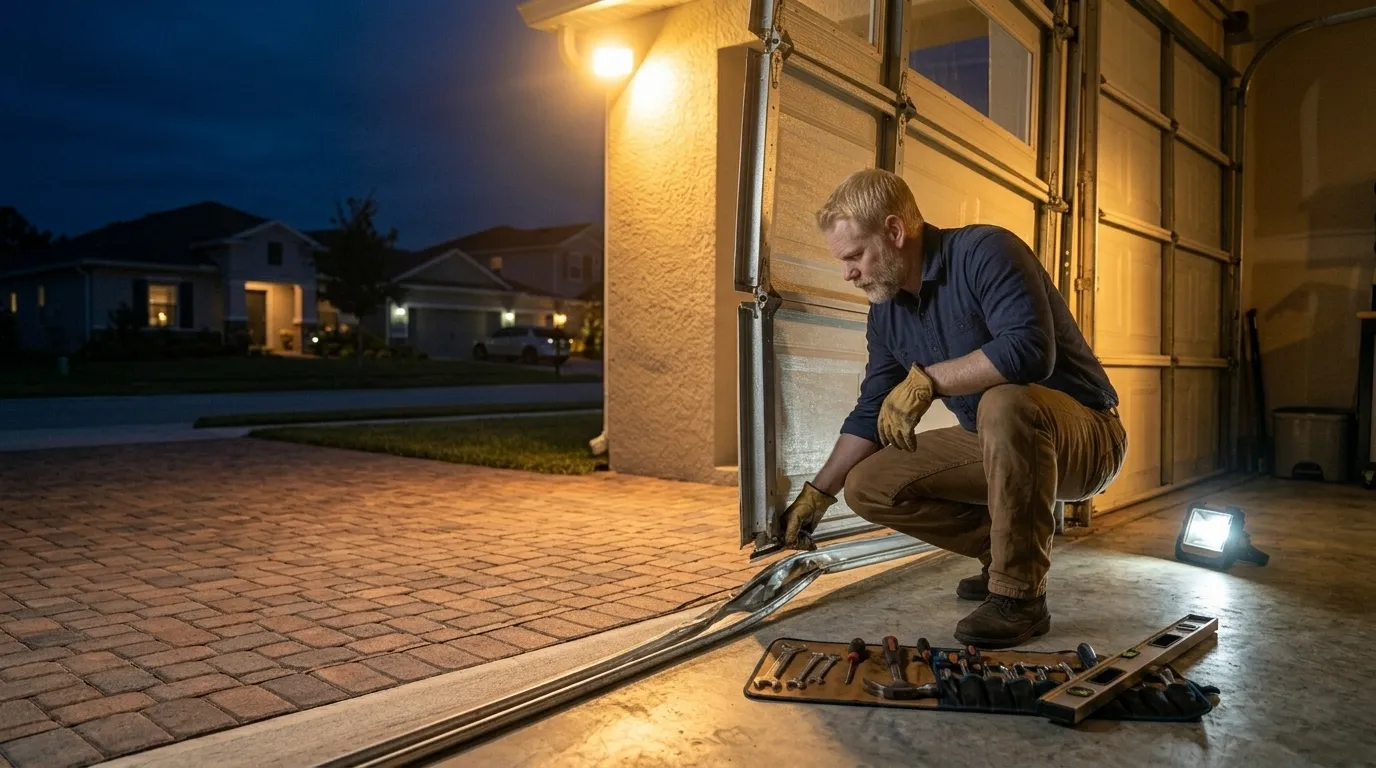
This region sits in a cold-climate band with severe winter conditions, and a door built to 1979-era standards wasn't engineered with today's insulation expectations. Steel panels from that period are thinner, seals harden and crack faster in sustained cold, and springs sized for a lighter original door can struggle once a homeowner adds insulation board or a heavier replacement panel without recalculating spring tension. We see this combination often in Little Canada: an older torsion or extension setup carrying more weight than it was designed for, working overtime through a Minnesota winter. The fix isn't always a new door. Sometimes it's re-tensioning springs to match the actual weight on the track, or replacing a bottom seal that's gone brittle. We'll tell you which one it is before we tell you what it costs.
How it works
From “it’s stuck” to “it’s fixed”
1
Tell us what’s wrong
Describe the symptom - won’t open, loud bang, opener runs but the door won’t move.
2
On-site diagnosis
A technician tests the door under power and by hand and finds what actually failed.
3
Clear, up-front plan
You get the fix that’s needed and what drives the cost - before any work starts.
4
Repaired & tested
The repair is done, the door is set true and tested, and the work area left clean.
Serving Hugo, MN - tell us what your door’s doing and we’ll take it from there.
It's about 12 miles. We factor that into scheduling rather than promising the fastest possible response - we'd rather give you an honest window than rush a job because we're racing a drive time.
Why does my garage door use extension springs instead of torsion springs?
Little Canada's median home dates to around 1979, and doors from that era commonly used extension springs mounted along the horizontal track. Torsion springs above the door became more standard later. Both work fine when maintained, but extension setups need safety cables that many original installs are missing.
Is it worth replacing an old door here instead of repairing it?
Depends on the door. If the track, header, and opener bracket are sound, a repair on a 1970s-era door is often the cheaper and faster fix. Replacement makes more sense when the panel itself is rusted through or the opener is failing alongside the door.
Ready to get your garage door sorted?
Tell us what it’s doing and where you are in Hugo - we’ll take it from there.