Where This Job Goes Sideways
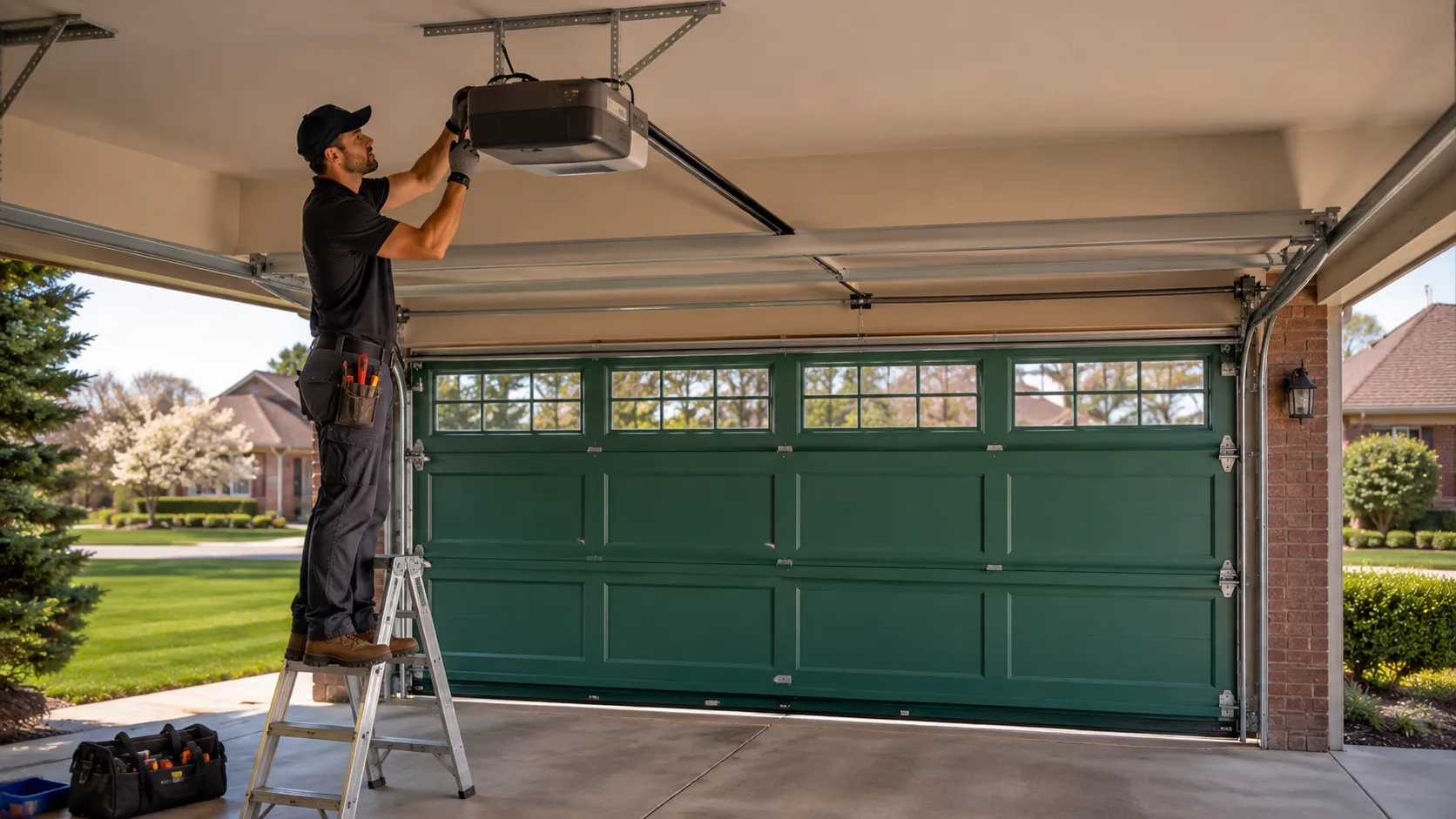
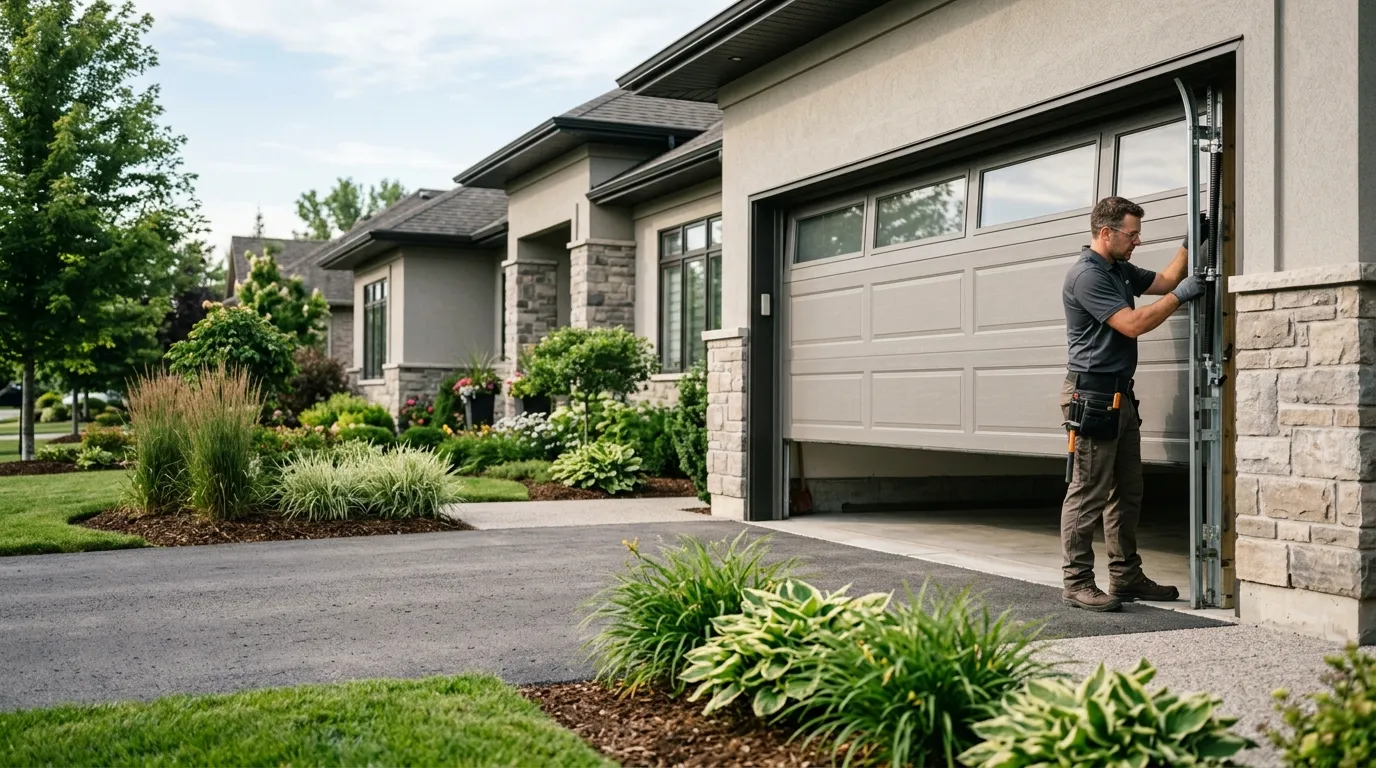
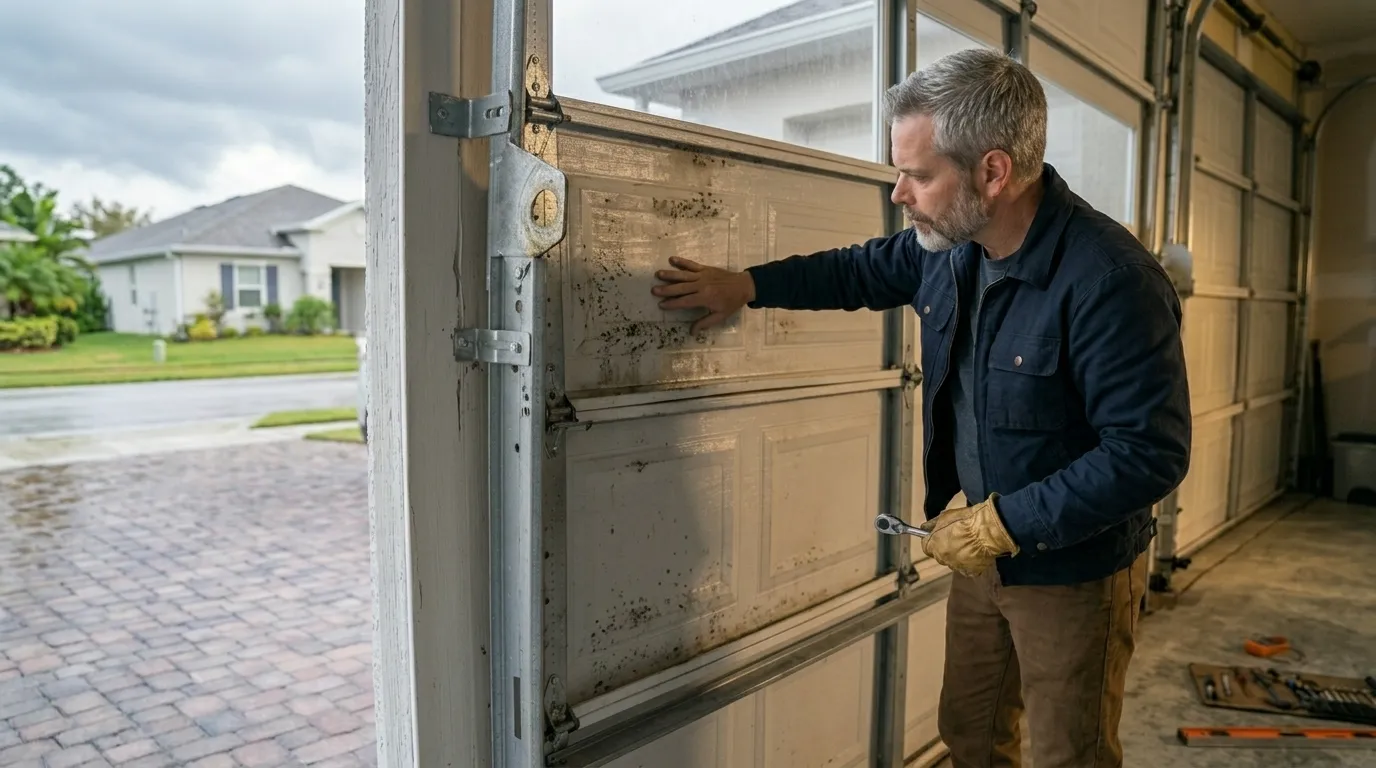
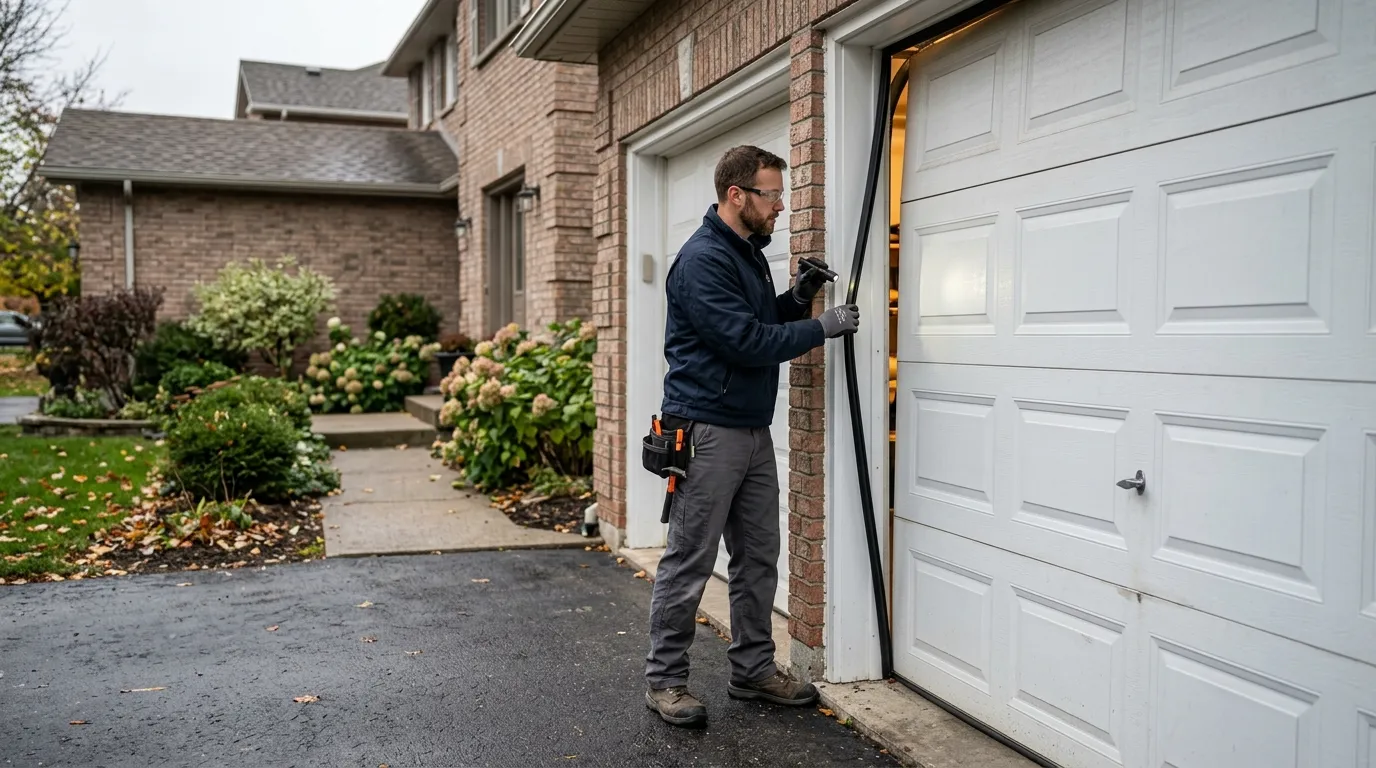
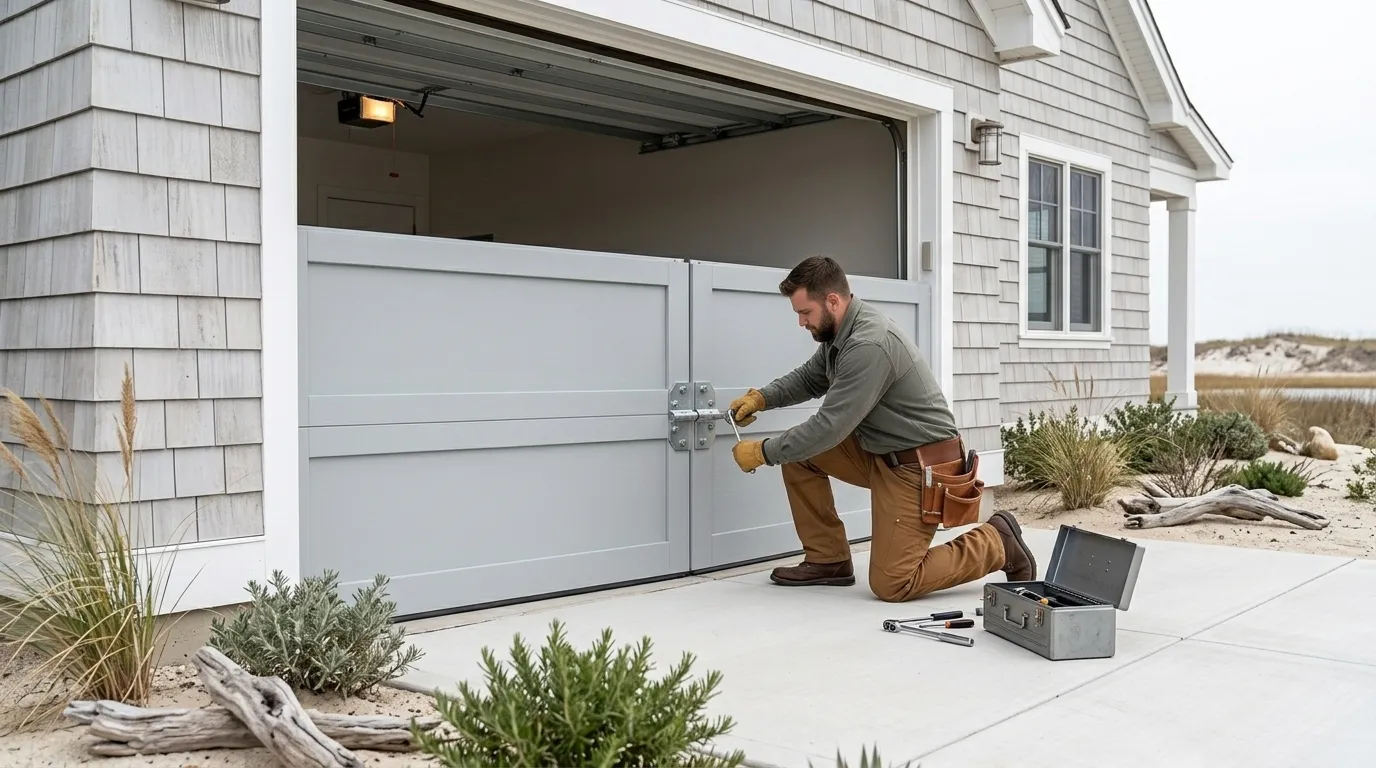
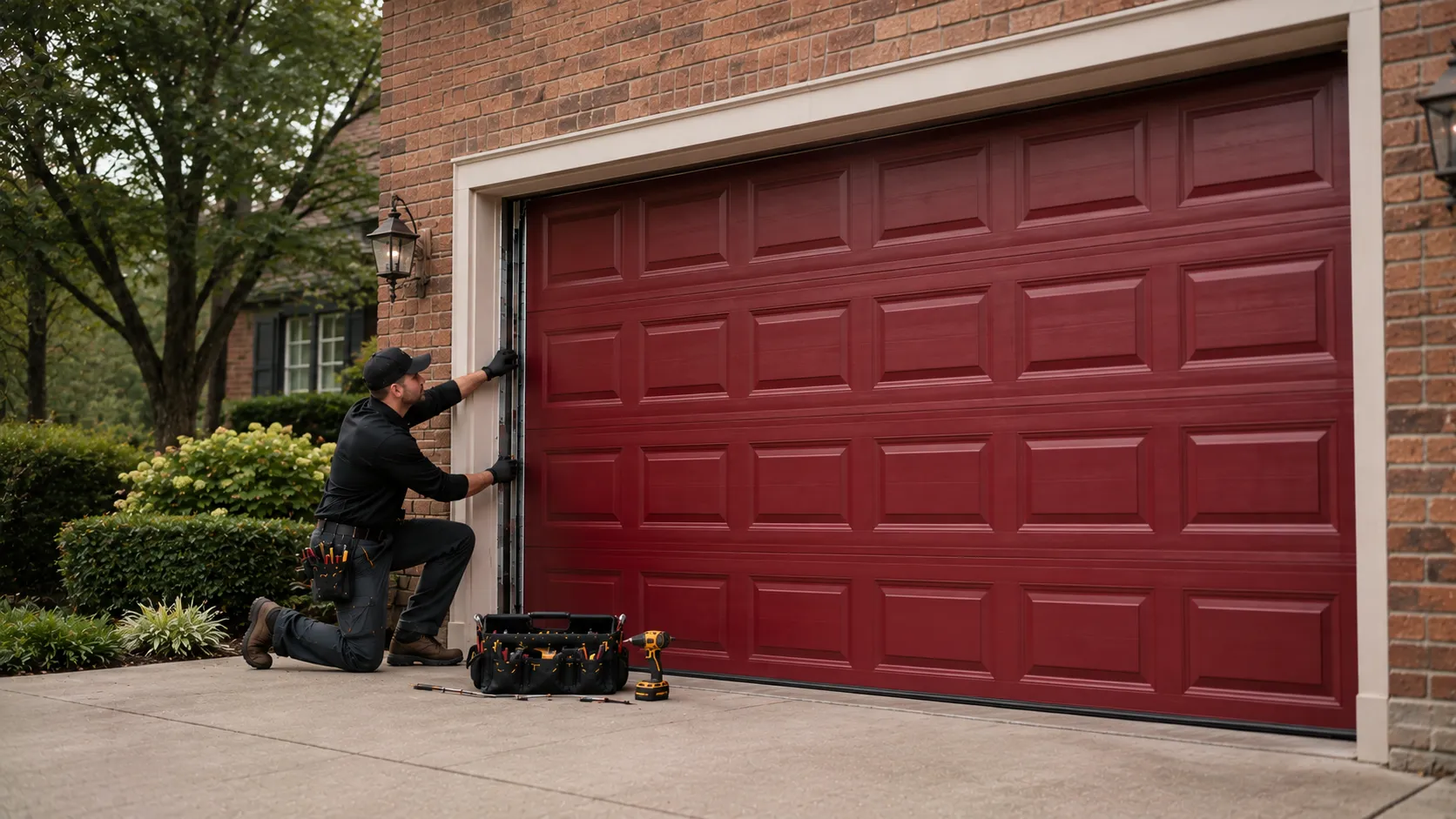
A door built for 1970s construction doesn't always sit in a 2020s-standard frame. Framing settles over 45-plus years, and headers that were square when the house went up aren't always square now. That shows up as a new door that won't seal evenly at the bottom or a track that needs more shimming than the install sheet accounts for. We also see openers original to the house - units old enough that the safety reversal sensors either aren't there or don't meet current code, which changes the scope of the job from "hang a door" to "bring the whole opening up to spec." None of that is a reason to avoid the job. It's a reason to expect the estimate to include a look at the jambs and header before we quote a number, not after we've already ordered the door.
How to Book
We work Arden Hills from our Hugo location, 12 miles out - there's no branch or drop-in counter here, so every job starts with a call or a request through the site. If your existing door is still working but rough - a spring going, a track out of alignment - that's a repair call, not an install, and the repair page covers that. For a full new-door install, tell us the rough age and size of your current opening when you reach out; on a 1977-era house that's usually enough for us to bring the right options on the first visit instead of a second trip to remeasure.
What Causes It Around Here
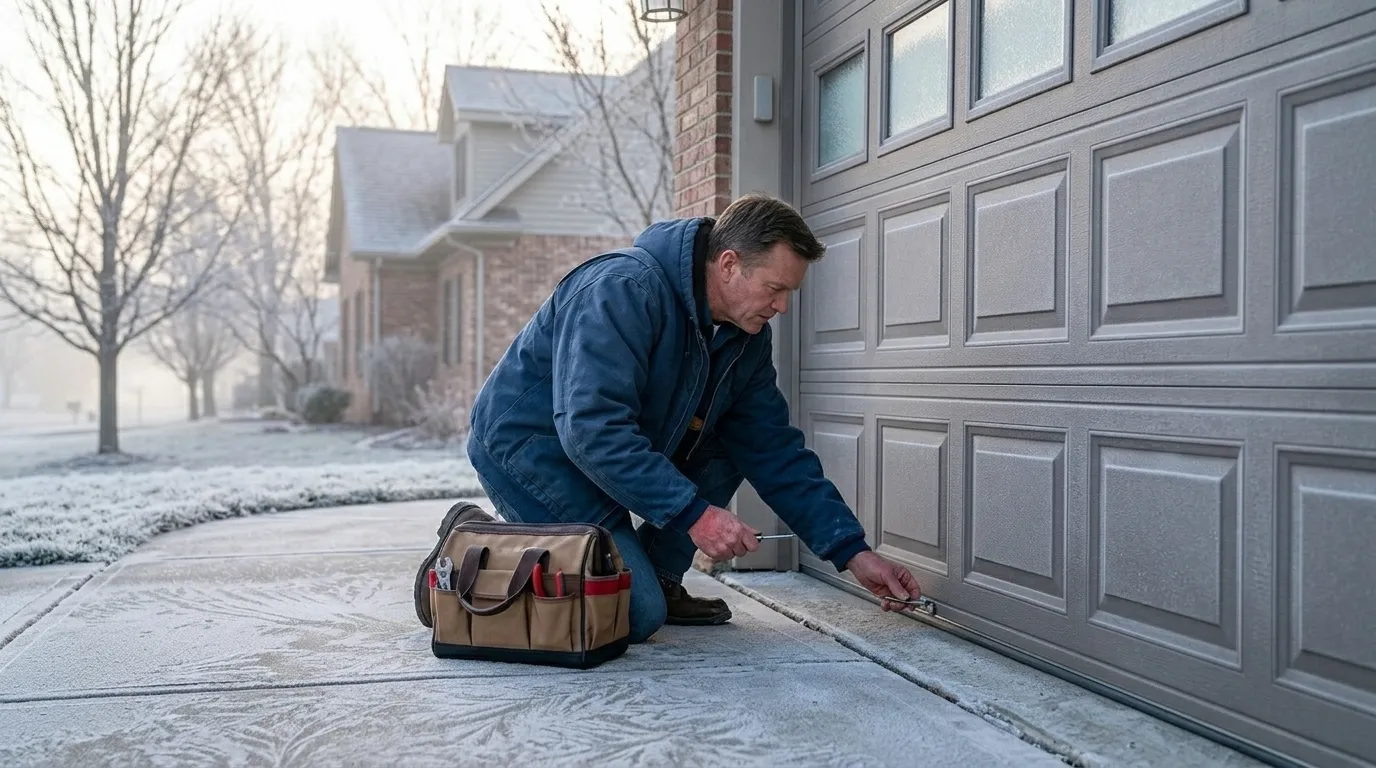
Arden Hills sits inside our COLD-severe climate band, and a door built for 1977 framing rarely has the insulation rating a modern winter here calls for. Single-layer steel doors from that era conduct cold straight through, which shows up as frost on the inside panel and a garage that never gets above freezing even with the house heated. That's not a failure, it's just what the door was built for at the time - 1980s-90s stock across our territory tends to run the same way. With median household income here running near $128,668 - well above the $100,759 average across our service area - most owners we see are replacing a working door for insulation and quiet, not because it failed outright. That's a different kind of job than an emergency repair, and it's worth planning rather than rushing.
The DIY Question
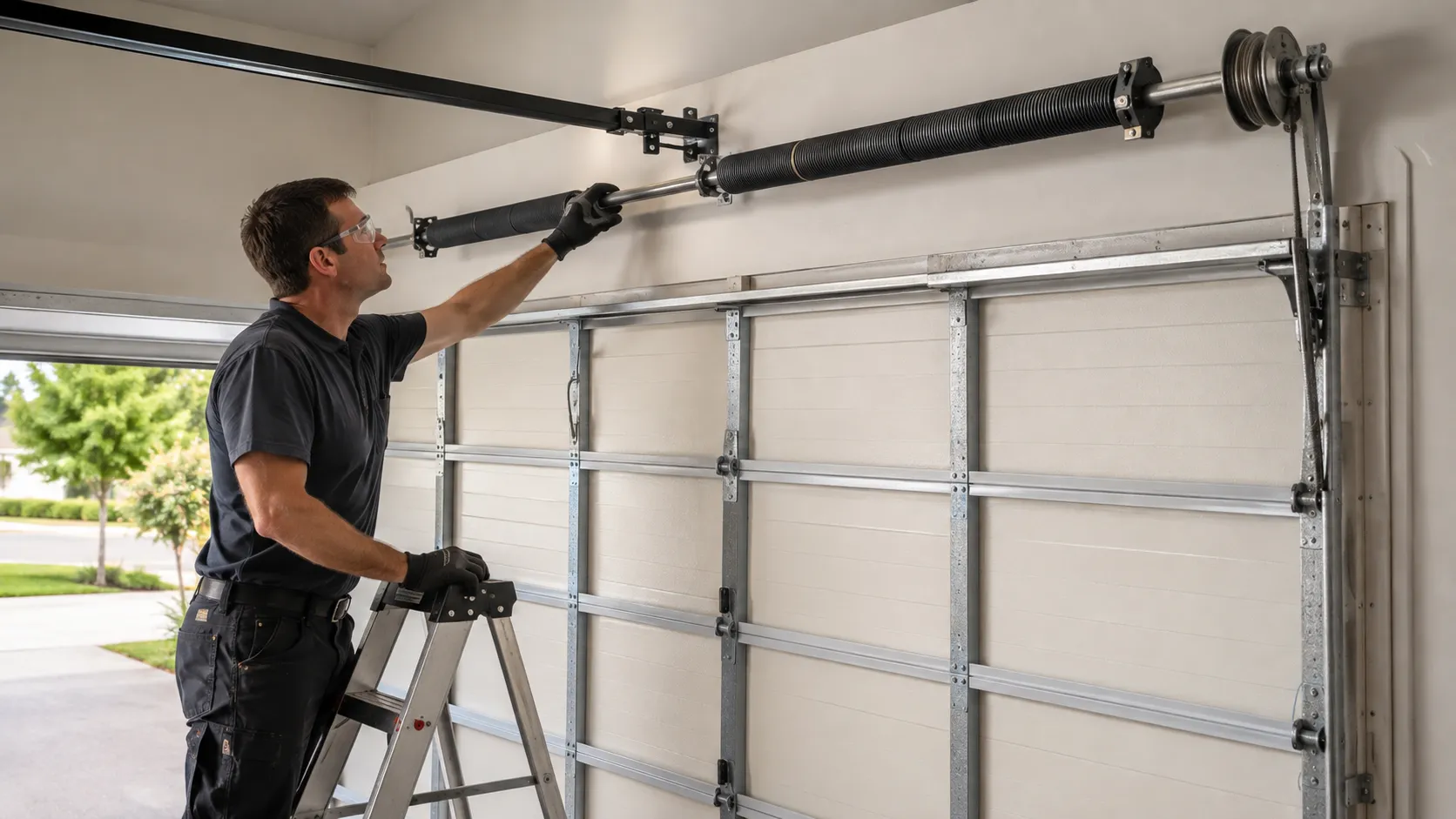
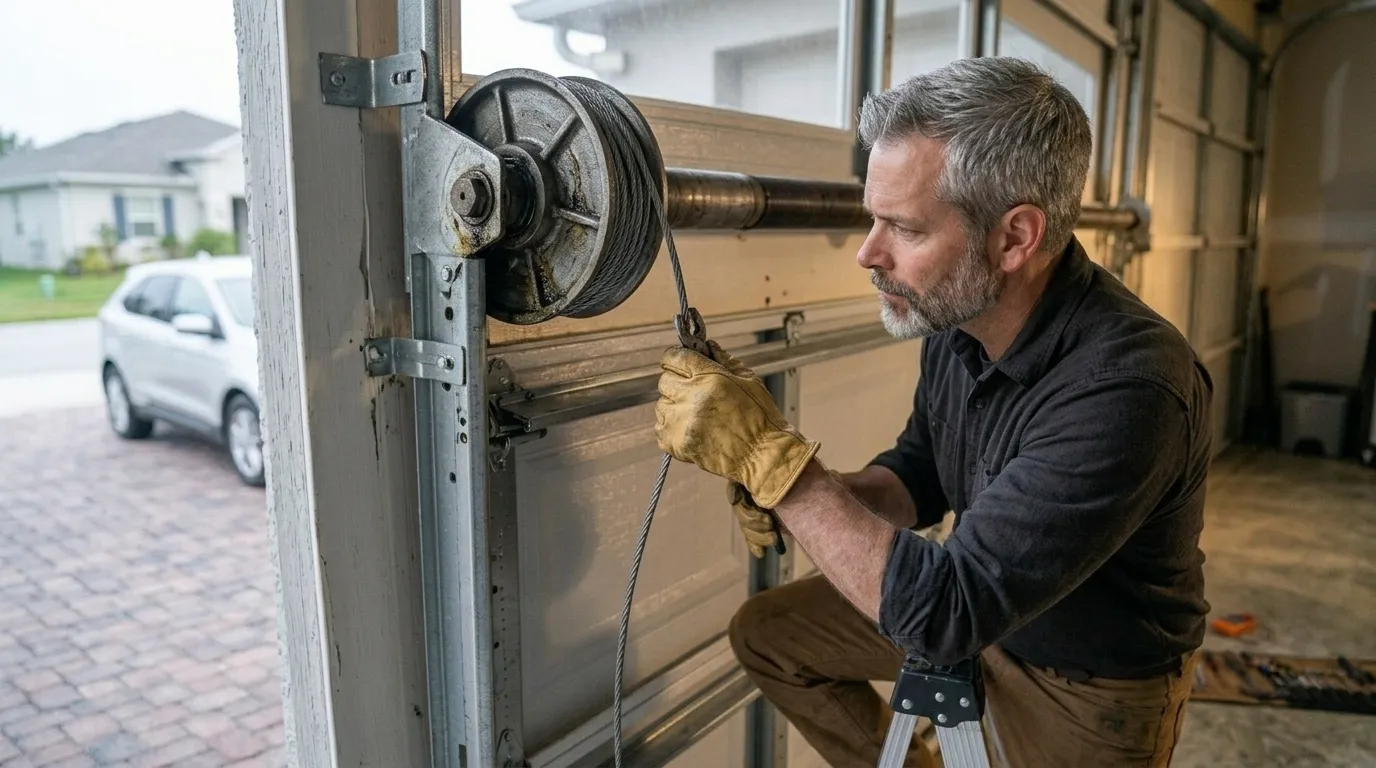
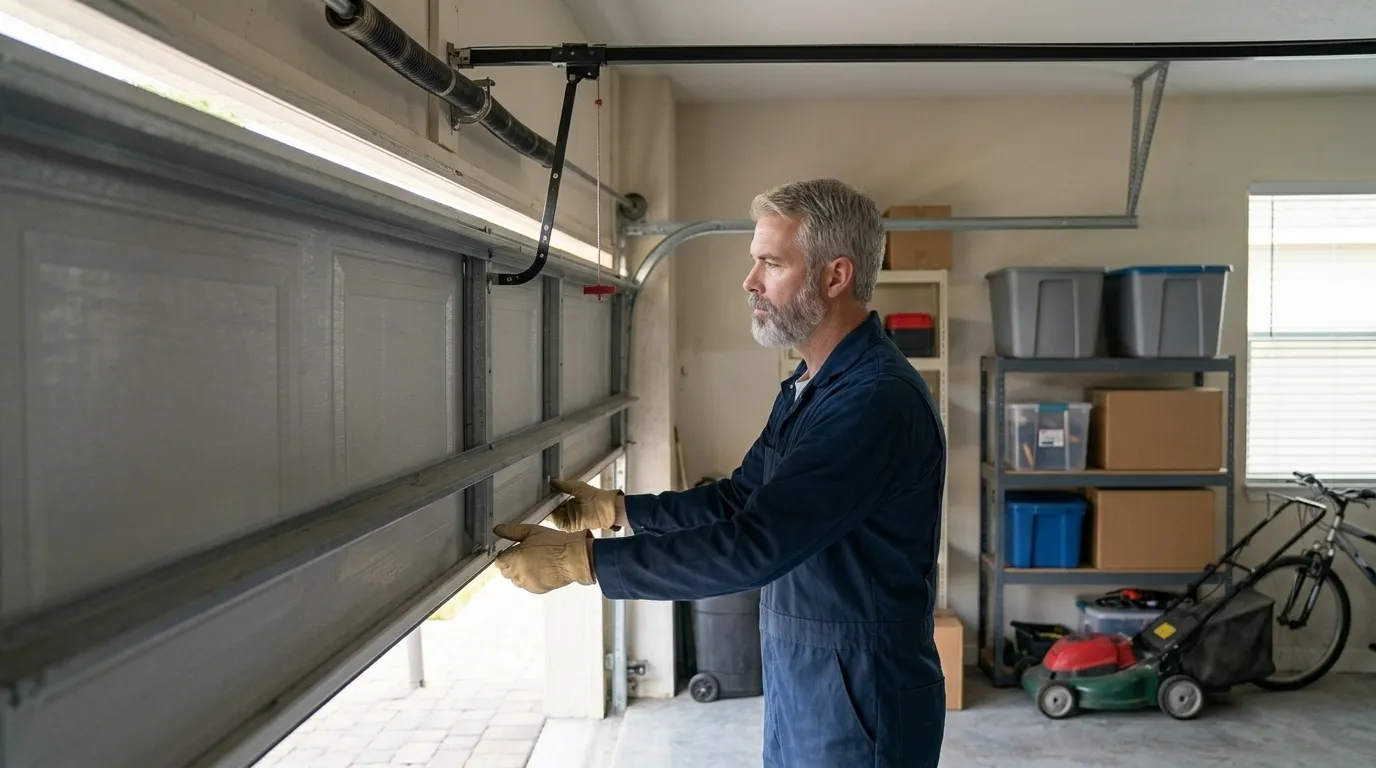
Swapping panels or resetting a track on a door this old is not a weekend project, and we'll say that plainly. Torsion springs on a door this size store enough force to cause a serious injury if the winding bar slips, and openers wired into 1970s-era circuits sometimes need an electrician involved before a new unit goes in safely. Where a homeowner can genuinely help: clearing the opening, taking rough measurements ahead of the call, and deciding on style and color before we show up, since that's the part that slows a job down more than the mechanical work does. What we won't do is talk you into replacing a door that's cosmetically dated but mechanically sound - sometimes new springs and a service call solve the actual problem for less than a full install, and we'll tell you that on the visit. Full company details and other service info live on the Hugo installation page.