Where This Job Goes Sideways
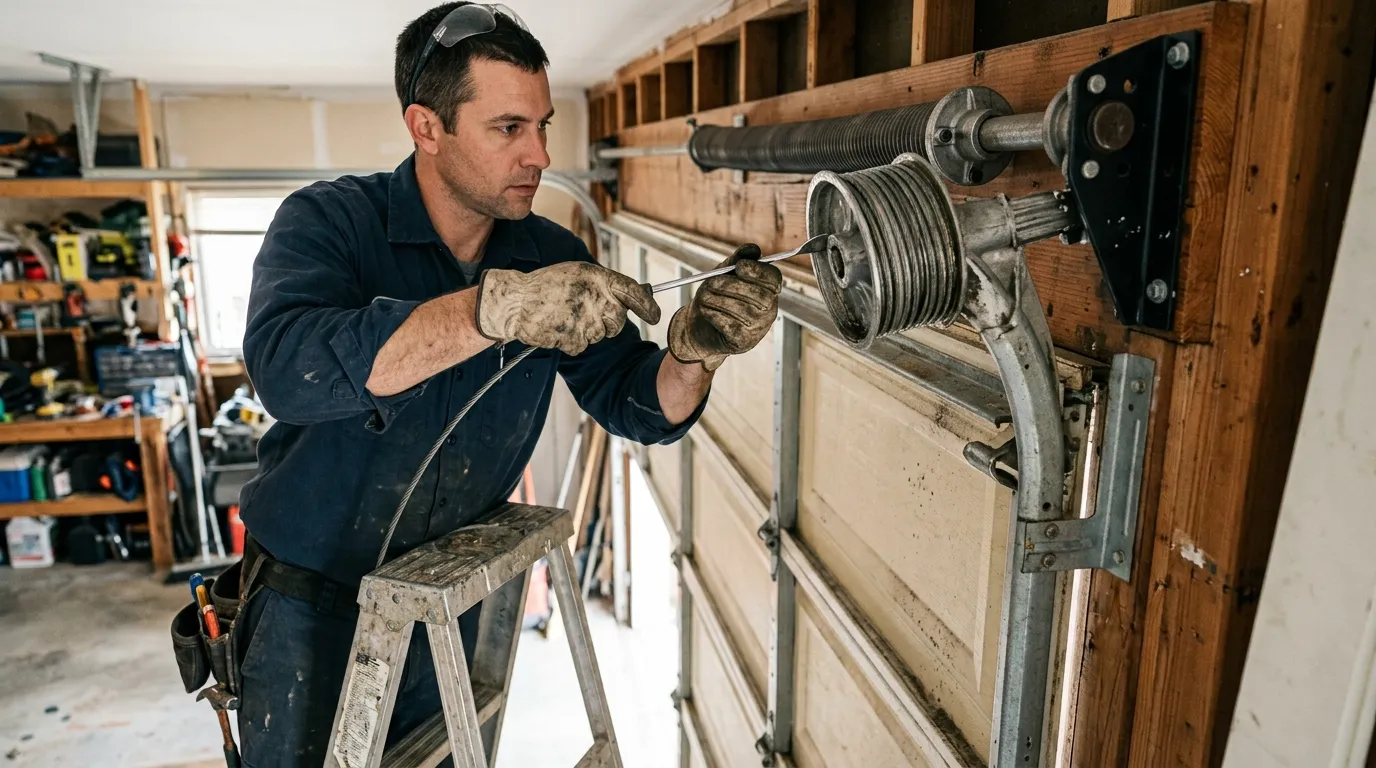
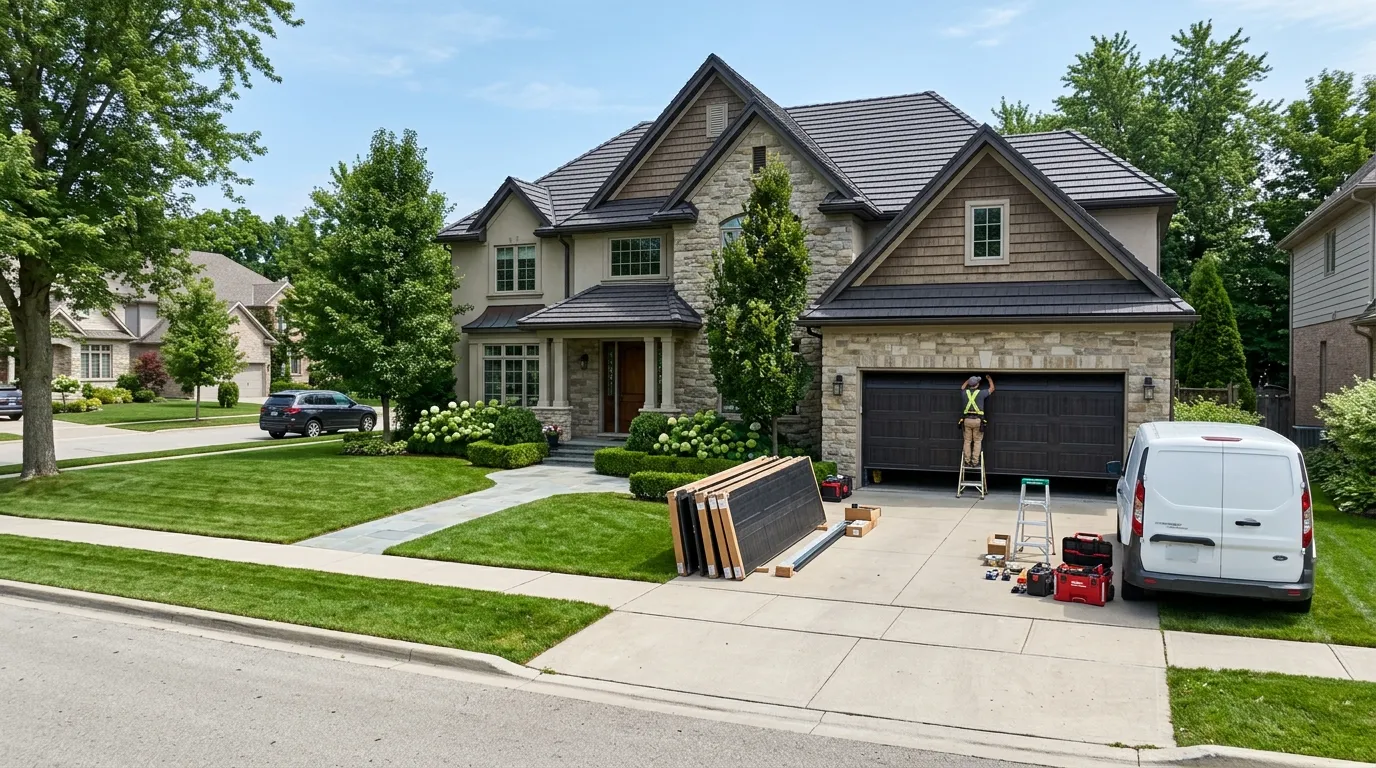
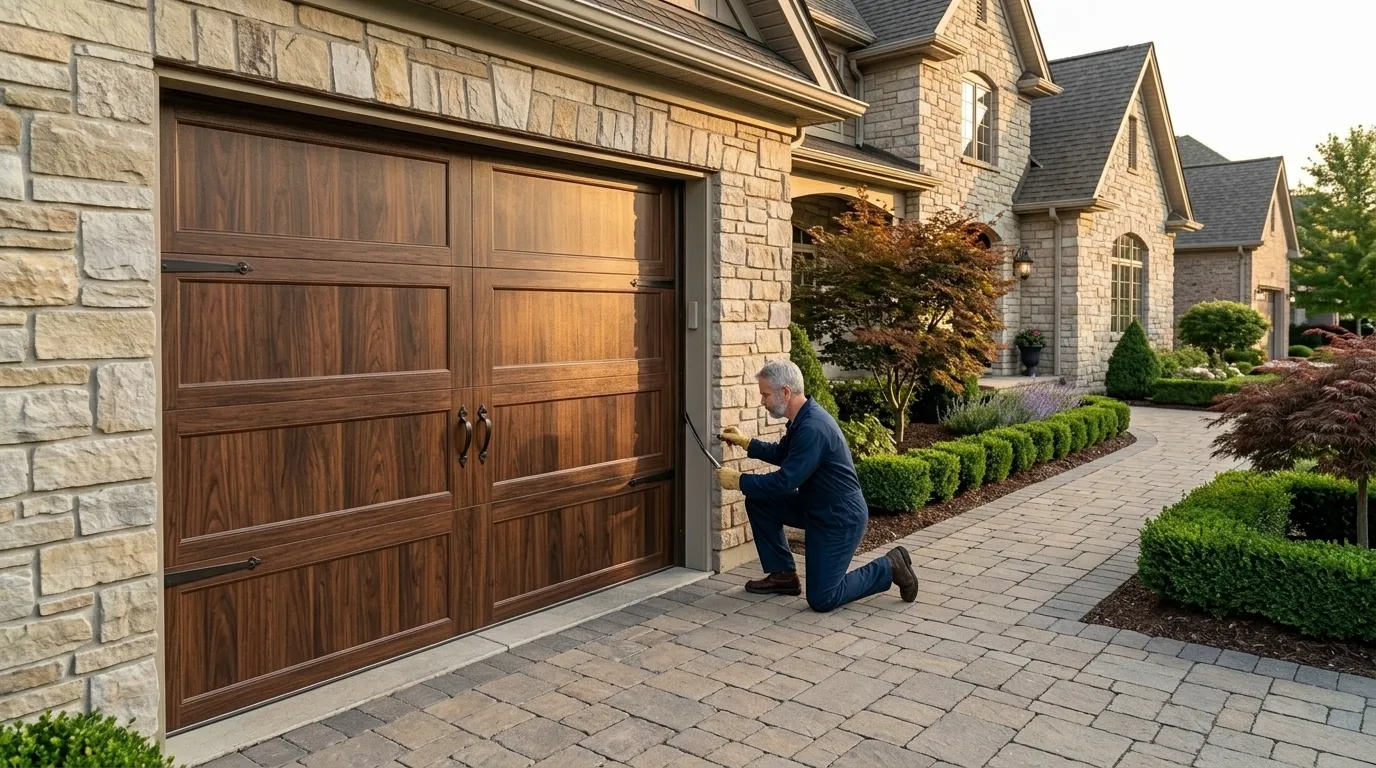
A door built for the 1977 standard often has hardware nobody has touched since it was installed - the track brackets are original, the fasteners have rusted into the wood jamb, and the panel itself may have flexed enough over the decades that it's no longer square. On a job like that, replacing a spring or a cable is straightforward, but the moment we open up the header we sometimes find the track bolted to jamb wood that's soft or split, which turns a 30-minute spring swap into a bracket rebuild. We won't hide that from you mid-job. The other place it goes sideways: openers from that vintage sometimes run on a chain-drive unit with a sensor system installed later as an add-on, and the wiring doesn't always match what a new safety sensor expects. That's a diagnosis call, not a guess, and it's why we look at the whole door before quoting a fix.
How to Book
We run out of Hugo, about 12 miles from Arden Hills, so we're not sitting on standby around the corner - book ahead rather than expecting a same-hour arrival. Call or use the request form and tell us the door's approximate age and what it's doing (won't open, off track, loud, opener runs but door doesn't move). That lets us load the right spring size and hardware before we leave the shop instead of discovering it on-site. If you know your house was built in the late 1970s, mention it - it tells us a lot about what we'll find before we even pull into the driveway.
What Causes It Around Here
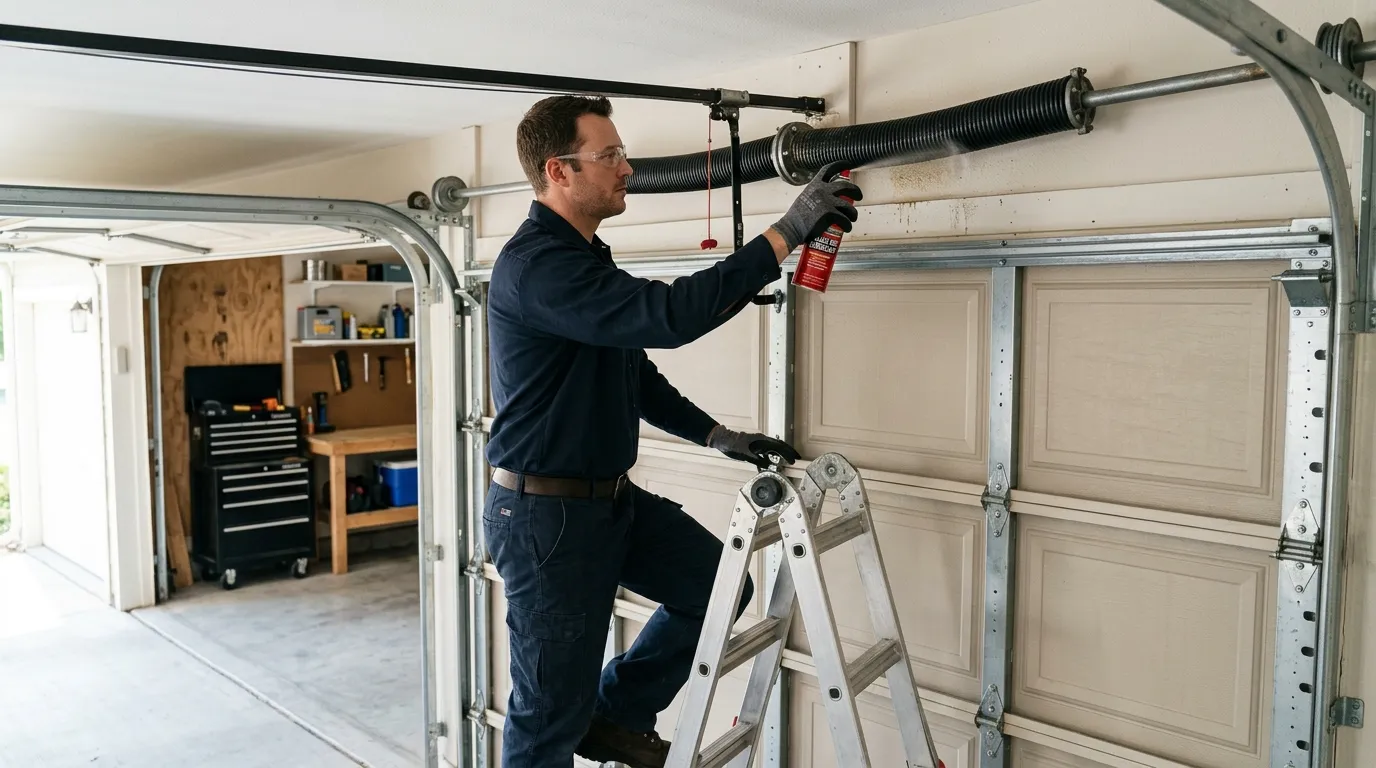
With most of the area's housing dating to 1977, the leading cause of service calls is simple age: torsion springs are rated for a number of cycles, not years, but a spring installed when the house was built has usually seen 30-plus winters of extra strain from cold-stiffened steel. Minnesota's severe cold climate band matters here - steel contracts in deep cold, and a spring that's already near the end of its cycle life is far more likely to snap on a January morning than a July afternoon. Original steel doors without foam insulation also sag and rack over decades of temperature swings, which throws off track alignment and causes the rollers to bind. It's less about a single bad part and more about several original-era components all aging out around the same time.
The DIY Question
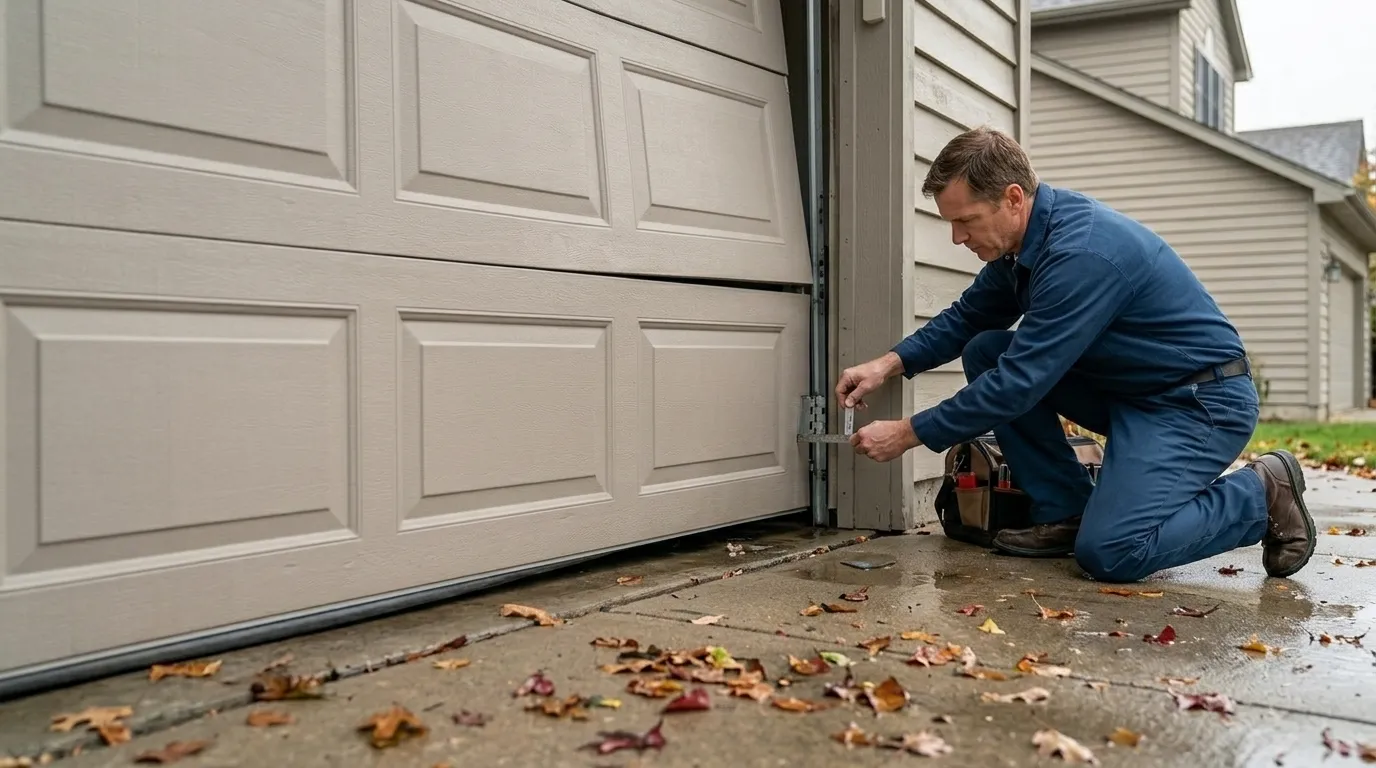
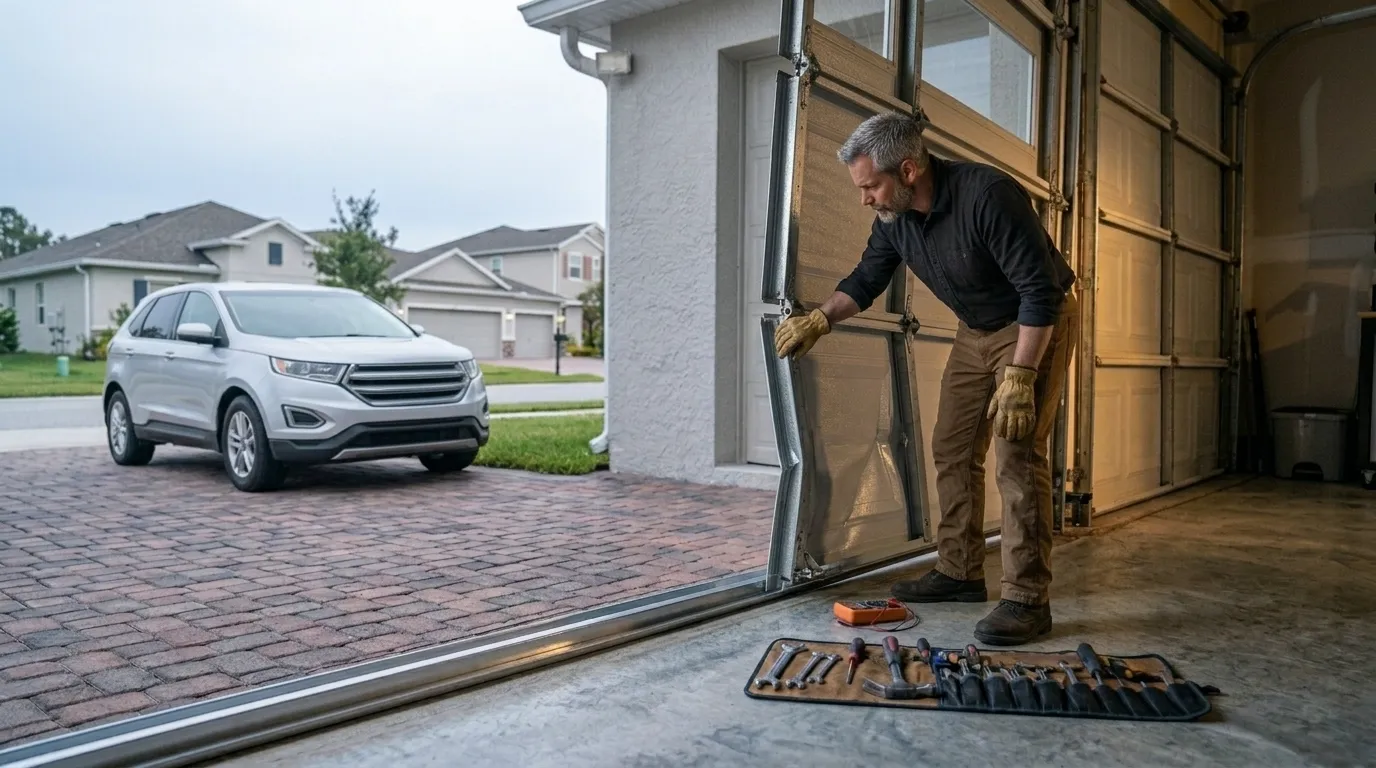
Adjusting an opener's travel limits or replacing a bottom seal is reasonable for a handy homeowner. A torsion spring is not - it's under enough tension to cause serious injury, and on a door this age the bracket it's mounted to may not be in the condition you'd expect. If the door is off its track, or a cable has snapped, don't try to force it back into place; that's exactly the situation that turns a repair call into an ER visit. Our honest limit: we don't do cosmetic panel repair on doors old enough that the manufacturer no longer makes a matching panel - at that point, replacement is usually the better money than chasing a color and profile match.