
Where This Job Goes Sideways
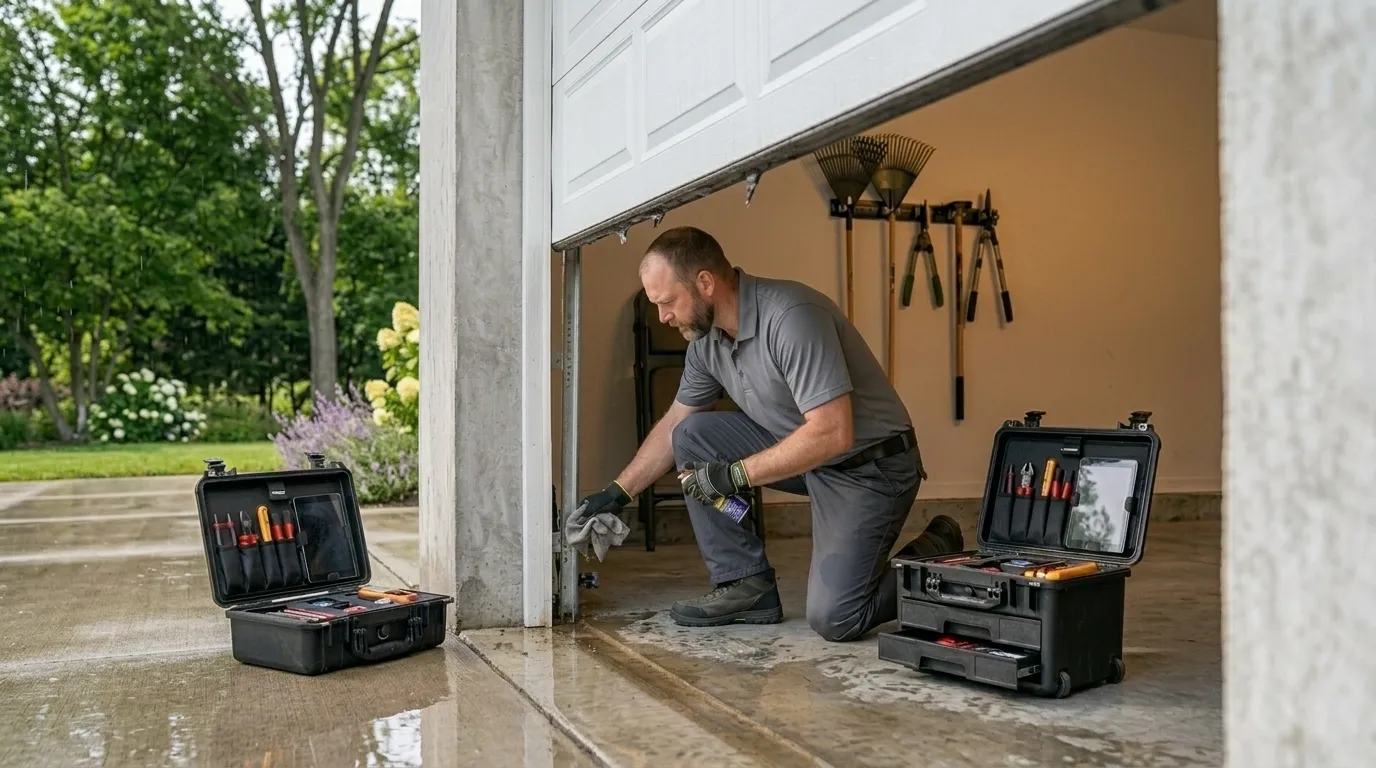
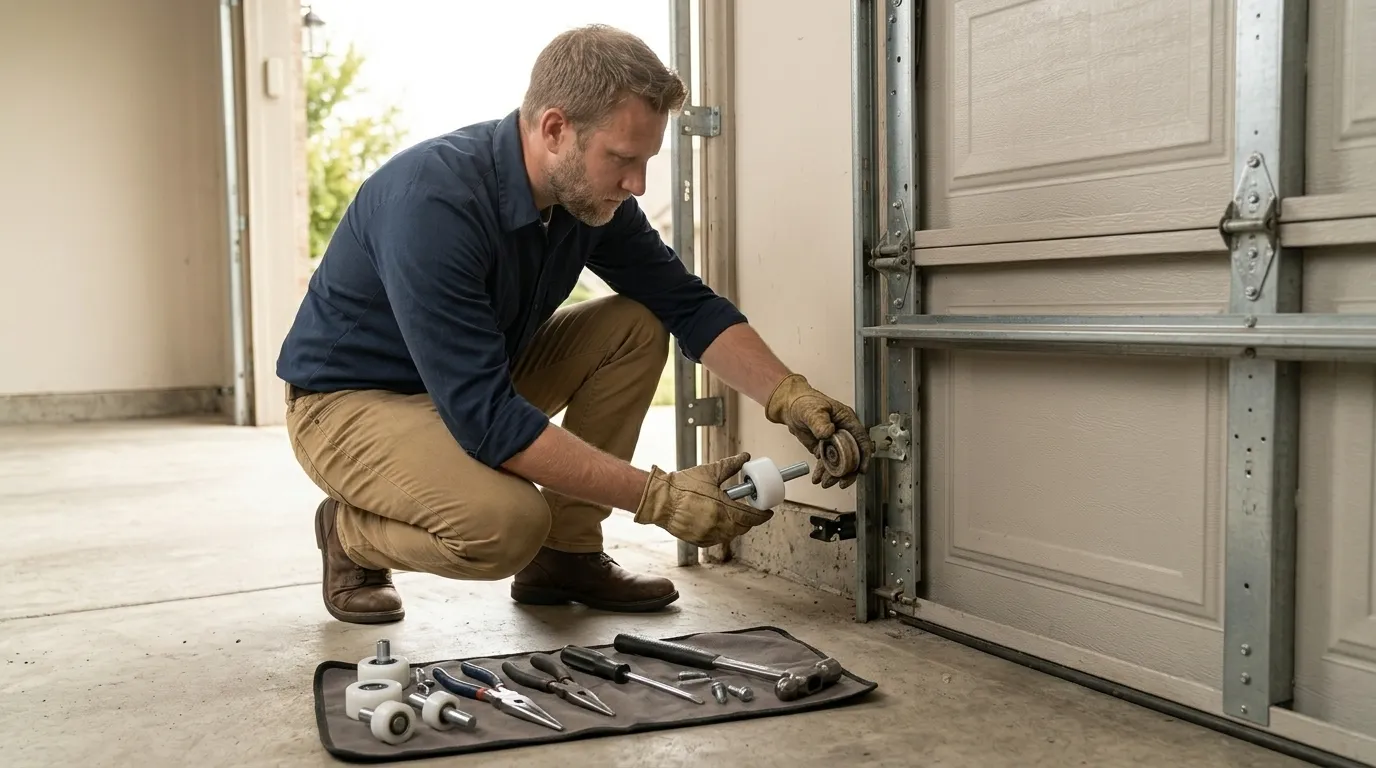
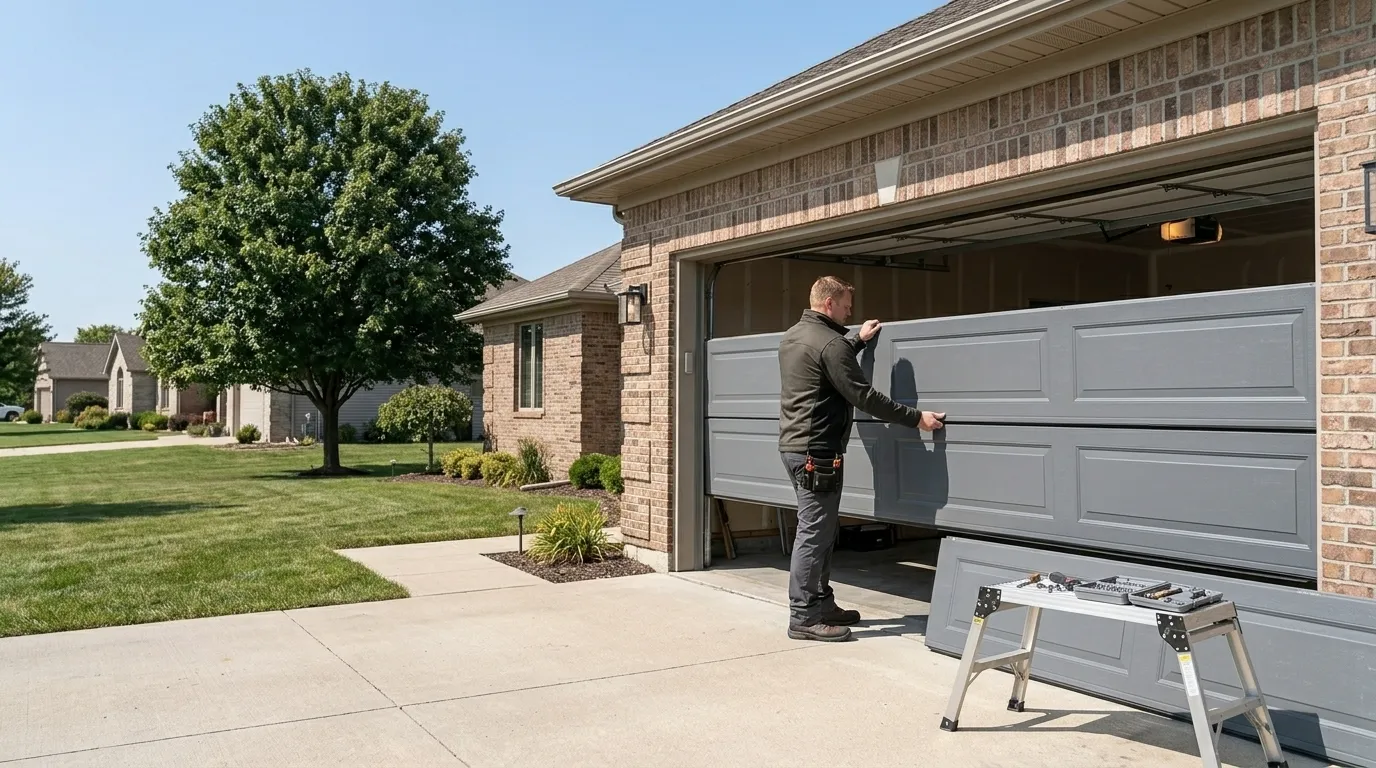
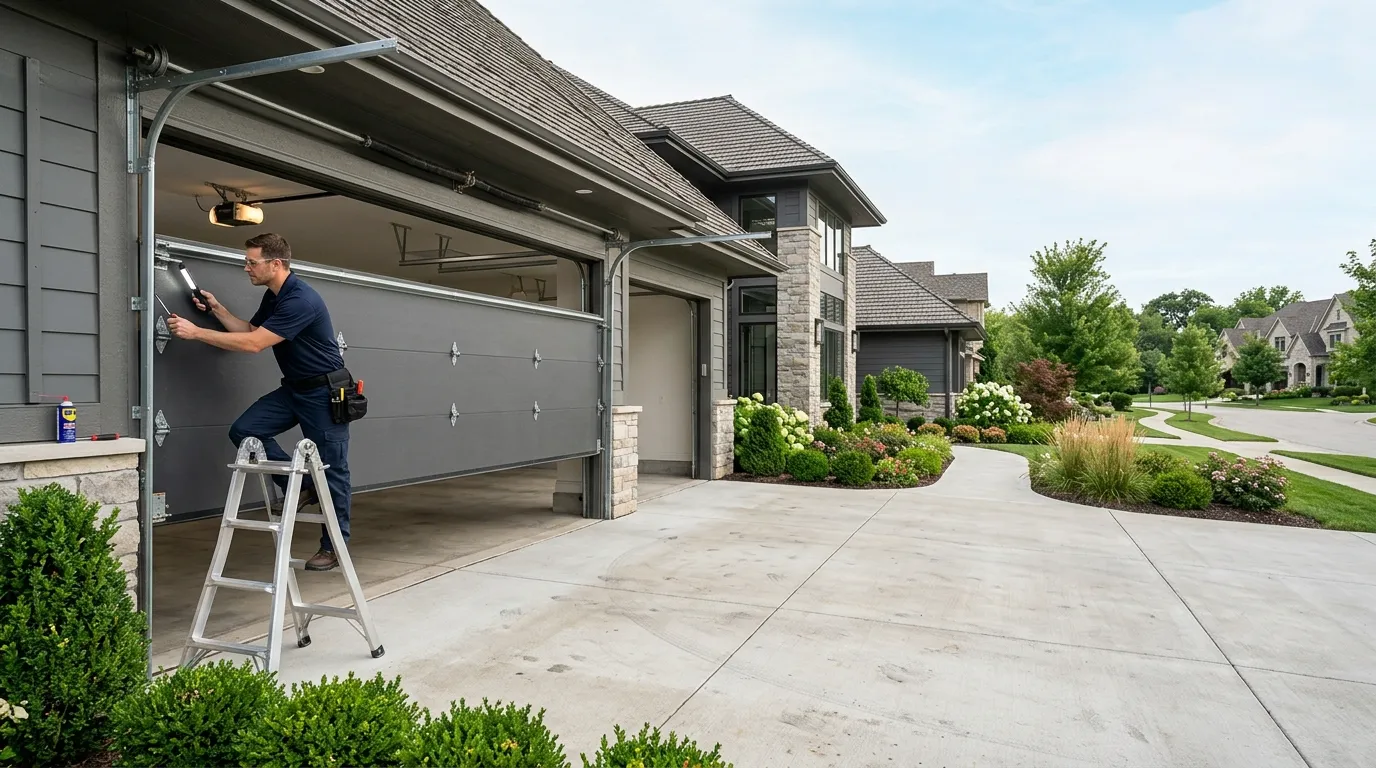
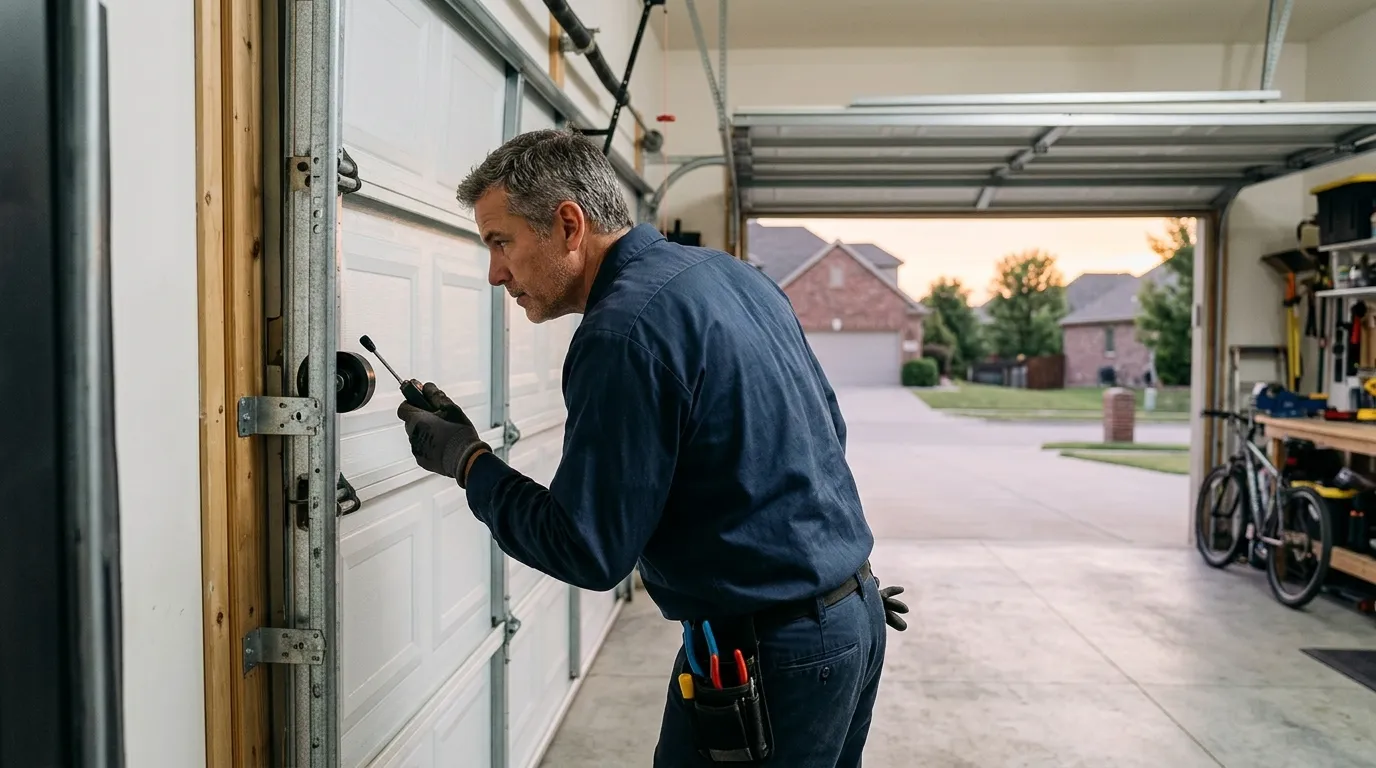
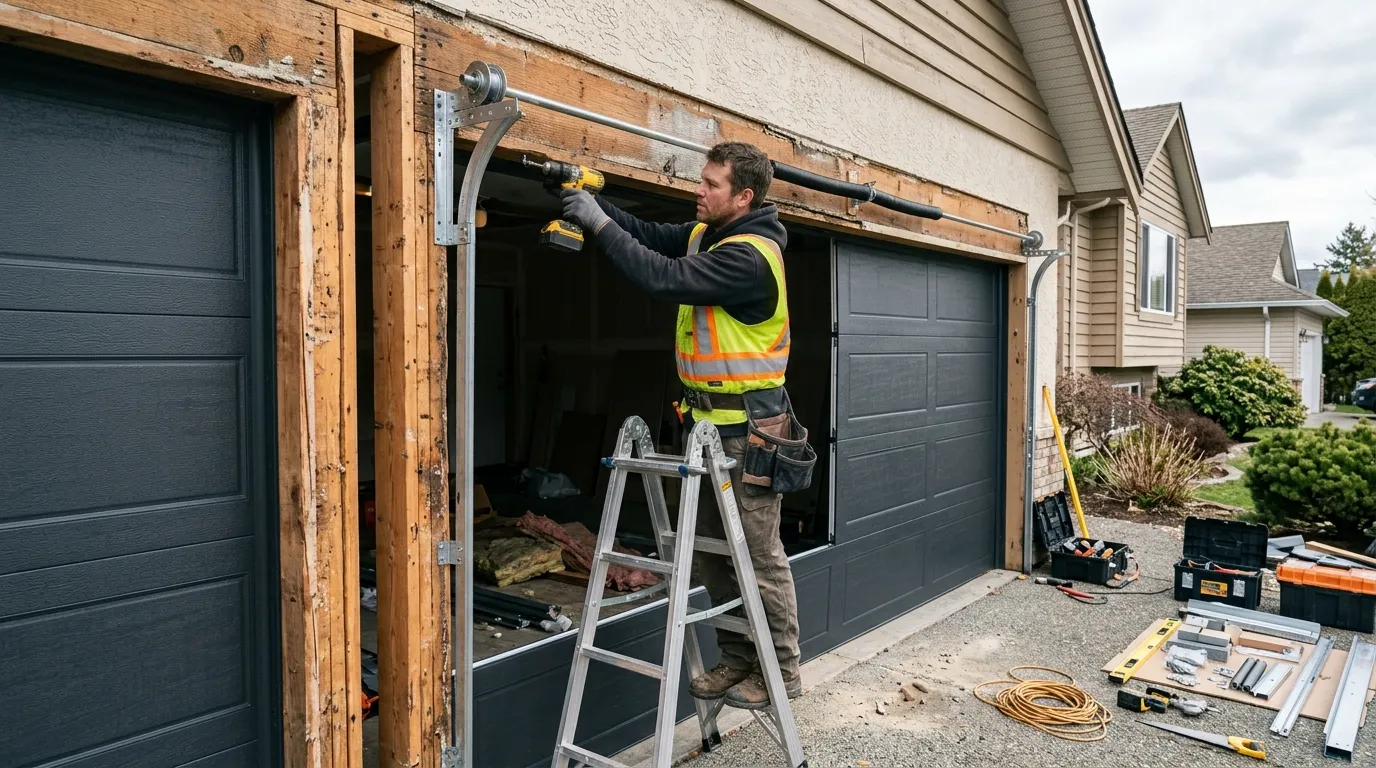
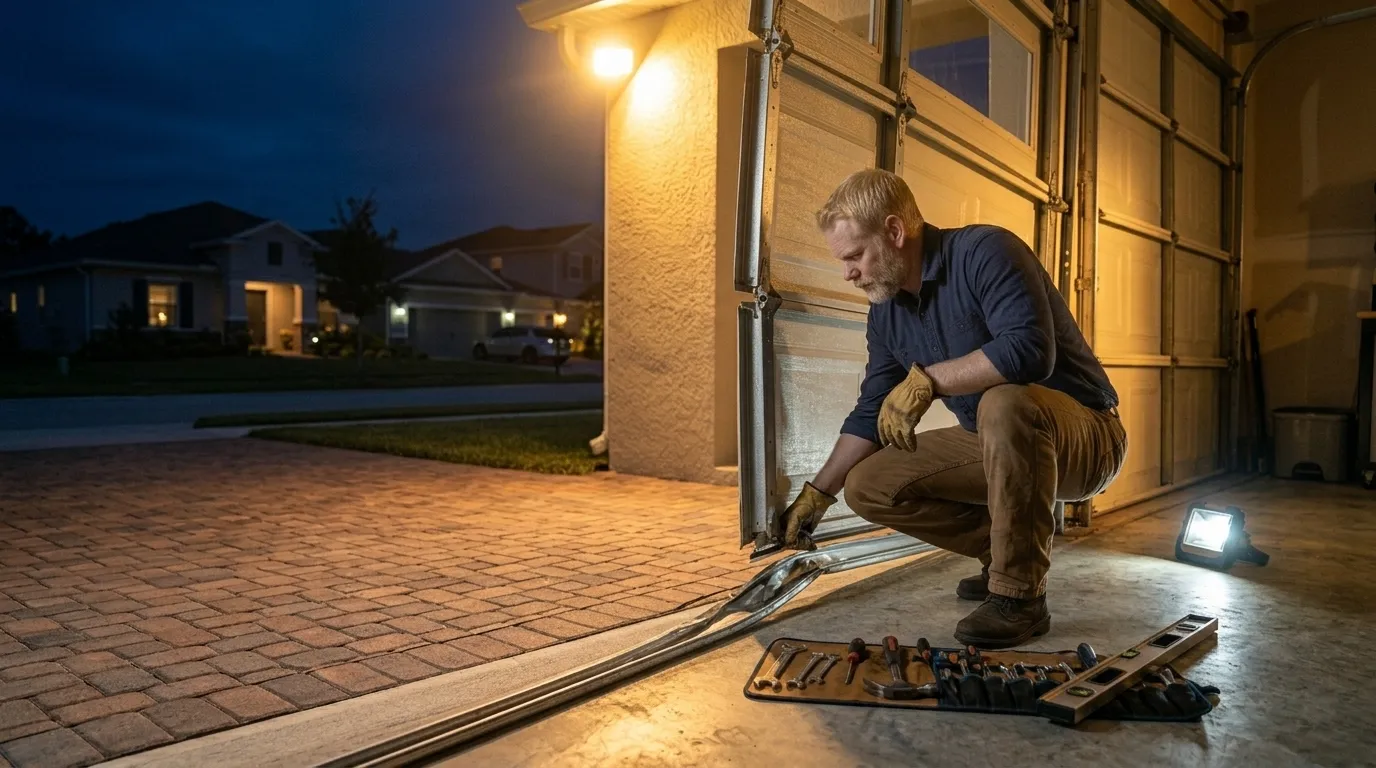
A snapped cable on its own is a clean fifteen-minute fix. It stops being clean when the cable took the drum or the bottom bracket with it, which happens more on doors that have been running on the original 1970s-era hardware for decades. On those doors, the cable frays slowly against a worn drum groove for months before it lets go, and by the time it breaks, the drum edge is chewed up too. We also see the job go sideways when a homeowner tries to free a door that's stuck half-open on a broken cable - the opposite side cable, still under tension, takes the full load and can snap next. If you've got a cable down, leave the door where it sits and call before you touch the release.
How to Book
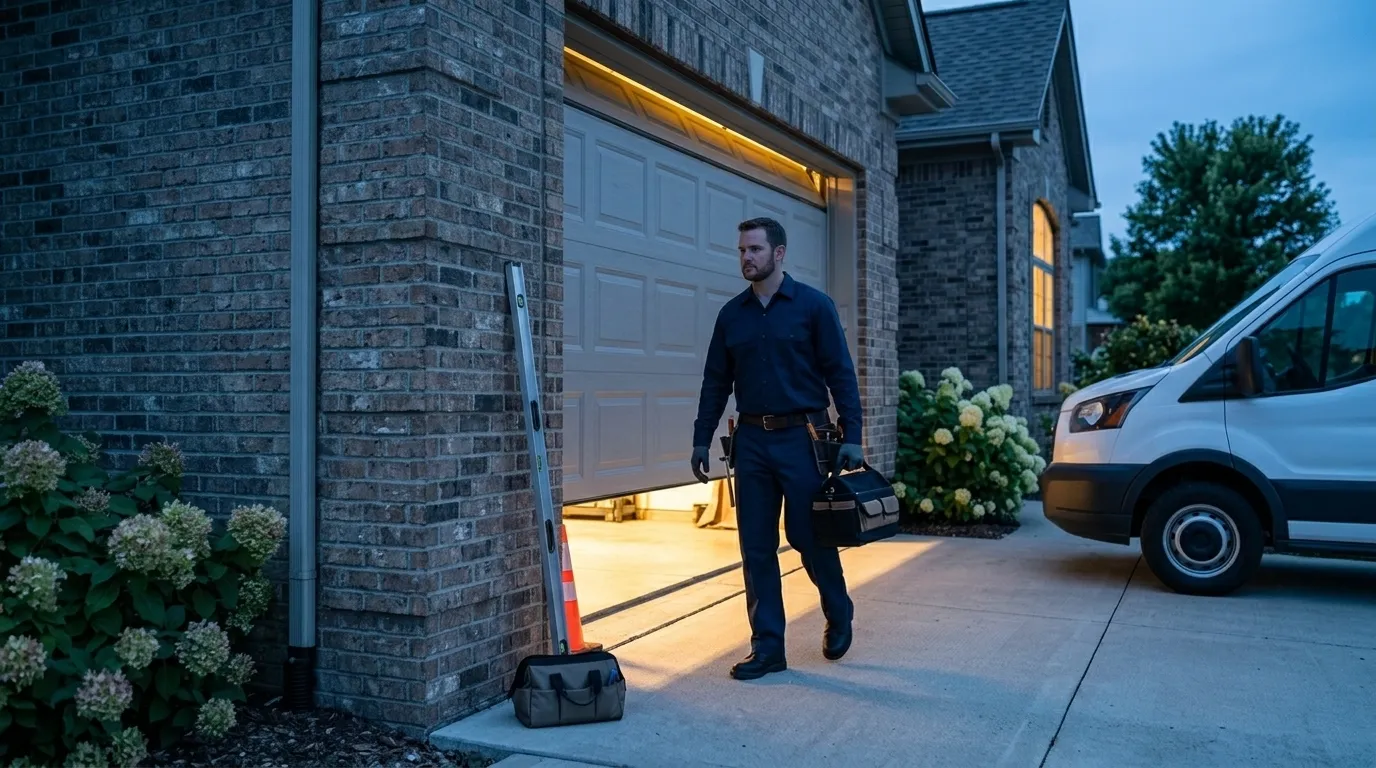
We run this call from Hugo, about 12 miles out to Arden Hills, so we ask for a phone description of the door - number of panels, torsion or extension springs, and whether the door still opens on the opener or is stuck. That lets us load the right cable stock before we leave the shop instead of guessing. We don't have a branch or drop point in Arden Hills itself; every job here is a dispatched trip from Hugo, and we'll give you a window when you call rather than promise an exact minute.
What Causes It Around Here
Minnesota's cold climate is hard on cable systems generally - galvanized strand loses flexibility below freezing and is more prone to snap under sudden load than to stretch and warn you first. That's true across the whole service territory, not just here. What's specific to Arden Hills is the housing stock: with a median build year around 1977, a fair share of doors in this suburb are running cable and drum hardware that's older than what you'd find in the newer-built pockets elsewhere in our territory. Original hardware from that era wasn't built with today's galvanizing standards, so the cables corrode and fray from the inside of the strand out, which is harder to catch on a visual check.
The DIY Question
Cable tension on a garage door is not a project to learn on. Even with the door down, the spring system keeps real force on that cable, and a bracket or drum can let go while you're working under it. We'll say plainly: this is not a case where a repair kit and an afternoon save you money, because a cable that lets go under load can drop a 150-plus pound door section. If you're comfortable with the mechanics and just want the part, we're happy to talk through what's involved on the phone, but our honest recommendation for anyone without torsion-spring experience is to have it done.