Where This Job Goes Sideways
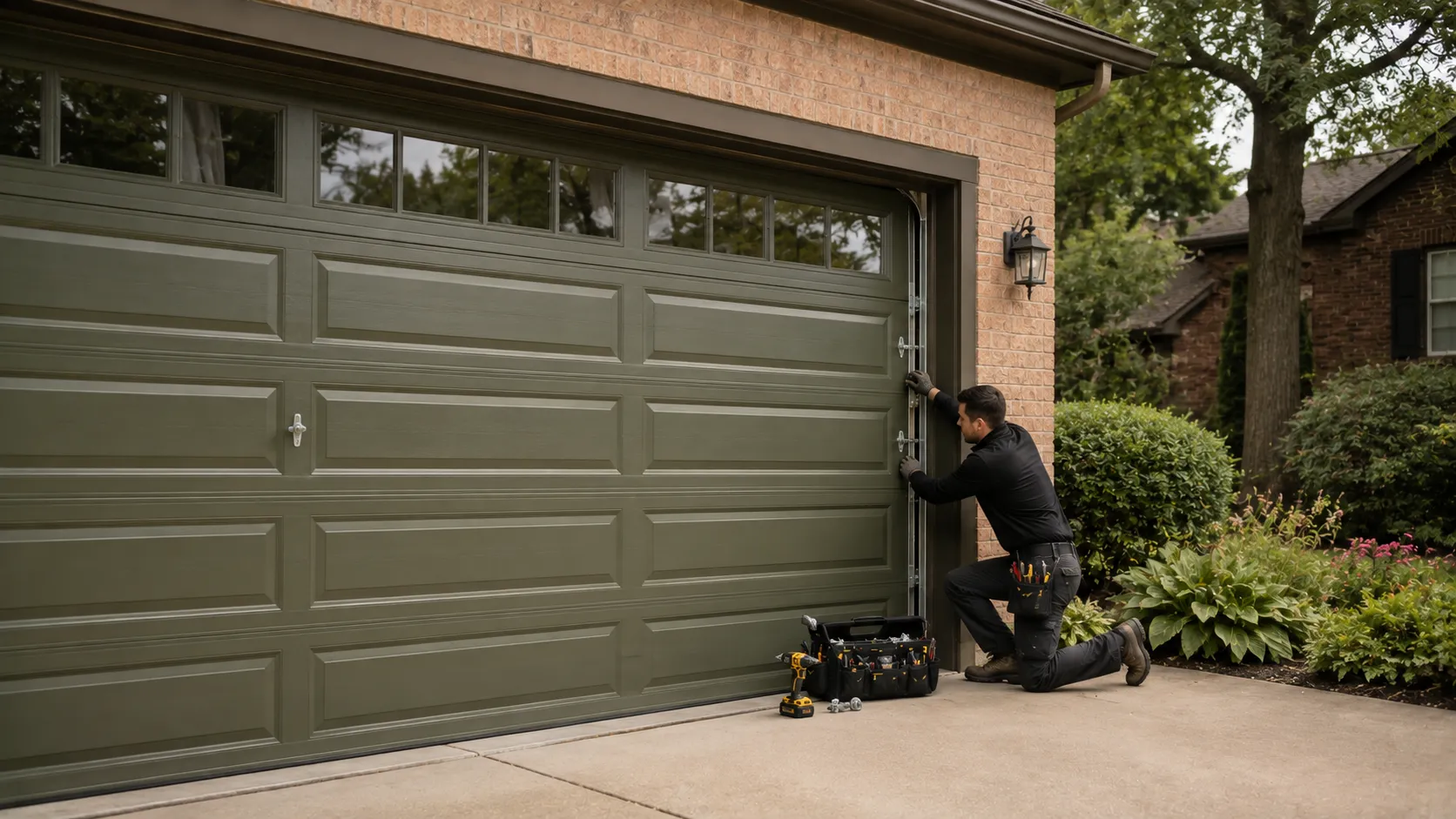
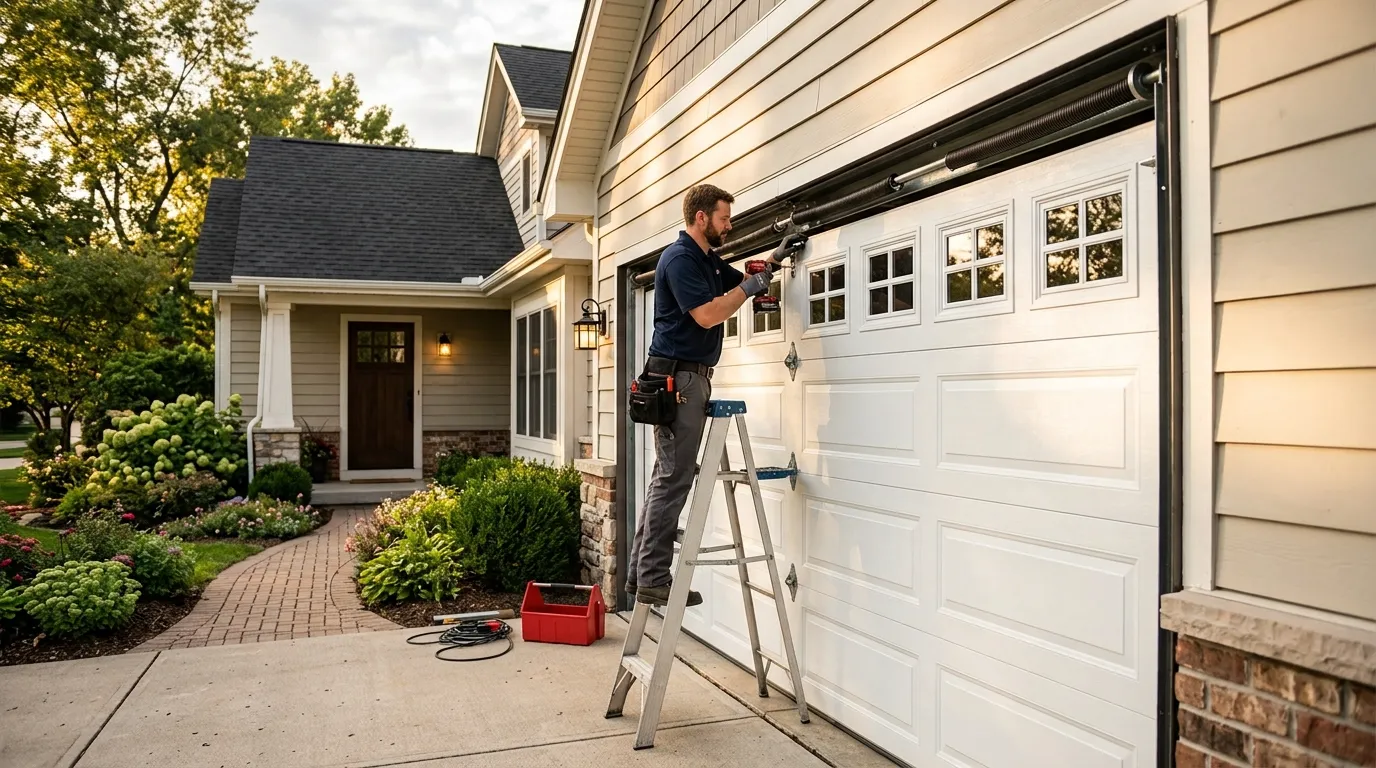
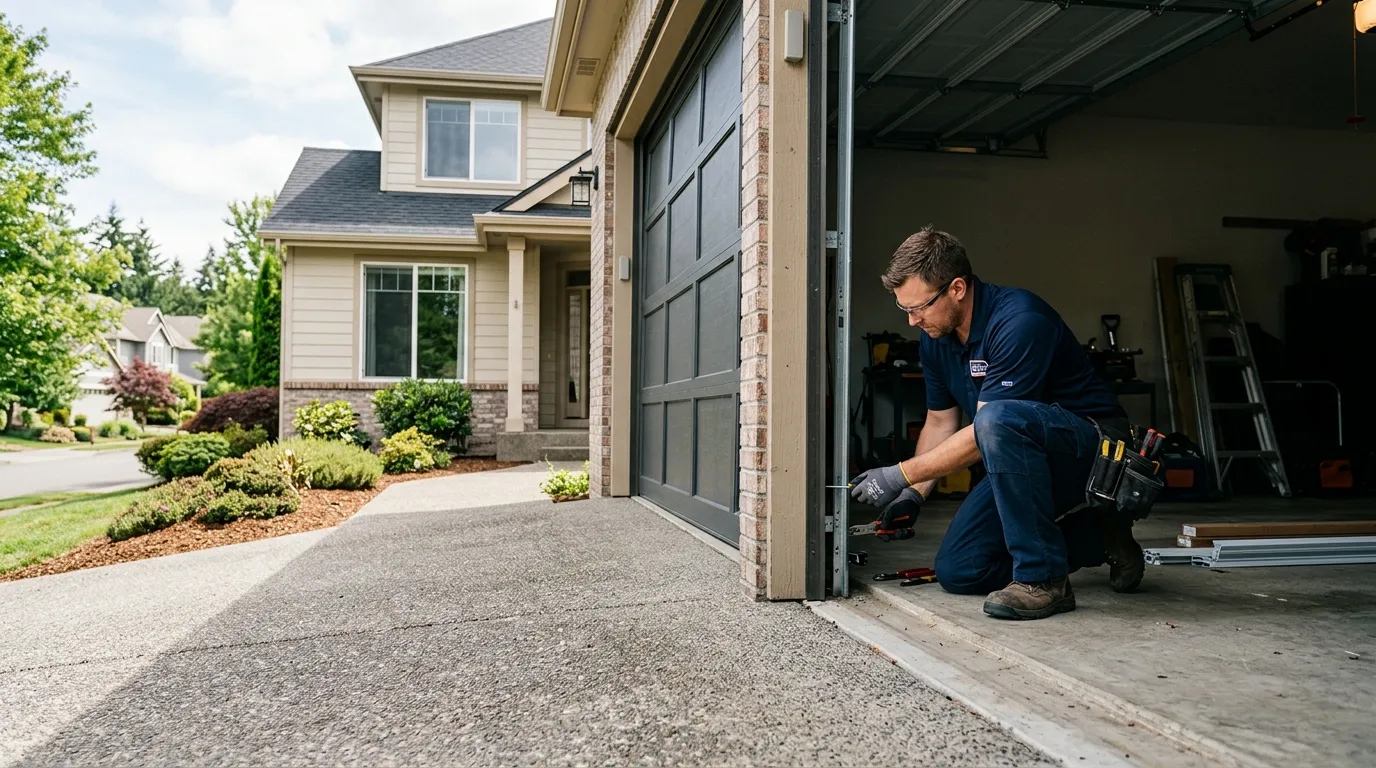
The trouble spot on a lot of these late-1970s builds is the torsion spring mount above the door - the wood header it's bolted to has usually taken 45+ years of temperature swings, and in a cold-climate area like this one, wood shrinks and the lag bolts back out a little every winter. A spring that lets go on a loose header isn't a five-minute fix; we have to reset the anchor point before the new spring goes on, and that adds time to the call.
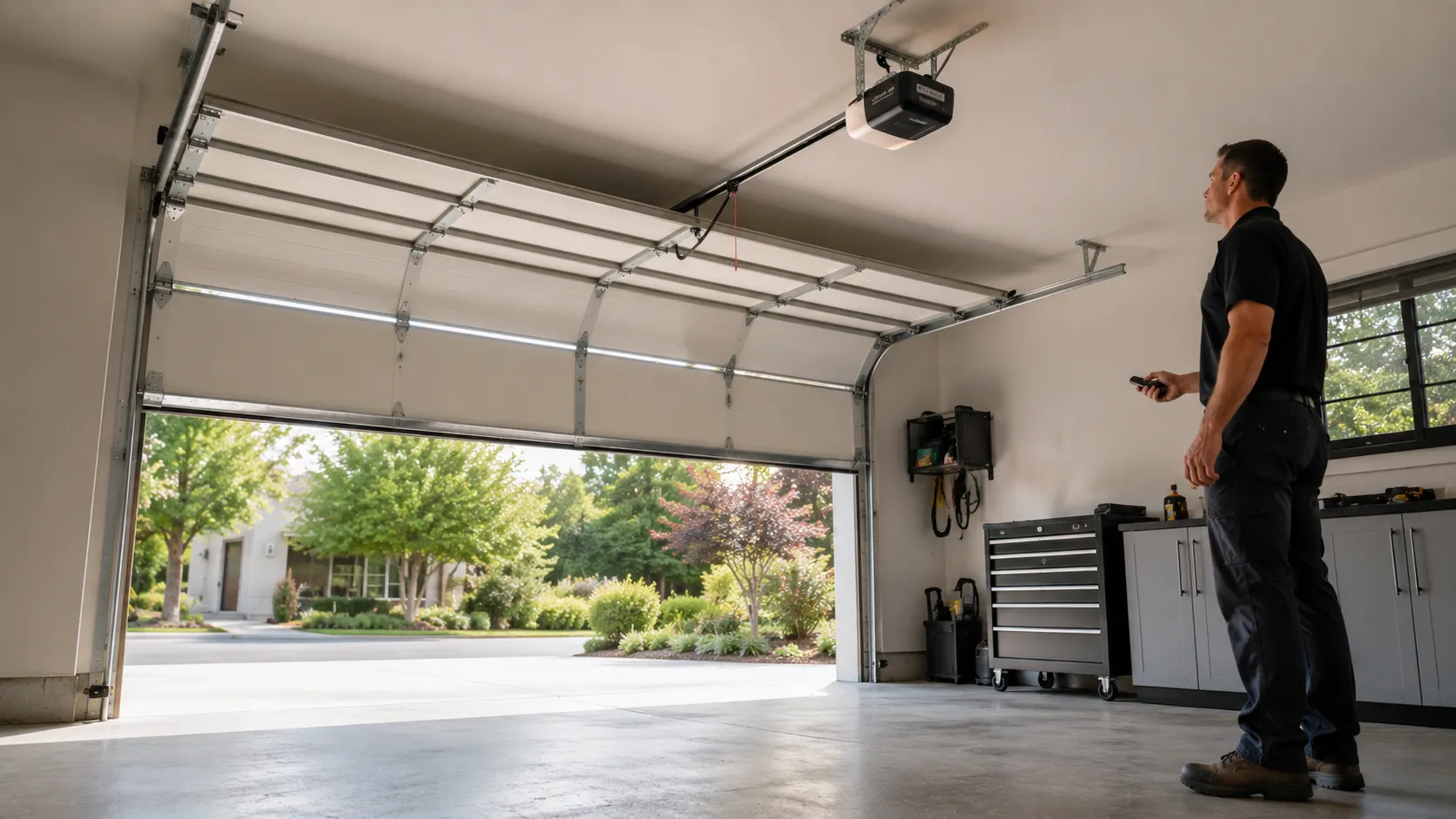
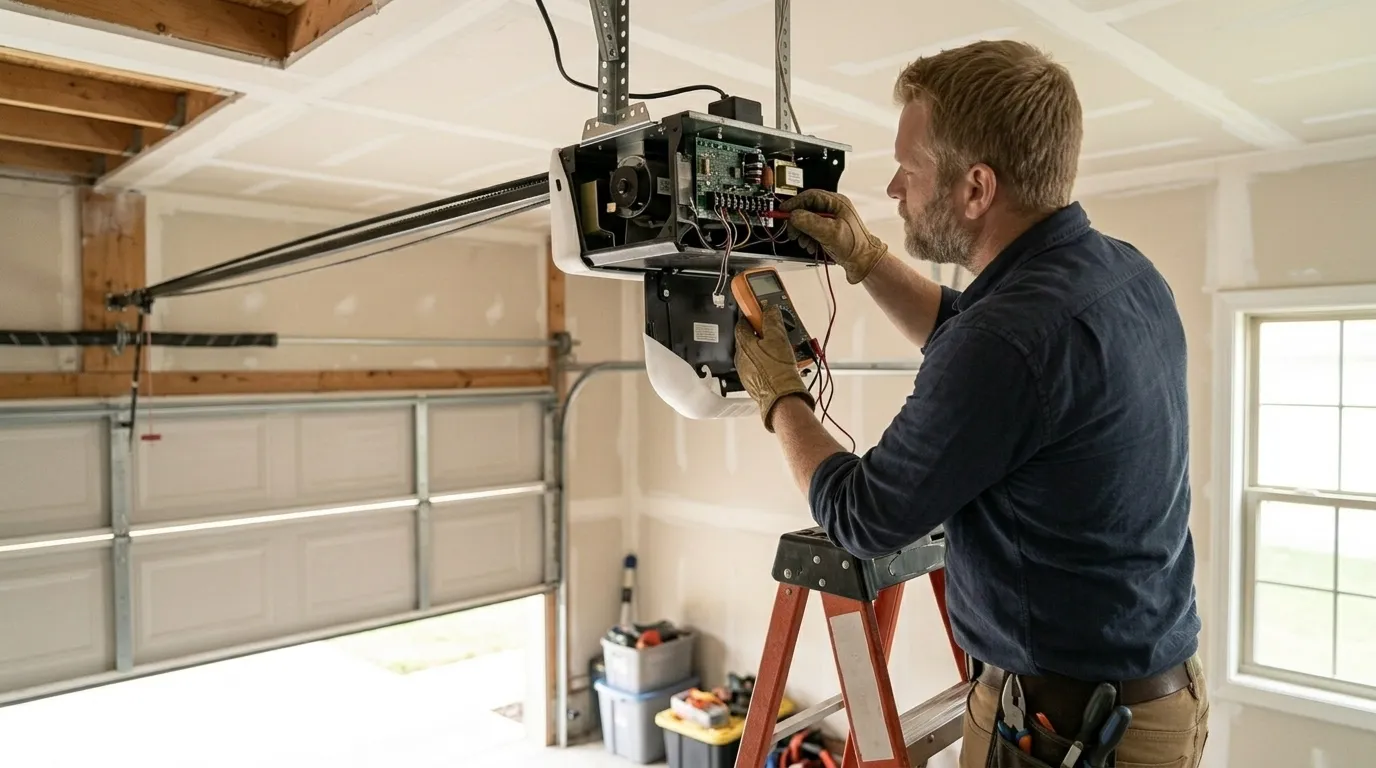
The other spot: openers from that same build era were often wired straight into the garage's original circuit without a dedicated outlet. If your opener's dead and it's not the motor, sometimes it's the circuit, and that's outside what a garage door call covers - we'll flag it rather than guess at it.
How to Book
Call ahead - we're coming from Hugo, so a call before you leave for work gives us the best shot at working you into the day's route out to Arden Hills. Tell us the age of the house if you know it and whether the door is one panel or sectional; that alone tells us which springs to grab before we're on the road, instead of turning around. You can also request service through the link below and we'll call you back to confirm timing.
What Causes It Around Here
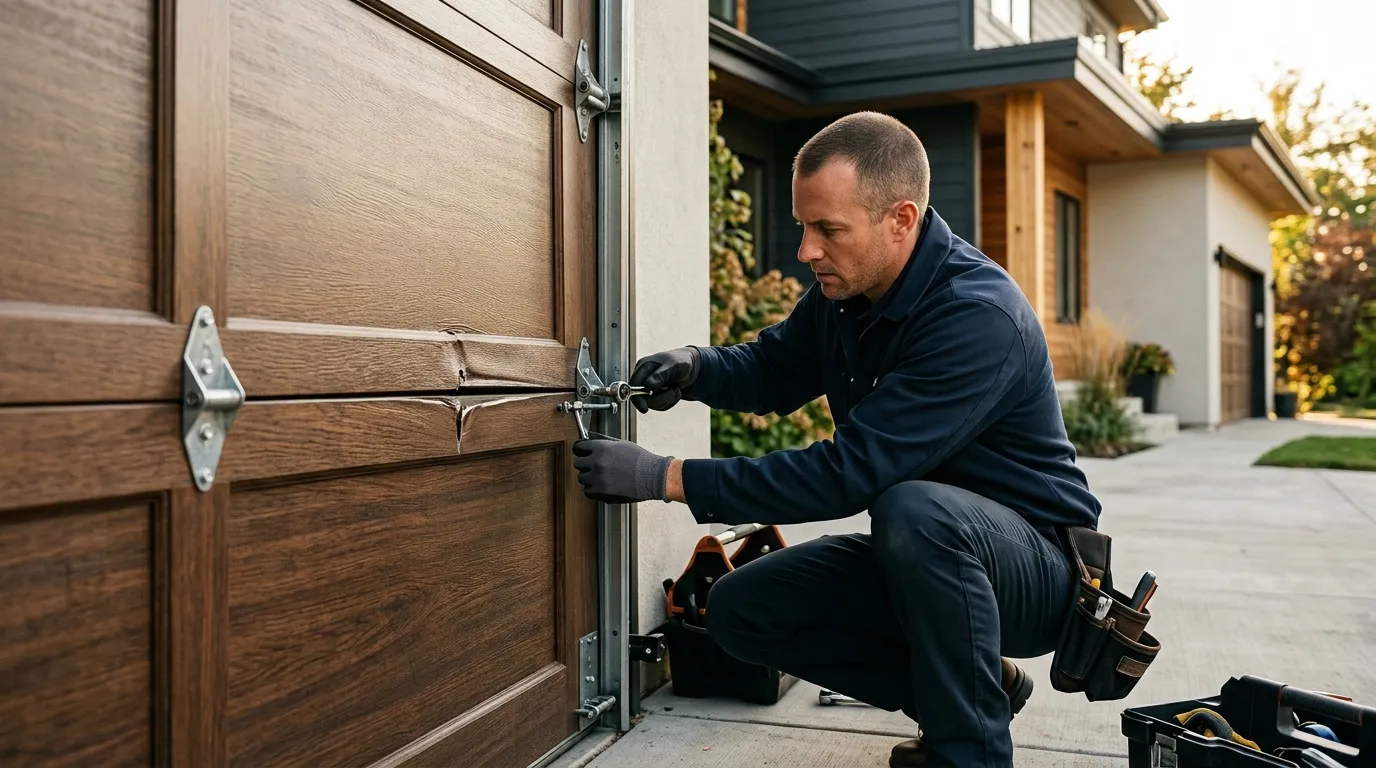
The area is in a cold, severe climate band, and that matters more for houses built around 1977 than it does for something put up in the 2000s. Steel torsion springs lose tension faster with repeated deep-cold cycles, and on a 45+ year old spring that's already near the end of its life, one hard cold snap is often what finally snaps it. We also see cracked bottom panels on doors from this era where the original insulation has broken down - the panel flexes more than it should in the cold, and eventually the seam gives.
With median household income here running well above the wider service area, we also see more owners opting to replace an aging door outright rather than keep patching one - that's a legitimate call and not one we push either way.
The DIY Question
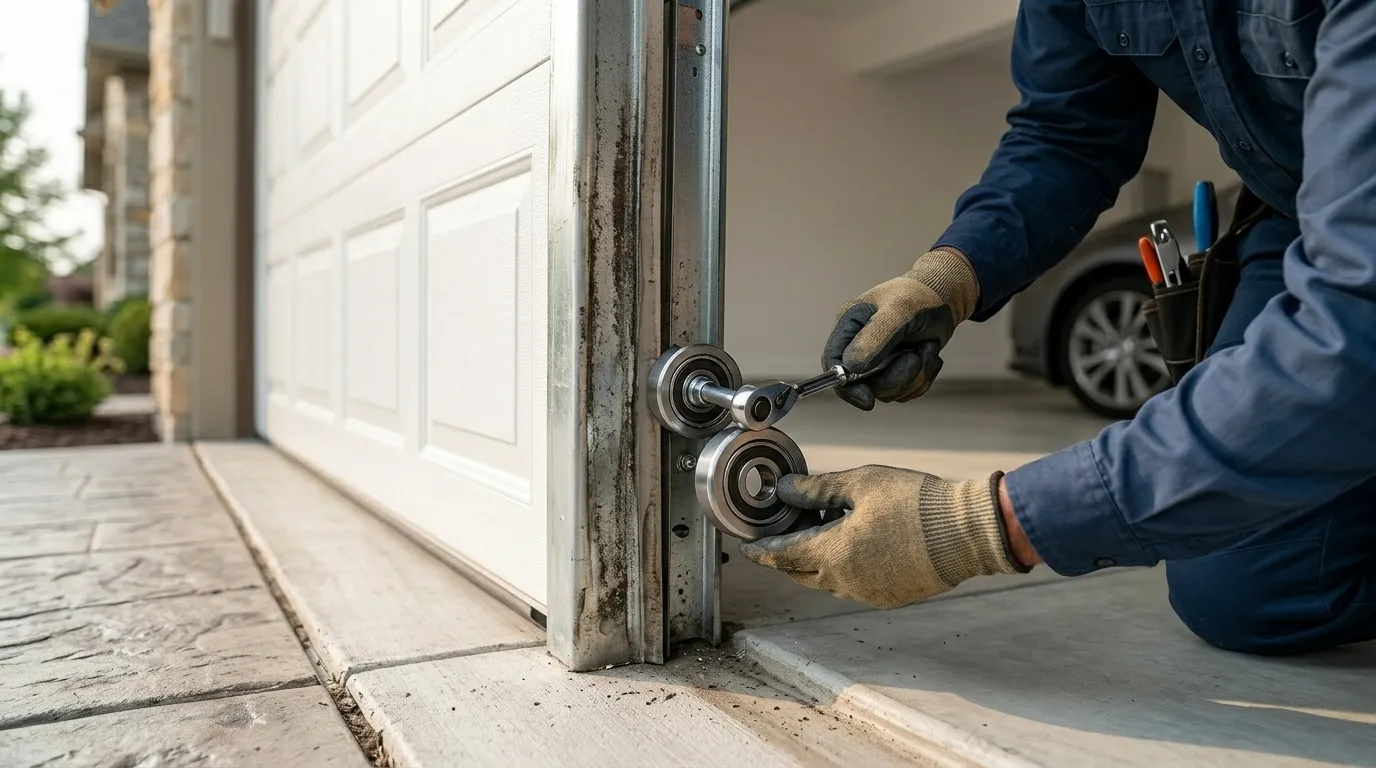
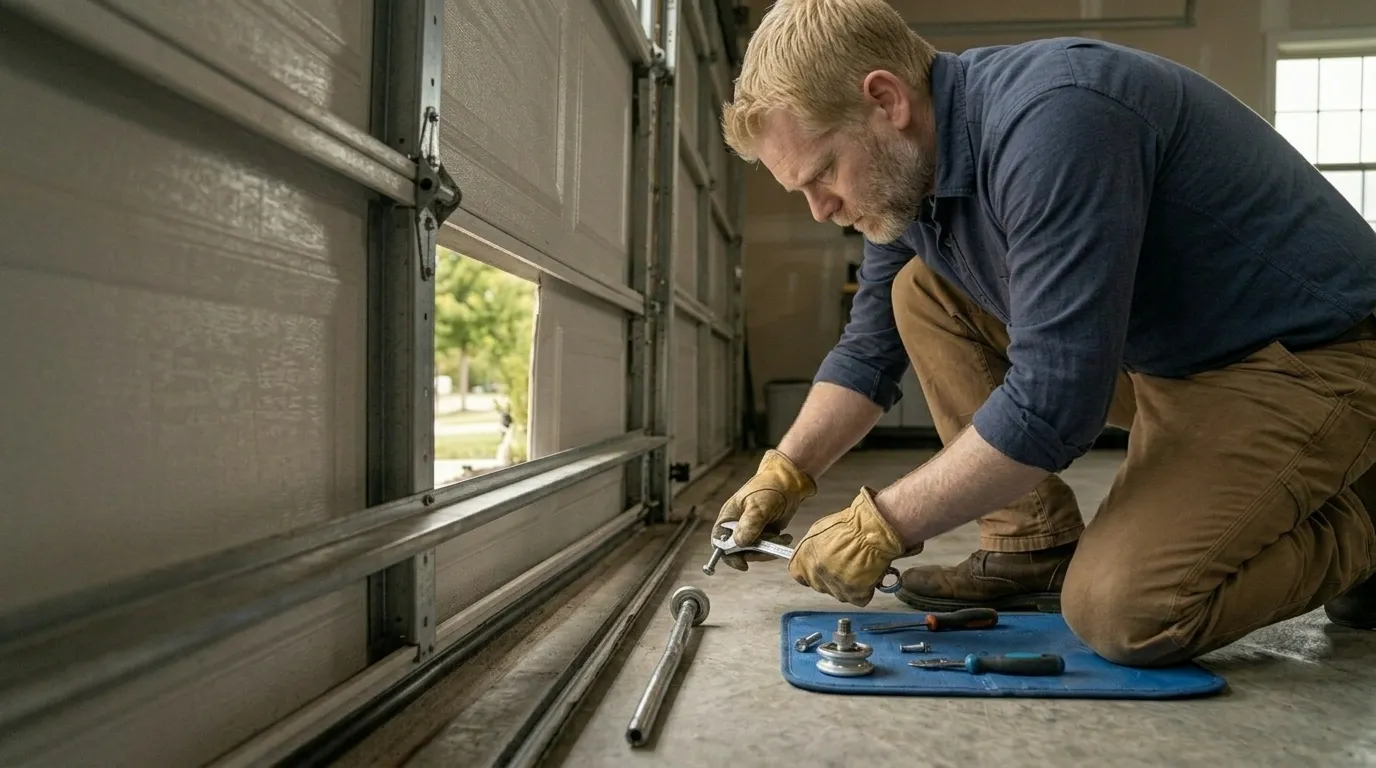
Swapping a bulb or resetting the remote code - fine, do it yourself. Torsion springs are a different story: they're under enough tension to break a bone or worse, and on a door this old the mounting hardware may not be original anyway, which makes a DIY spring swap riskier than usual. If your opener from that 1970s wiring era is tripping a breaker, that's an electrician call before it's a garage door call - we won't take that job past the point where it's actually an electrical issue, and we'll say so instead of billing you for a diagnosis we can't fix.