What Is on the Truck
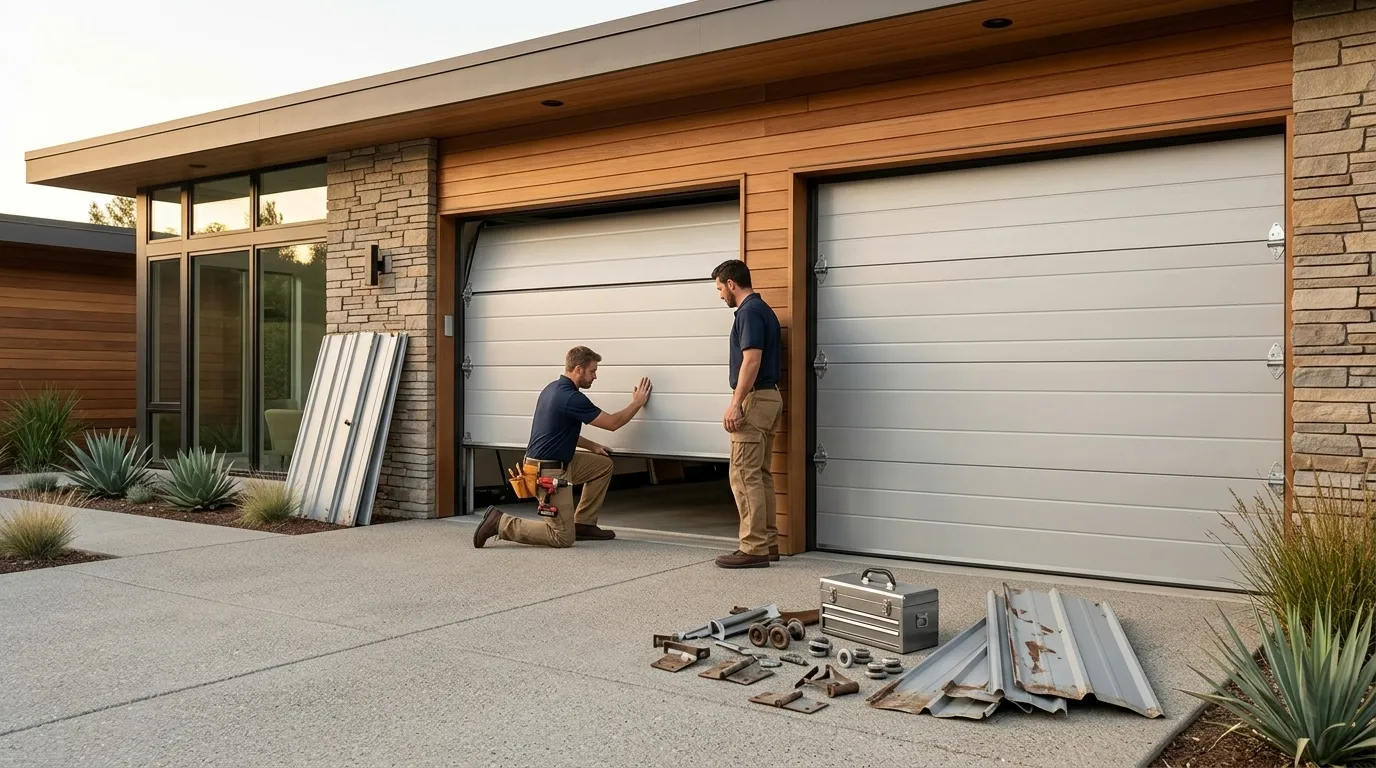
We carry both roller types because Lake Elmo's stock isn't uniform even at 2002-ish median build. Nylon rollers with sealed bearings are the standard swap for a house this age, and we stock the common stem lengths and wheel diameters that fit factory brackets from that build era. Steel rollers are on the truck too, mostly for older outliers or anyone who specifically wants the noise trade-off for a longer-lived wheel.
Winter matters more than people think for roller choice. This area sits in a cold-severe climate band, and nylon can go a little brittle at the edges in a hard cold snap, especially on a roller that was already worn thin. We don't stock every obscure bracket size - if a door has a nonstandard track from a builder that's since gone under, we may need to order a part rather than pull it off the shelf in the truck. That's the one real limitation: common stuff same-day, oddball stuff takes a call to a supplier first.
What It Costs
We don't quote a number sight unseen, because roller count and roller grade change the total - a full 10-roller set costs more than swapping the two or three that are actually shot. What we can tell you is what drives the price up or down: sealed nylon vs. plastic-bearing nylon vs. steel, whether the track needs squaring while we're in there, and whether it's a single or double door.
One thing worth knowing about this specific market: Lake Elmo's median household income sits well above the rest of our coverage area, north of $150,000 against a service-area median around $100,759. That doesn't change our price - parts and labor are parts and labor - but it does mean we see more requests here for the higher-grade sealed-bearing roller upgrade instead of a like-for-like swap, since the cost difference is small relative to the house. Ask for both options when we're on site and we'll give you the actual numbers for your door, not a guess.
What the Fix Involves
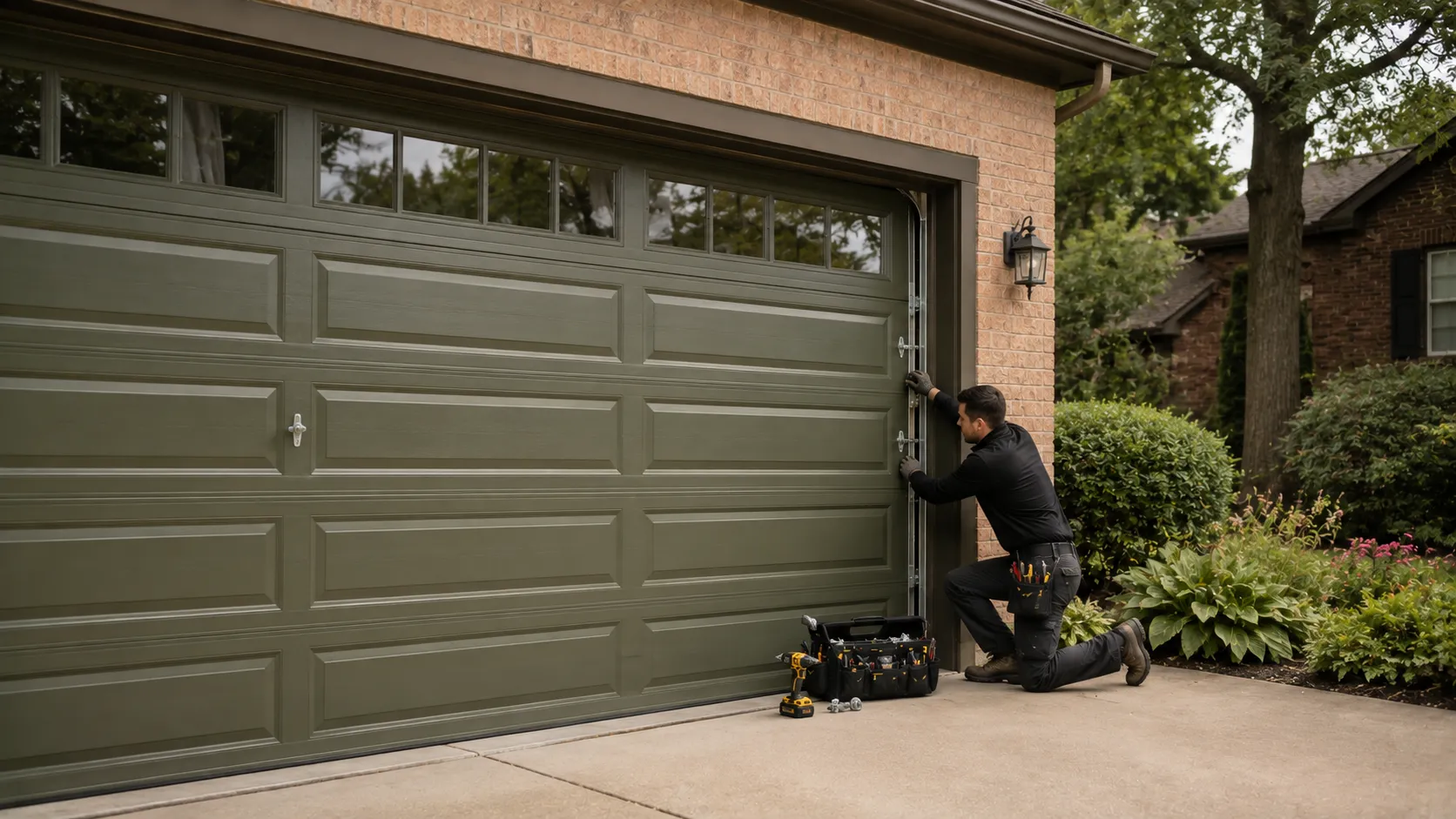
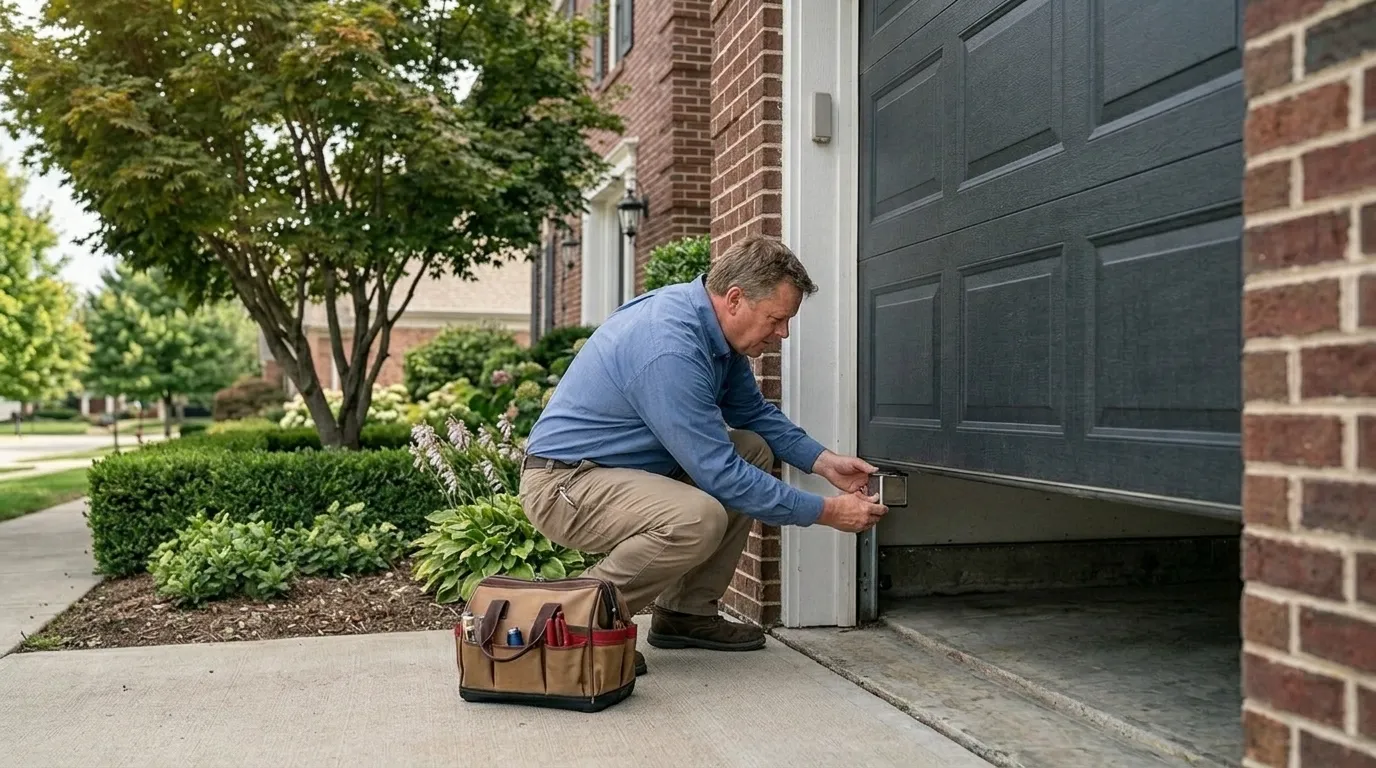
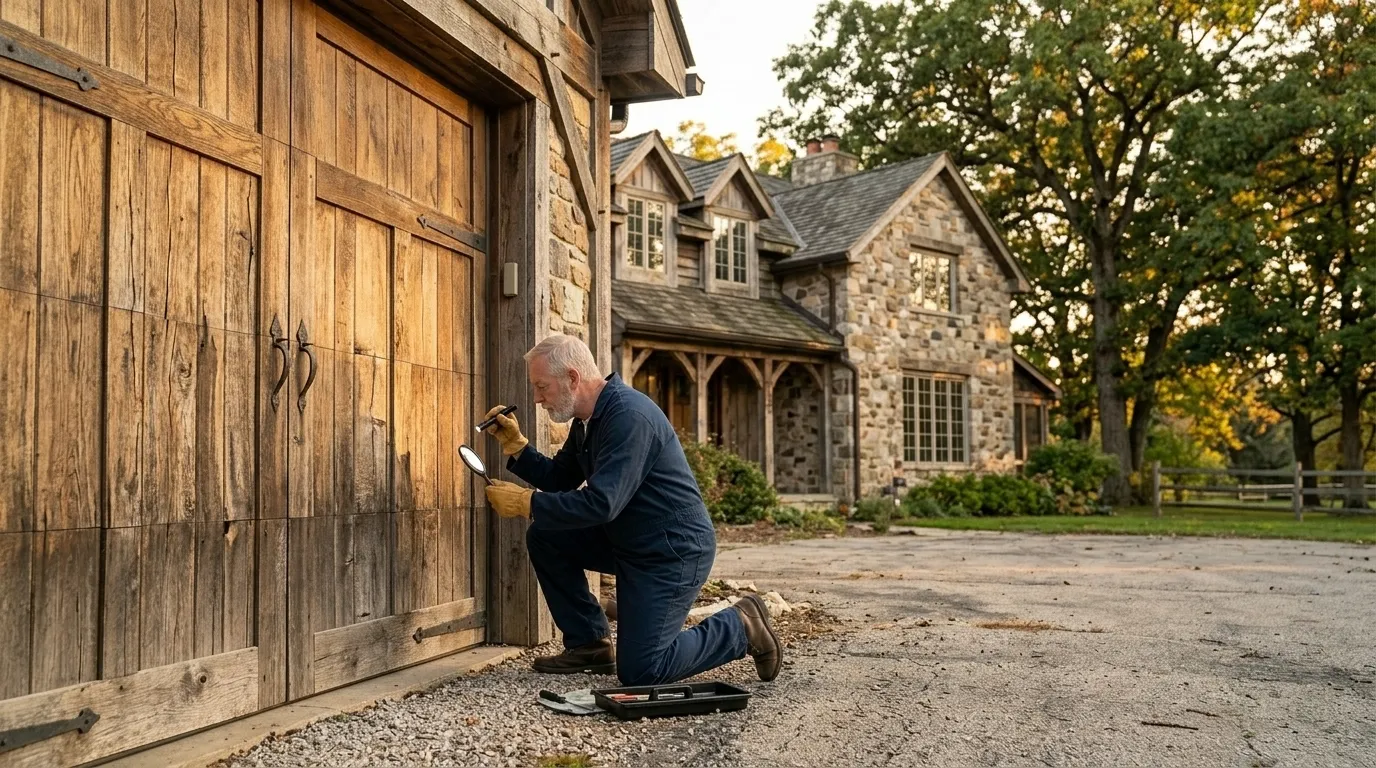
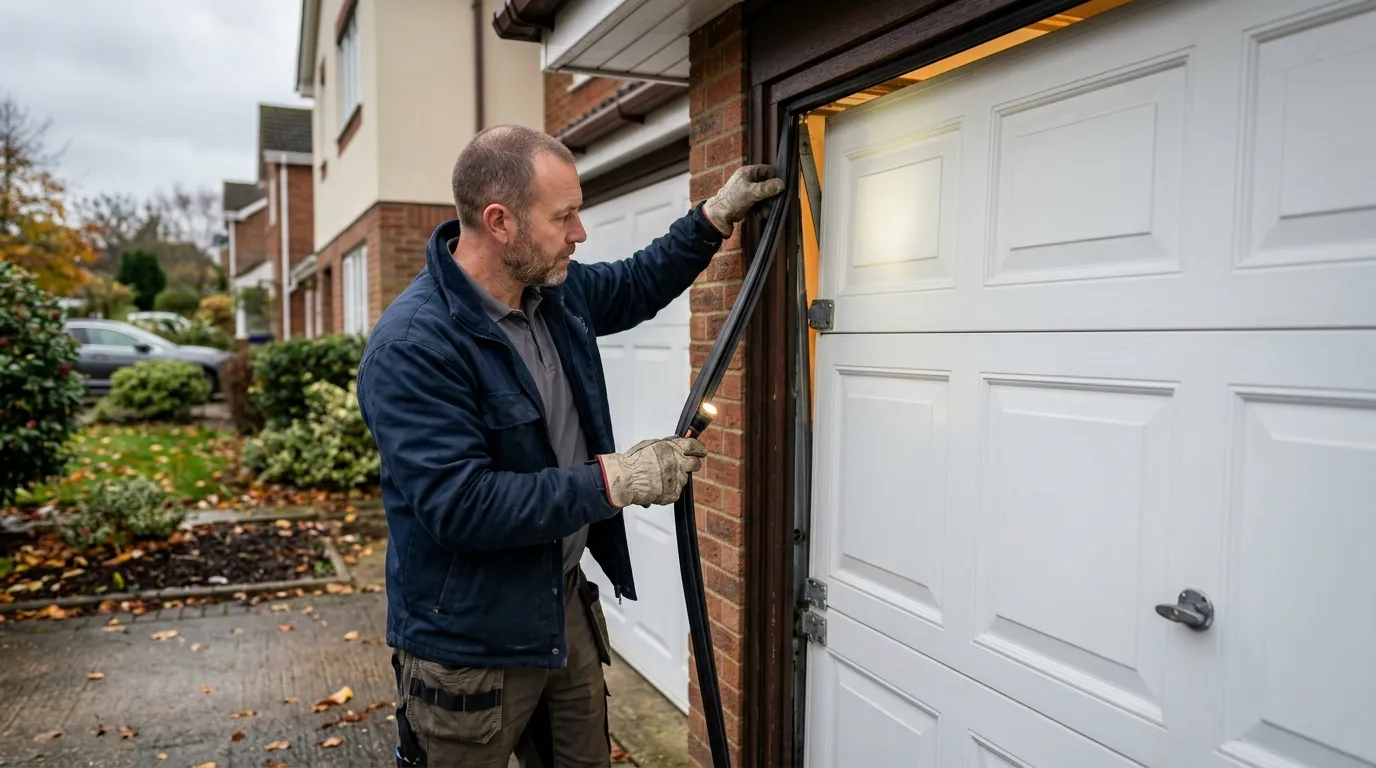
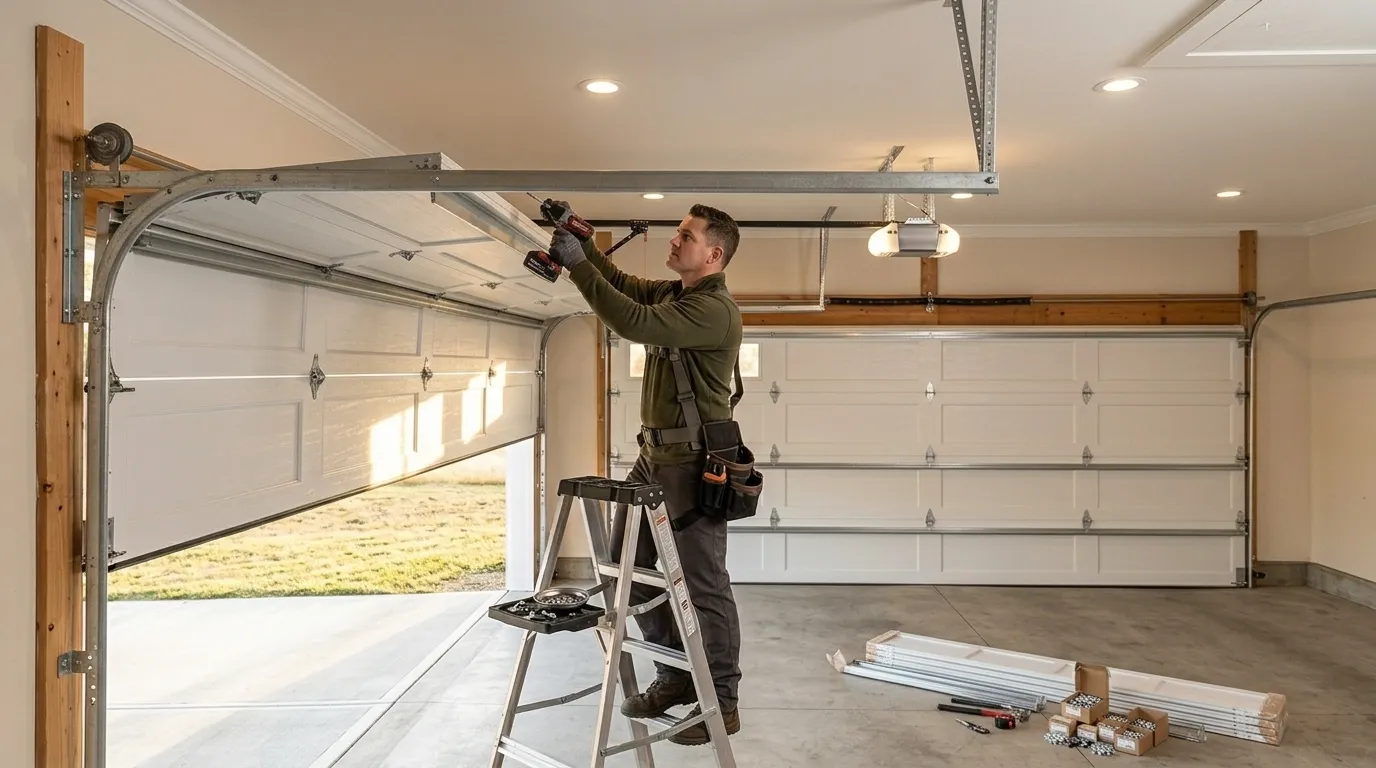
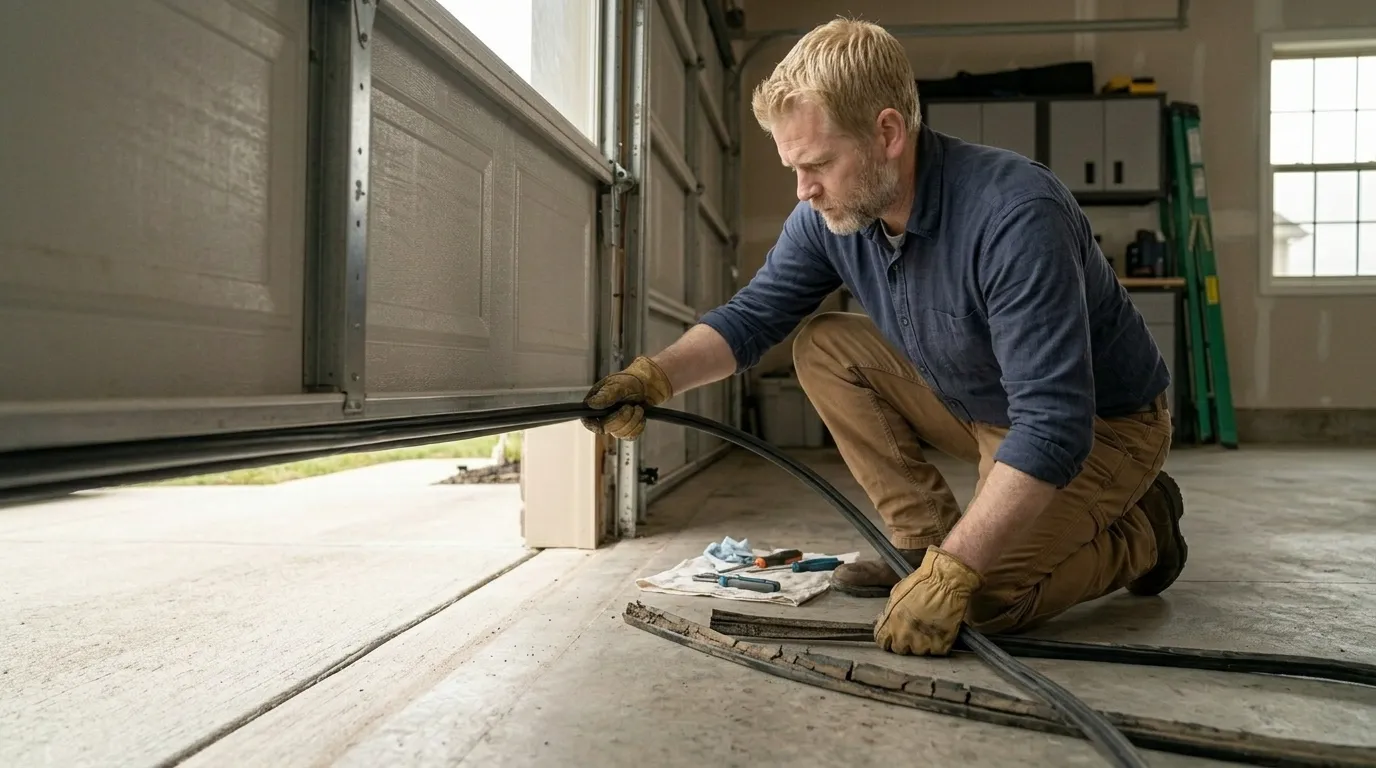
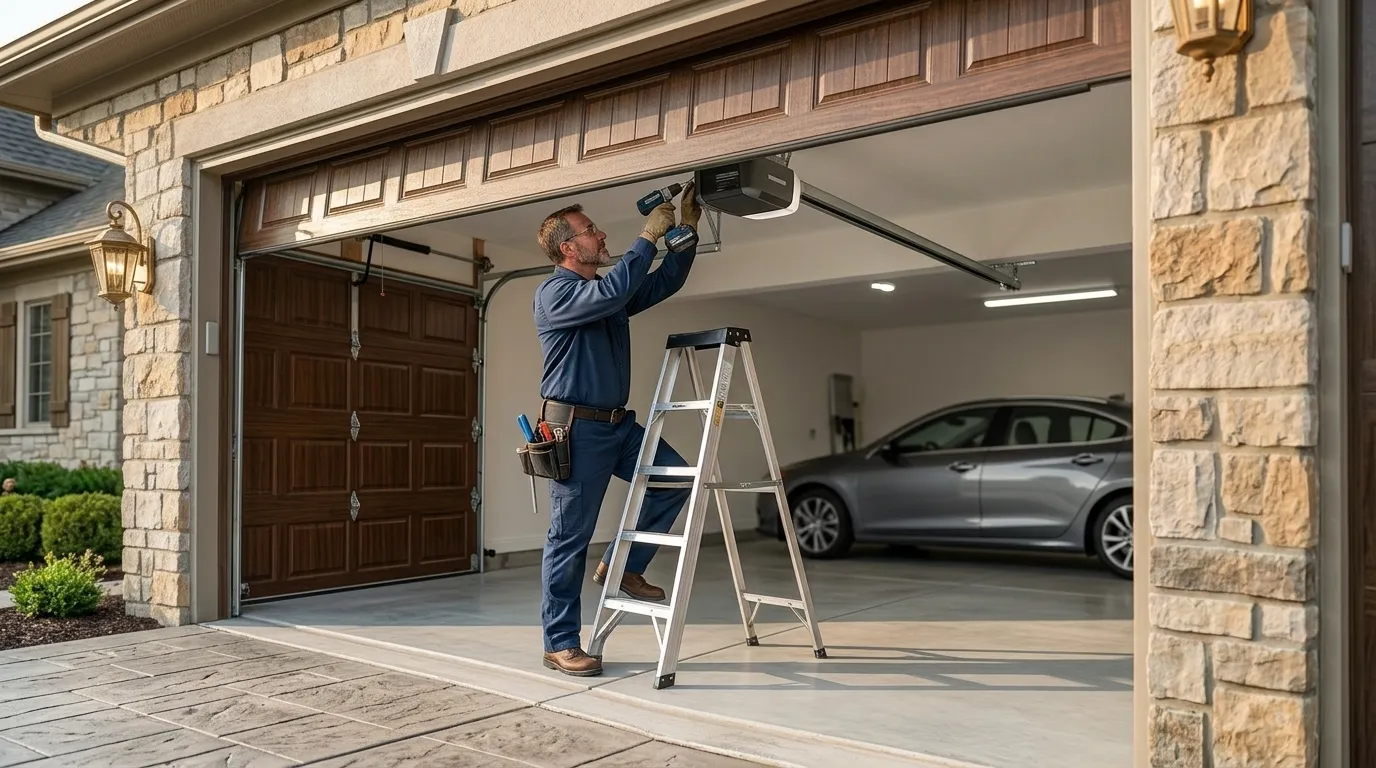
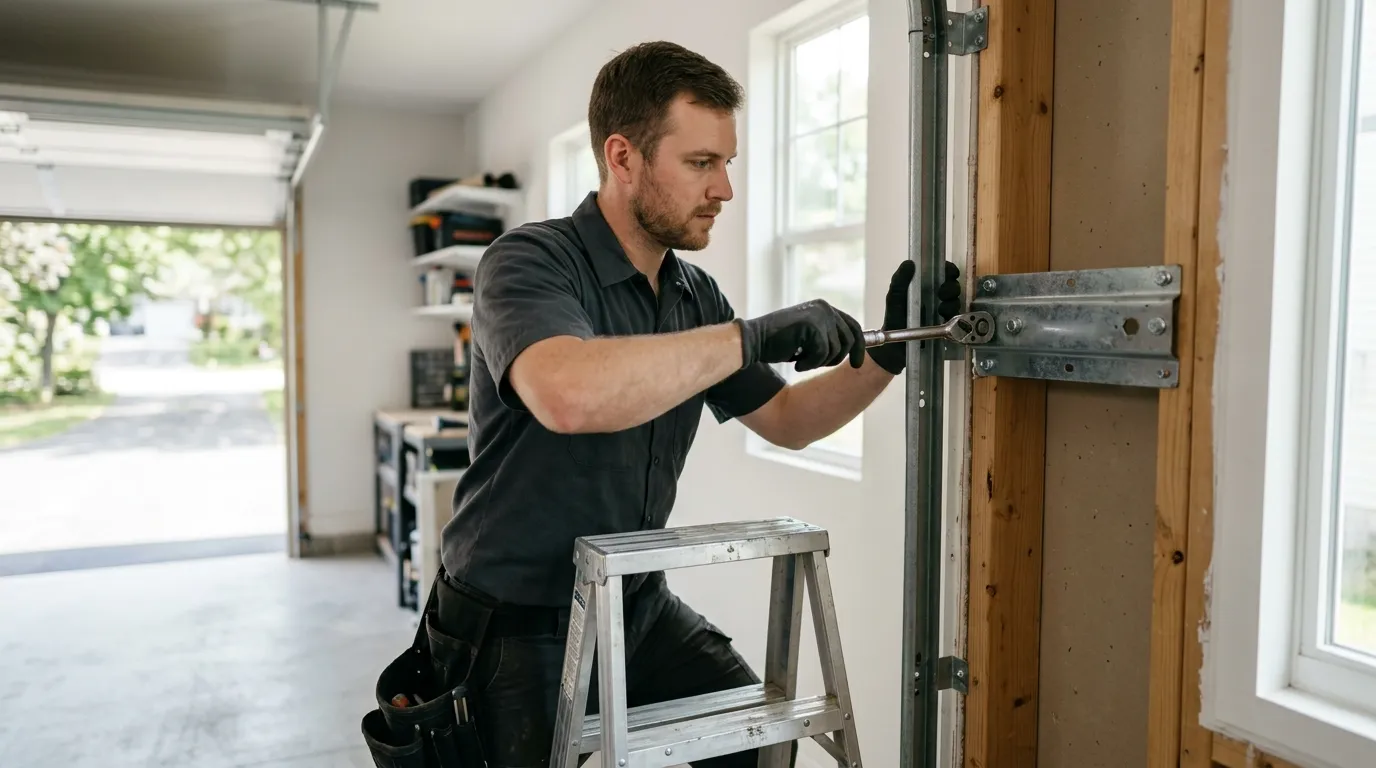
We open with the door running through a full cycle so we can hear which roller is loud and see which one wobbles - worn rollers rarely fail quietly. Then we release tension on the section being worked, pull the roller from its bracket, and check the stem and the bearing for how far gone it actually is versus just noisy.
New rollers go in matched to the existing bracket hole spacing, since Lake Elmo's 2002-era stock and older outliers don't all use the same stem length. We run the door through several cycles afterward under load, not just open-close once, because a roller that looks fine on the bench can still bind on a track with a slight lip.
If we find the track itself is bent rather than just worn from an old roller, we say so before quoting the roller swap alone - a new roller on a bad track just wears out again faster, and that's not a repair worth doing twice. For anyone dealing with a full door that's stuck or off track rather than just a noisy roller, see our Lake Elmo garage door repair page; for the same roller job done from the Hugo side, see our Hugo roller replacement page.