What Is on the Truck
For a house built in the early 2000s, the opener coming off the ceiling is usually a chain or screw-drive unit from that era, sometimes original to the house. We carry belt-drive and chain-drive replacements both, because which one makes sense depends on the door weight and how much noise matters to you - a detached garage under a bedroom gets a different answer than one that doesn't.
We also carry the cold-rated gear that matters here. This area sits in a climate band the federal data classes as cold-severe, which means lubricant, gaskets, and motor components all get stressed by winter starts in a way milder regions never see. We don't put a standard-spec opener on a Minnesota garage and hope it holds up - we spec for the cold from the start.
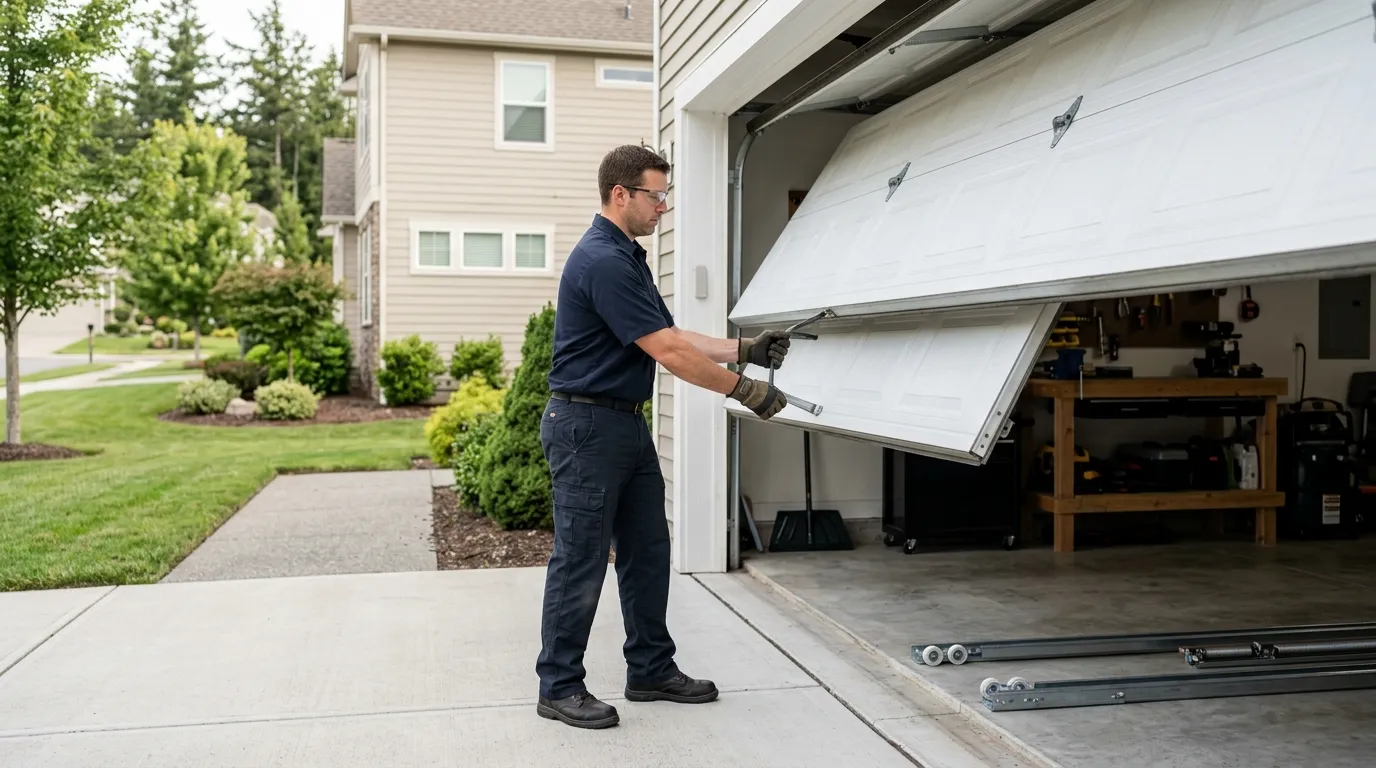
What we don't carry is a fix for a door that's structurally shot. If the panels are cracked or the track is bent, a new opener won't solve that, and we'll say so rather than bolt new equipment onto an old problem.
What It Costs
Lake Elmo runs a median household income of $153,407 across 4,575 households, well above the broader area figure of $100,759 we see across the rest of the towns we serve from Hugo. That doesn't set the price of an opener - parts cost what they cost - but it does shape what people ask for here. We get more calls asking for the quieter belt-drive unit or the model with battery backup than we do in older, lower-turnover neighborhoods, and fewer calls asking us to keep an opener running past its useful life.
We don't have a published price list to hand you here, and we're not going to invent one. What we can tell you is that the number depends on drive type, horsepower for the door size, and whether the wall control and wiring need work too. We'll give you the real number after we've looked at your door, not before.
What the Fix Involves
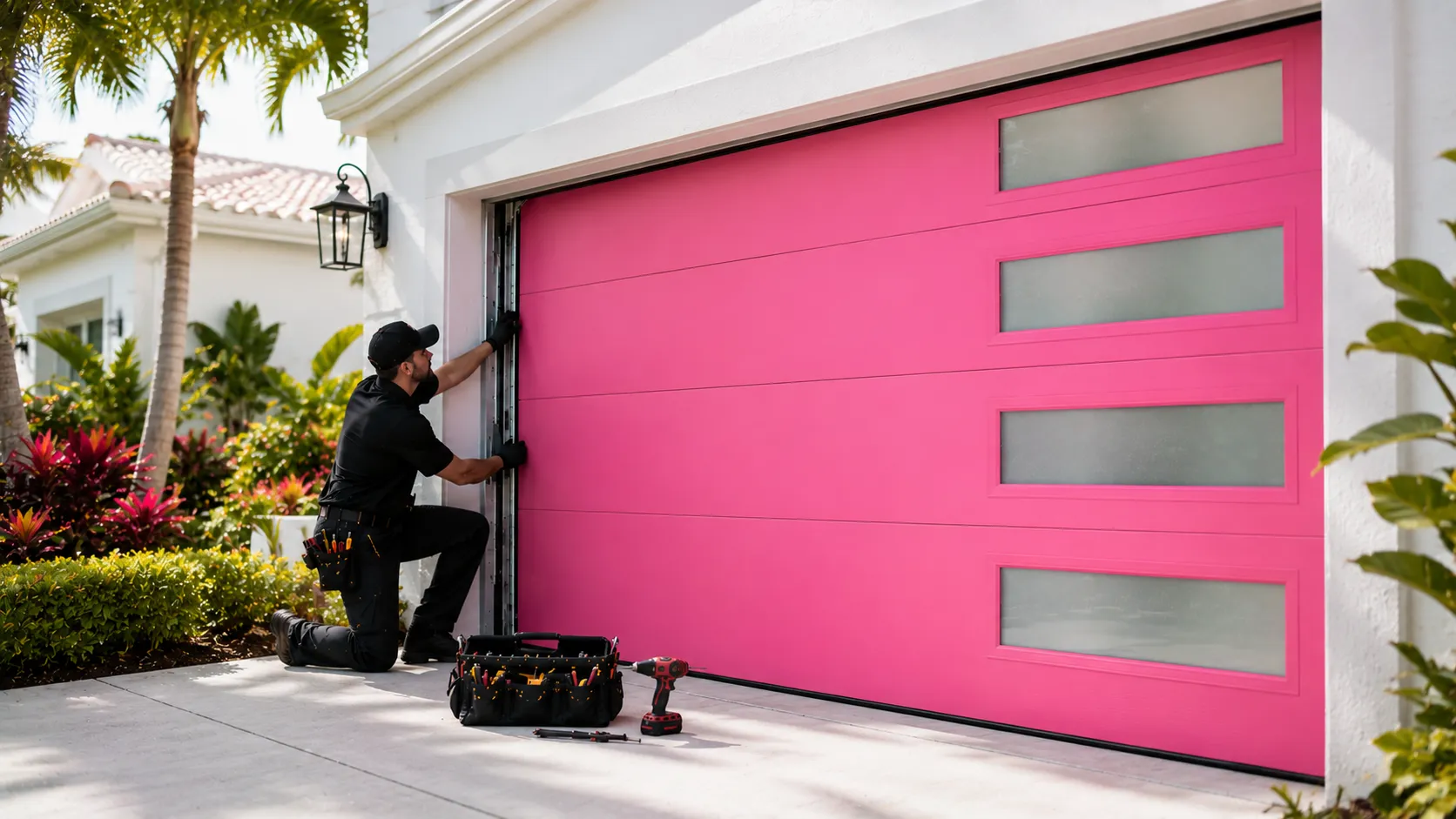
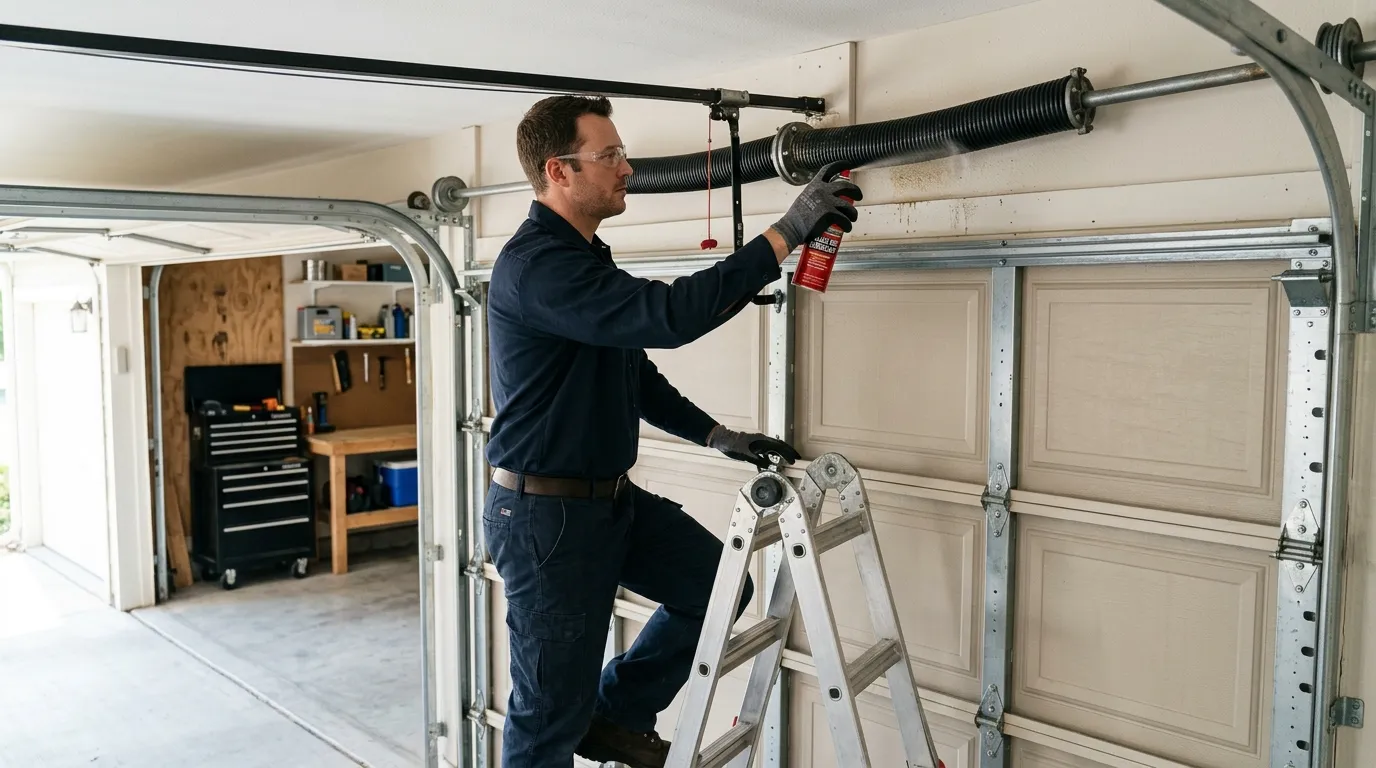
Once we're on site, the job is mechanical, not mysterious. Old opener comes down, mounting hardware gets checked against the door weight it's actually carrying, new unit goes up on the existing rail if it's sound, wall control and safety sensors get wired and aligned, and we run the door through a full cycle to check travel limits and force settings.
For a house in the 2002-median range, we're rarely dealing with hardware from the 1980s stock elsewhere in the service area - no undersized brackets, no obsolete rail profiles. That keeps the labor predictable. What takes the extra time is the cold-weather calibration: setting force and travel limits with the door at ambient temperature isn't the same as setting them once the garage has sat at 10 degrees for a week, so we err toward the setting that holds up in February, not just on install day.
See our Lake Elmo garage door repair page if the door itself, not just the opener, needs attention, or the Hugo opener installation page for how we handle this across the rest of the area.