What Is on the Truck
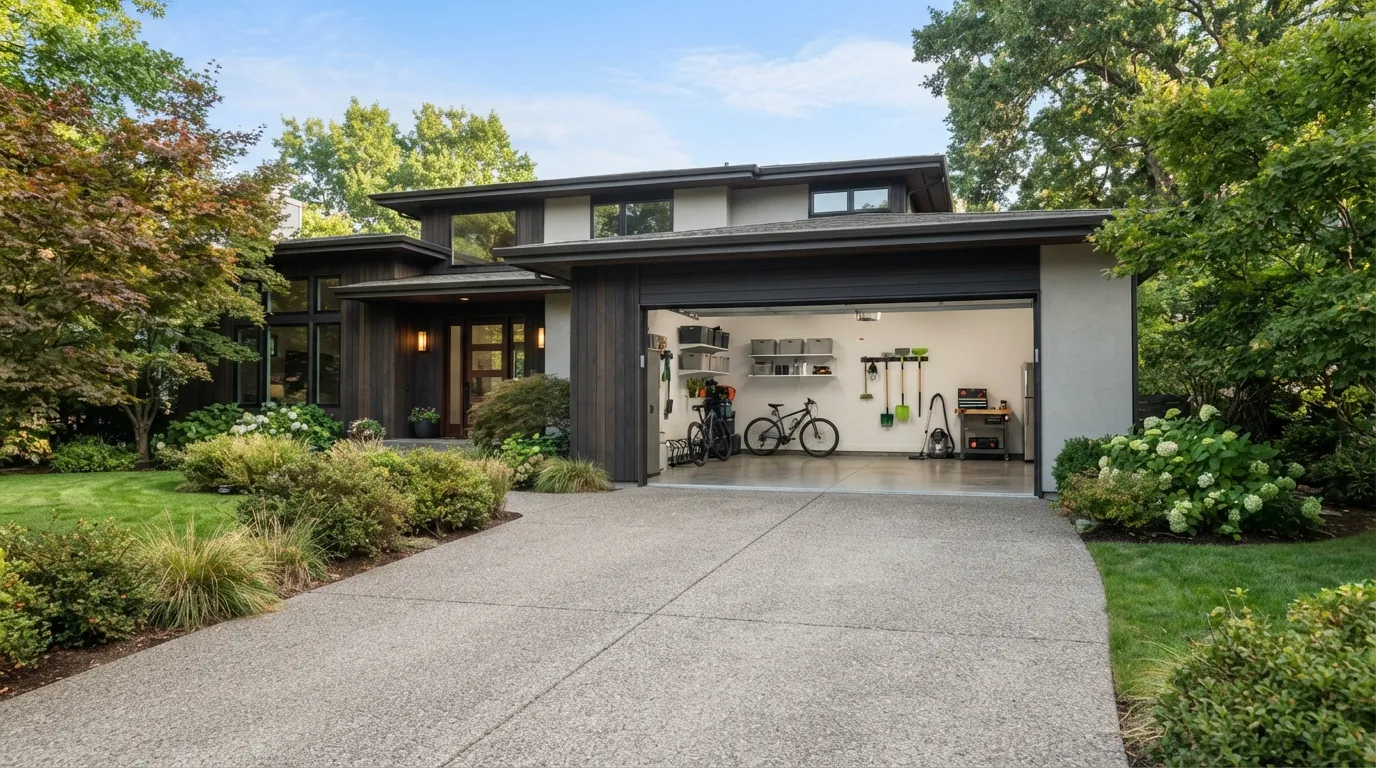
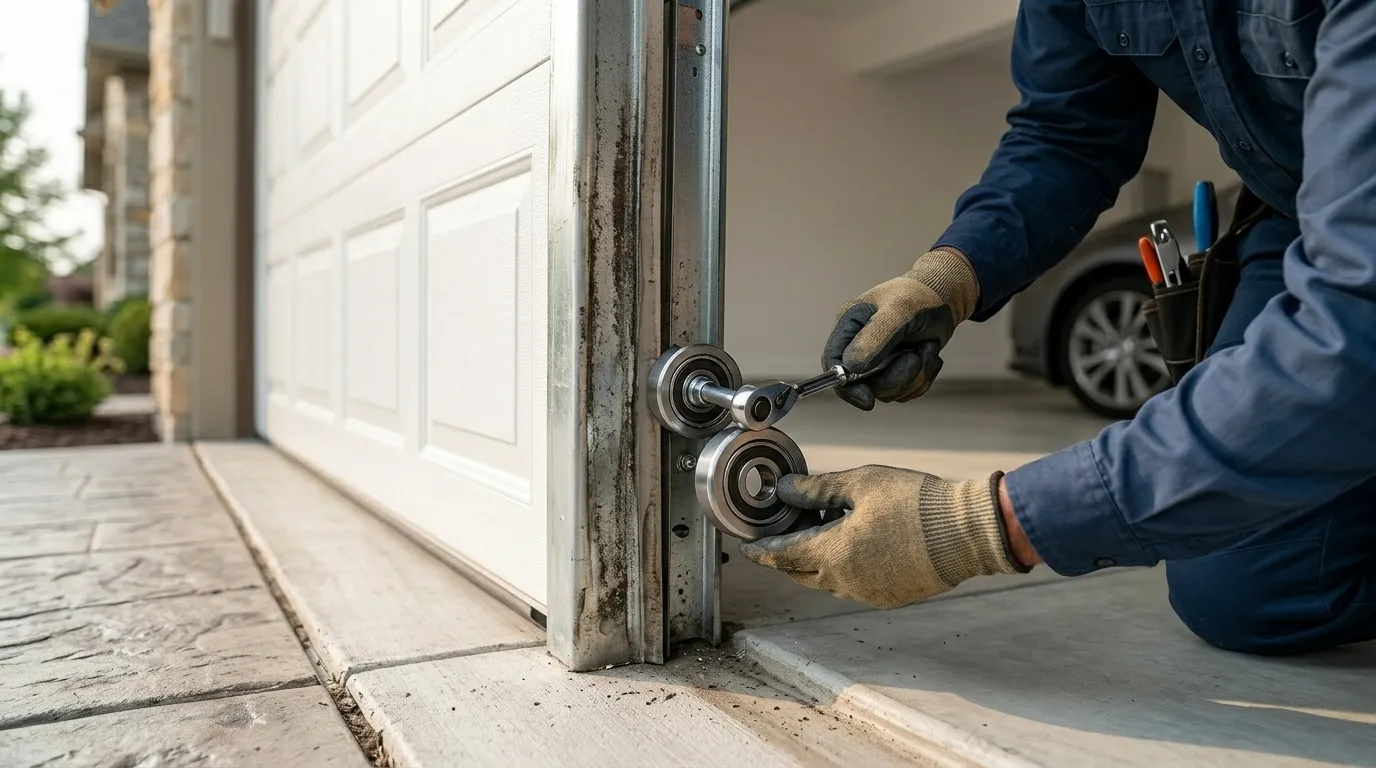
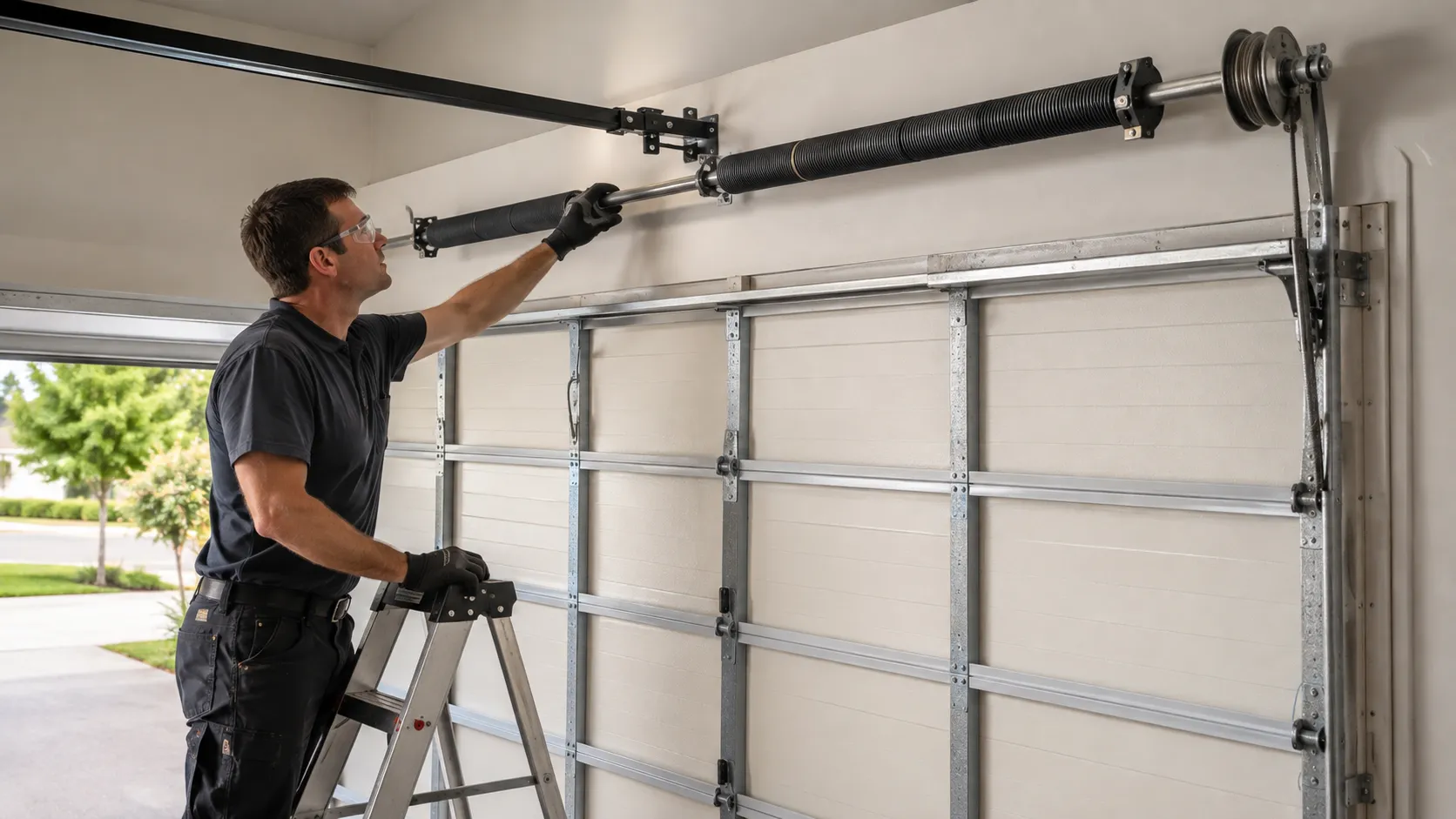
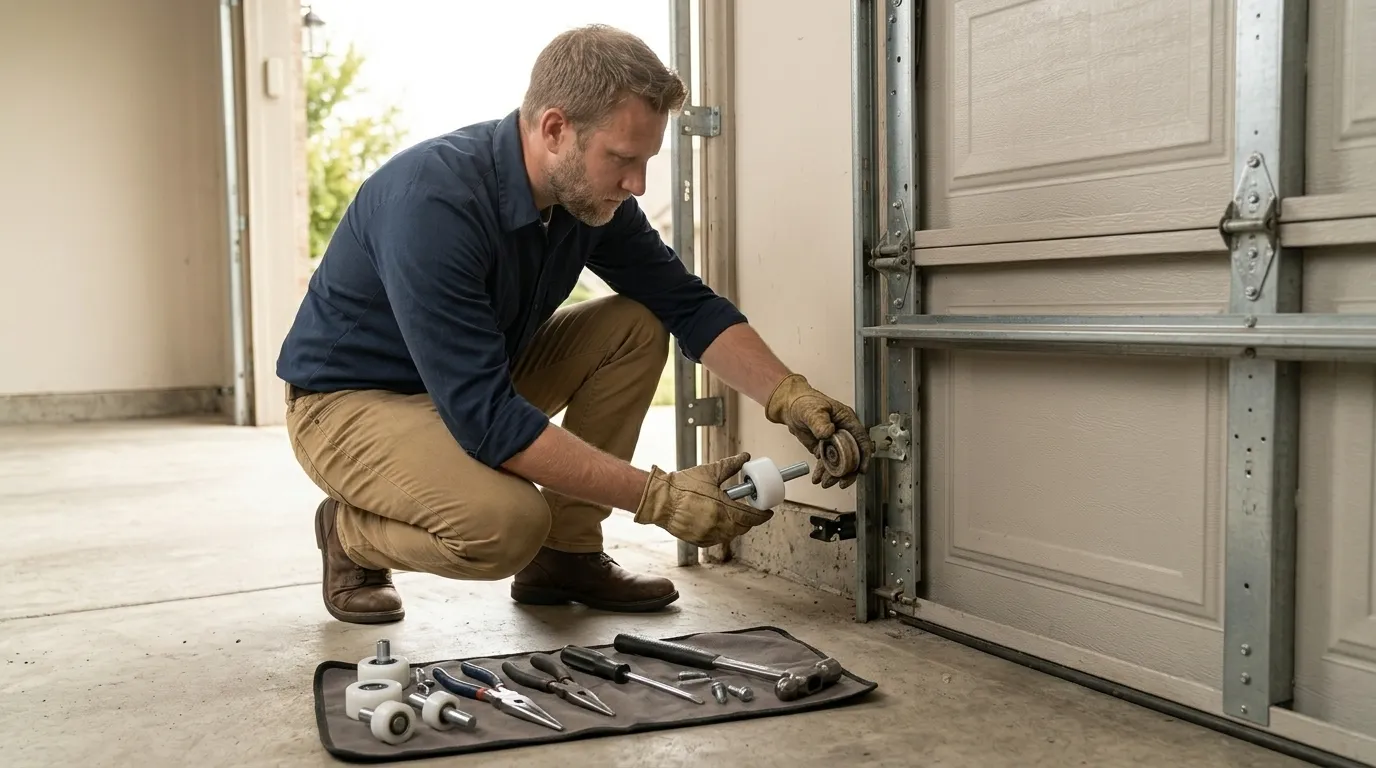
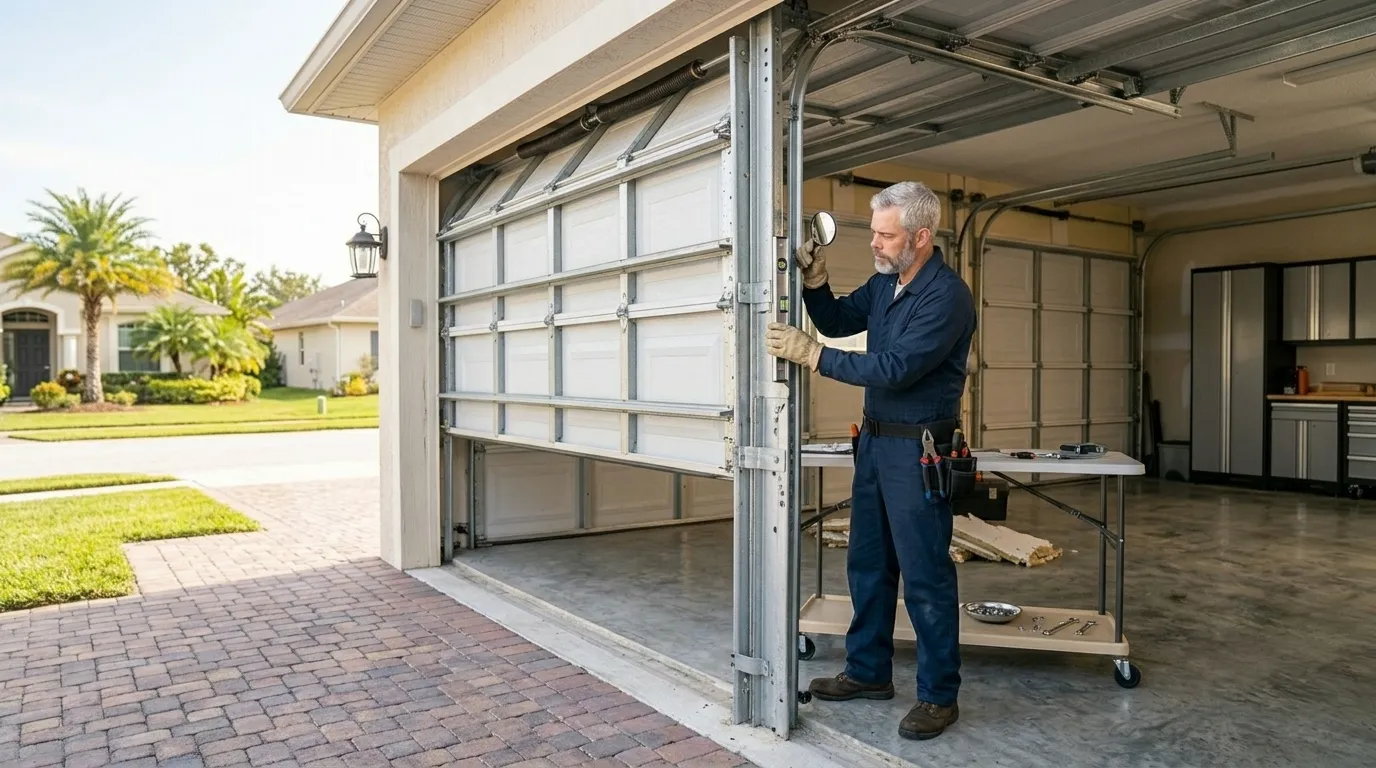
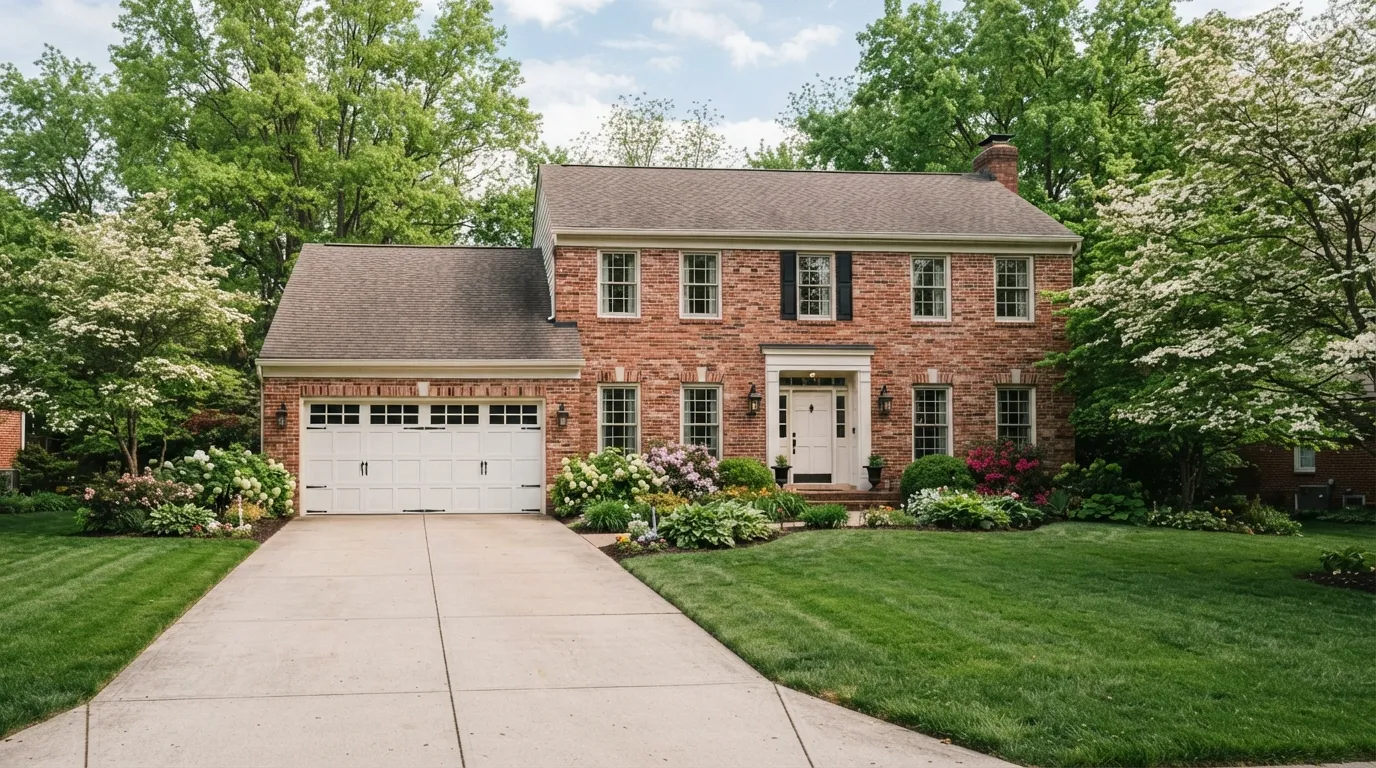
For a service area built mostly in the 1980s and 90s, we carry torsion springs sized for a wide range of door weights, but Lake Elmo's stock - median year built 2002 - skews toward the heavier end of that range. Insulated steel doors with foam cores weigh more than the uninsulated single-layer doors common in older sections of the territory, so the springs, cables, and drums we bring for this town are typically the larger-wind, higher cycle-rated parts rather than the lighter stock we'd grab for a 1960s single door. We also carry heavier-duty rollers and longer torsion bars for the double-wide openings that are more common on newer construction. What we don't carry on every run is a matched replacement panel for every door style - insulated doors from this era come in enough color and window configurations that panel-only repairs sometimes mean a special order rather than a same-day swap.
What It Costs
We don't post flat prices here because the two variables that actually set the number - door weight and spring wind count - change house to house even within Lake Elmo. What we can tell you is what drives the cost up compared to an older, lighter door: a heavier insulated double door needs a higher-rated torsion spring pair, and those parts cost more than the single lighter spring an older narrow door takes. Household income here runs well above the service area's overall median of $100,759, and we mention that only because it tends to track with more finished, heavier doors - carriage-style overlay panels, insulated glass sections - which cost more to fix than a plain flush steel door. We quote the job after we've seen the door and weighed the spring, not off a phone description.
What the Fix Involves
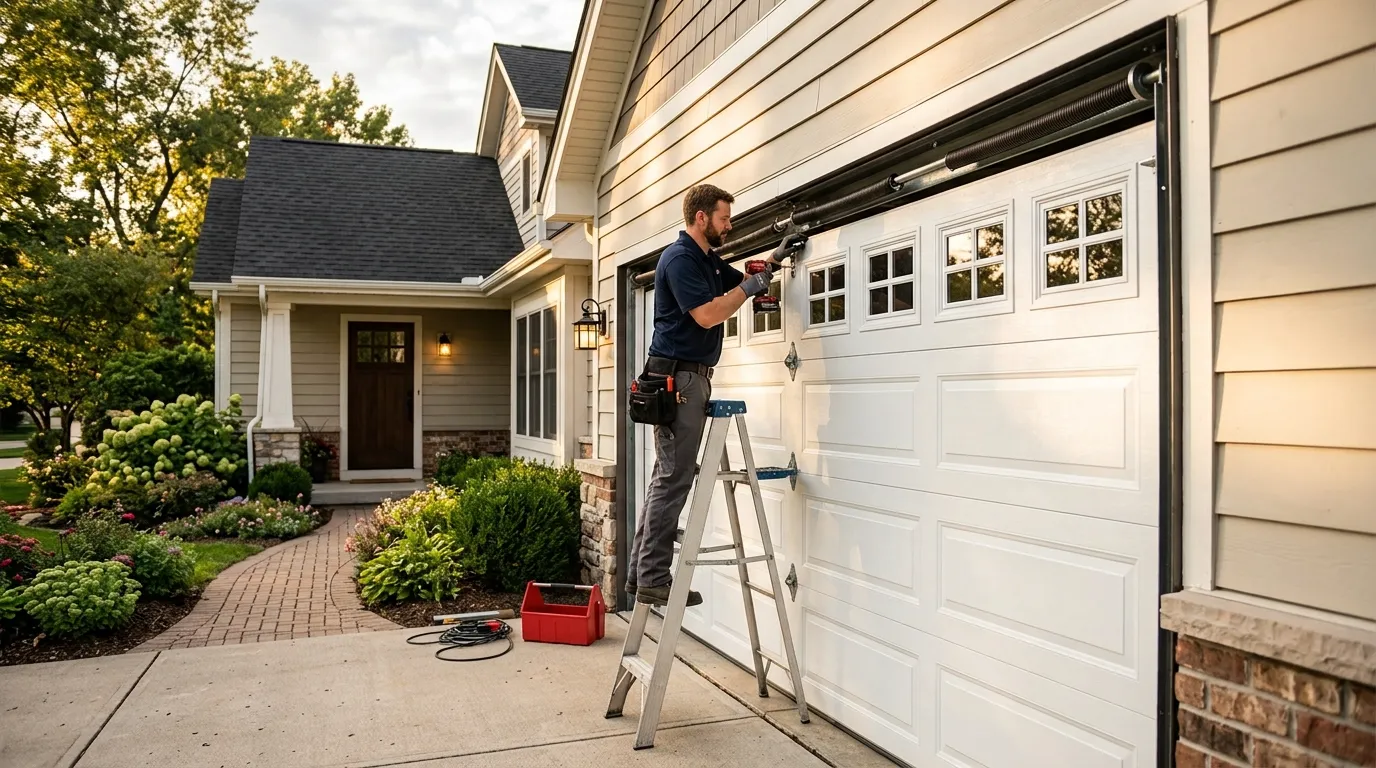
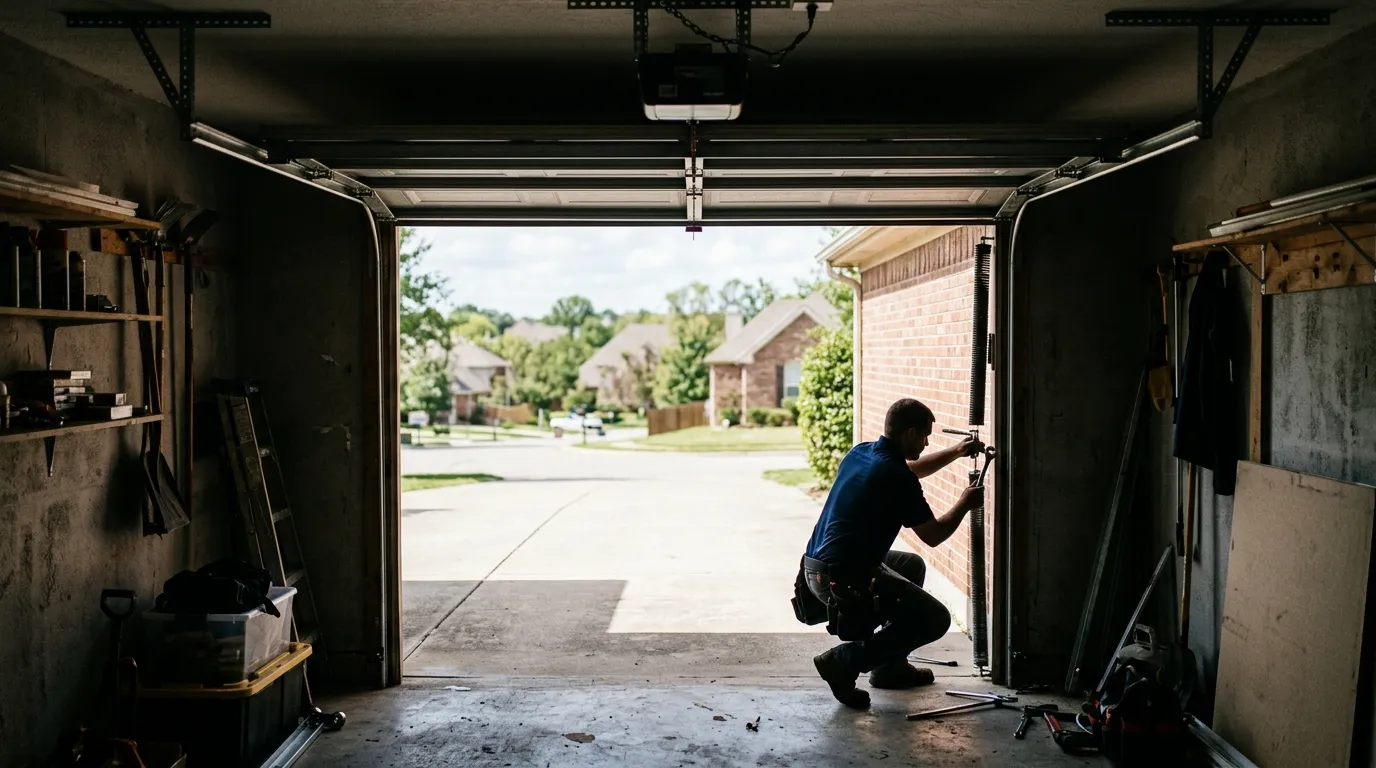
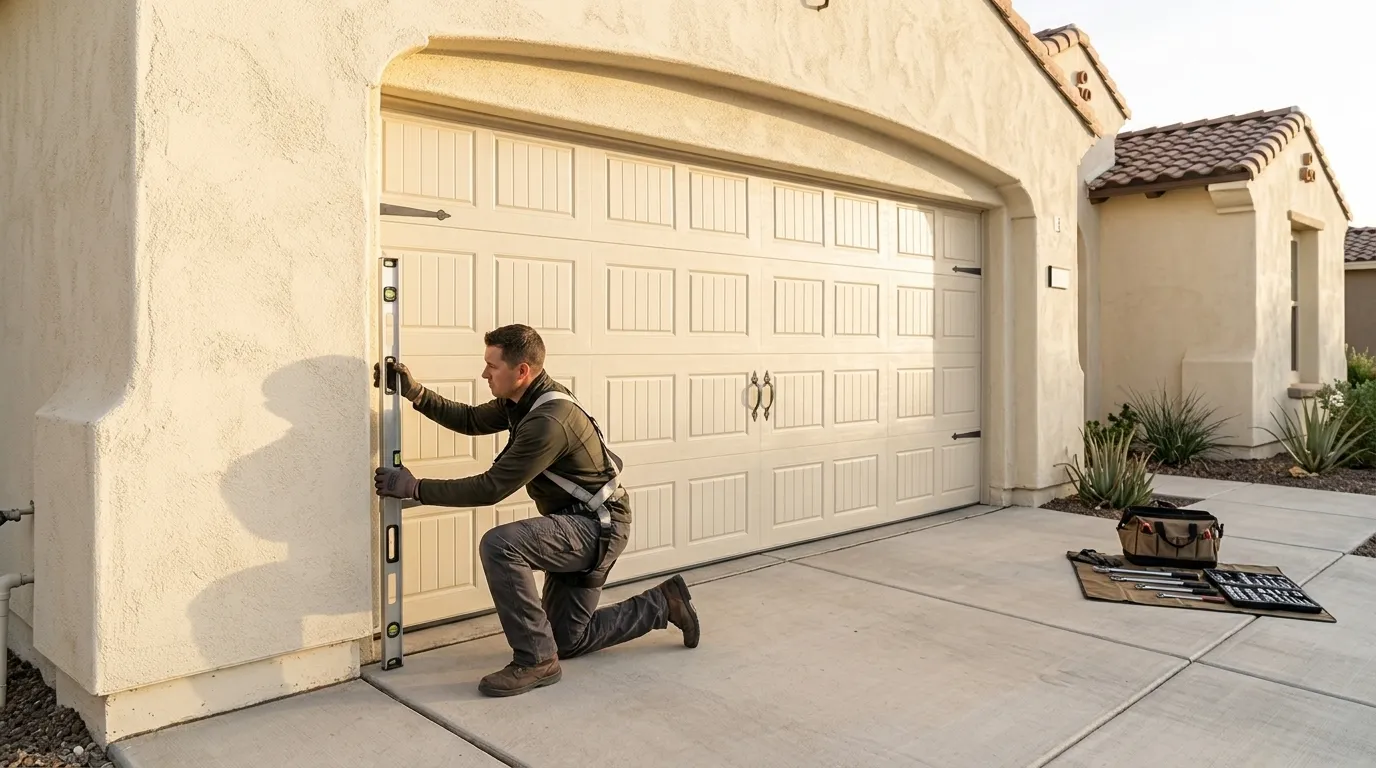
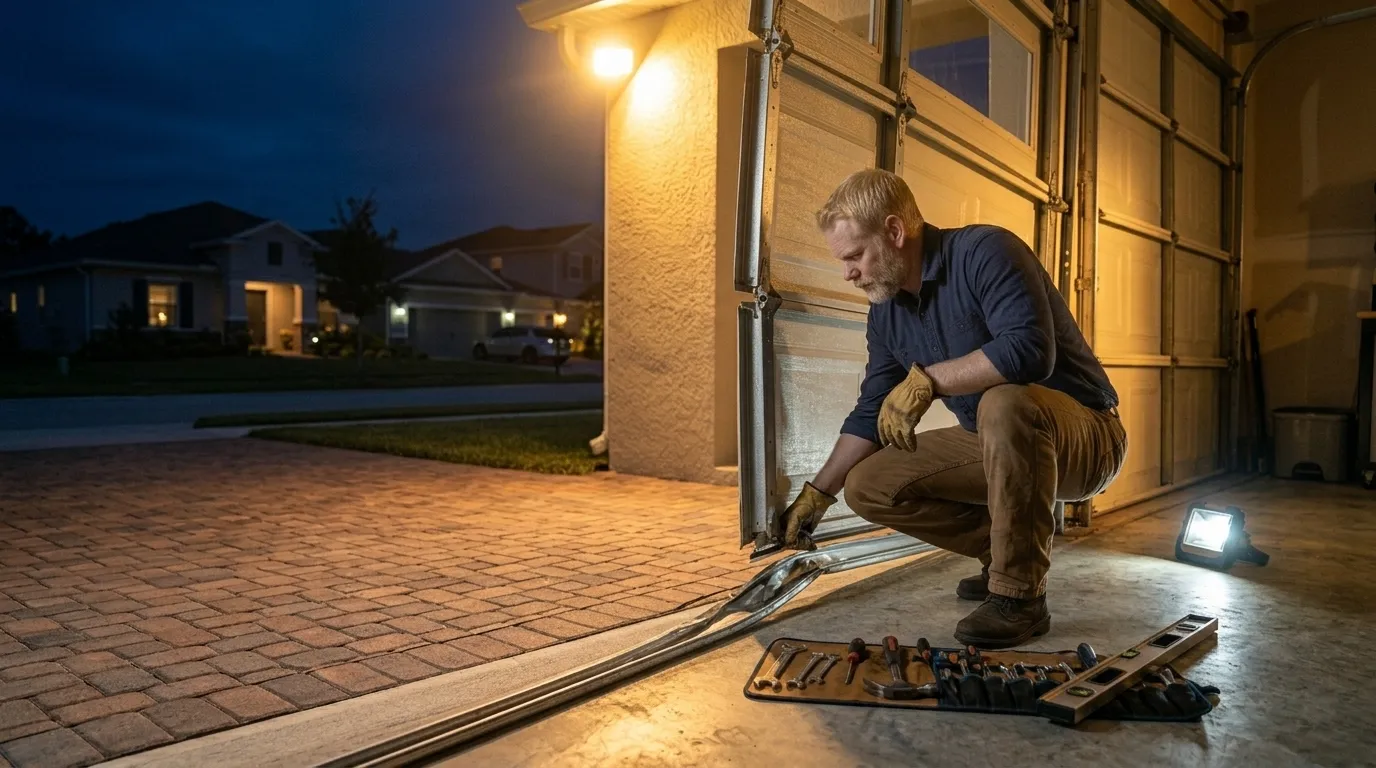
On a typical Lake Elmo call, we start by checking track alignment, since a door this size - heavier, wider - will show a bent track faster than a lighter older door will if it's ever been hit or has settled with the house. From there it's spring tension, roller condition, and cable wear at the drum. Because this area's stock is younger, we're less often dealing with rot-damaged wood jambs or corroded hardware from decades of Minnesota winters (the whole service area sits in a cold, severe climate band, F3), and more often dealing with fatigue on high-cycle parts - springs and rollers that have simply done more lifts on a heavier door before wearing out. We test the opener's force settings and sensor alignment last, since a door that's freshly balanced but still fighting bad force settings will just wear the new parts out again.