What Is on the Truck
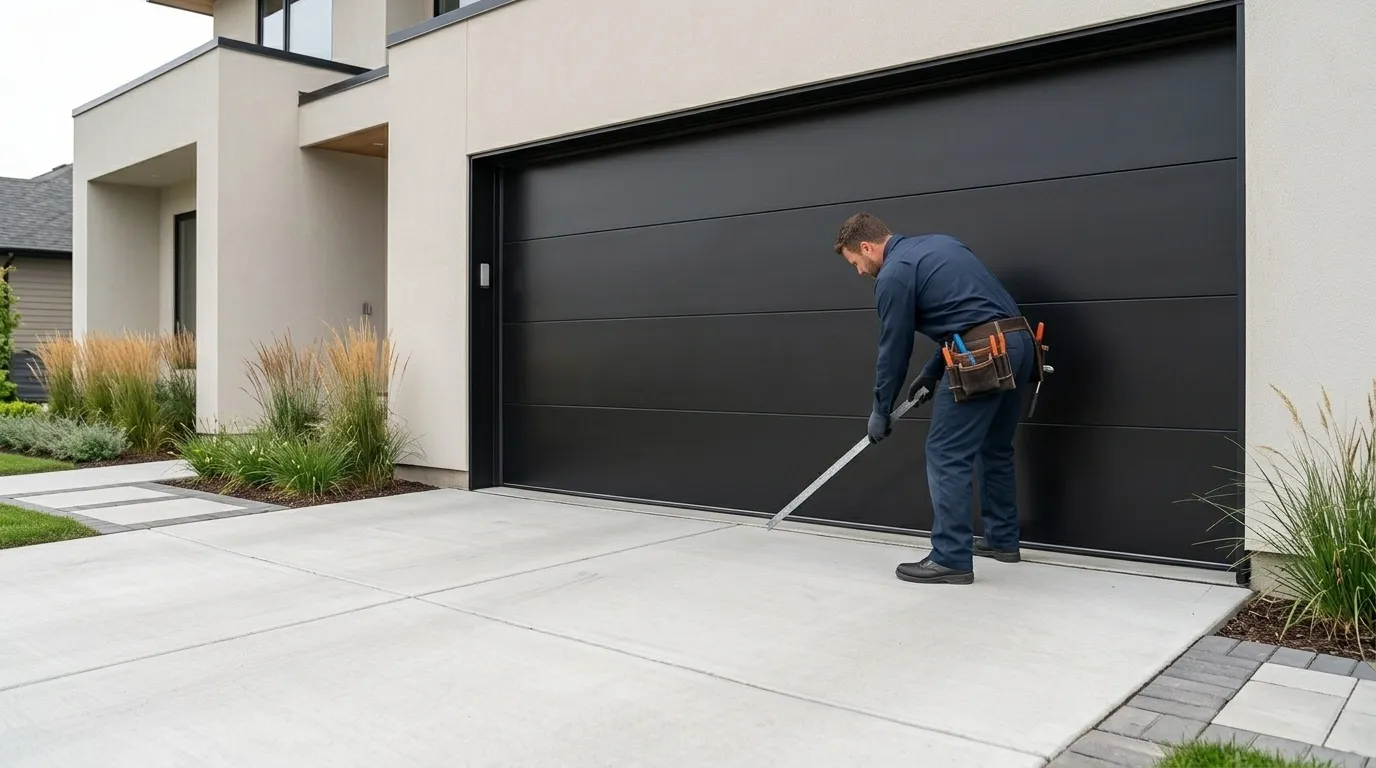
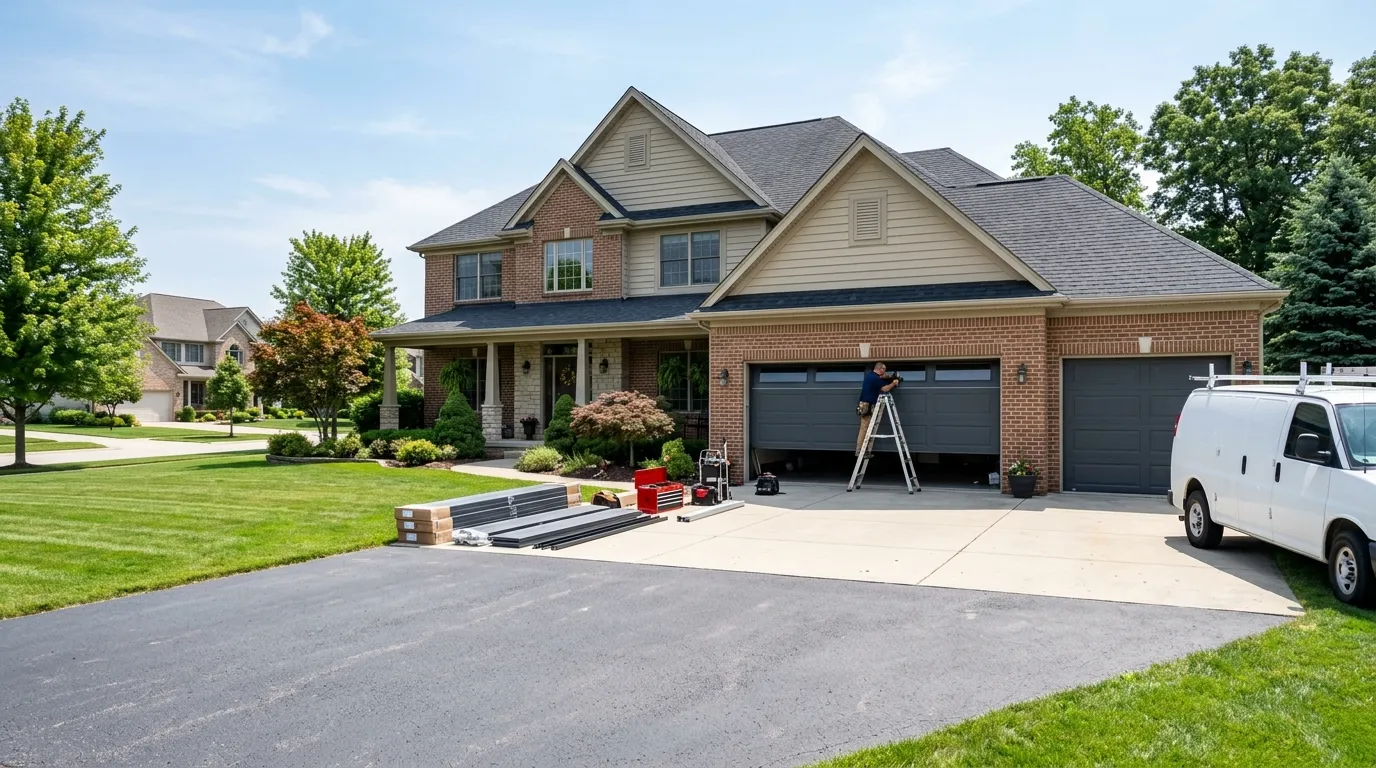
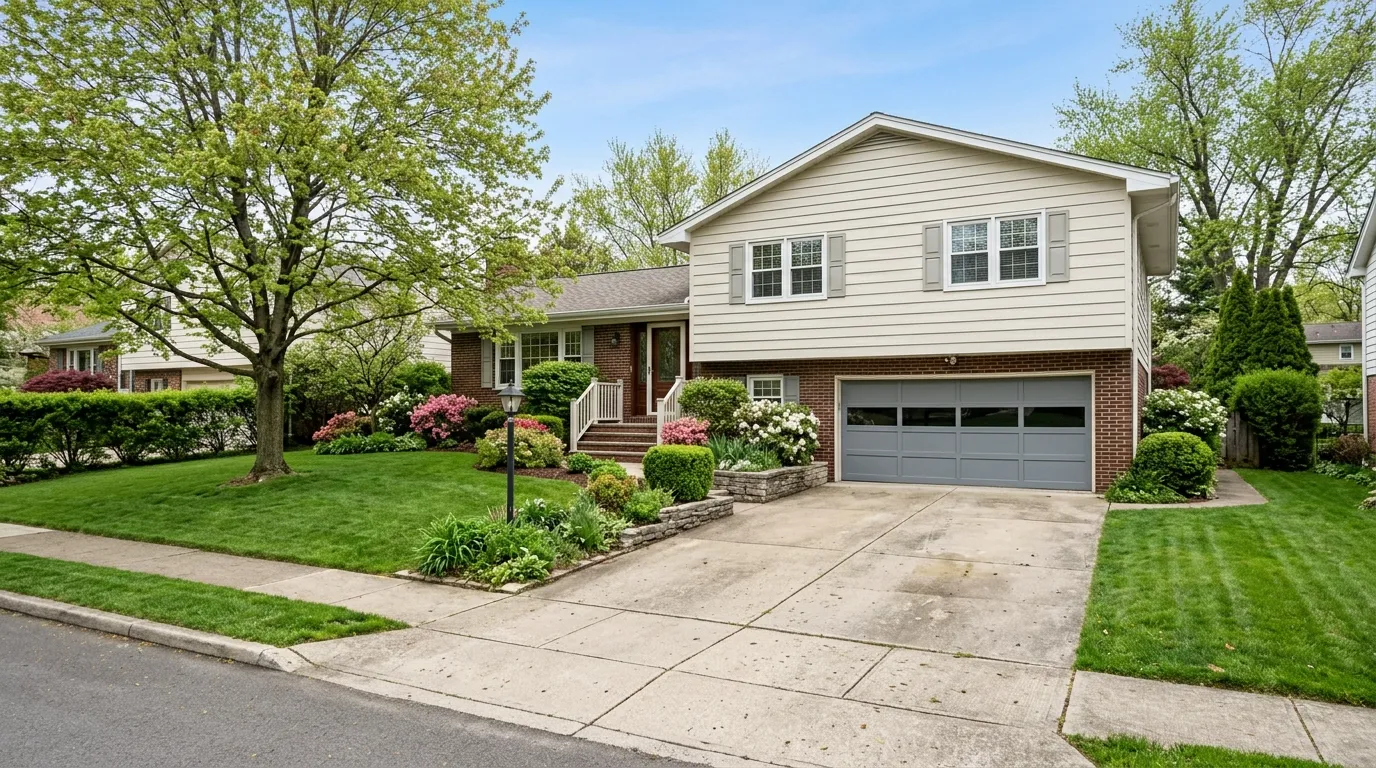
Because most Lake Elmo homes were built well after 1993, the openers already on these garages are almost always chain or belt drive units with the photo-eye safety sensors that became standard that year - we're not dealing with the older reversing mechanisms you find on 1960s and 70s stock elsewhere in the area. That matters for what we load: standard 8x7 and 16x7 steel sectional doors, torsion springs sized to modern door weight rather than the older extension-spring setups, and hardware that bolts straight into rough openings built to current code.
We stock insulated steel sections as the default line for this area, not the uninsulated single-layer doors you'd see on older housing. The area sits in a cold, severe-winter climate band, and a door going into a home built in the 2000s is going in next to an insulated envelope - putting an uninsulated door on it works against the rest of the house. We carry both 2-inch and thinner-core options depending on what the opening and budget call for.
What It Costs
We're not going to quote a number here that isn't tied to your door, your opening, and what you pick for insulation and window options - that changes job to job. What we can say is that Lake Elmo's median household income runs noticeably higher than the wider service area - $153,407 here against roughly $100,759 across the broader territory we cover. In practice that means we get more requests here for upgraded panel styles, higher R-value cores, and quieter belt-drive openers rather than the base steel door and chain drive that's the common pick elsewhere.
We'll always spec the base option too. A well-built steel door without the extras still holds up fine in this climate and costs less. The upgrade isn't required - it's just what more people around here tend to ask for once they hear the options.
What the Fix Involves
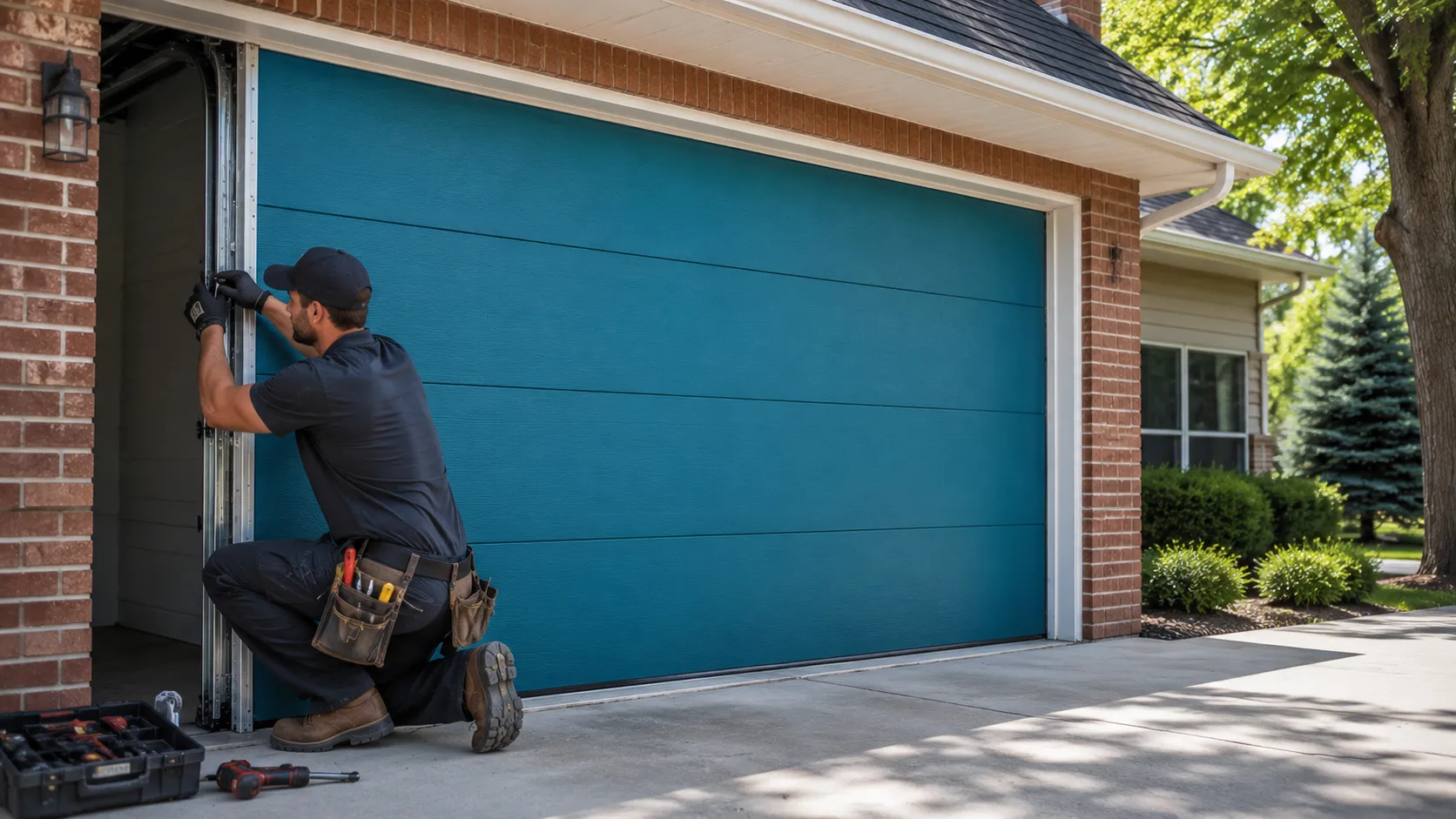
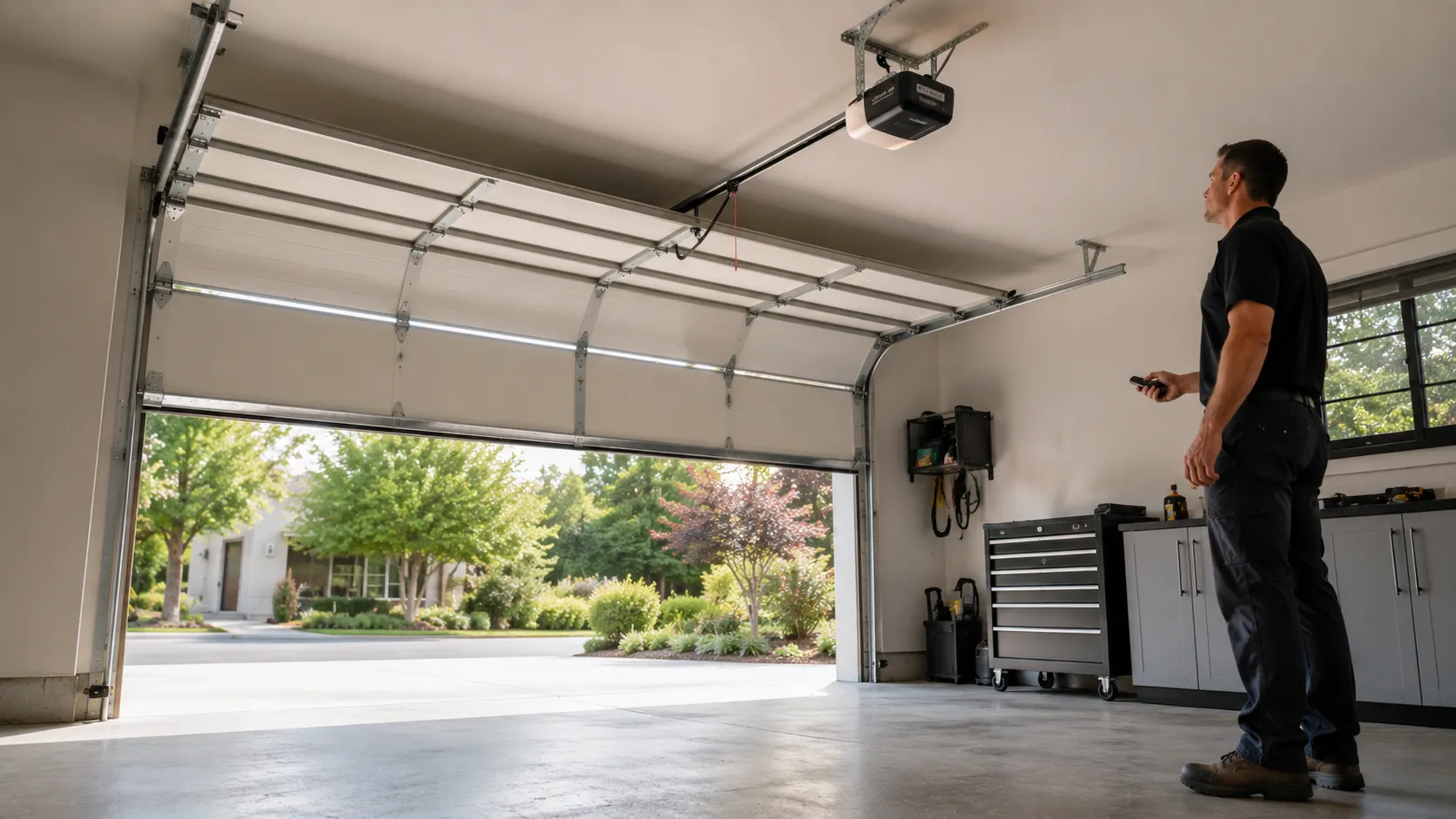
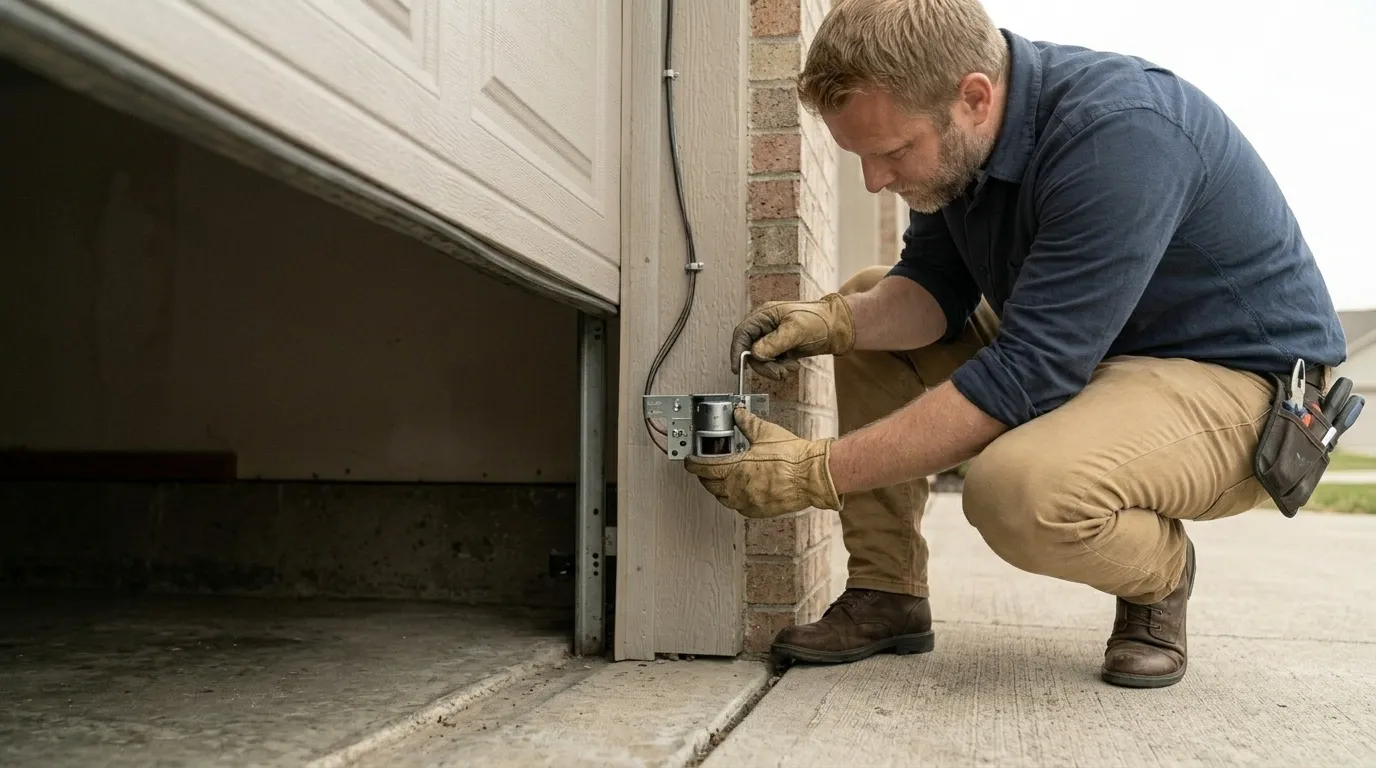
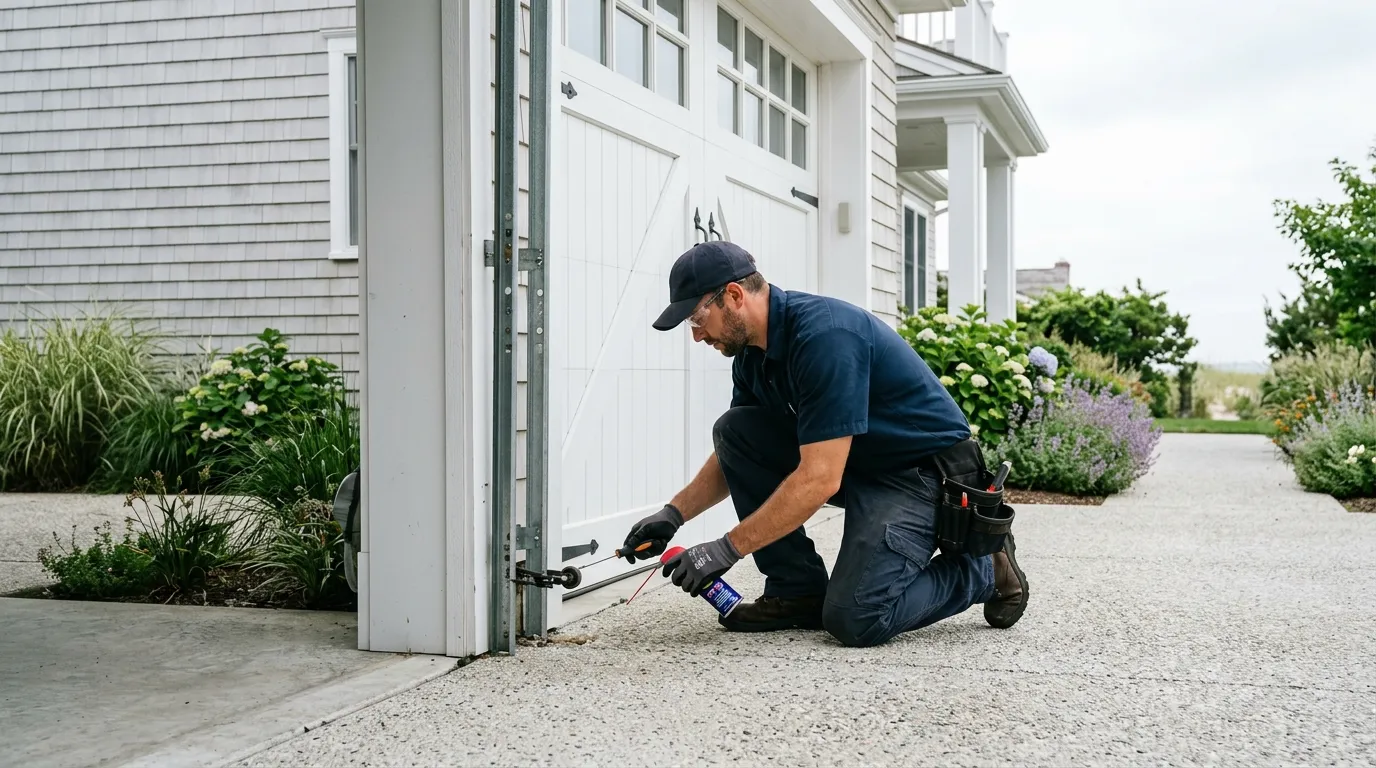
On a typical Lake Elmo install, we're pulling an existing steel sectional that's usually 15-20 years old at most, given the housing here, along with its track and springs. We reset the jambs if they've settled, hang new track plumb, install the torsion spring sized to the new door's actual weight, and re-mount or replace the opener depending on its condition and age. Because the openings in this area were built to current code, we're rarely reworking framing - the labor goes into getting balance and travel right, not fighting a house that wasn't built square in the first place. We test the safety reversal and photo eyes before we call it done, since that's required hardware on anything installed in a home from this era.