What Is on the Truck
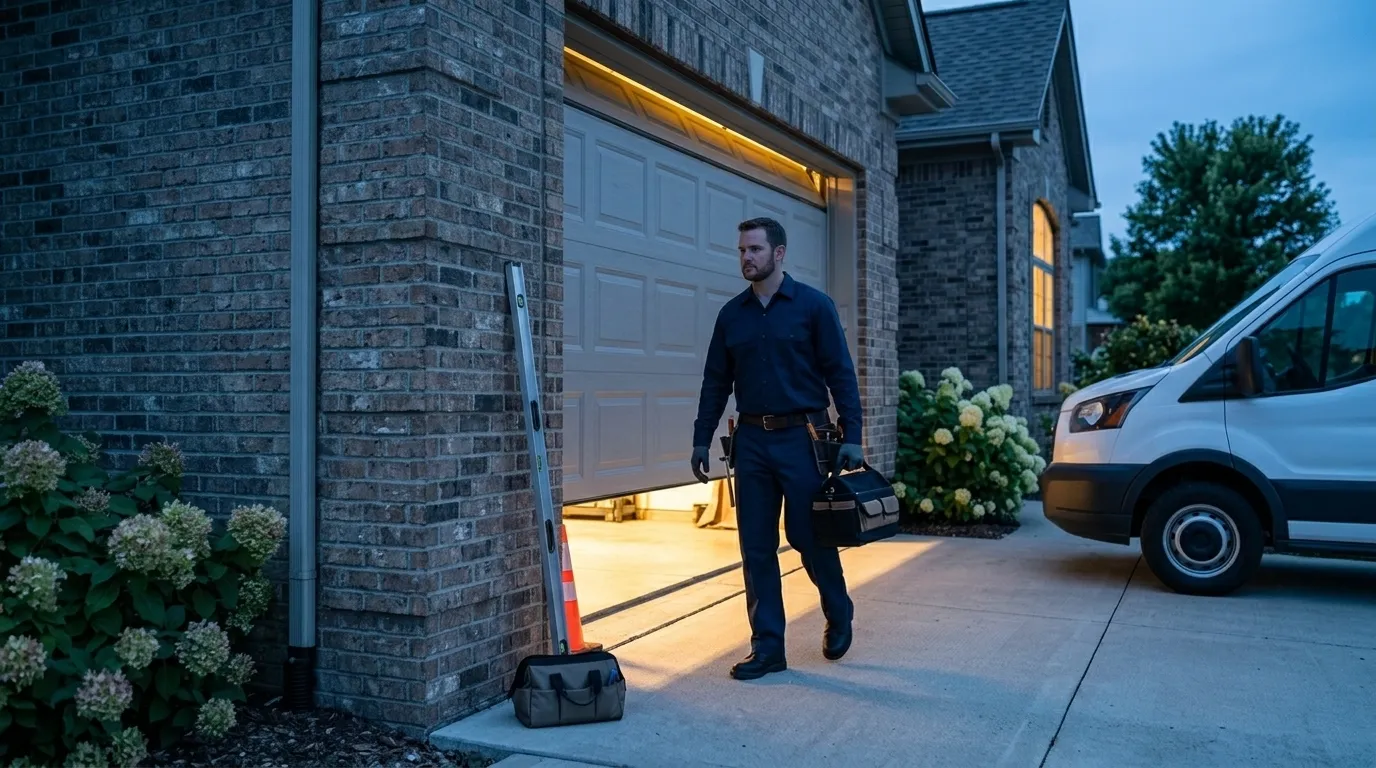
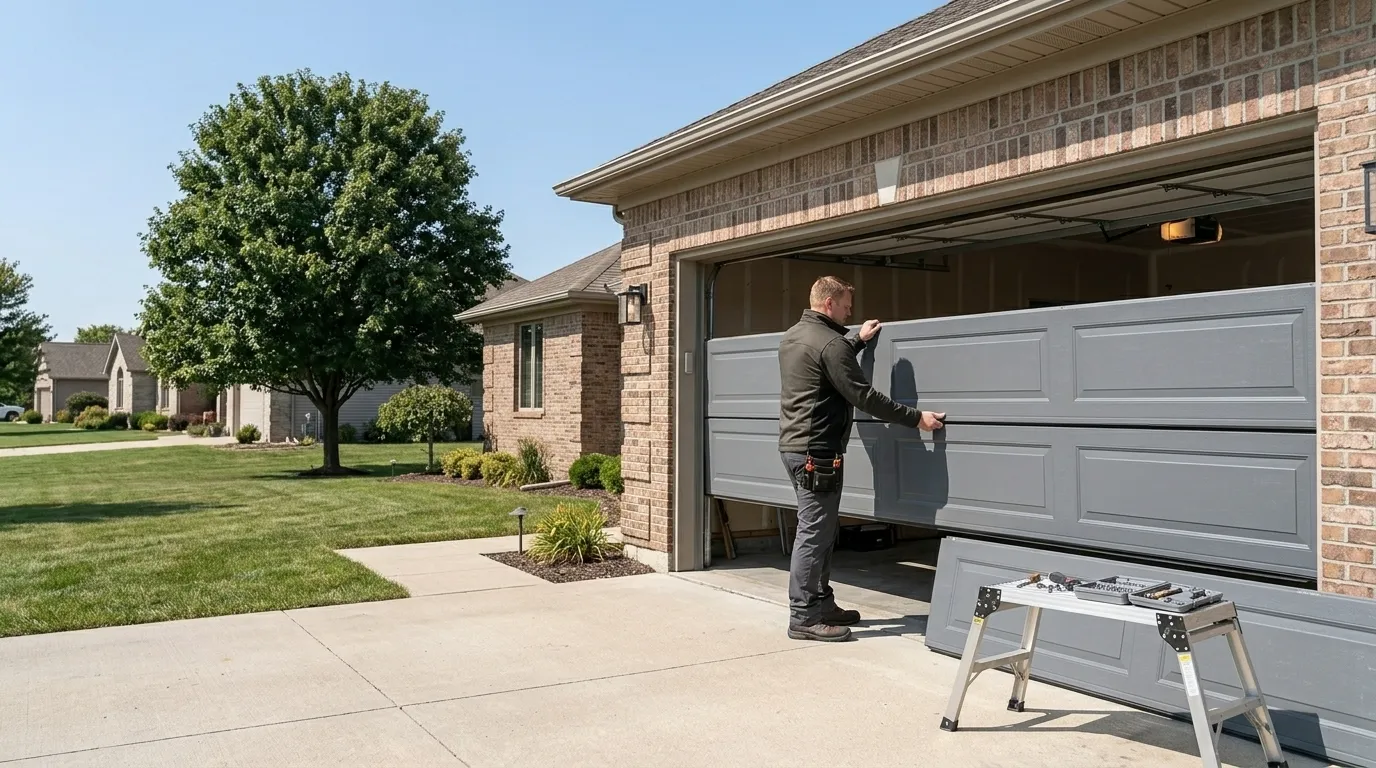
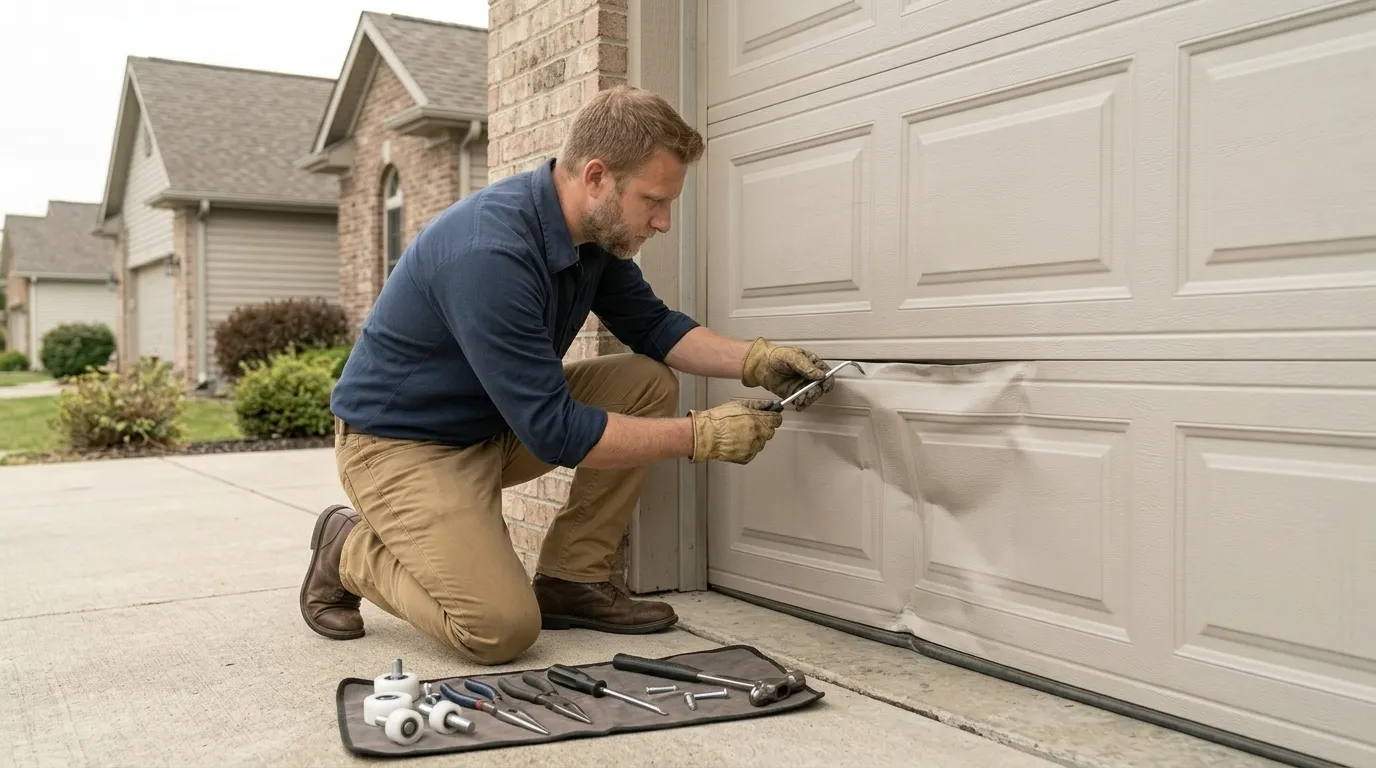
For a service area where most openers are early-2000s vintage, the truck carries the parts that actually fail on units from that era: circuit boards for the common chain and belt-drive models sold through the late 90s and early 2000s, safety-sensor eye pairs, drive gears and sprockets, and wall control stations. We also carry standard remotes and keypads, since a fair number of opener calls turn out to be a dead remote battery or a control panel that's stopped talking to the head unit, not a broken drive.
What we don't carry is every board for every opener ever made. If your unit is an older or less common brand, we may need to order the specific board rather than swap it off the truck same day. That's the one honest limit here - we'd rather tell you that up front than pretend we stock everything.
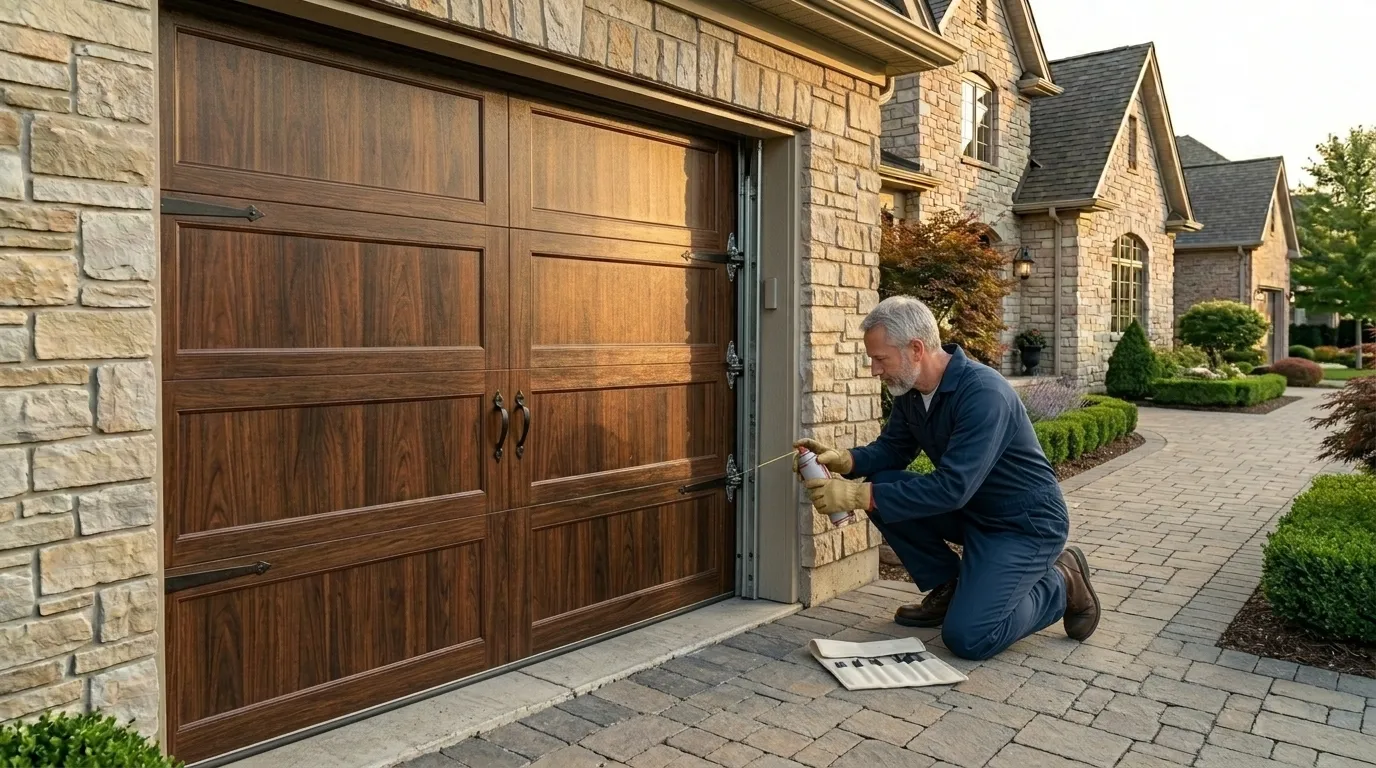
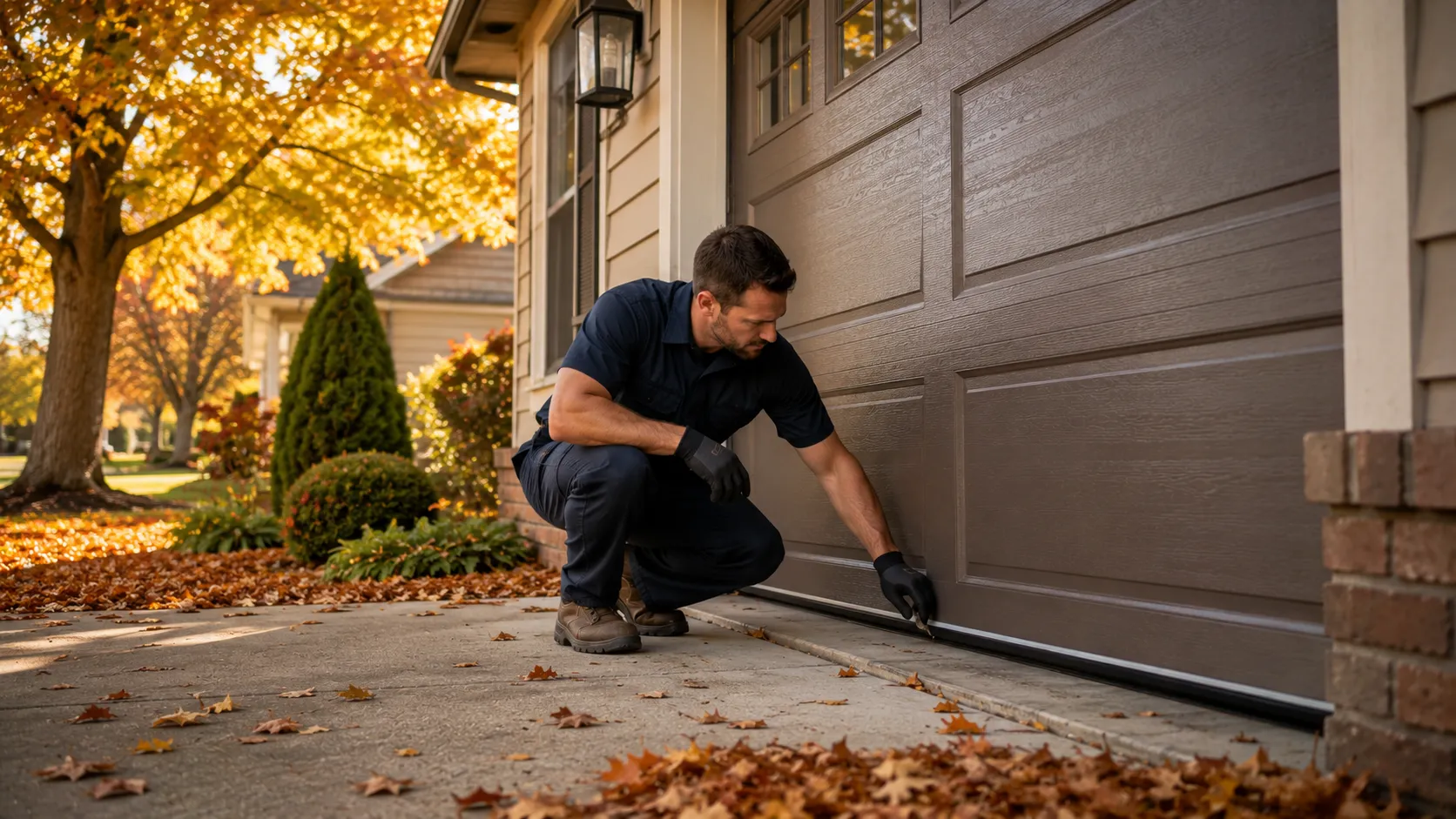
Cold-weather parts matter too. In this climate band, lubricant and seal kits rated for hard winters go on every service call, because a chain or belt that's fine in July can bind or slip once temperatures drop.
What It Costs
We don't quote a number sight unseen - opener repair cost depends on whether it's a sensor, a board, a drive gear, or a full replacement, and we won't know which until we're looking at the unit. What we can tell you is what tends to drive the bill up or down in Lake Elmo specifically: because most homes here were built around 2002, the openers are old enough to need board or gear replacement but not so old that parts are impossible to source, which usually keeps the job on the cheaper side of a full swap.
Household income in Lake Elmo runs well above the wider service area - $153,407 here against $100,759 across the full territory - and we mention that only because it means more Lake Elmo customers ask us to replace an aging opener outright with a quieter or smart-enabled unit rather than repair a 20-year-old board. Both are legitimate calls. We'll tell you honestly when a repair isn't worth it and replacement makes more sense, and when the board swap will get you several more years out of a perfectly good drive system.
What the Fix Involves
Most Lake Elmo calls start the same way: we test the wall button, the remote, and the safety sensors separately to isolate which part of the circuit has failed, since a 20-year-old opener rarely fails in just one place at once. If it's a sensor, we re-align and re-wire the pair and test the reverse function before we leave - that's not optional, it's a safety check every time.
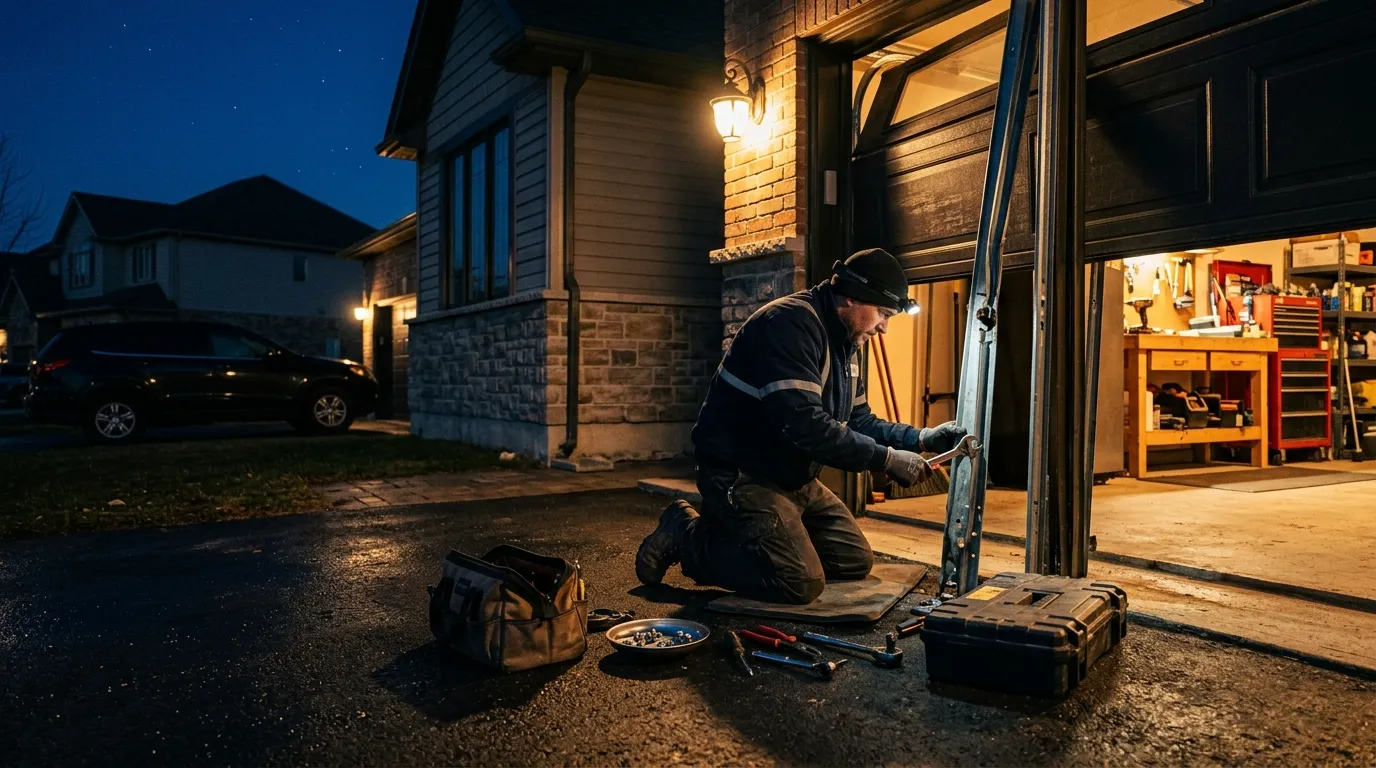
If it's the board, we replace it rather than attempt a repair; boards from this era aren't designed to be serviced piece by piece. Drive gear and sprocket wear shows up as grinding noise or a door that lags behind the opener's motor, and that's a mechanical swap, not electrical. Whatever we find, we test the full open-close cycle under normal load before calling the job done, because a fix that works on an empty test cycle can still fail the first time the door has to lift real weight in cold weather.