How Long It Takes
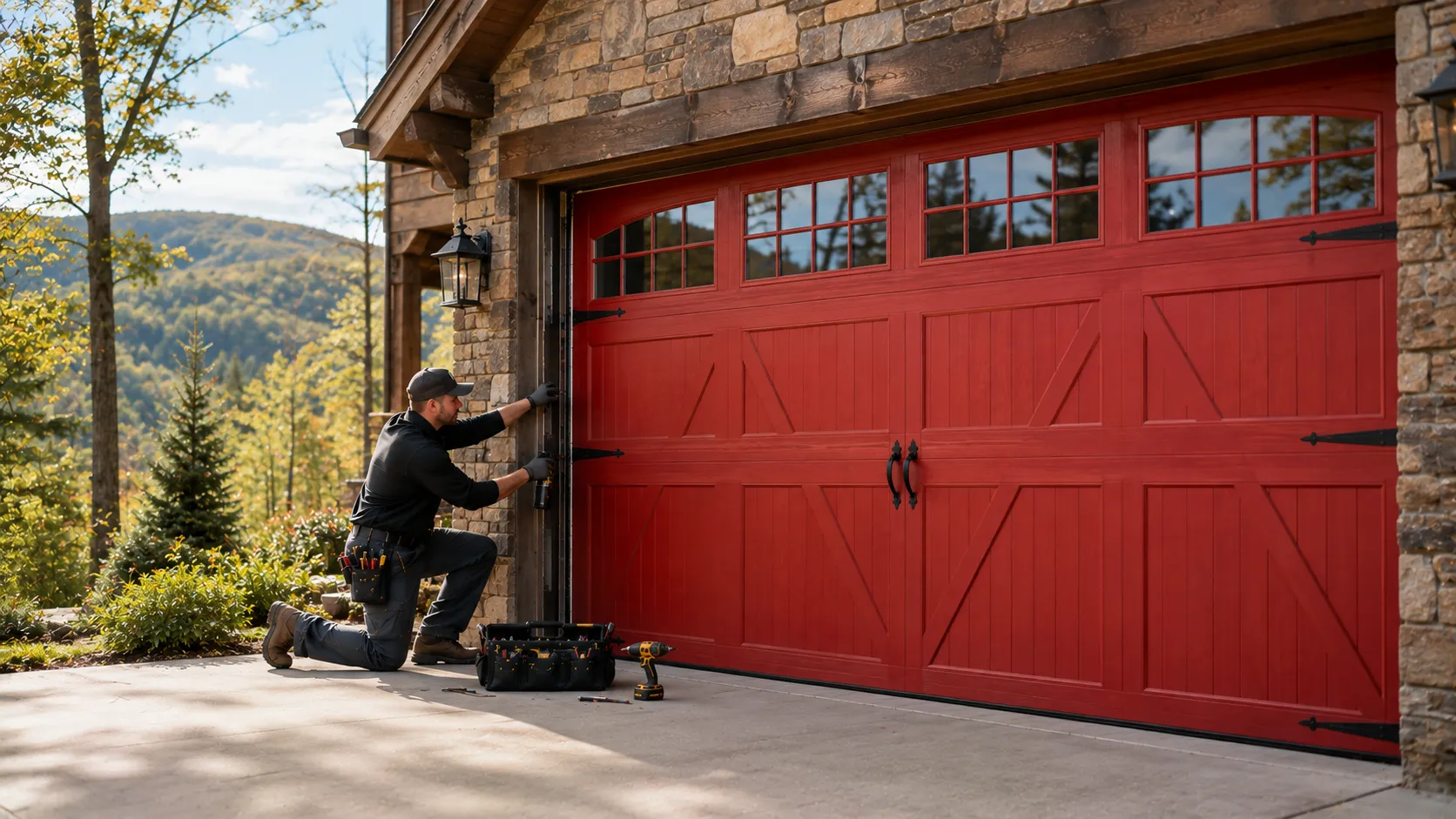
A straight roller swap - pulling old rollers, fitting new ones, checking the track for wear as you go - is one of the shorter jobs on a garage door truck. It doesn't need a spring unload on a properly balanced door, and it doesn't touch the opener at all.
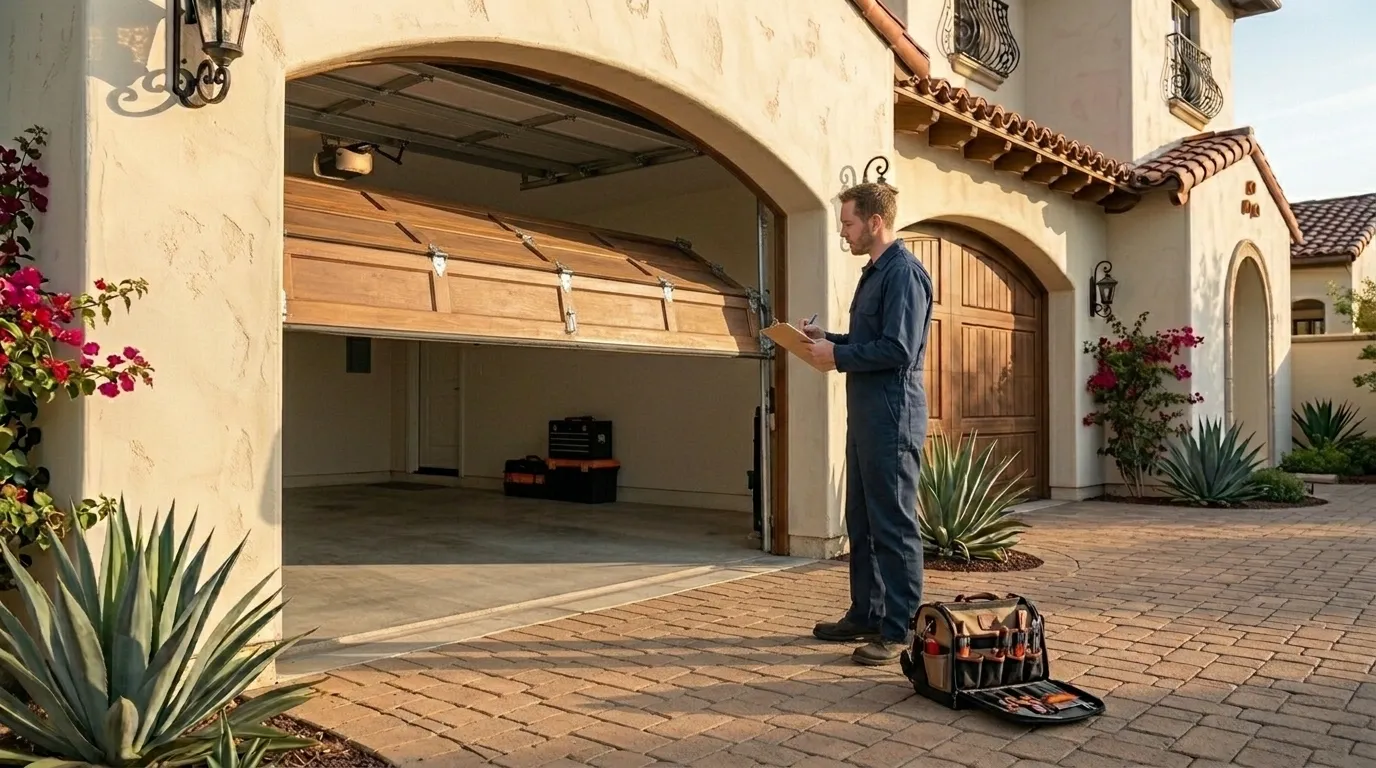
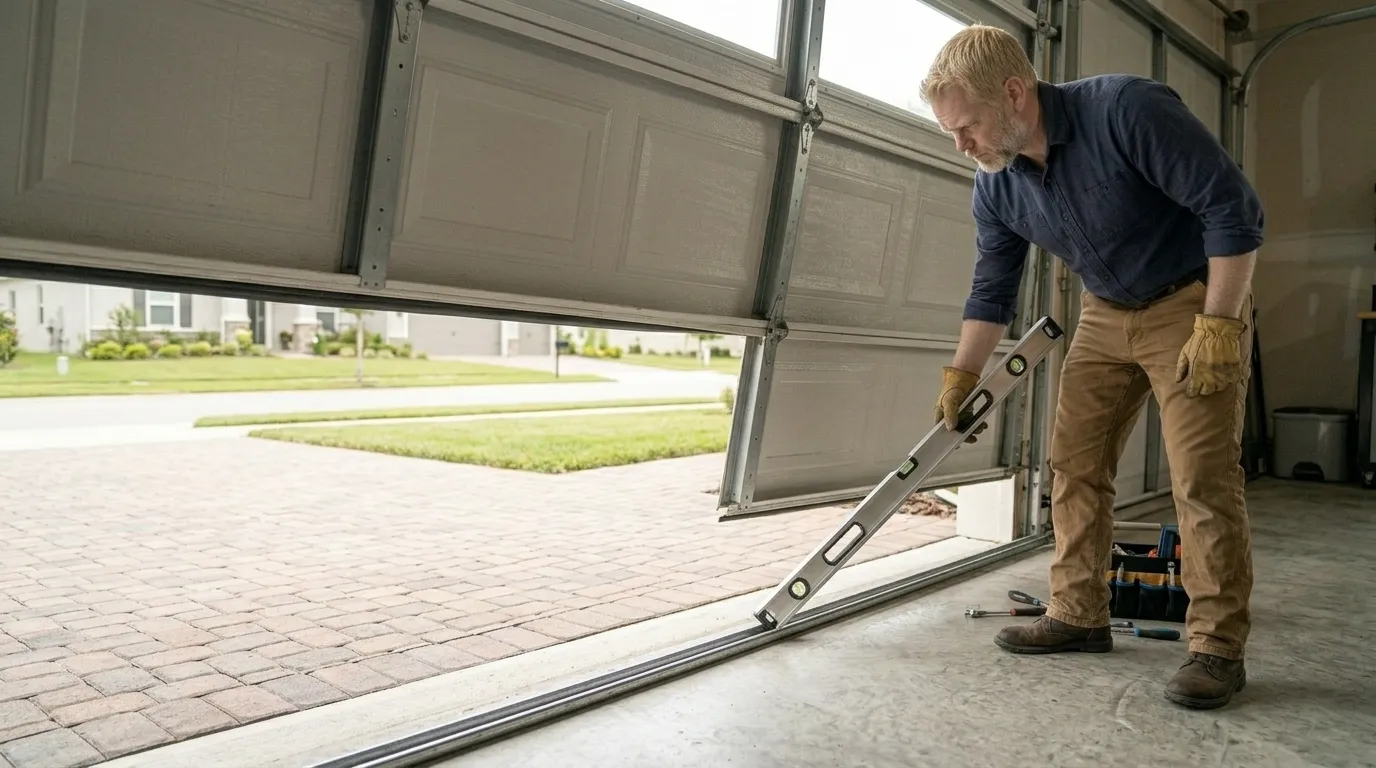
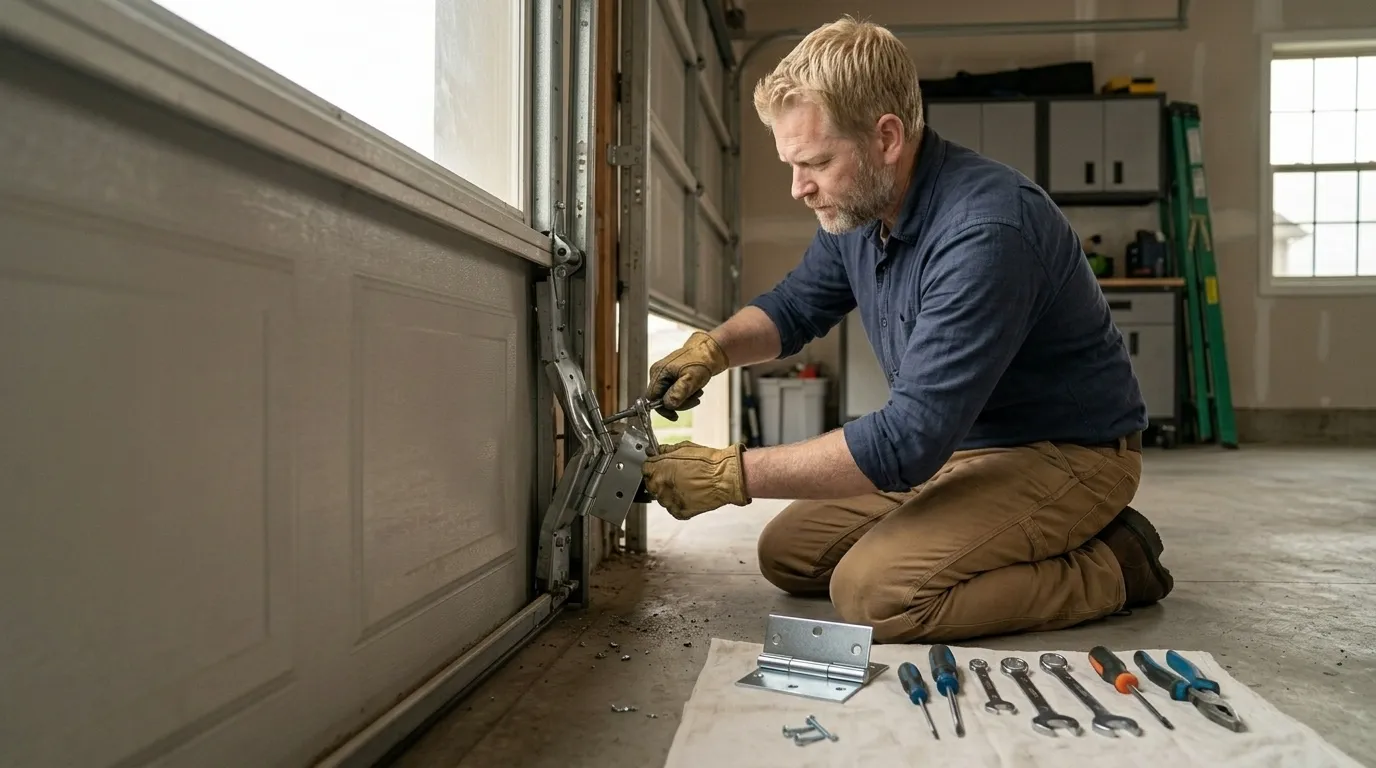
What stretches the job is what's found once the door's open and the old rollers come out. If the track has flared from years of rollers dragging instead of rolling, or a hinge is bent from a roller binding at that hinge point, that gets fixed in the same visit rather than left for a callback. On a door that's been ignored for a while - which happens more on an older, established street where nobody's swapped a part since the house was built - expect the tech to spend more time on inspection than on the swap itself. That's normal, and it's the right way to do it once instead of twice.
The DIY Question
Swapping a nylon roller on the bottom section of a door, away from the spring, is genuinely a job a handy owner can do with the door manually held open and the right roller pulled from a hardware aisle. It's low risk and it's honest work to save a service call for.
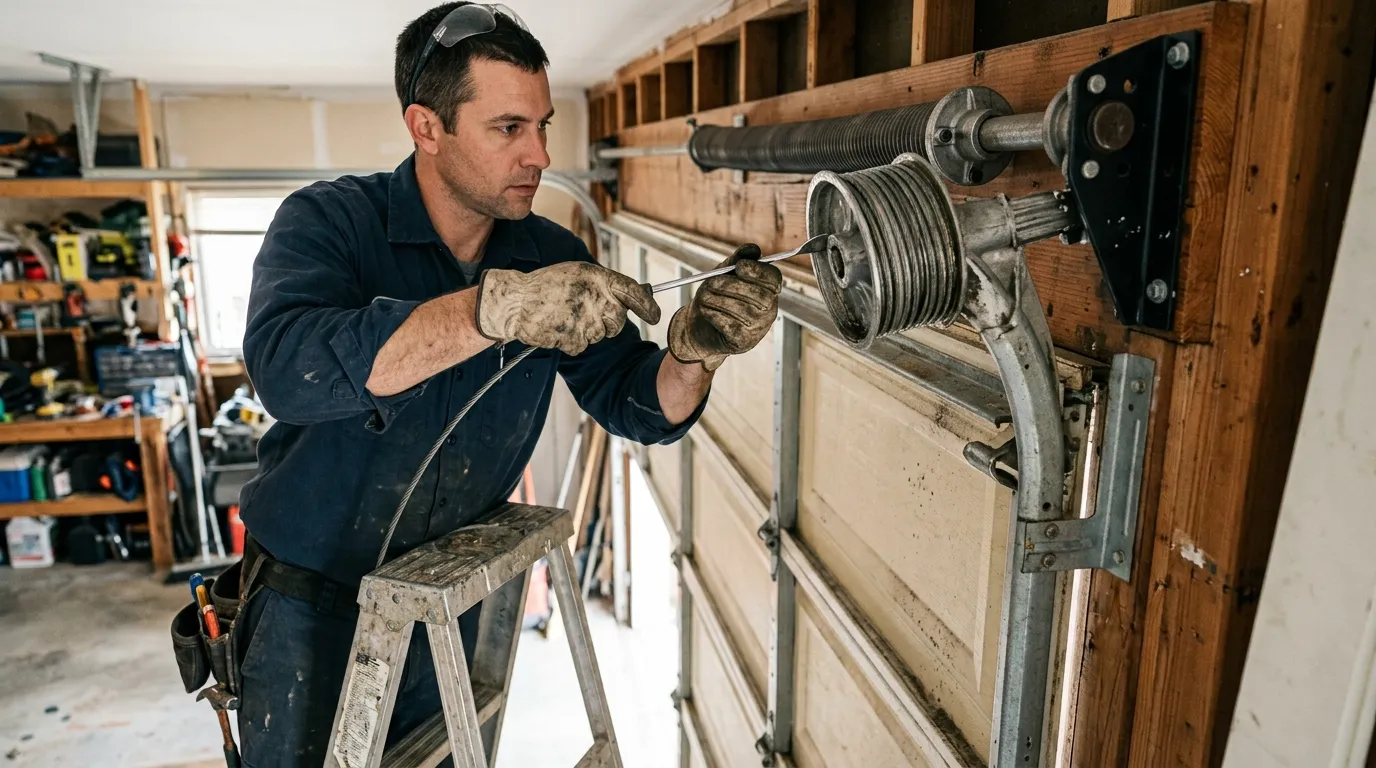
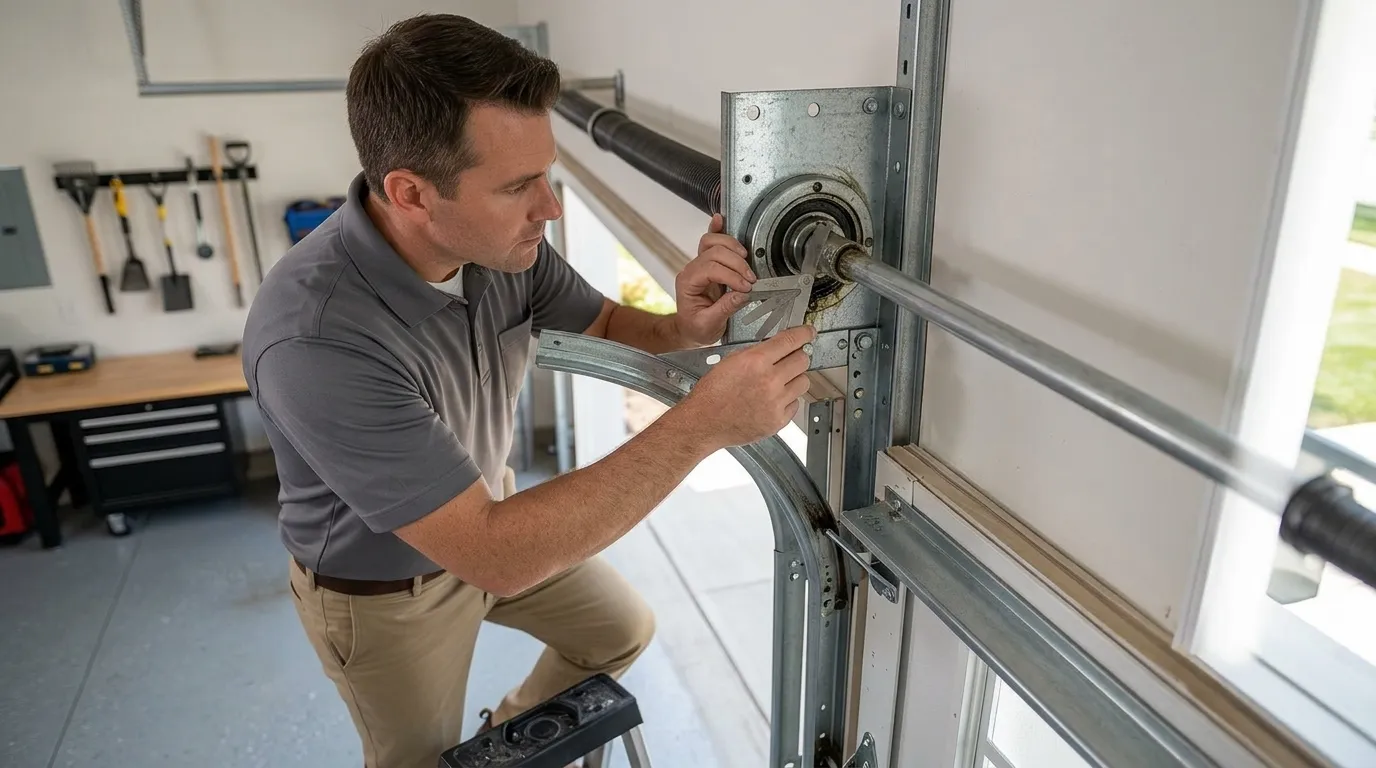
Where it stops being a DIY job is anywhere near the top rollers on a door under torsion spring tension, or any roller replacement that also means adjusting cable drums or track spacing. Cold weather makes this worse, not better: a spring under tension behaves differently at 10 degrees than at 60, and a steel roller that's rusted into its bracket can let go suddenly when you finally break it free. If the roller you're chasing is anywhere near the springs or the cables, that's the point to stop and call it in rather than find out the hard way.
Where This Job Goes Sideways
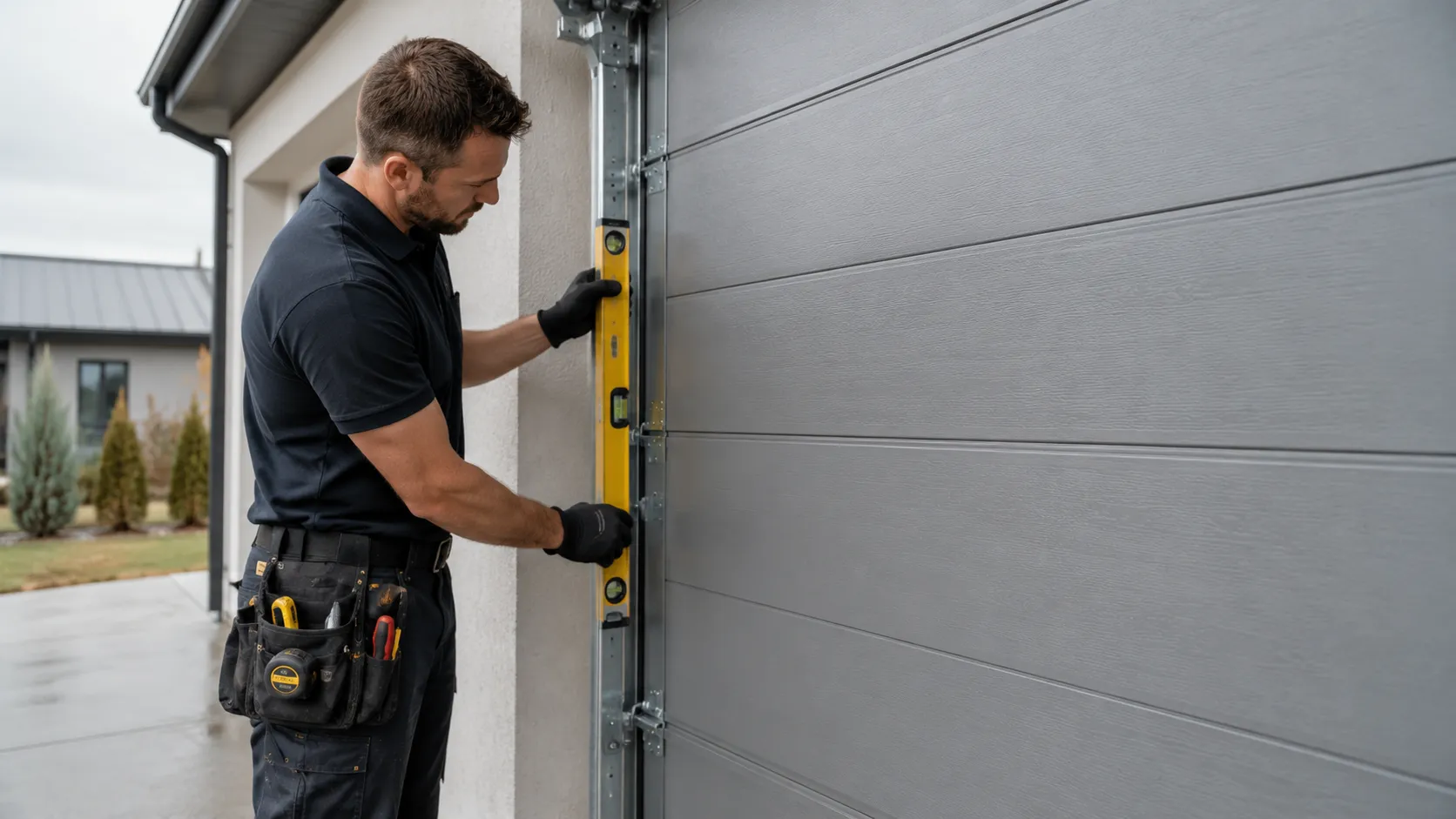
The honest limitation here: a roller swap doesn't fix a bent track, and it won't quiet a door where the real noise is a worn hinge pin or a loose top bracket. If those get missed, the door still sounds rough a month later and it looks like the rollers failed again when they didn't - the track or hinge did.
On a door built in the early 1990s, thirty-plus years of use means the roller is rarely the only worn part. Hinges loosen at the same rate the rollers wear, and on a household income level like Centerville's median $119,361, most owners choose to replace hinges and rollers together rather than come back out in six months for the hinge. That's not upselling - it's just cheaper over time than two separate visits. If the track itself is bent badly enough, replacing rollers on it is a short-term fix at best, and that's worth saying plainly before any money changes hands.