How Long It Takes
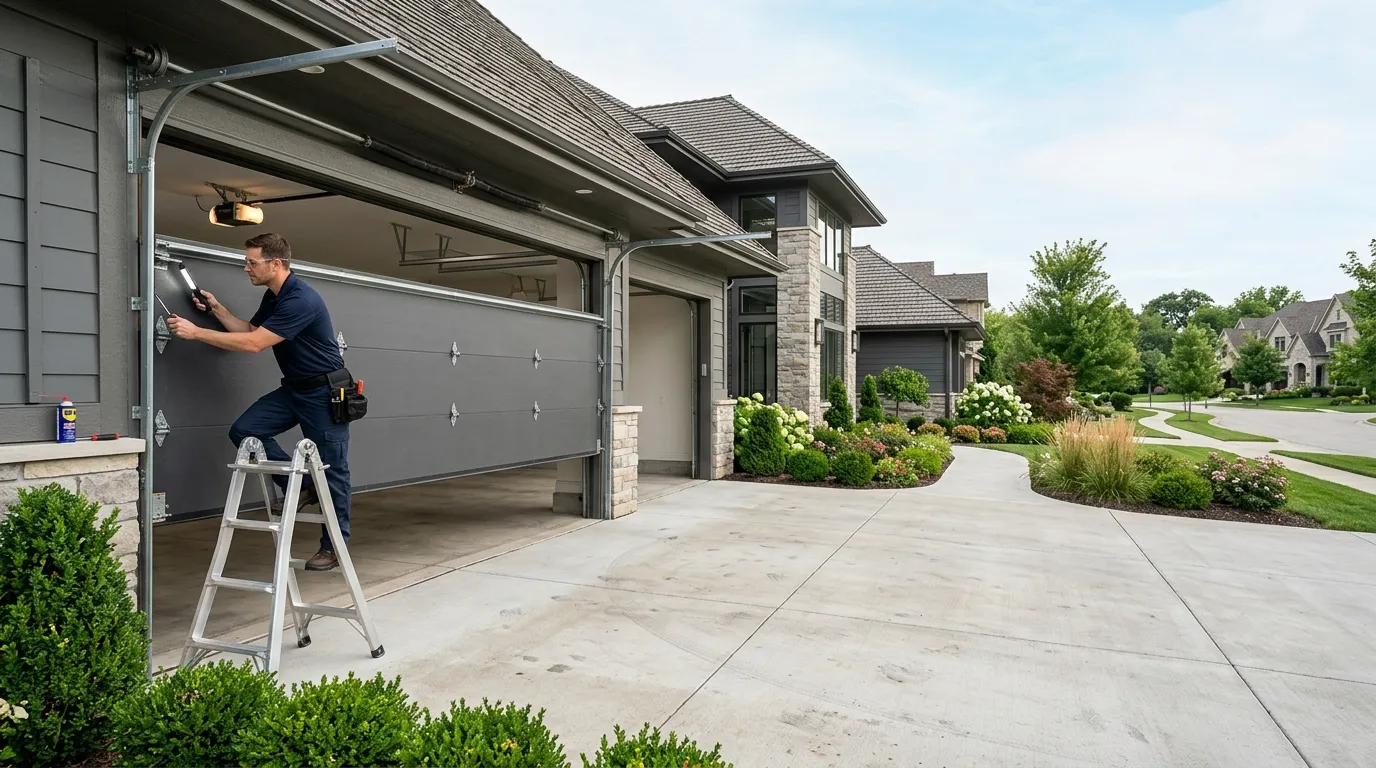
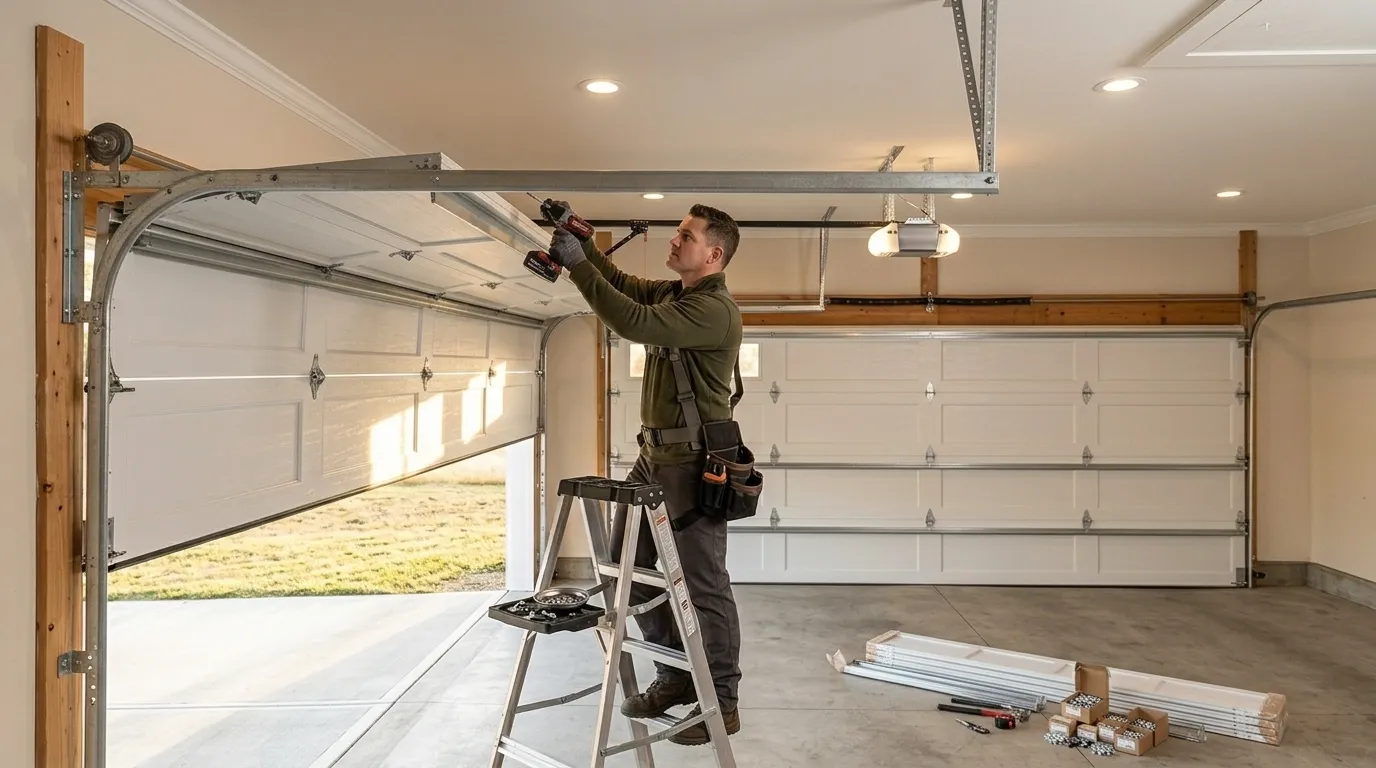
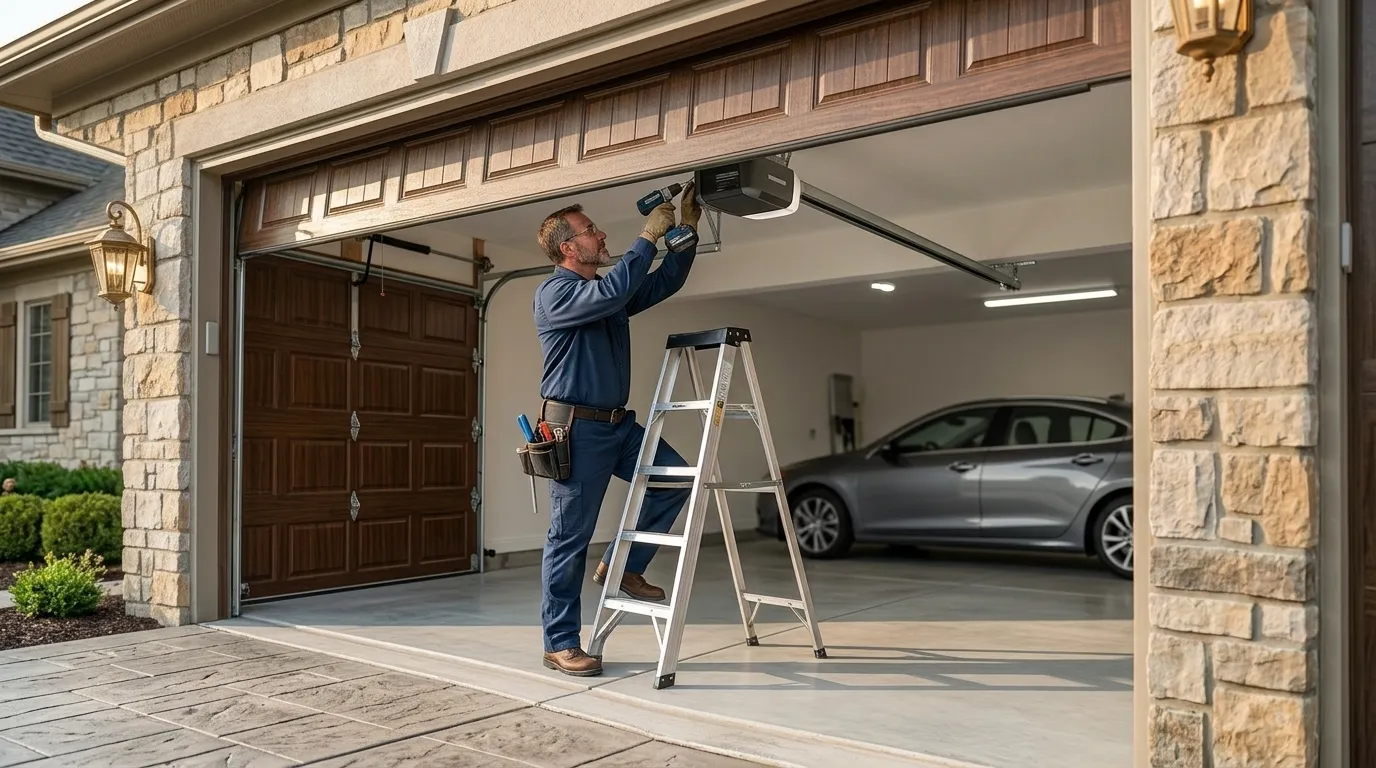
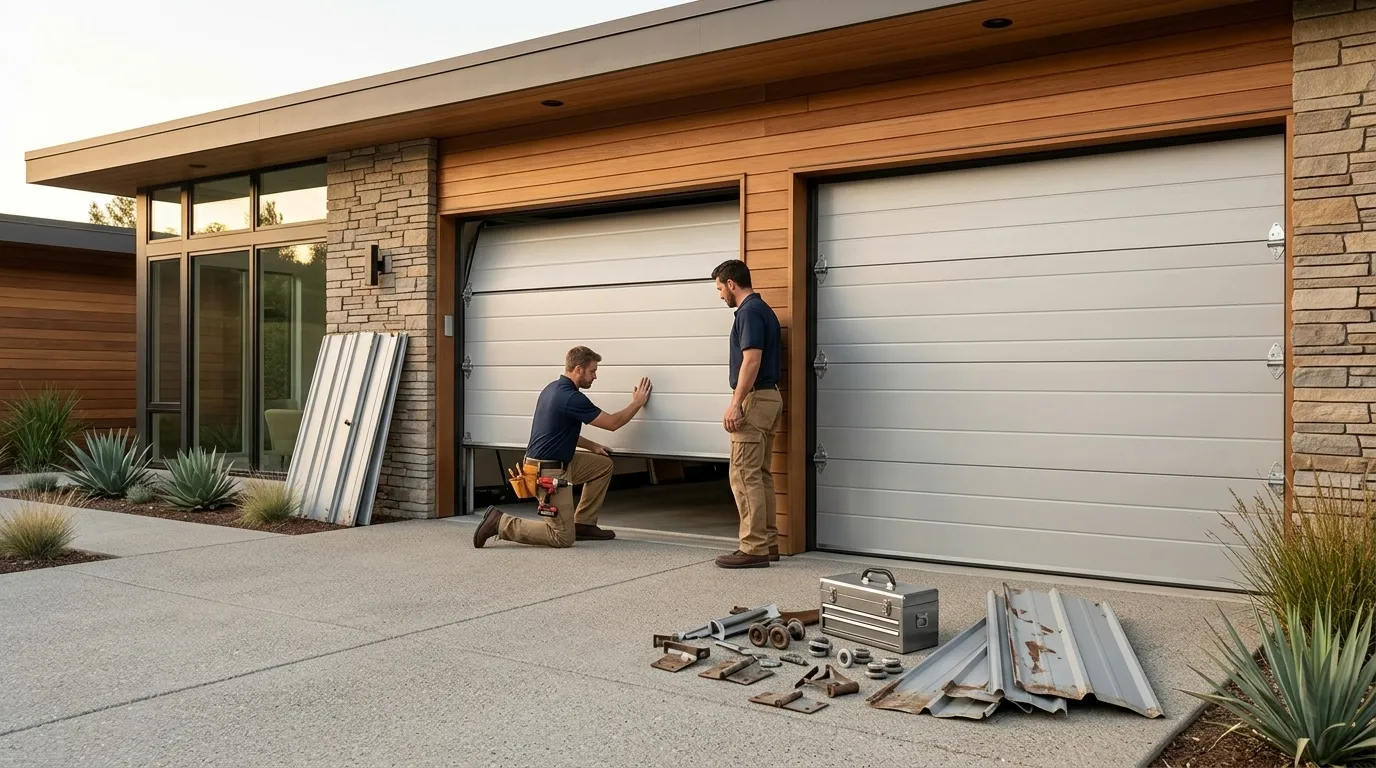
A full install, once the door and opener are on the truck, usually runs a single day from removal of the old unit to a working, balanced door. The variable is measuring and ordering ahead of that - non-standard openings, which show up more in the 1990s tract-built stock than in newer construction, sometimes need a panel cut to fit rather than an off-the-shelf size.
Centerville sits about 5 miles from Hugo, which is close by the standards of this service area - some of the towns on our route run 15 miles or more. That doesn't buy you a faster slot or a standing crew in town; it just means the drive isn't the bottleneck on a job here. What takes the time is getting the right door for a 1993-era frame, not getting a truck to your street.
The DIY Question
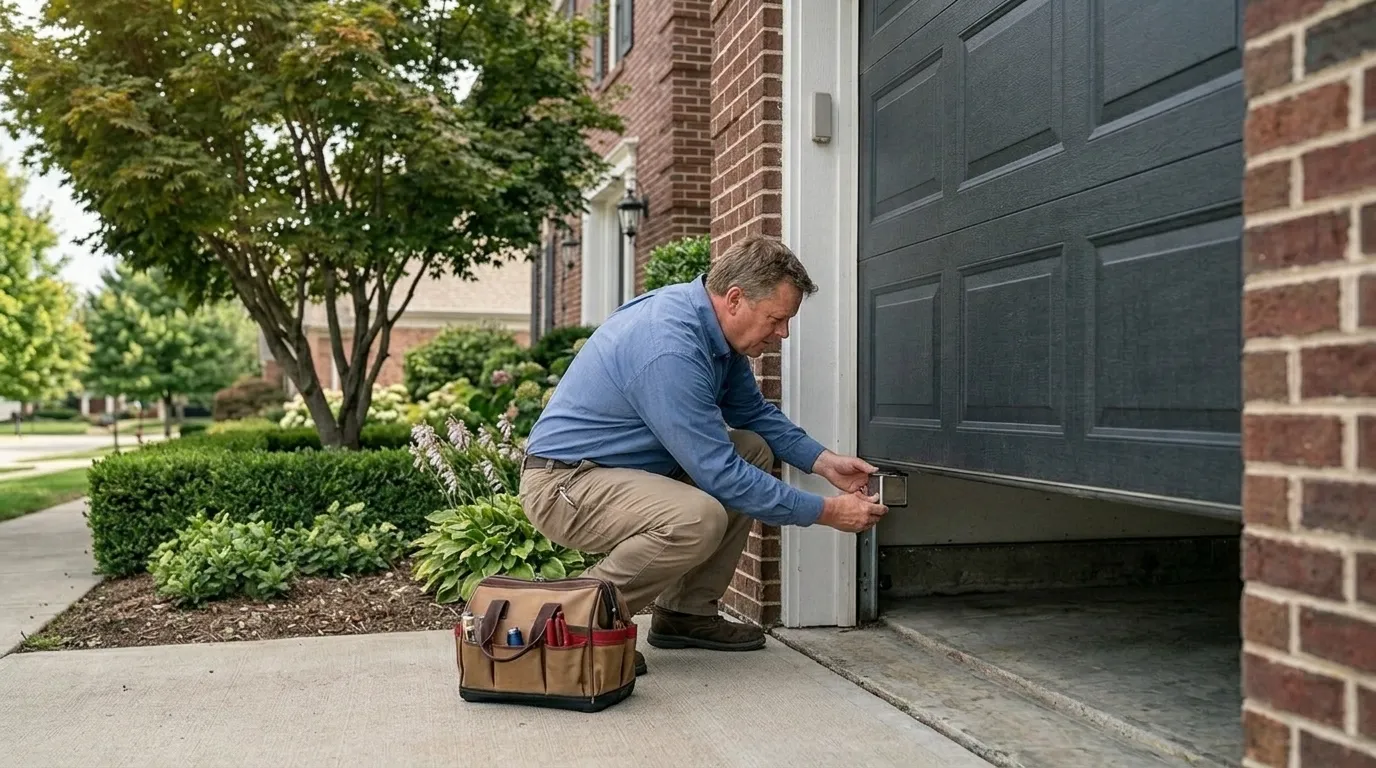
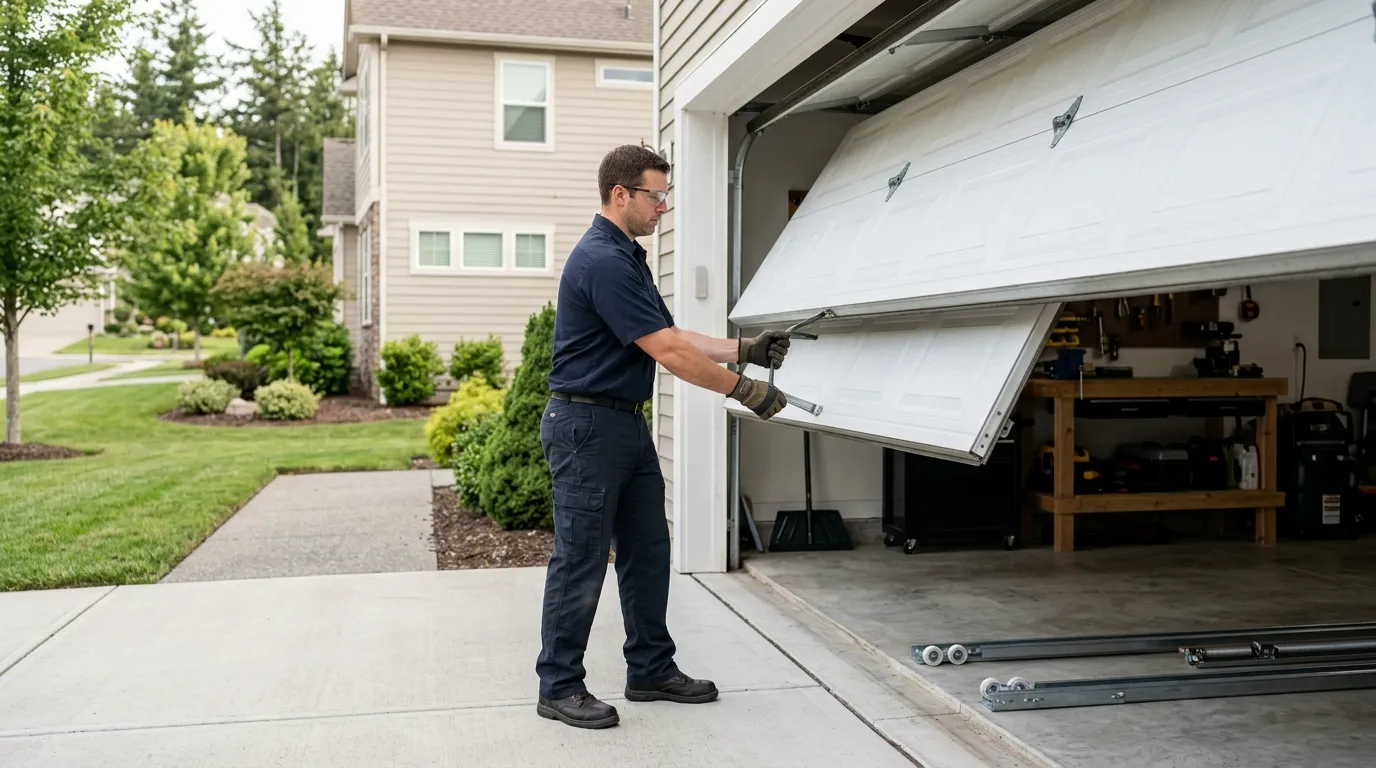
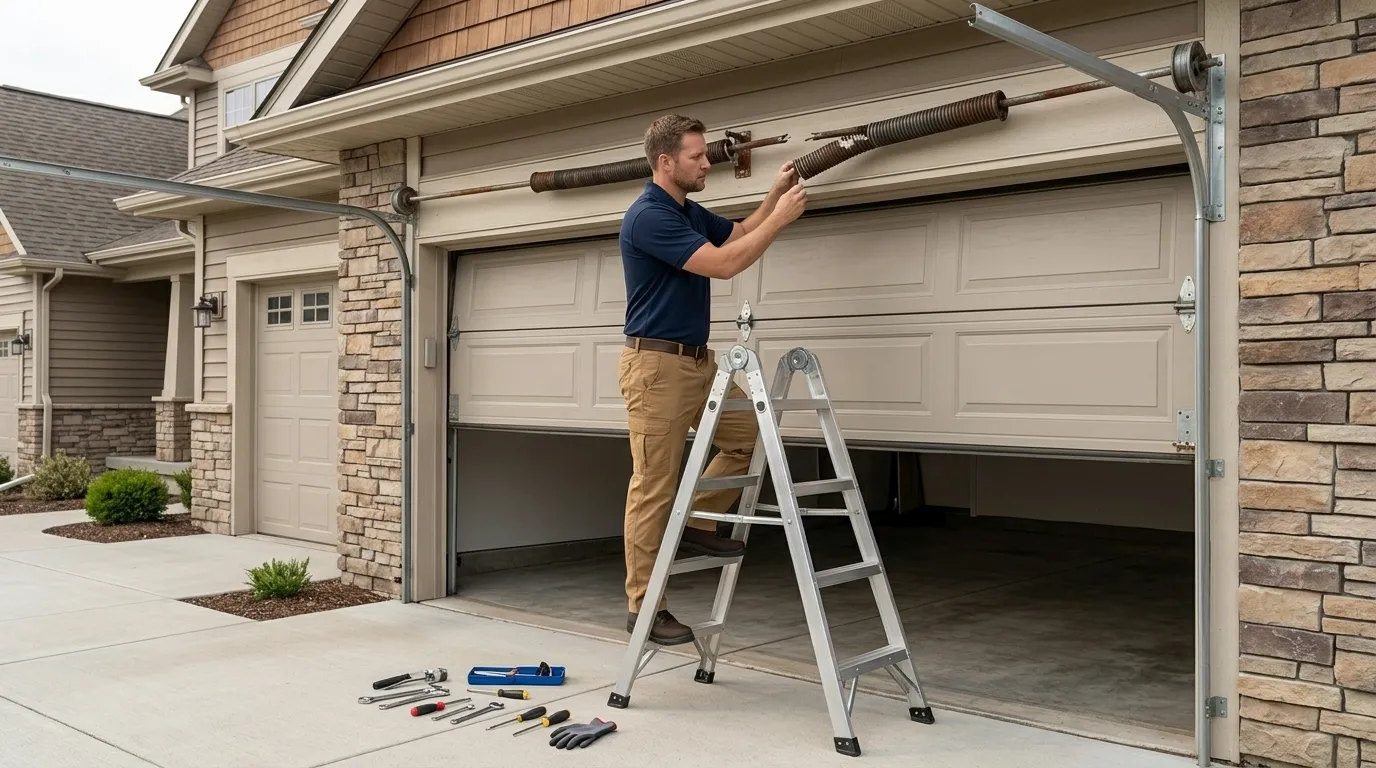
There's a real split between what's reasonable to do yourself and what isn't. Swapping weatherstripping, replacing rollers, or lubricating hinges on your existing door - fine, and worth doing before you call anyone. Replacing the door itself is a different job. A double door with two torsion springs under load, on track that has to be reset plumb and squared to a frame that's now three decades old, is not a safe first DIY project, and it's not one we'd talk you into trying.
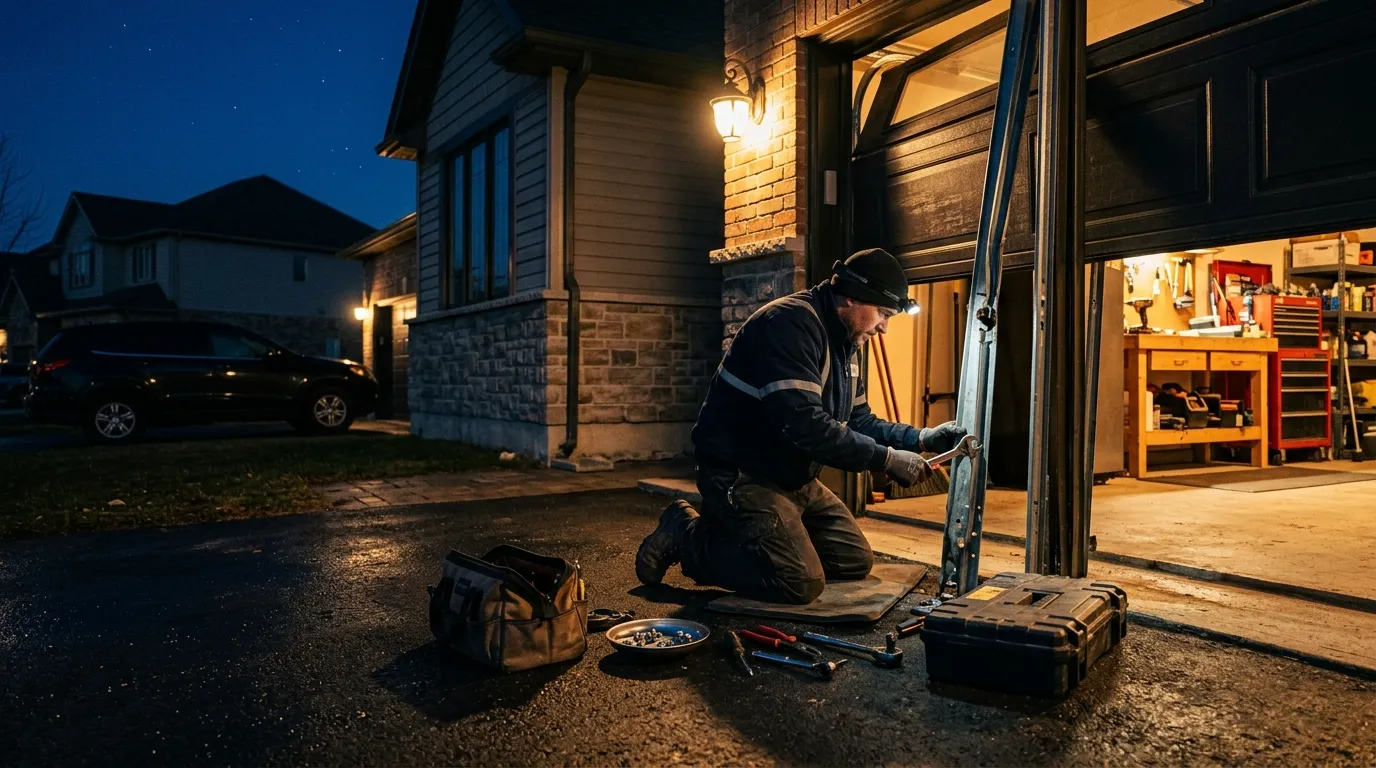
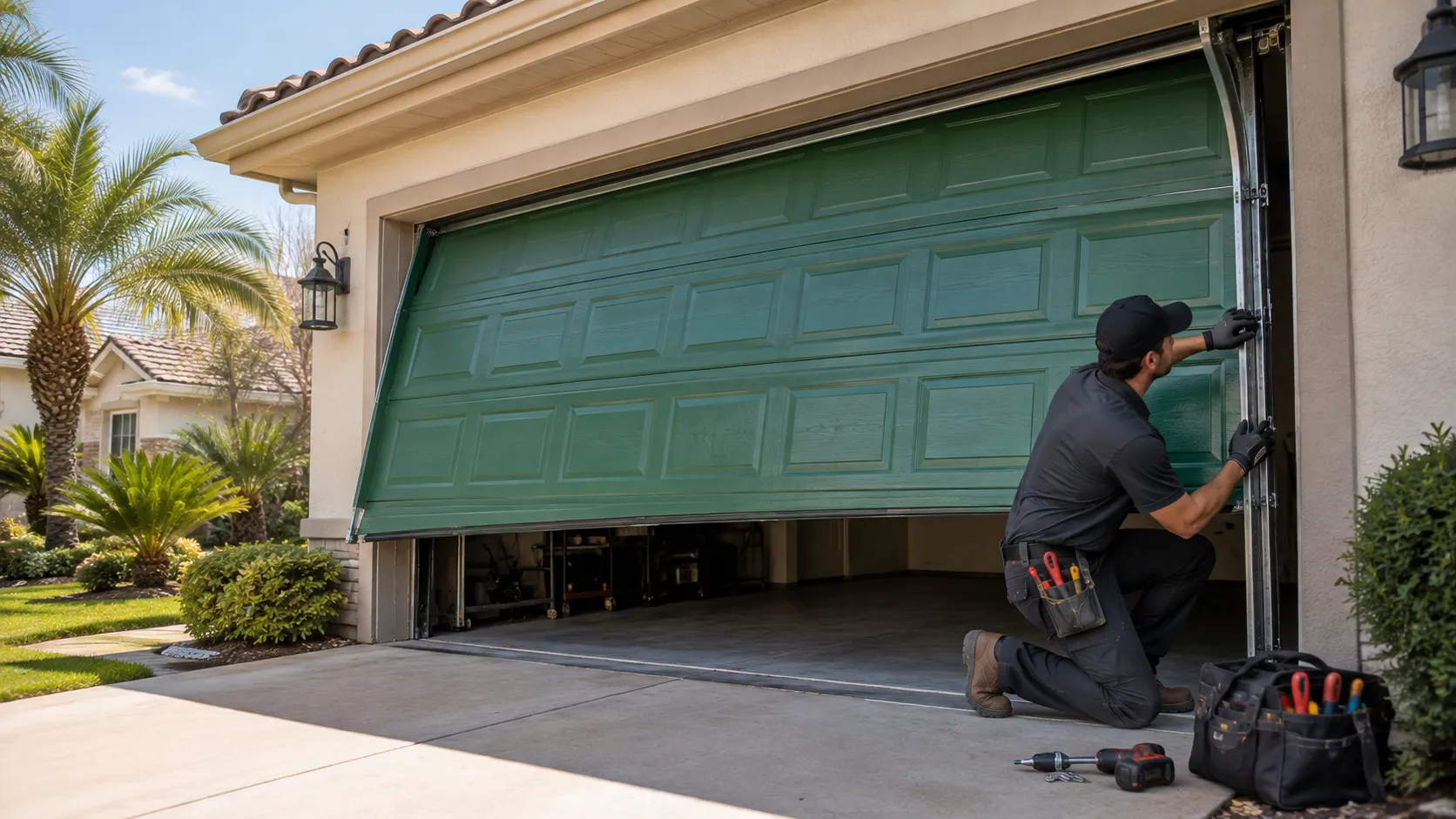
Here's the honest limit on our end too: if your opening is out of square or the jamb has settled - which happens on some of this era's stock - we may need a second visit once the door's actually hung to true things up. We won't know that until the old door's off the wall, and we'd rather tell you that up front than promise a same-day finish we can't guarantee.
Where This Job Goes Sideways
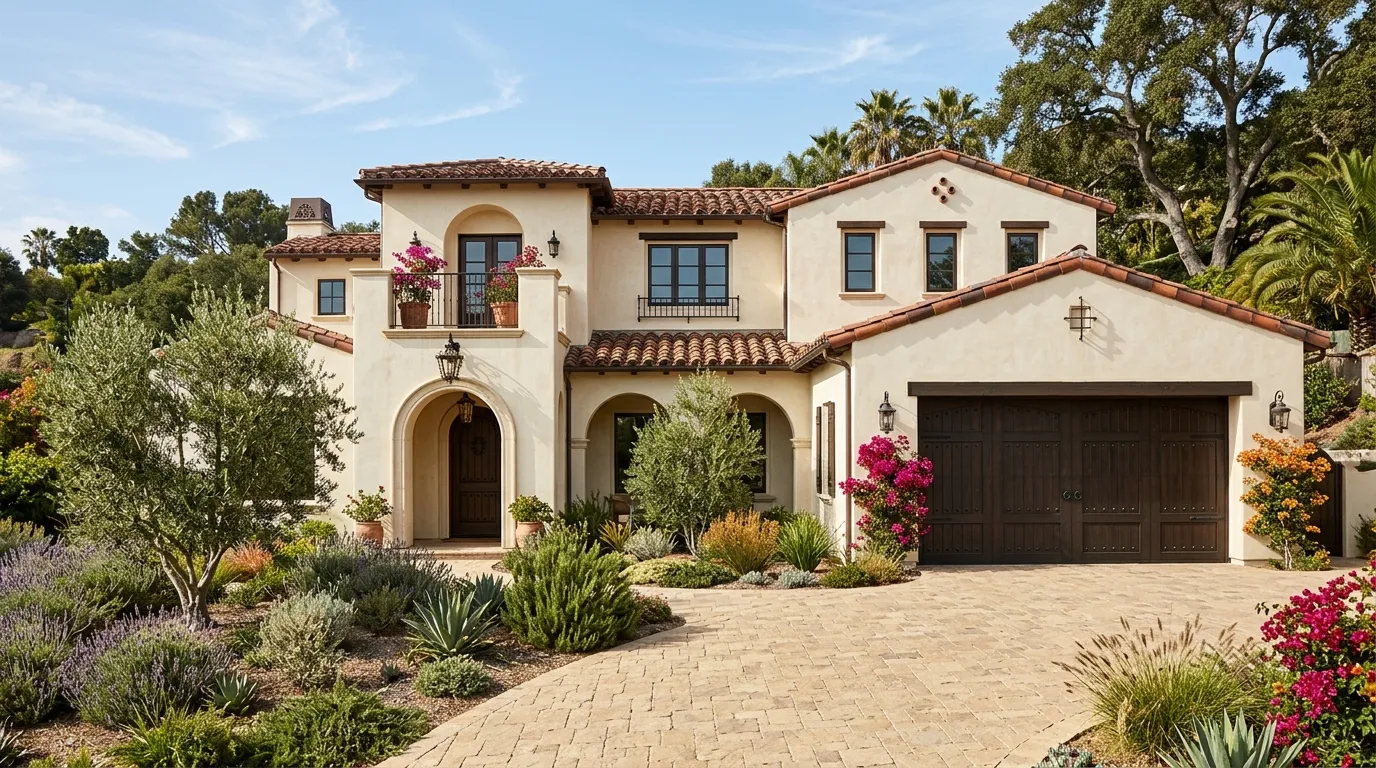
The most common surprise on a Centerville job is framing that doesn't match a modern door's specs. Builders in the early-to-mid 1990s used opening dimensions and header heights that were standard then but aren't always standard now, so a stock-size insulated door sometimes needs shimming, trimming, or a custom panel order - and a custom order adds lead time you can't shortcut.
The other place it goes sideways is decision paralysis on insulation tier. Centerville's median household income runs at $119,361, noticeably above the wider service area's $100,759, and that tends to show up as more households here asking about higher R-value doors and better weatherstripping rather than the base model. That's a fine instinct given the cold-climate rating this region carries, but it does mean pricing conversations here often start higher than a bare like-for-like swap, and it's worth deciding on tier before the old door comes off the wall, not during the install.