How Long It Takes
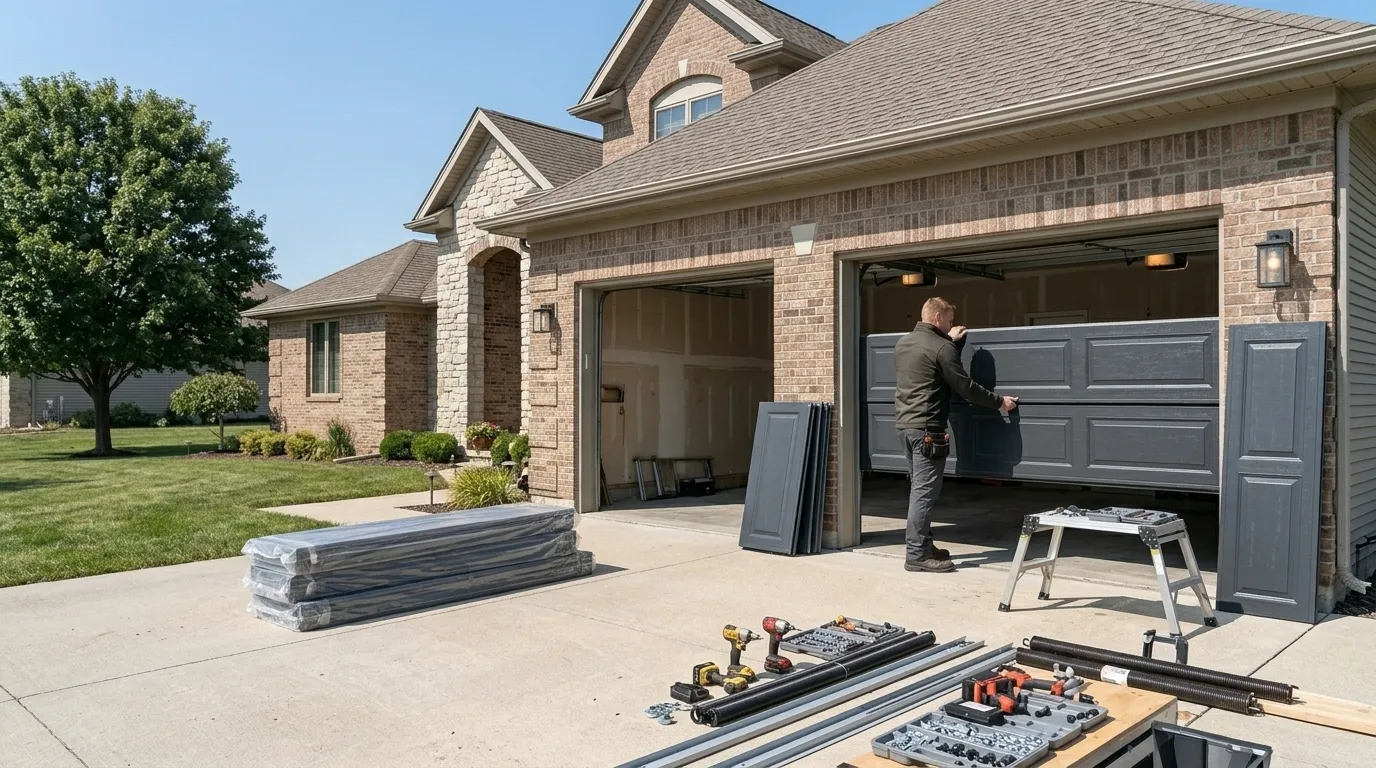
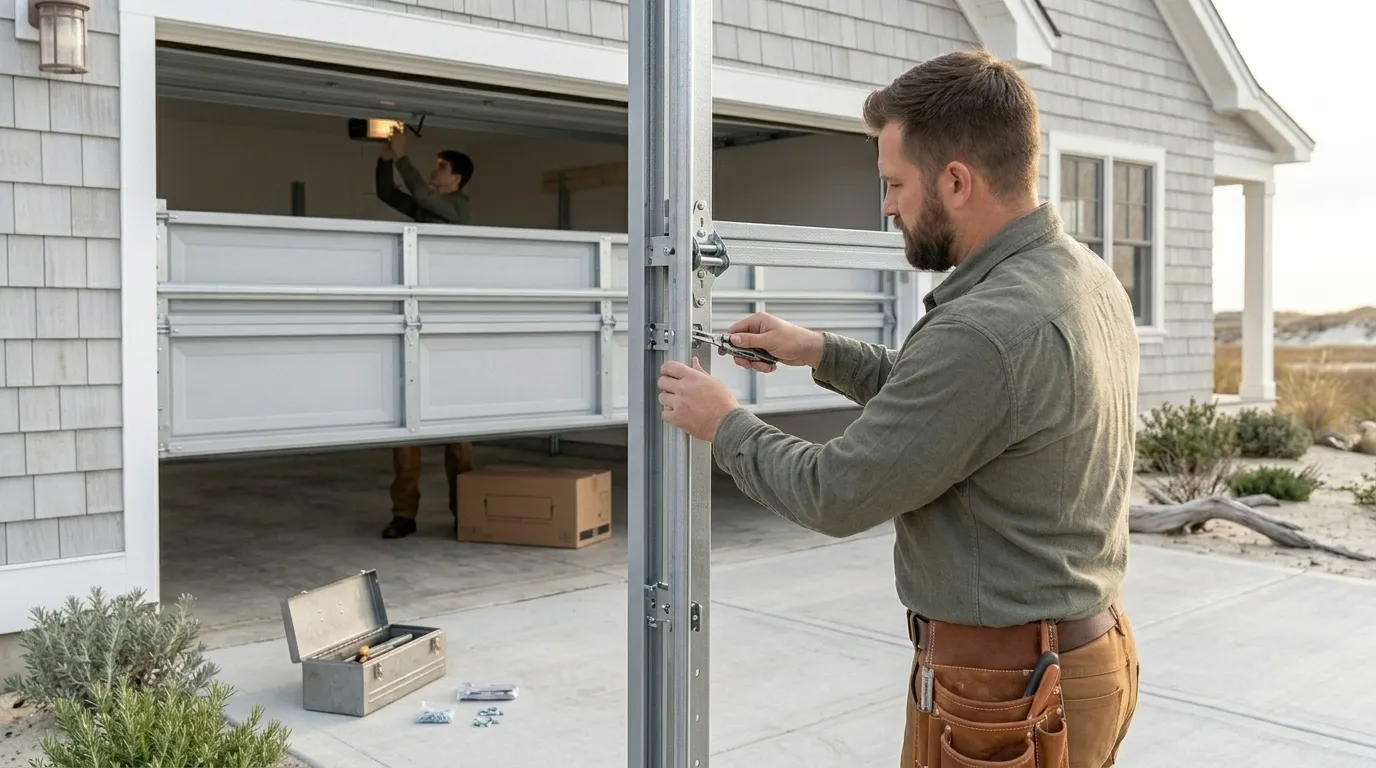
We come from Hugo, five miles out, so travel isn't the variable - the job itself is. A straightforward torsion spring swap on a standard double door is a same-visit job once we're on-site with the right spring size. Where it runs longer is when the opener has failed alongside the spring, or when a panel needs ordering because it's been dented and the section isn't something we carry on the truck. Centerville's housing stock being newer works in our favor here: parts for early-90s to 2000s door systems are generally easier to source than parts for older extension-spring setups, since more manufacturers still support that era's hardware. We won't quote you a response time here - that's a Hugo-page conversation, not a claim we're going to make town by town. What we can tell you is that once we're diagnosing the door in front of us, a 90s-era torsion system is usually one of the more predictable jobs we do, not one of the ones that turns into a half-day project.
The DIY Question
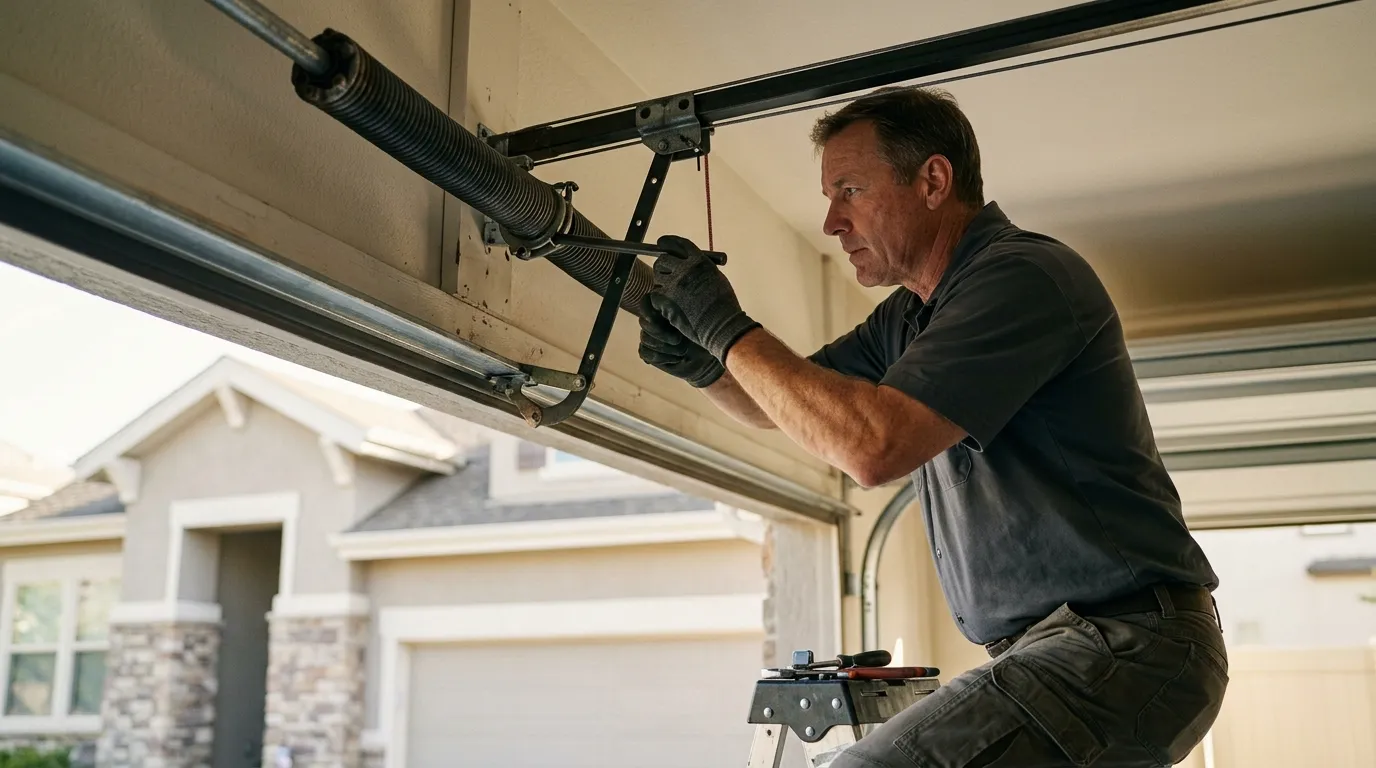
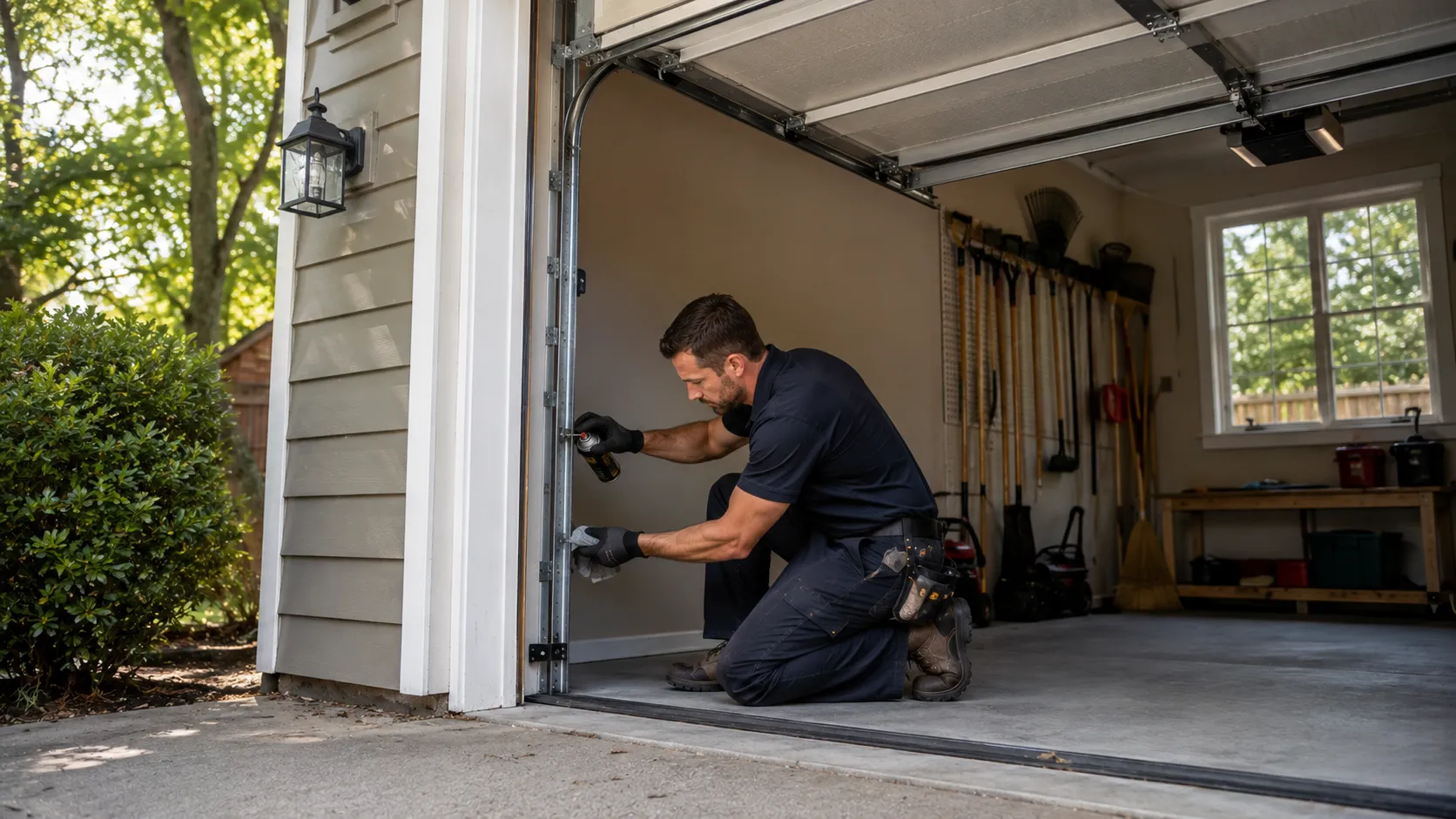
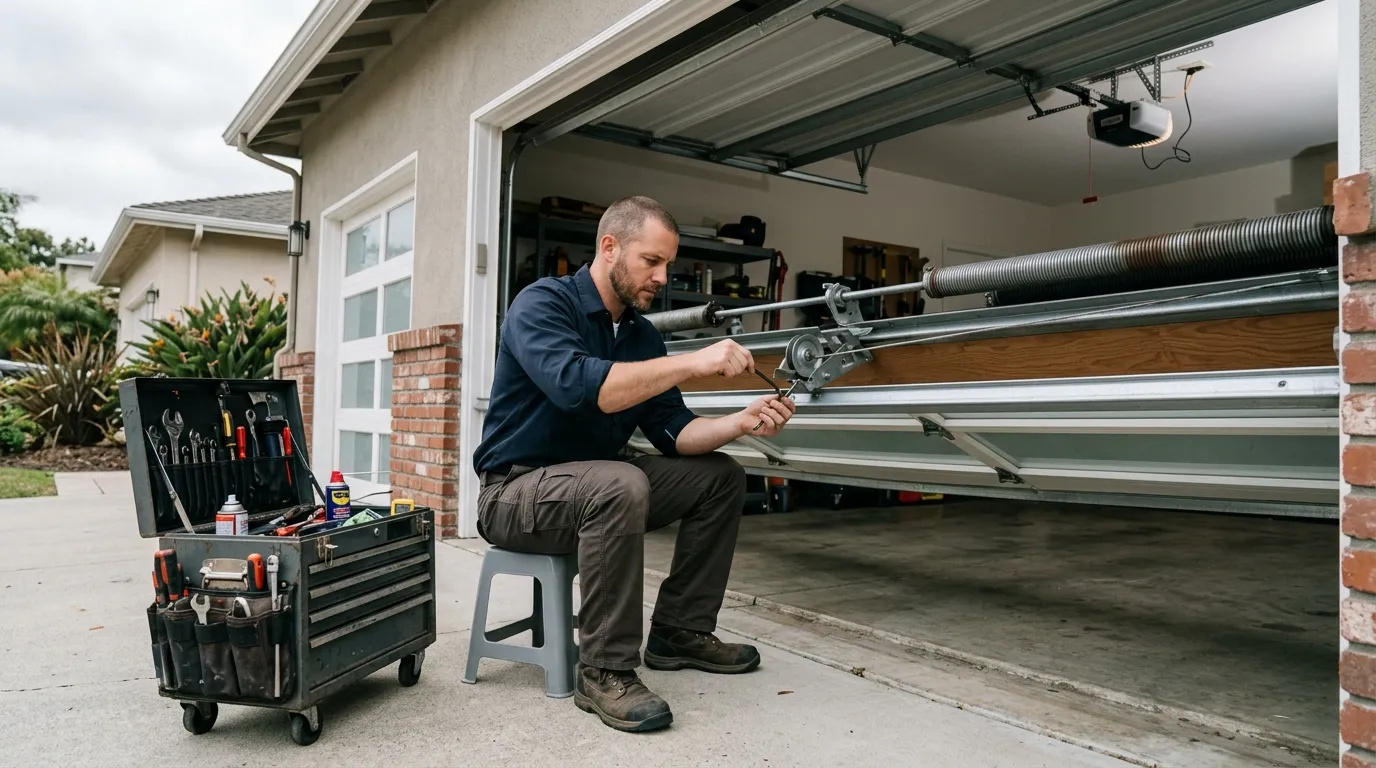
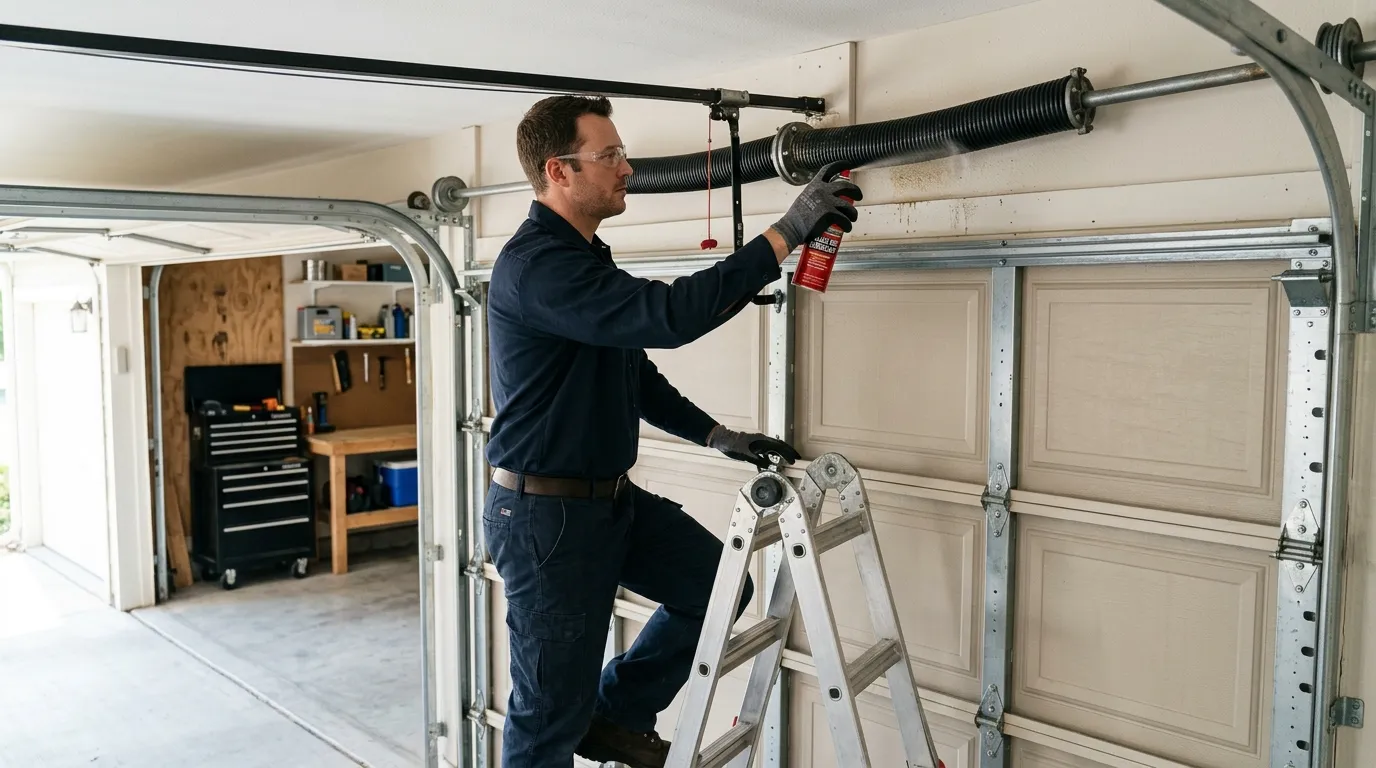
A torsion spring under load can put someone in the hospital, and that risk doesn't shrink because the door is newer. If your Centerville garage was built around 1993, the spring on it is likely a standard-diameter torsion spring rated for a lighter residential door - still enough stored energy to break a wrist or worse if the winding bars slip. Cold weather makes it worse: steel that's been through repeated freeze-thaw cycles in a severe cold climate band gets brittle at the coil, and a spring that looks fine can let go without warning during a wind. What's reasonable to do yourself: lubricating rollers and hinges, checking that the photo-eye sensors are aligned and clean, tightening loose bolts on the track brackets. What's not reasonable: touching the spring, the cable, or anything under tension. That line doesn't move because the house is newer or the income in the neighborhood is higher. The physics of a wound spring is the same everywhere.
Where This Job Goes Sideways
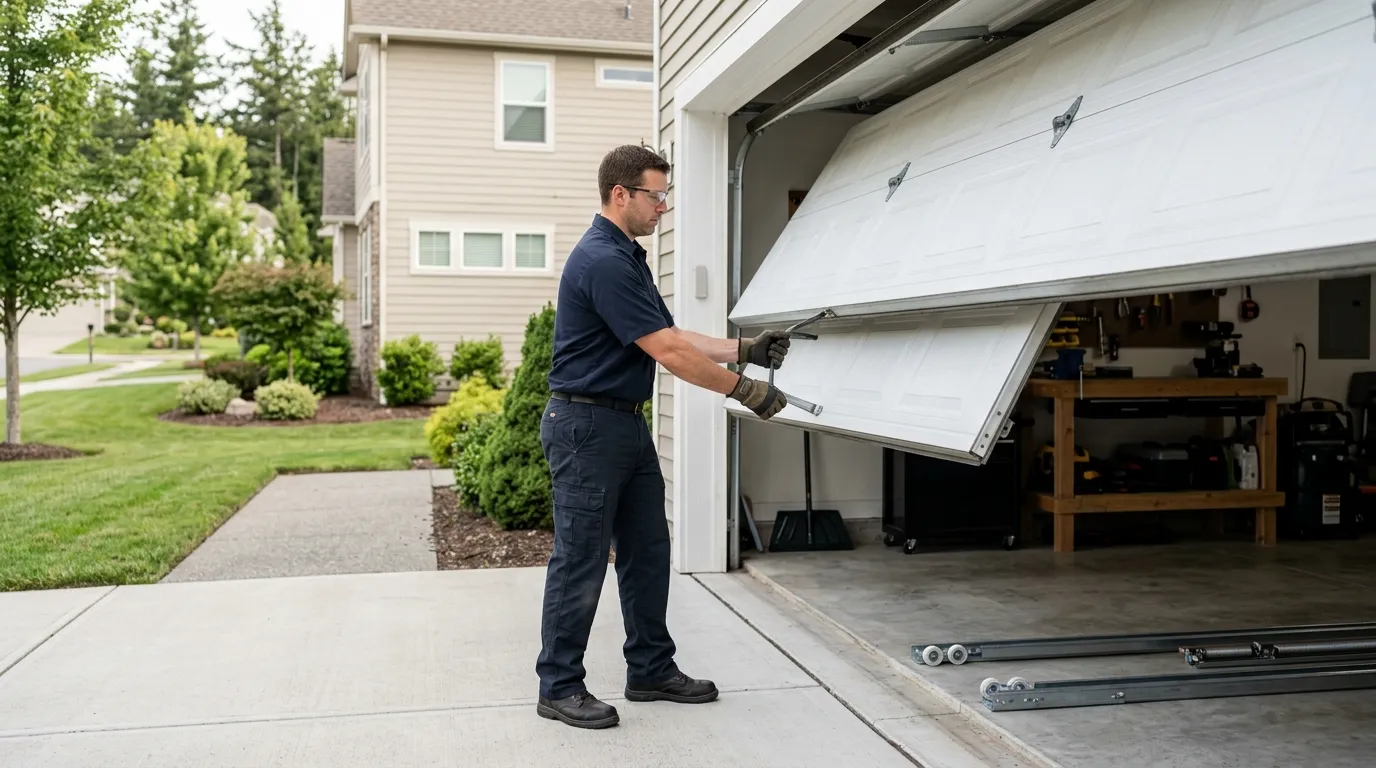
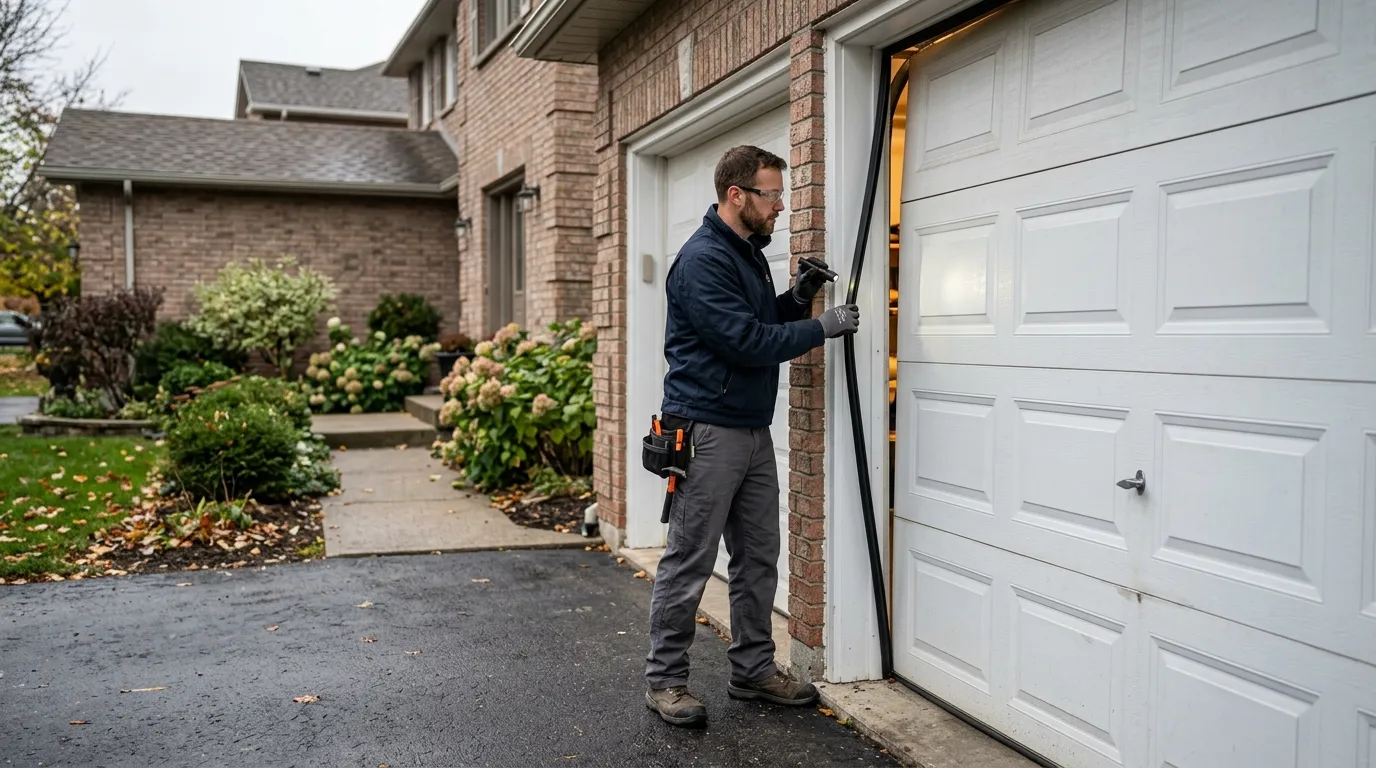
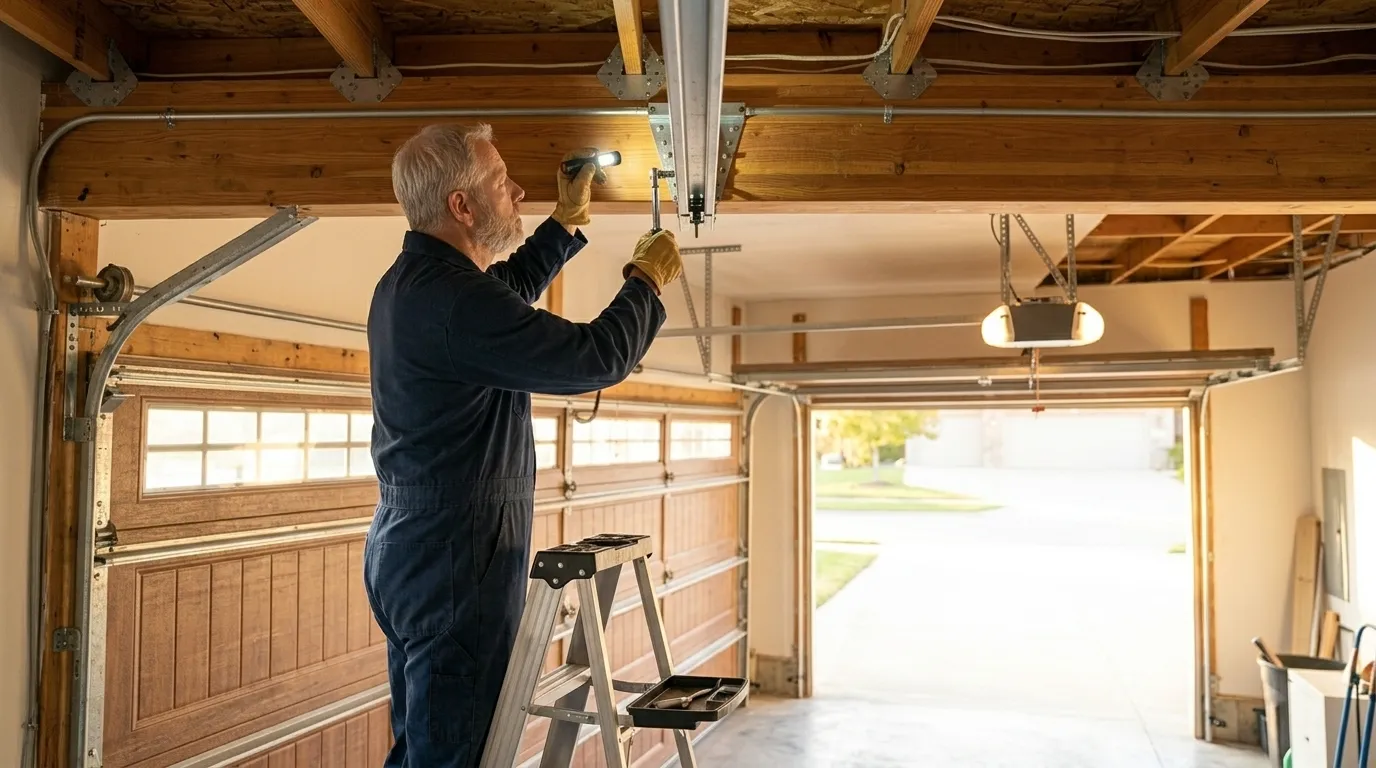
The most common surprise on a Centerville call is a mismatch between the spring and an opener that's been replaced at some point without matching the new opener's pull strength to the original spring size. That's an easy thing for a homeowner to miss, and it shows up as an opener straining, reversing, or burning out early. The other place things go sideways: a panel or track replacement that needs a part specific to a builder or manufacturer common in early-90s construction that isn't something we stock on the truck. We'll be honest about that lead time rather than promise a same-day fix we can't back up. And if a door has taken enough damage - a bent track from a car backing into it, multiple cracked panels - sometimes replacement is the better call than another round of patch repairs, even on a door that's only 30 years old. We'll tell you when that's the math, not just sell you the repair because it's the easier sale.