What the Fix Involves
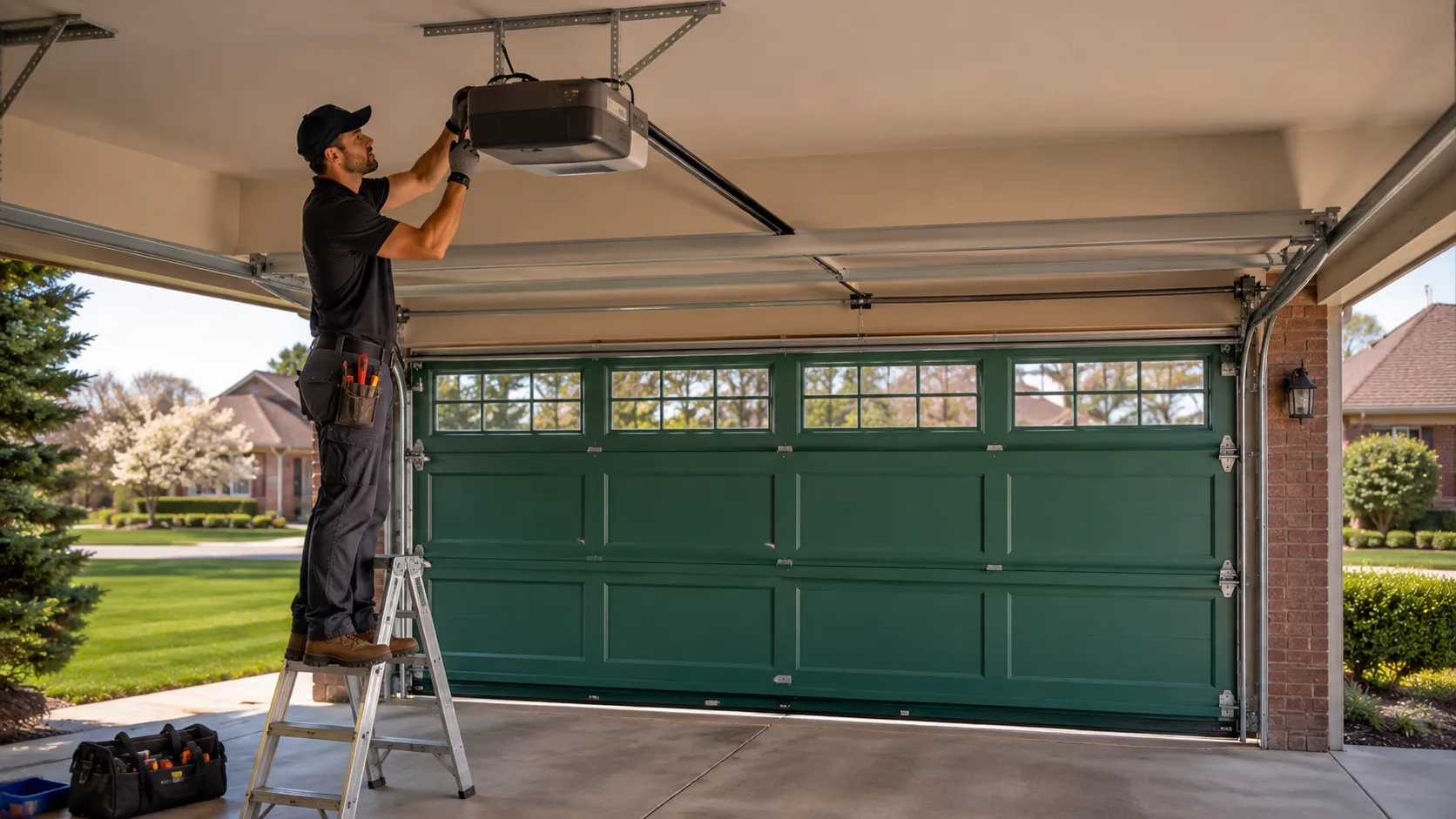
On a 1993-era door, the opener is usually a chain-drive unit original or close to original to the house, and by now the gears inside are worn plastic, not the newer nylon-composite blends. When a homeowner calls about a door that hums but doesn't lift, that's almost always where we start - not the springs.
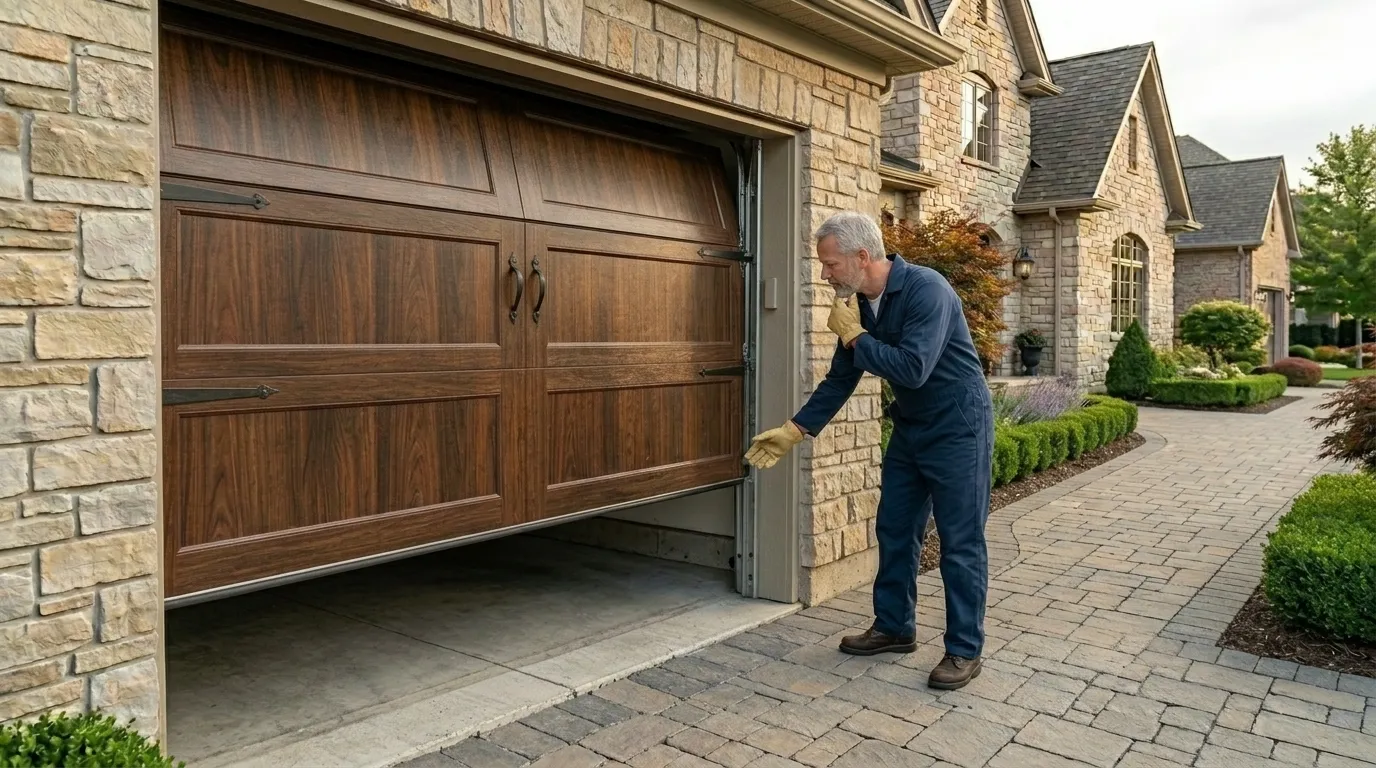
Springs on this vintage of door are usually standard torsion, sized for the door weight at install. After close to thirty years of cycling, they've lost tension gradually, which shows up as a door that feels heavier by the month rather than snapping all at once. We test lift balance before we touch anything, because swapping a spring on a door that's actually out of track alignment just moves the problem.
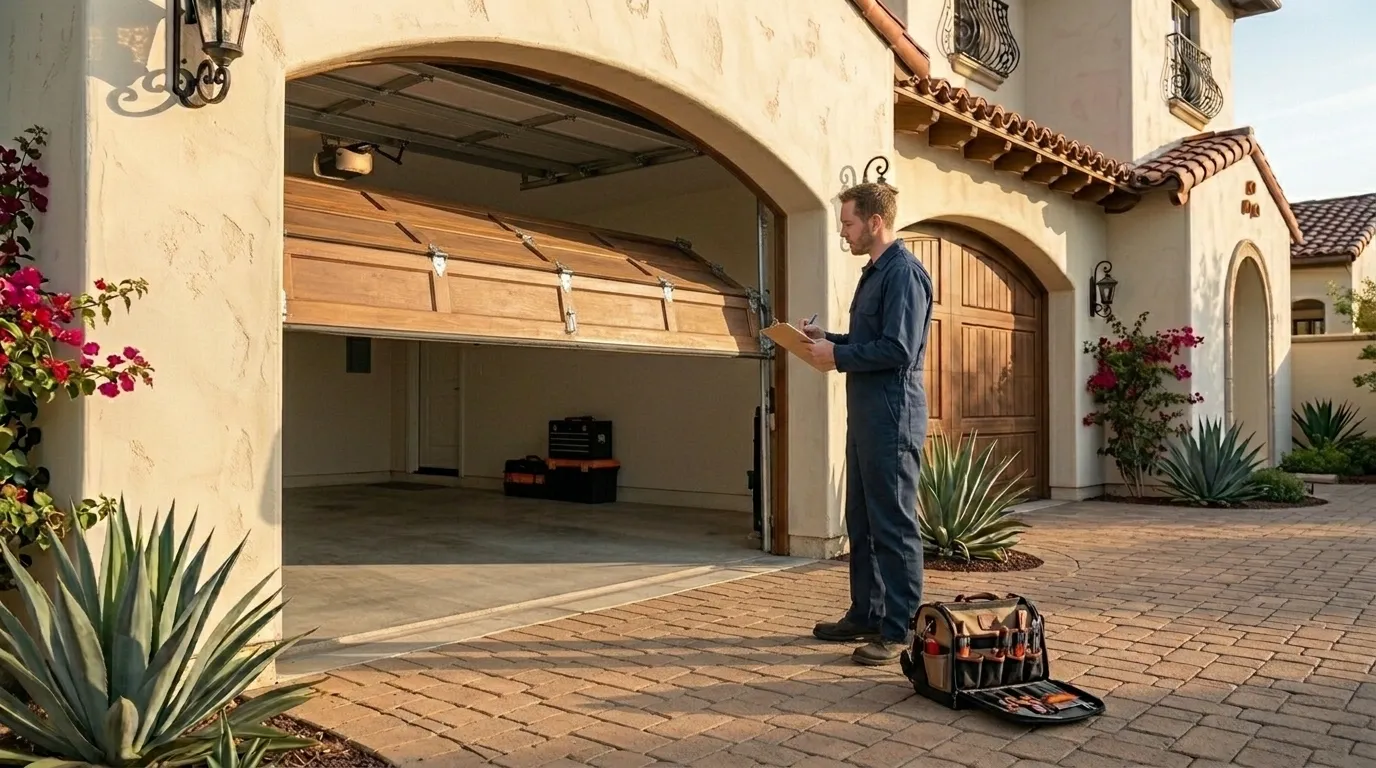
The honest limitation: if the door itself is original steel from that era and the panels are rusting through at the bottom, we'll tell you straight that a spring or opener fix is throwing money at a door that's near the end of its run. Replacement gets discussed when the repair cost starts competing with a new door, not before.
What Is on the Truck
Because Wyoming sits at the edge of the drive from Hugo, the truck is stocked for the calls we actually get out that way - standard torsion springs sized for single and double steel sectional doors, the sizes that match 1990s builder-grade installs, plus chain-drive opener gear kits and drive gears for that same generation of unit.
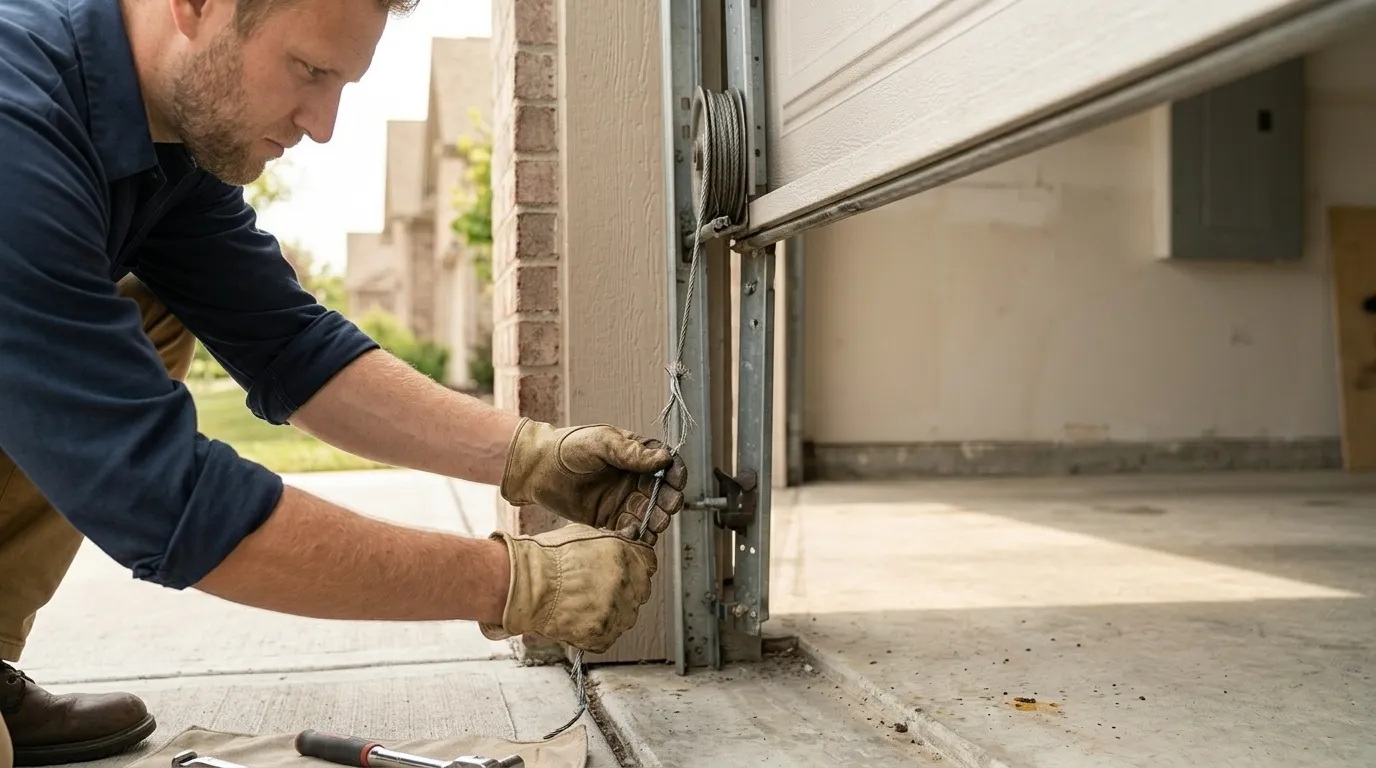
We carry rollers and cable in common lengths too, since a fraying lift cable is a frequent companion call to a spring job on a door this age. What we don't carry as standard stock is anything for a custom wood door or an unusual imported opener - those parts have a lead time regardless of which town the door sits in, and we'll say so on the phone rather than promise a same-visit fix we can't deliver.