
What Causes It Around Here
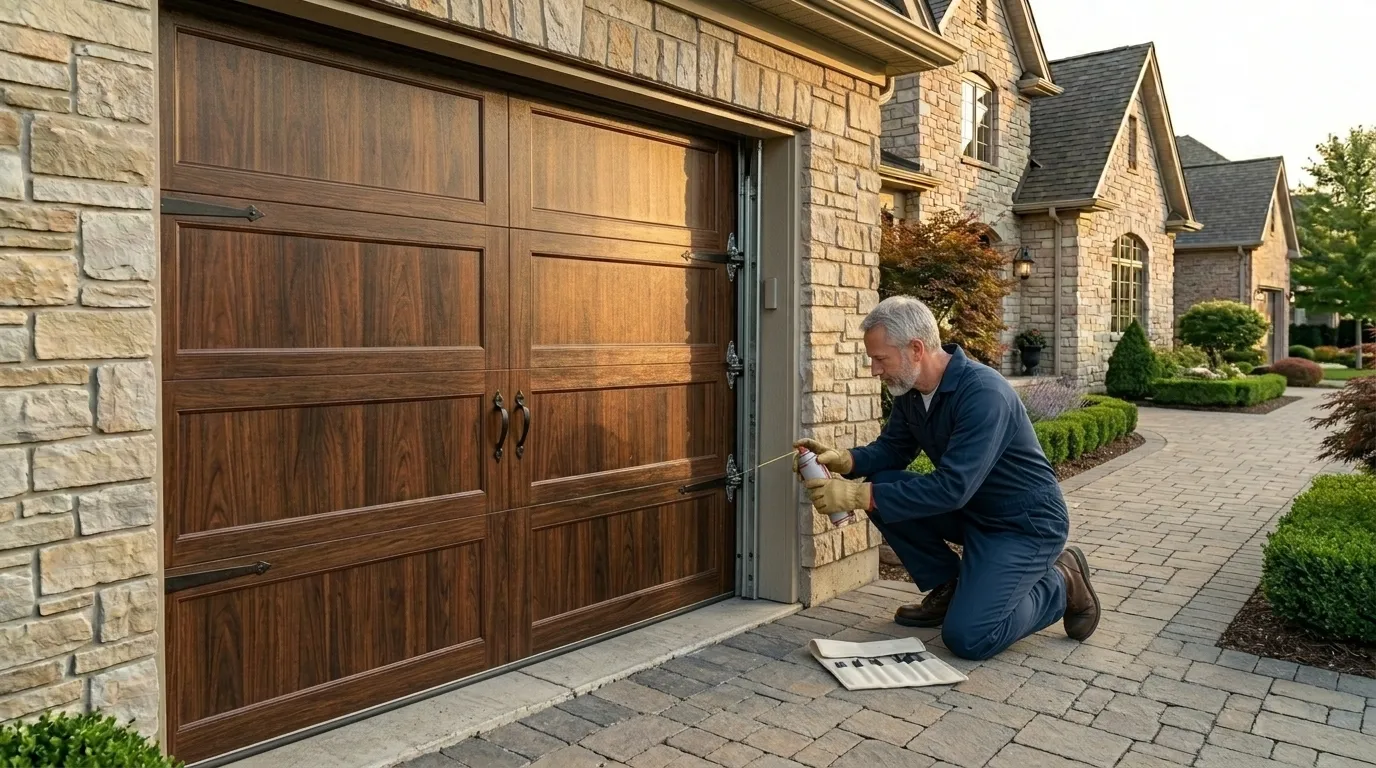
The building stock in Vadnais Heights sits squarely in that 1980s-90s wave that covers most of this side of the service area. Doors from that era are almost always steel sectional panels on torsion springs mounted above the opening, which is sturdier than the older extension-spring setups but not immune to the cold. This is a severe cold climate, and steel expands and contracts through a wide range every winter. Original hardware from the 1980s wasn't built with today's cold-rated lubricants or weatherstripping, so tracks stiffen, rollers seize, and cables get brittle faster than the springs themselves wear out. We see a lot of doors here where the spring is fine but the roller bearings have gone dry and the door is fighting itself on every open cycle. That's a cheaper fix than a spring, but it gets ignored until it strains the opener motor too. The other pattern is doors that were never resized or reinforced when a heavier insulated replacement panel went in - the original torsion spring is still rated for the lighter door it used to lift.
How Long It Takes
Most spring and hardware jobs on a door this age run within a single visit once we're on site - the parts involved are standard sizes that were common through the 1980s and 90s build era, so we're not usually waiting on something obscure. Where it takes longer is when a door has been patched more than once already, which happens on older stock: a spring swapped in one decade, a cable replaced in another, none of it matched. Sorting mismatched hardware before doing the real repair adds time. We're coming from Hugo, about 9 miles out, so factor that into when we can get there, but once the truck's in the driveway the work itself is usually straightforward on original-era doors like these.
What the Fix Involves
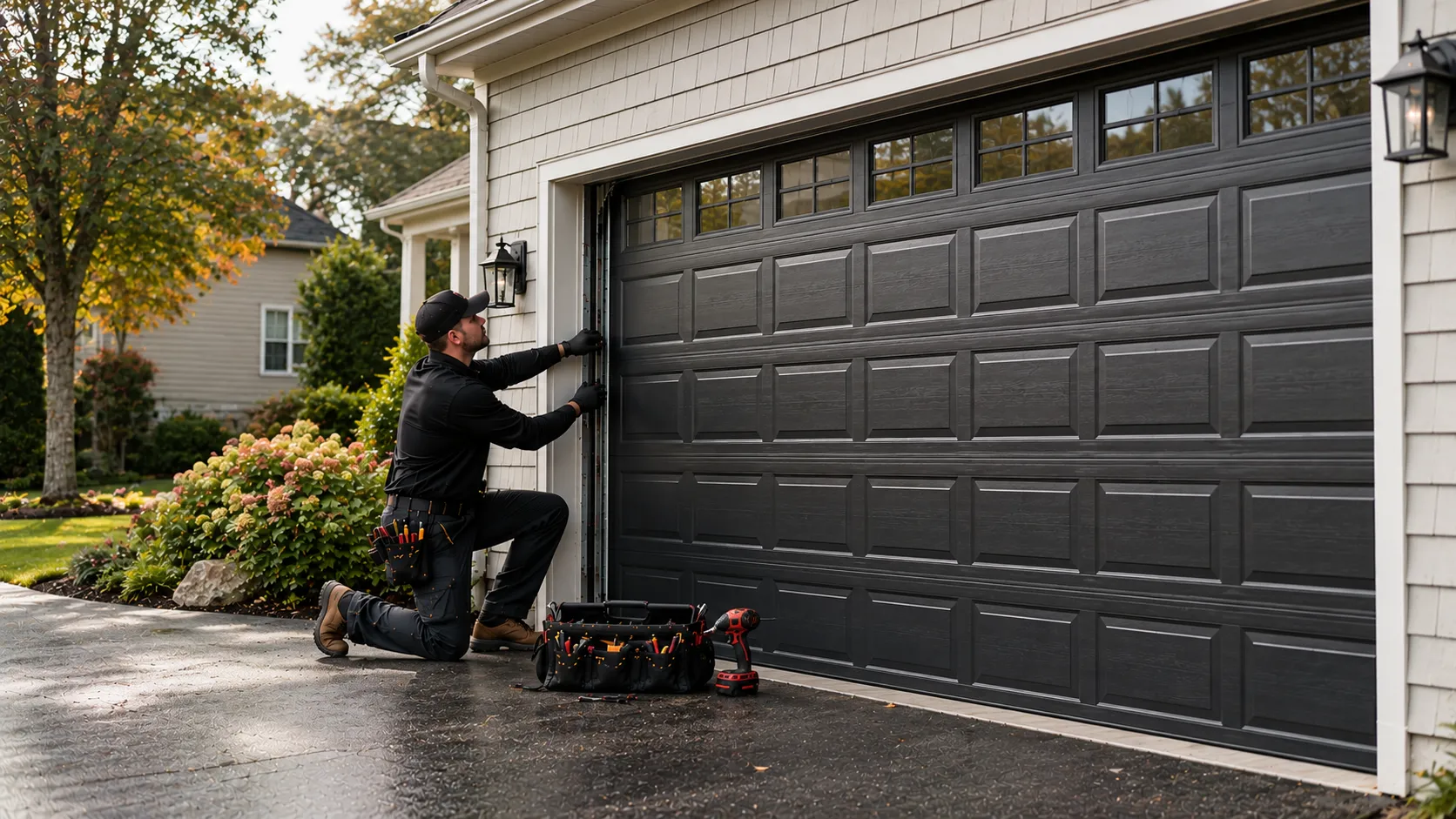
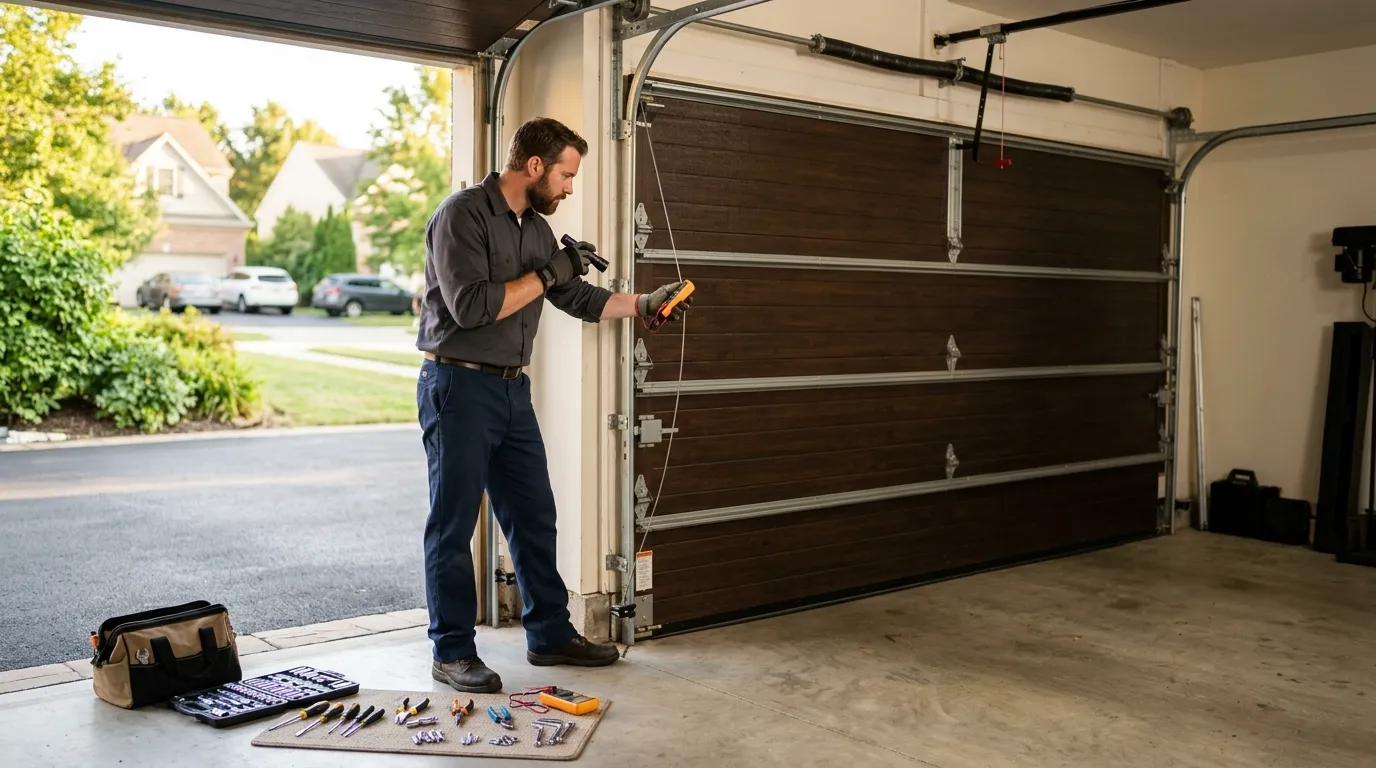
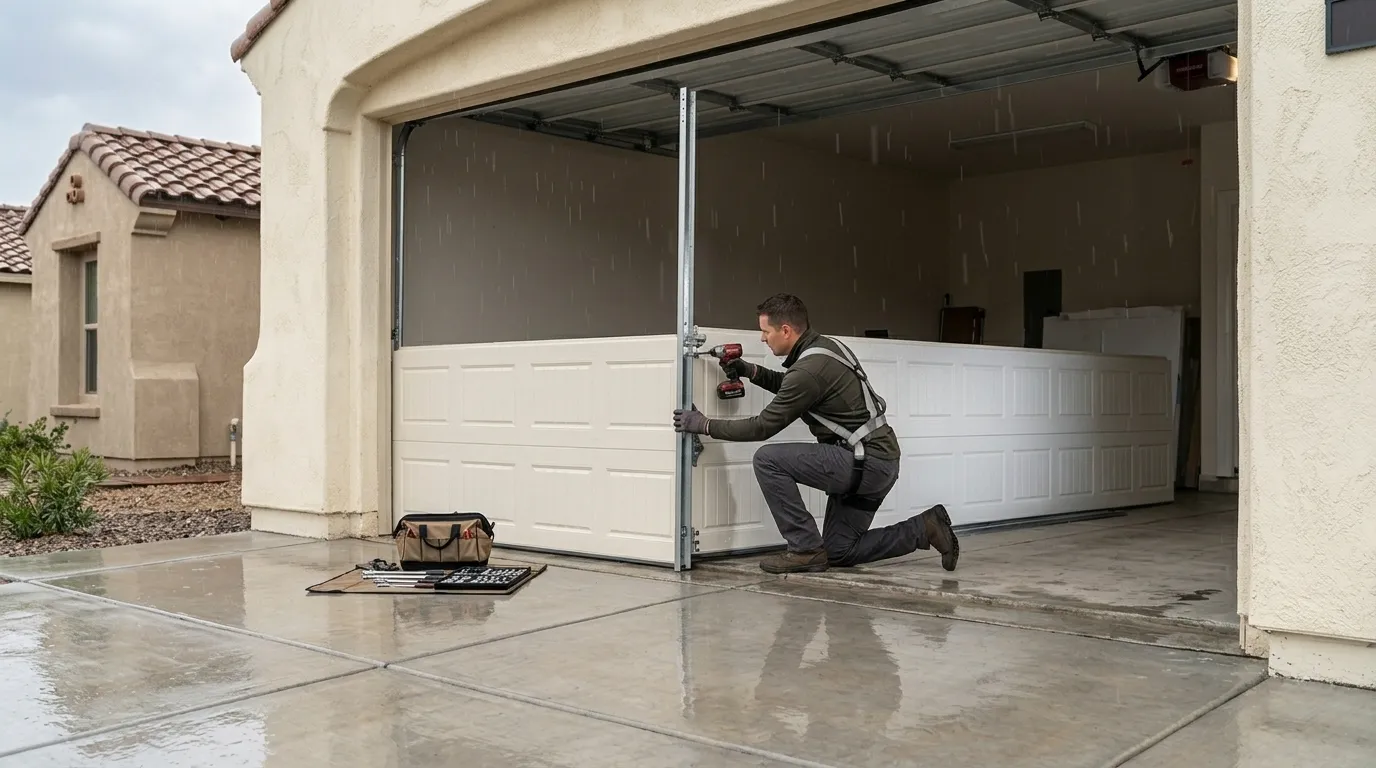
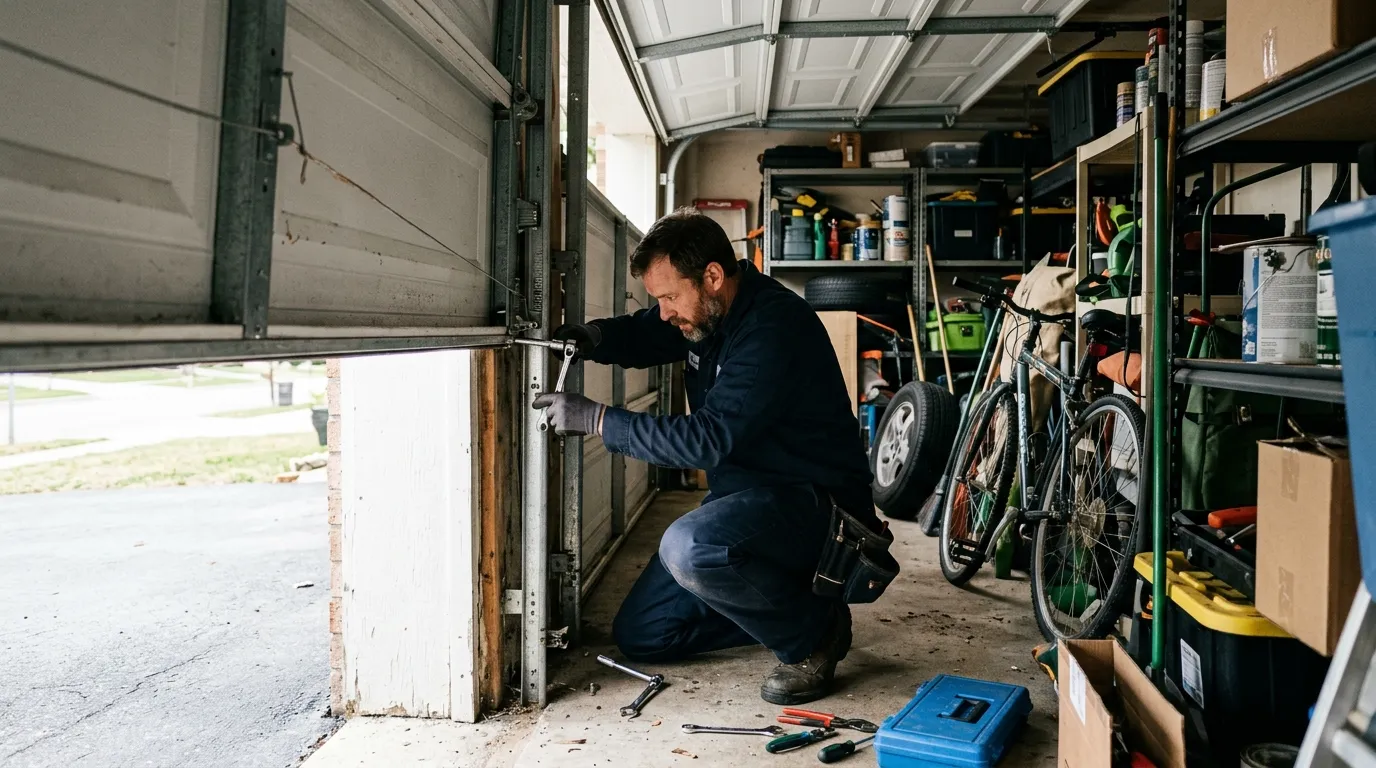
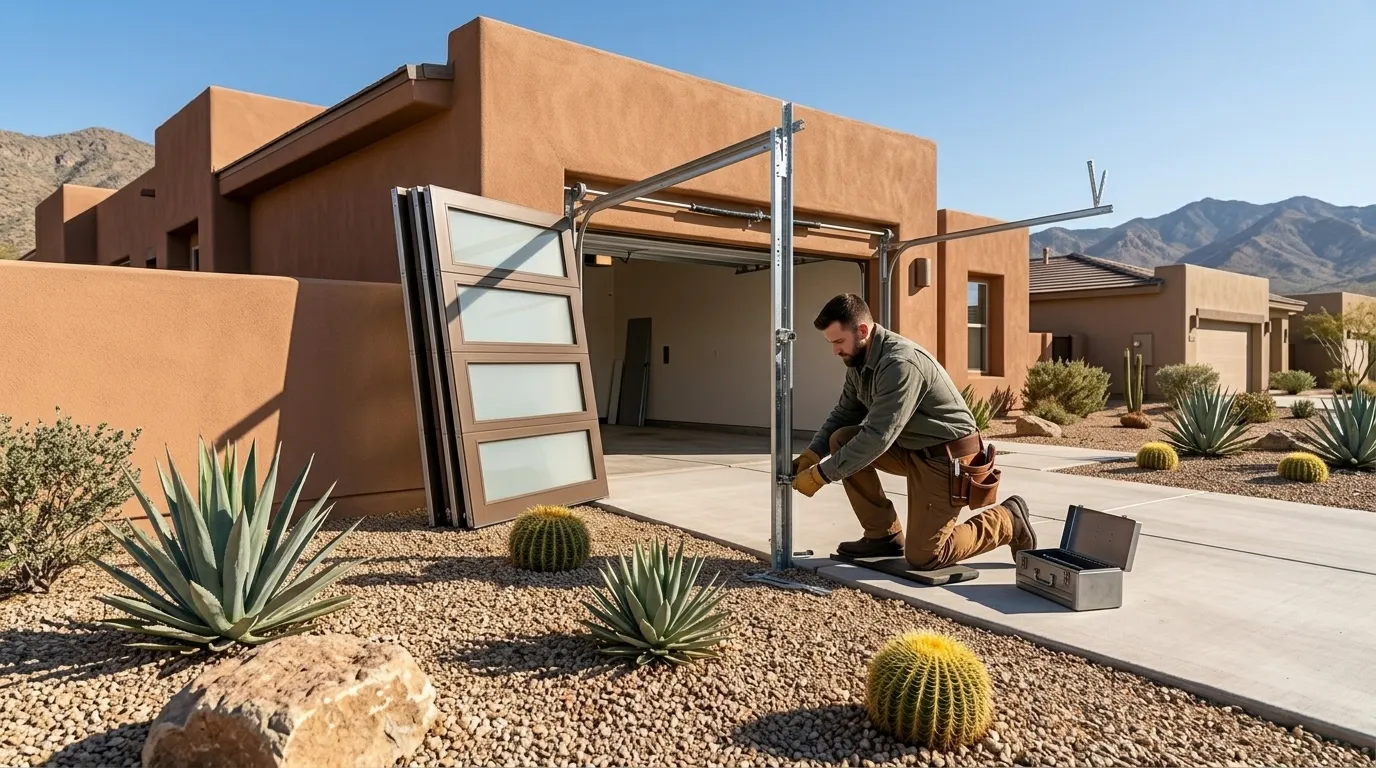
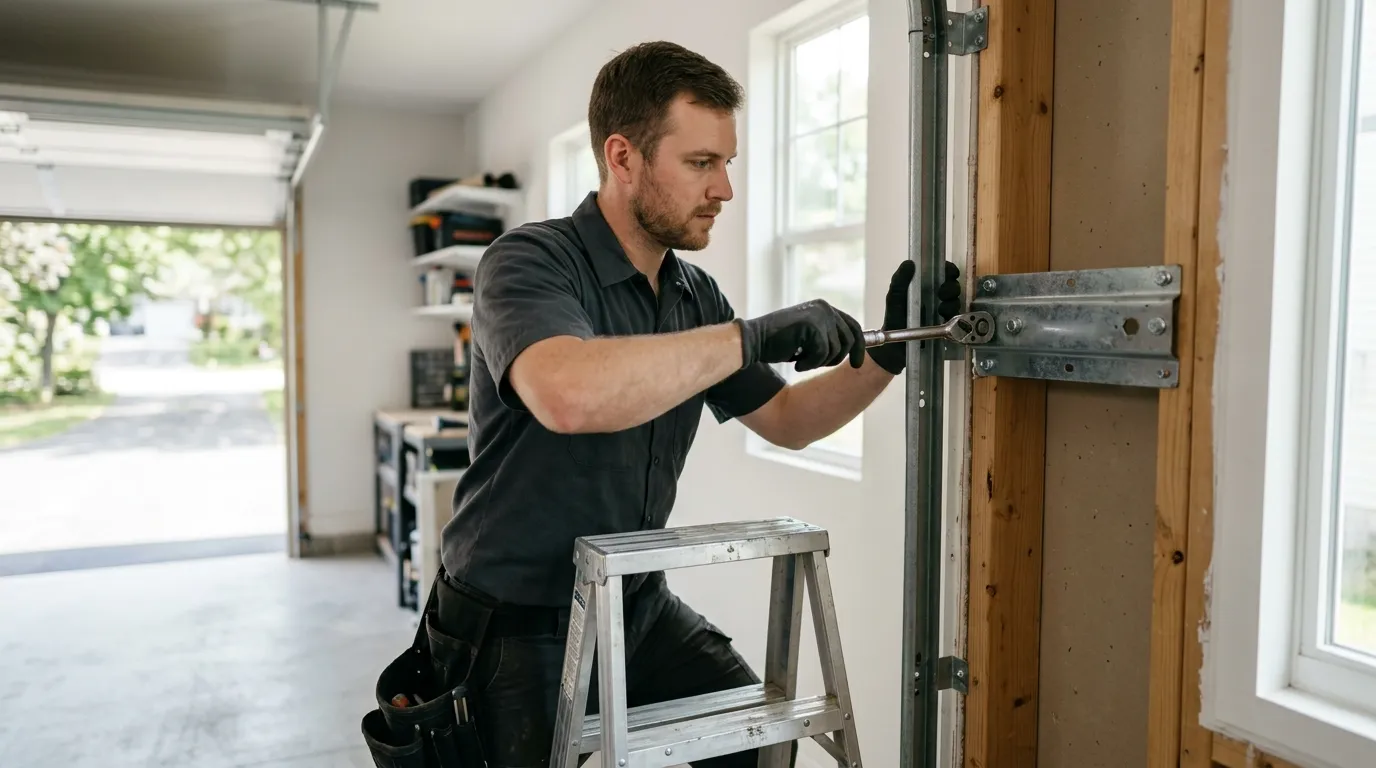
For a torsion spring replacement on a door from this era, we pull the old spring, check the shaft and bearing plates for wear, and match the new spring's wind and wire size to the actual door weight - not just whatever spec was on the original sticker, since panels get swapped over the decades. If the door's original hardware, we're also checking cable condition and drum wear while we're up there, because on a house this old it's rarely just the one part. For opener issues on doors from the 1980s-90s wave, we check whether the opener itself is original - many are - before replacing anything, since a worn drive gear can look like a spring problem from the ground. One honest limit: if a door's structure has gone soft from moisture or the track is bent beyond adjustment, we'll tell you replacement makes more sense than another repair. We don't stretch a fix past the point it's worth it.
What Is on the Truck
We stock torsion springs in the wind sizes and wire gauges that match the 1980s-90s door stock common across this service area, along with standard rollers, cables, and drums sized for the same era. That covers the bulk of what we run into on a Vadnais Heights call without a return trip. What we don't carry is every proprietary opener part for every brand ever installed - if a door has a less common opener from a manufacturer that's since discontinued parts, that piece may need ordering. We'll tell you on site if that's the case rather than guessing over the phone.