New Garage Door Installation for Mahtomedi's Late-1980s Homes
Most Mahtomedi homes date to the late 1980s, so the openers and torsion springs on them are original. Here's what a new door install involves, 7 miles from Hugo.
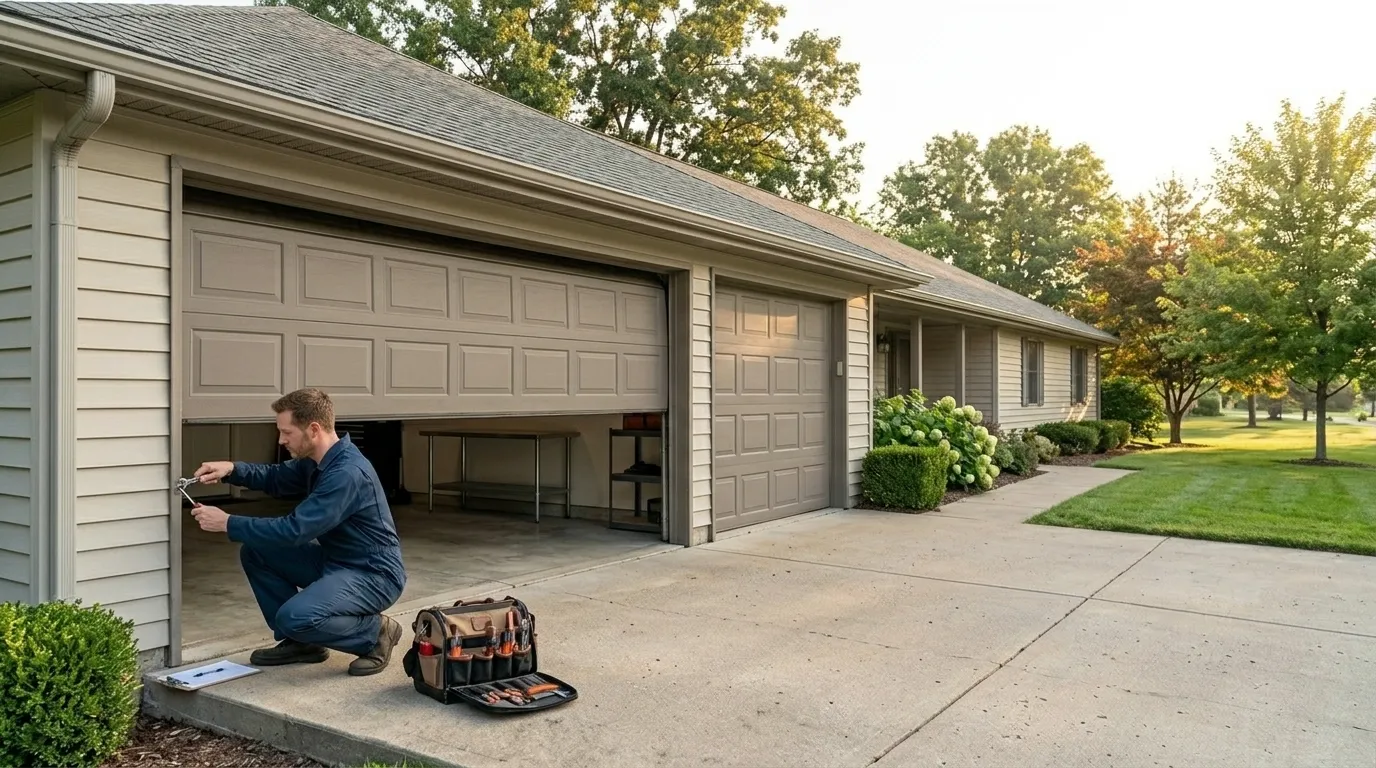
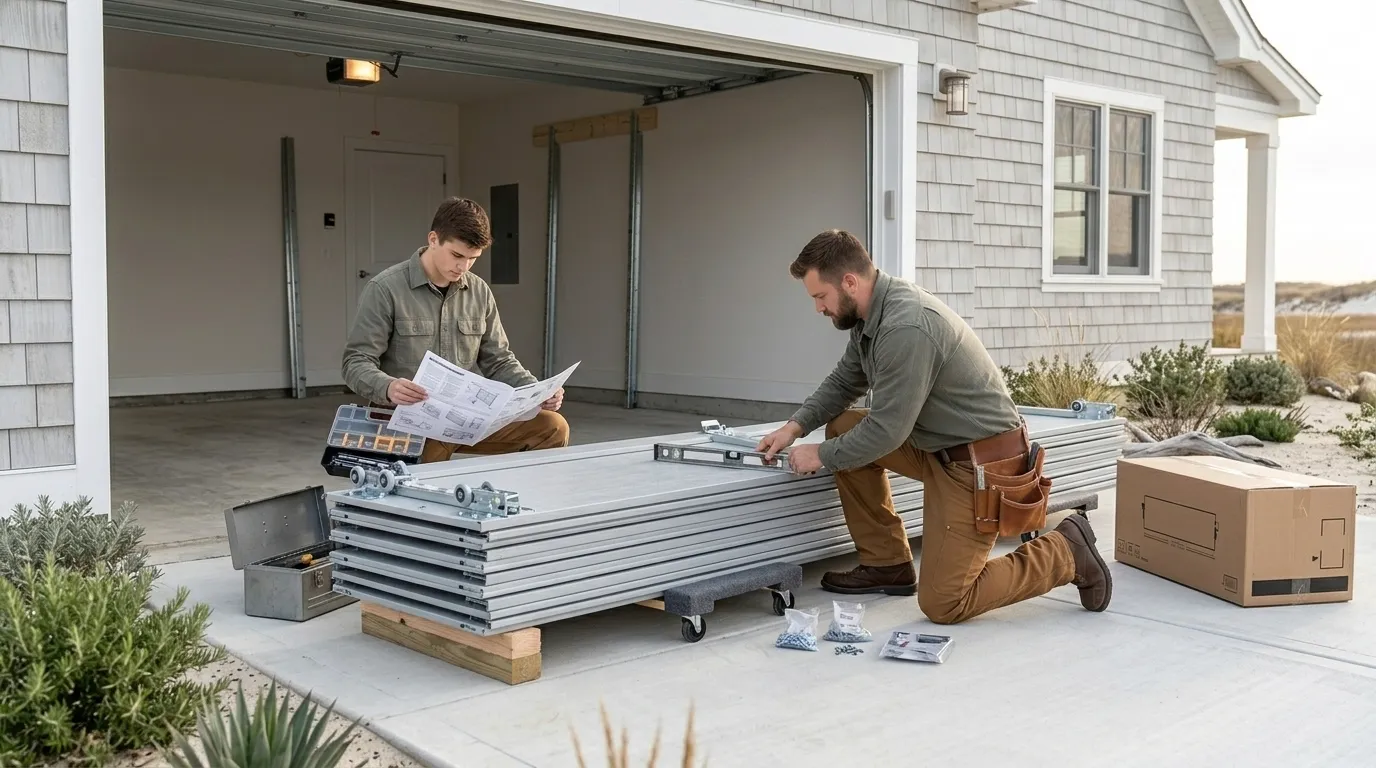
Mahtomedi's median home dates to about 1989, which puts most of the neighborhood in a narrow build window compared to the wider service area we cover out of Hugo, where houses range from 1950 clear through 2002. That narrower window matters: a late-1980s garage almost always has the original single-car or double-car opening sized to codes from that era, steel doors with foam-in-place insulation just starting to become standard, and torsion hardware that was builder-grade even when new. If nobody has touched the door since the house went up, the springs, the drums, and often the opener itself are pushing 35 years old. We bring double-wall steel doors in standard 1980s-era widths, torsion springs rated for the cold-climate cycle count this region needs, and openers with battery backup, since a garage door that won't open in a January outage is a real problem here, not a hypothetical one. We also carry the trim kits and jamb hardware that older openings need when the rough frame has settled or shifted slightly over three-plus decades, which is common in houses this age.
What the Fix Involves
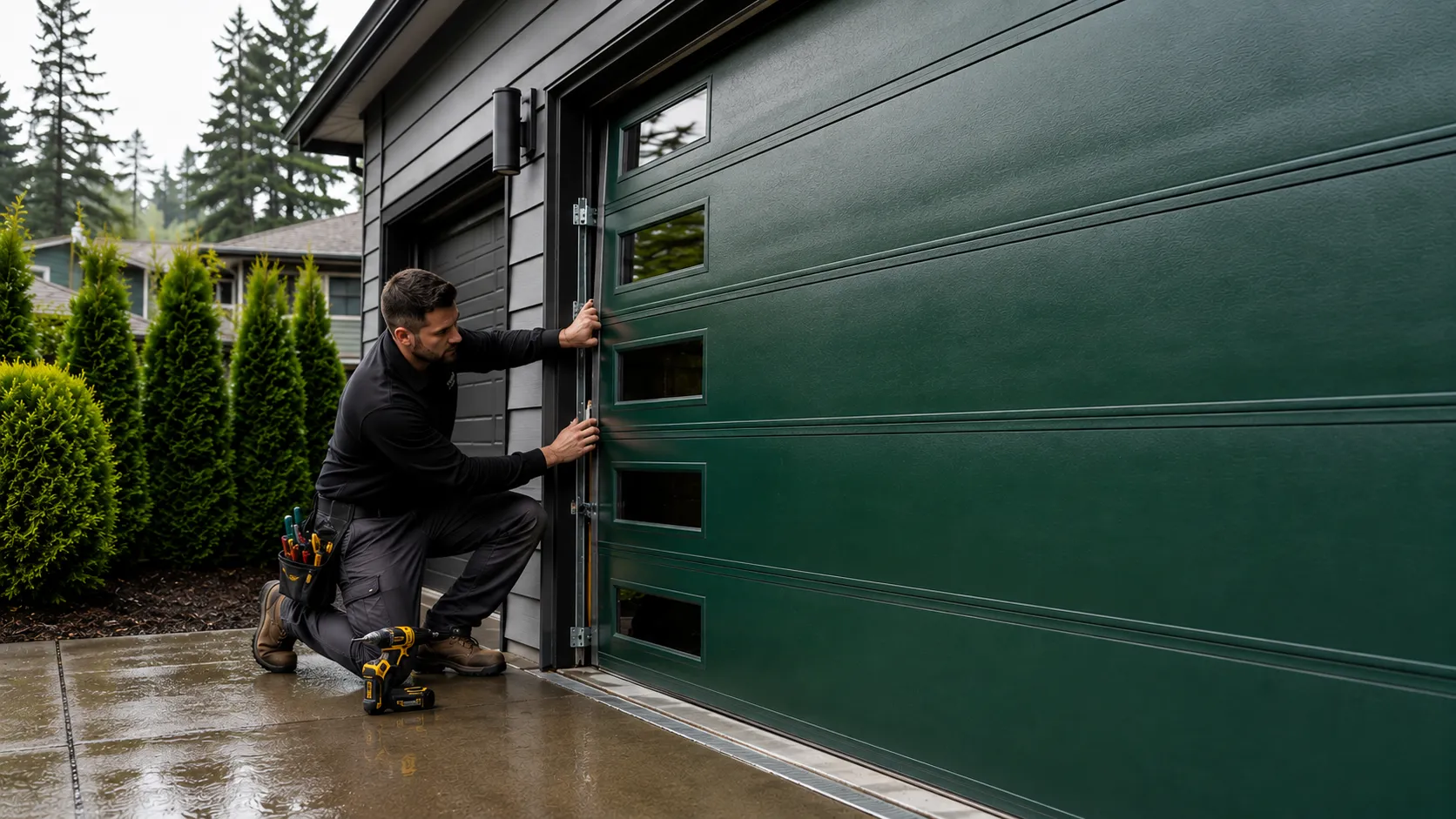
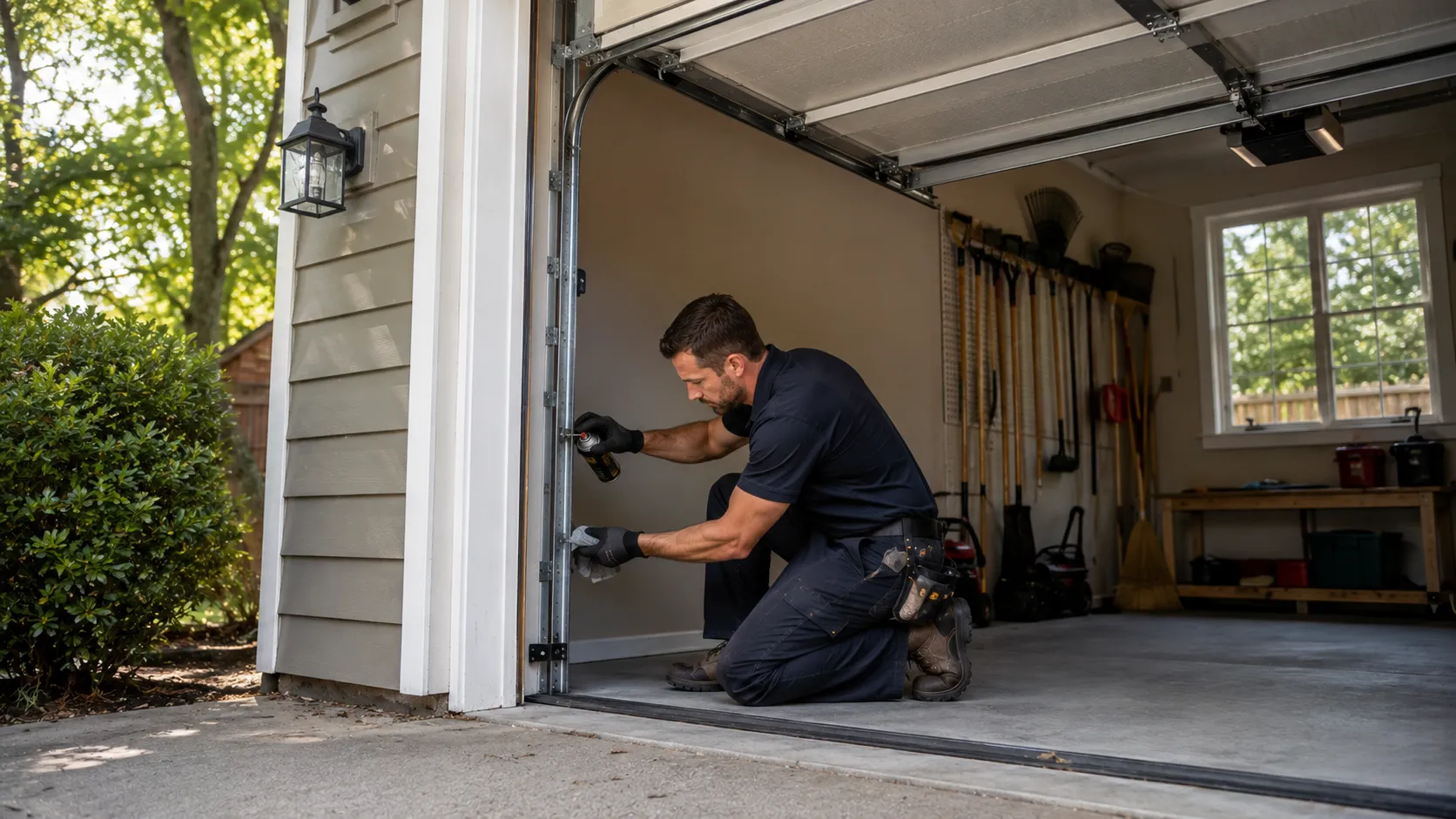
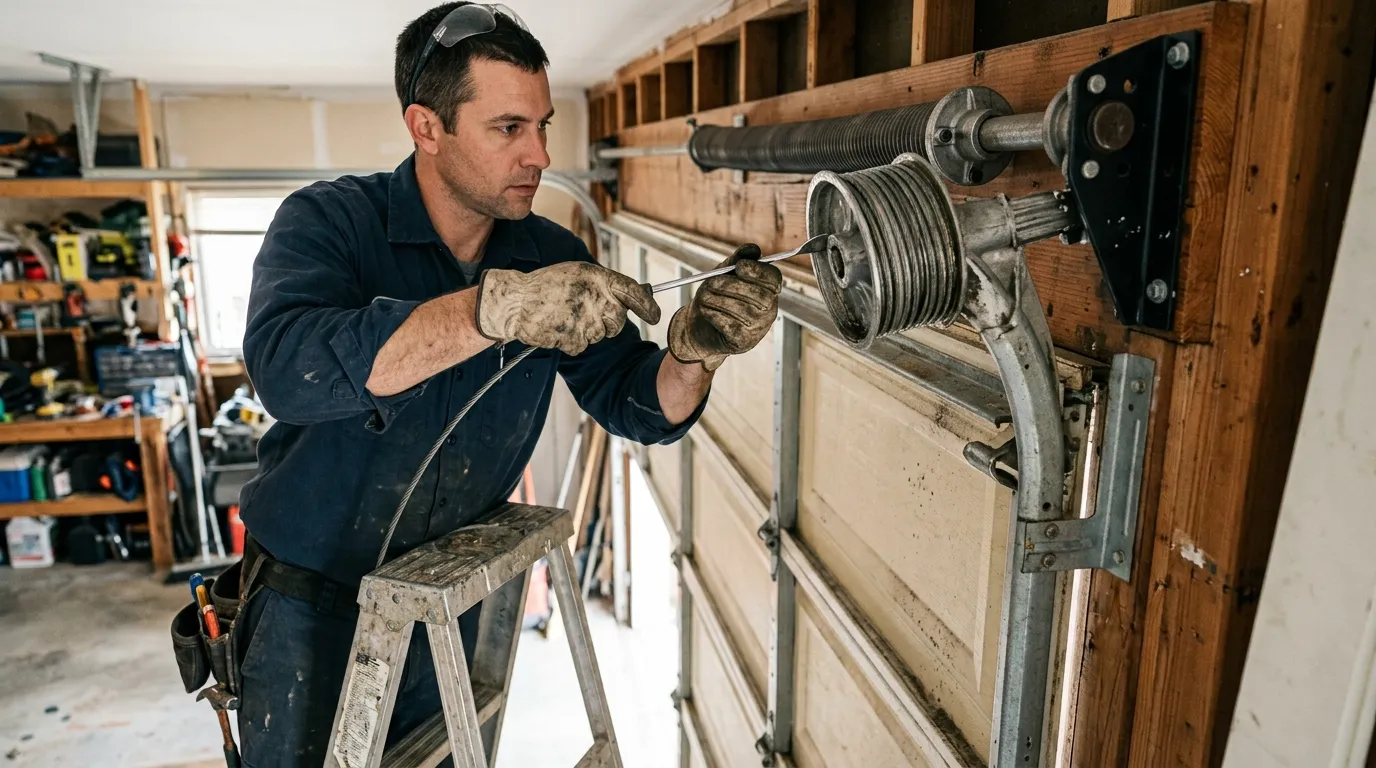
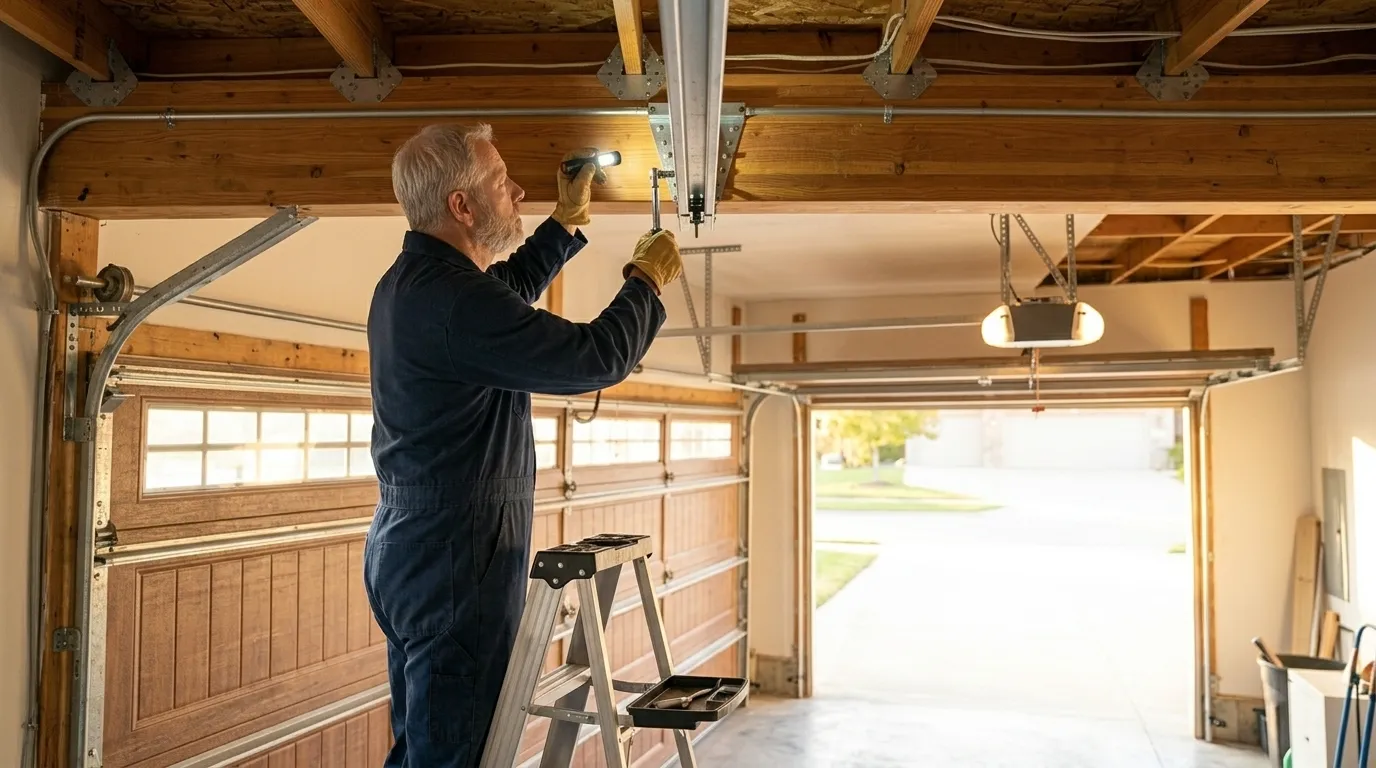
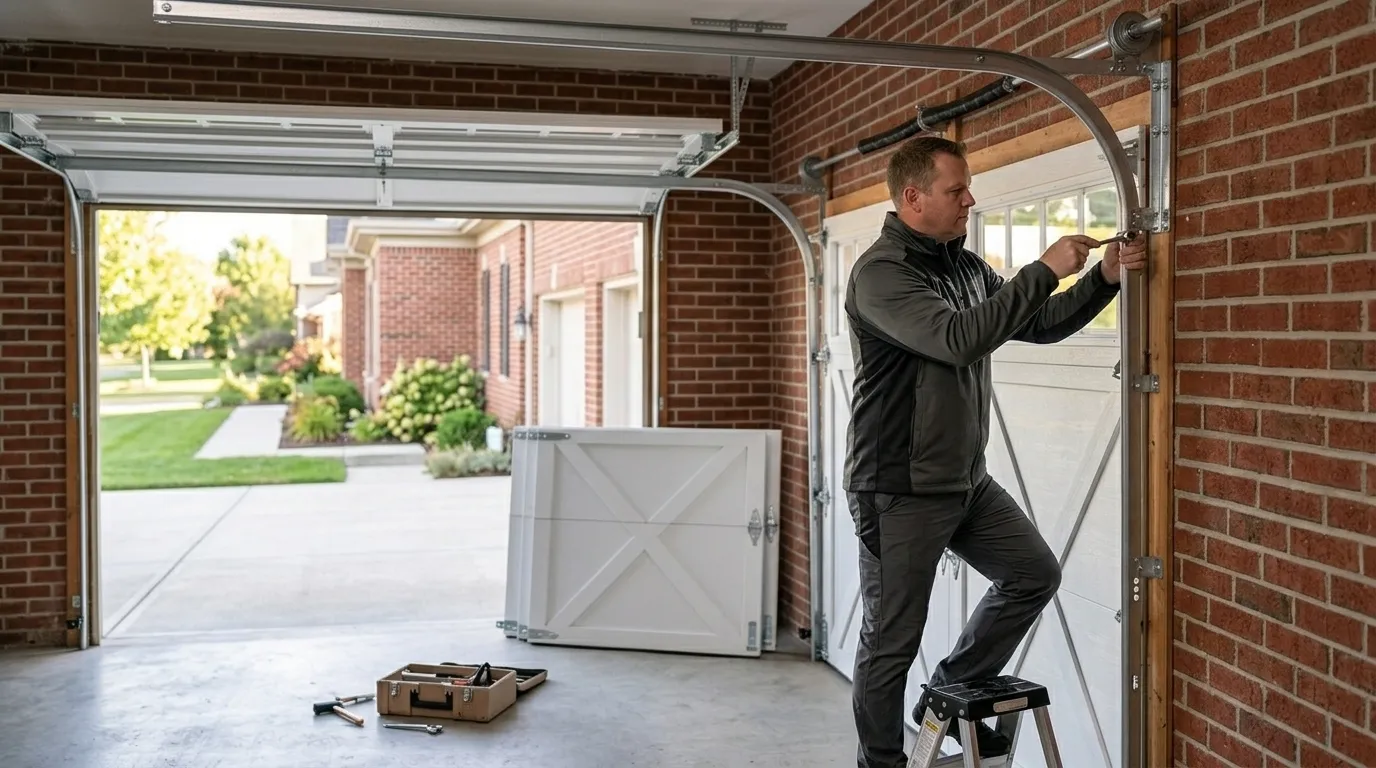
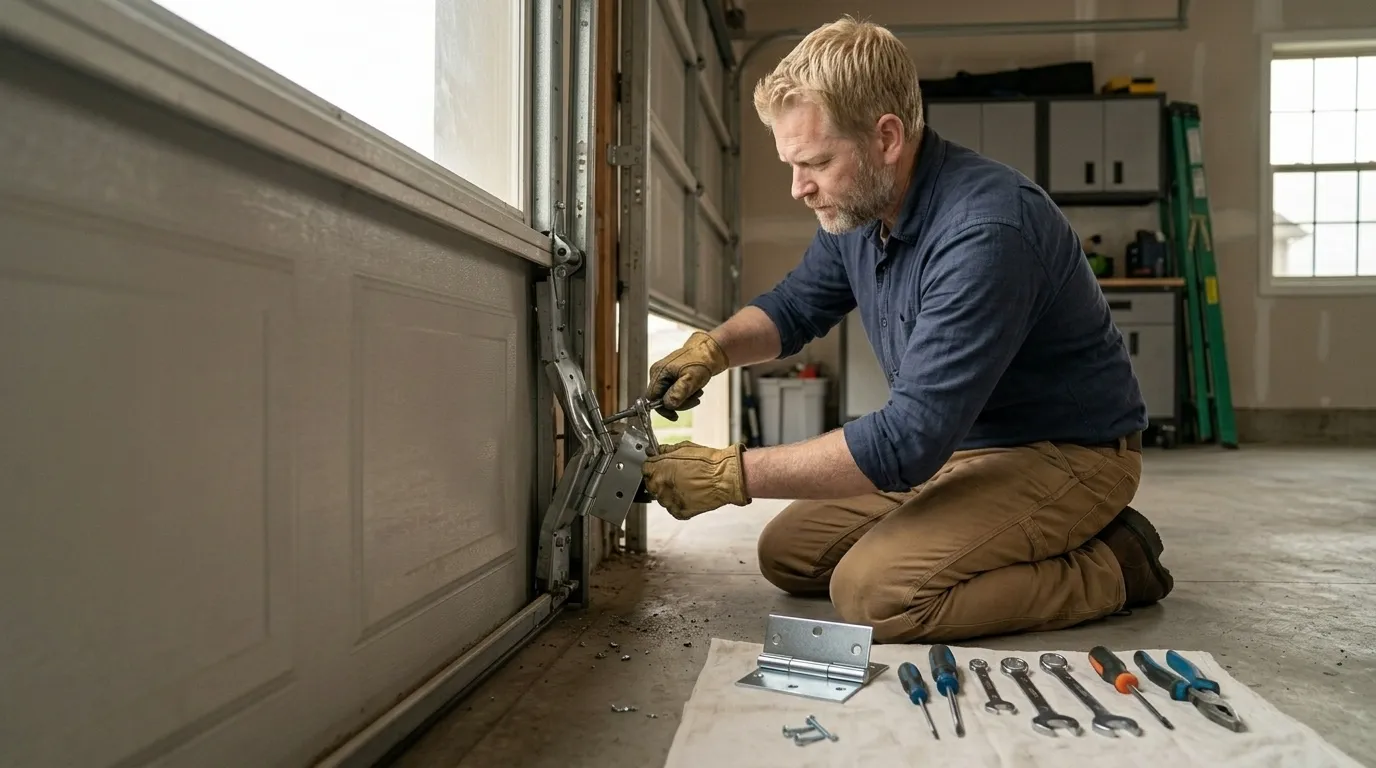
Installing new in a Mahtomedi house built around 1989 usually starts with pulling out hardware nobody has looked at since the original framer left the job. The torsion shaft, center bearing plate, and cable drums on a door this old are almost never the same units you'd swap on a house built in 2002 - the shaft diameter and spring wind specs changed over the years, so we're not just bolting new steel to old brackets and calling it done. We check the header for rot or settling, resize the spring system to the new door's weight (insulated steel is heavier than what was likely there before), and replace the track and rollers rather than reuse them, since 30-plus-year-old track is usually bent enough to cause binding even if it still looks straight. Given the severe cold this area sees, we also seal the bottom and side jambs properly - old thresholds here were rarely done right the first time. One thing we're upfront about: if the opening itself is out of square from decades of settling, that adds labor beyond a standard swap, and we'll tell you before we start, not after.
What It Costs
We don't quote a flat number sight unseen, because a straight swap on a square 1989 opening costs less than a job where we're also replacing rotted jamb wood or upsizing the spring for a heavier insulated door. What we can tell you is that Mahtomedi's household income runs well above the wider seven-county area we serve from Hugo, and that shows up in what homeowners here typically choose - more of our Mahtomedi installs go with insulated steel or higher-end panel doors than the bare-bones models, simply because the budget for it is there. That said, price isn't really about the town, it's about what's behind your current door once we open the header up. We'll give you a firm number after a look at the opening, not a phone estimate.
Where This Job Goes Sideways
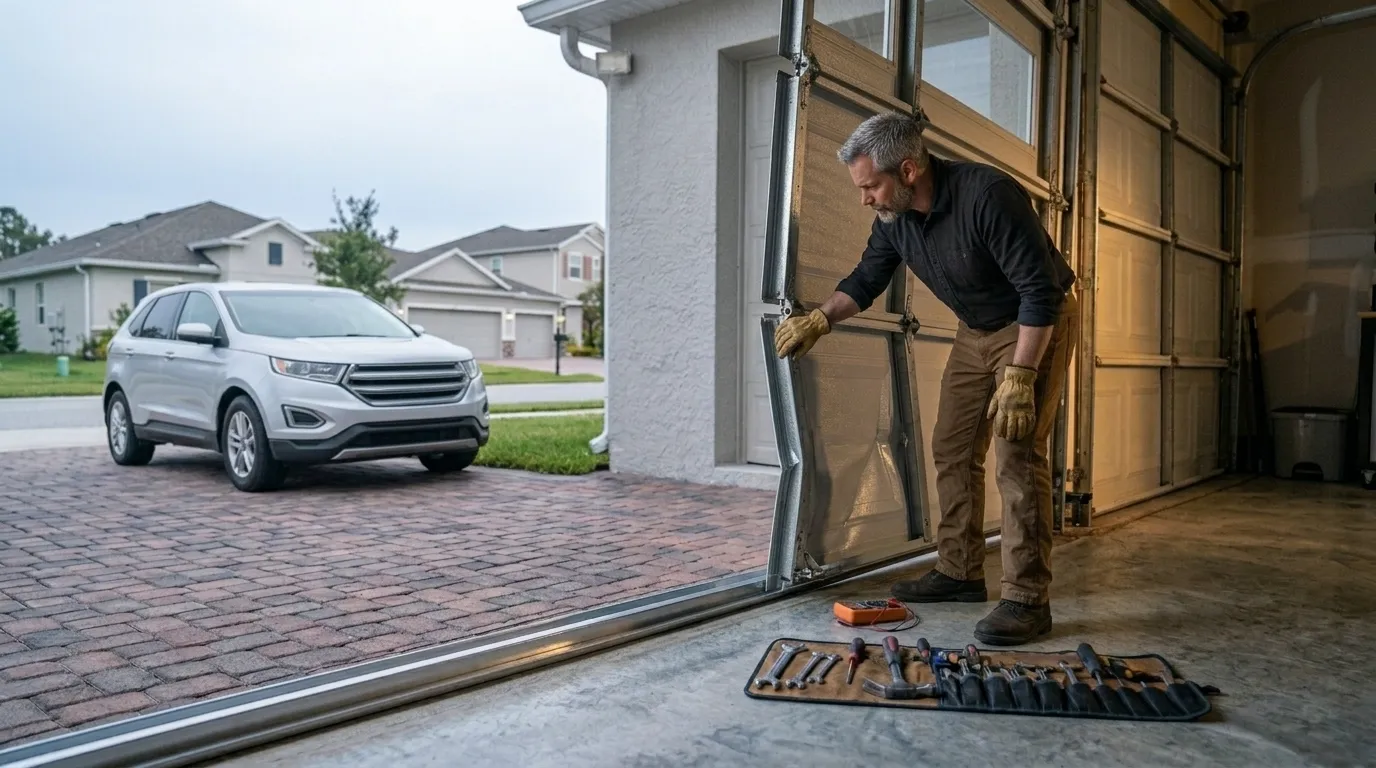
The failure point on a house this age is almost always the header or jamb framing, not the door itself. After 35 years, moisture gets behind trim, wood softens, and a new heavier insulated door needs solid lag points that just aren't there anymore. We find this more often in Mahtomedi than in newer construction closer to Hugo, simply because more of the housing stock here predates the vapor barrier and flashing details that became standard later. The other place things go sideways is the opener circuit - houses from this era often have a single outlet on the garage's original wiring, undersized for a new opener with a battery backup and safety sensors. We can install the door and opener; we don't do electrical panel work, so if the circuit needs an upgrade, that's a separate call to an electrician before we hang anything. Cold is the last variable: at 7 miles from our Hugo base, we're not driving far, but severe winter cold means we schedule installs around weather windows so foam seals and weatherstripping actually cure before the first hard freeze.
How it works
From “it’s stuck” to “it’s fixed”
1
Tell us what’s wrong
Describe the symptom - won’t open, loud bang, opener runs but the door won’t move.
2
On-site diagnosis
A technician tests the door under power and by hand and finds what actually failed.
3
Clear, up-front plan
You get the fix that’s needed and what drives the cost - before any work starts.
4
Repaired & tested
The repair is done, the door is set true and tested, and the work area left clean.
Serving Hugo, MN - tell us what your door’s doing and we’ll take it from there.
Is my garage door original to the house if it was built in the late 1980s?
Very likely, yes. Mahtomedi's median home dates to about 1989, and most owners never touch the door until it fails outright. If you haven't replaced springs, cables, or the opener yourself, assume it's original hardware from the build year.
Do you have a branch in Mahtomedi?
No. We're based in Hugo, about 7 miles away, and drive out for installs and repairs. There's no local depot here, just the truck coming from Hugo.
Will a new door fit my old opening without extra carpentry?
Often, but not always. Houses from the late 1980s can have headers or jambs softened by 30-plus years of moisture. We check that before quoting, and if there's rot, that's added labor we'll flag upfront.
Do you handle the electrical for a new opener?
We install the opener and wire it to an existing outlet or circuit, but we don't do panel or circuit upgrades. If your garage wiring is undersized for a newer opener, that's a separate electrician call first.
Ready to get your garage door sorted?
Tell us what it’s doing and where you are in Hugo - we’ll take it from there.