Mahtomedi Garage Door Repair: Newer Homes, Different Failures
Hugo Garage Door Pros repairs springs, openers, and tracks on Mahtomedi homes built mostly in the late 1980s and 1990s. The truck runs 7 miles from Hugo.
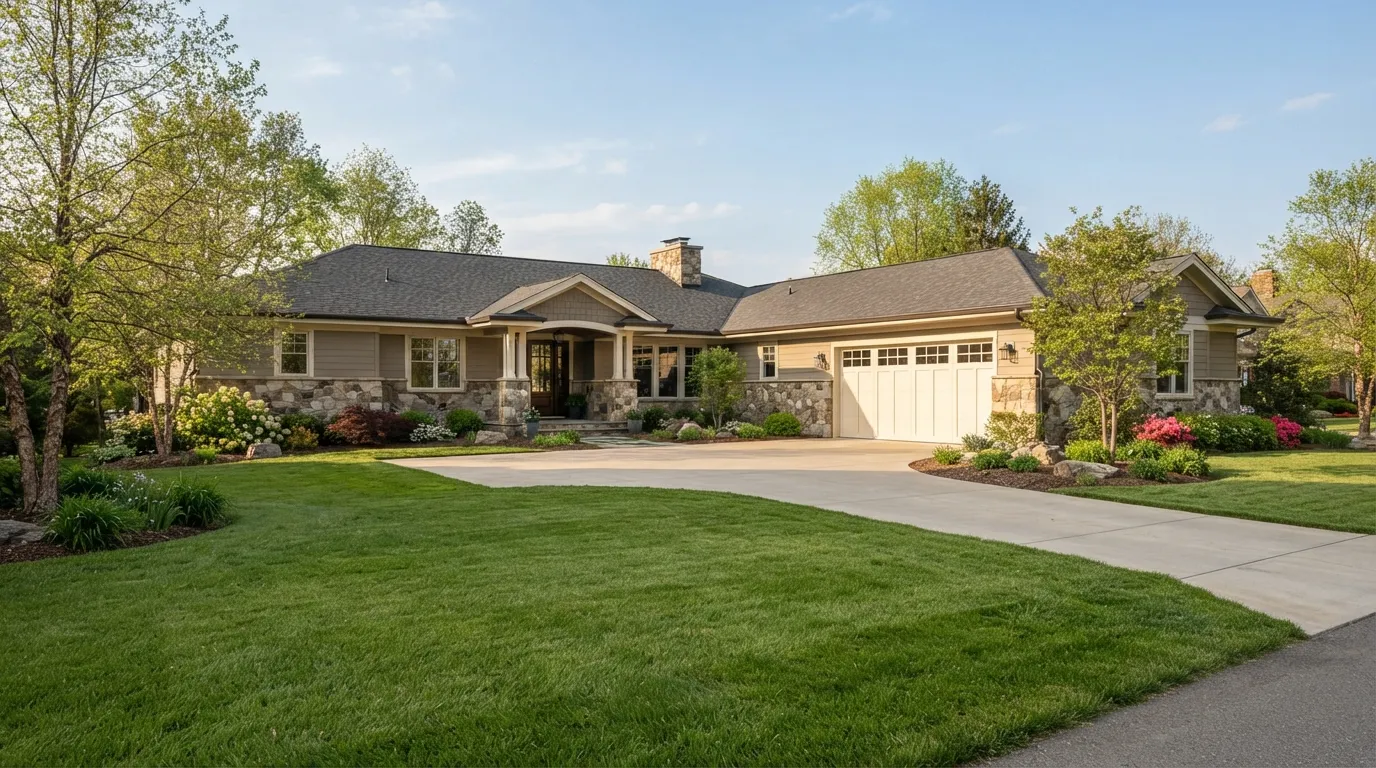
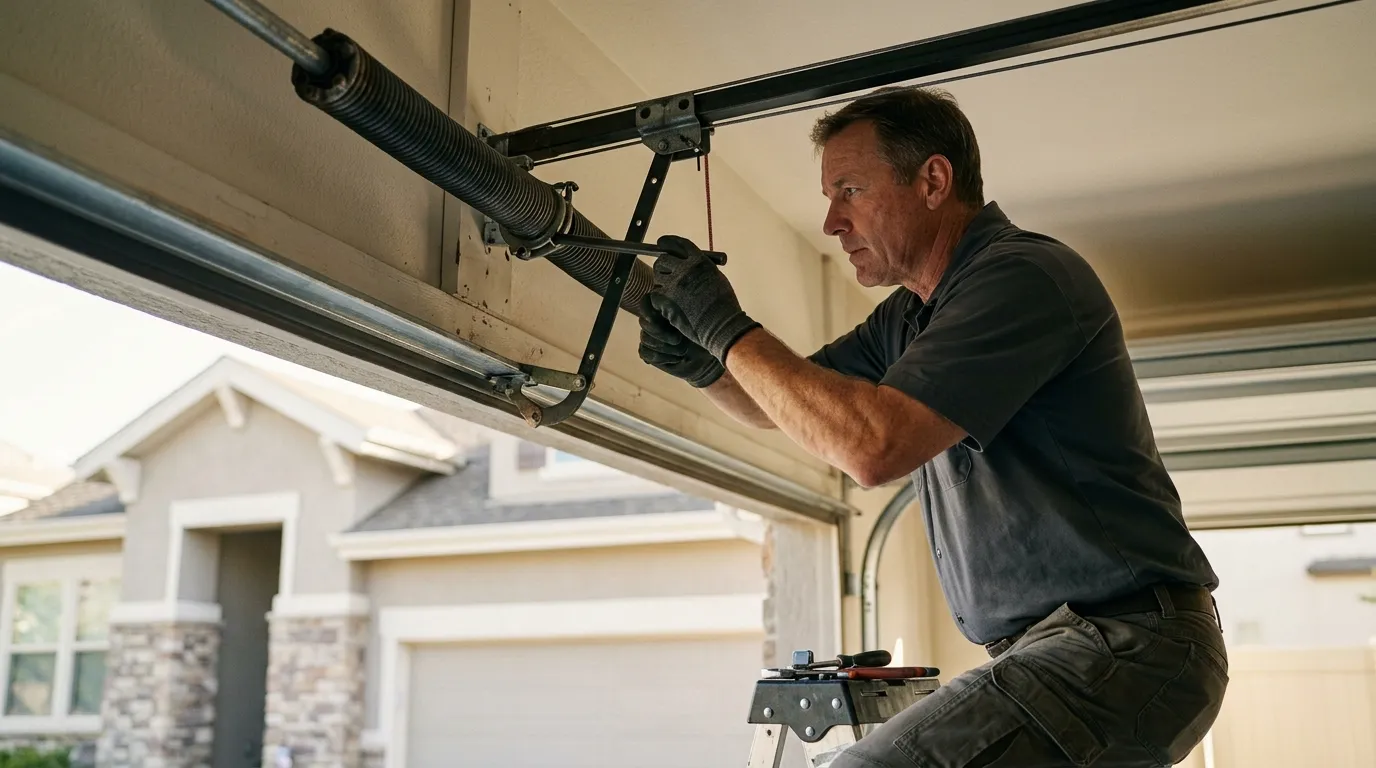
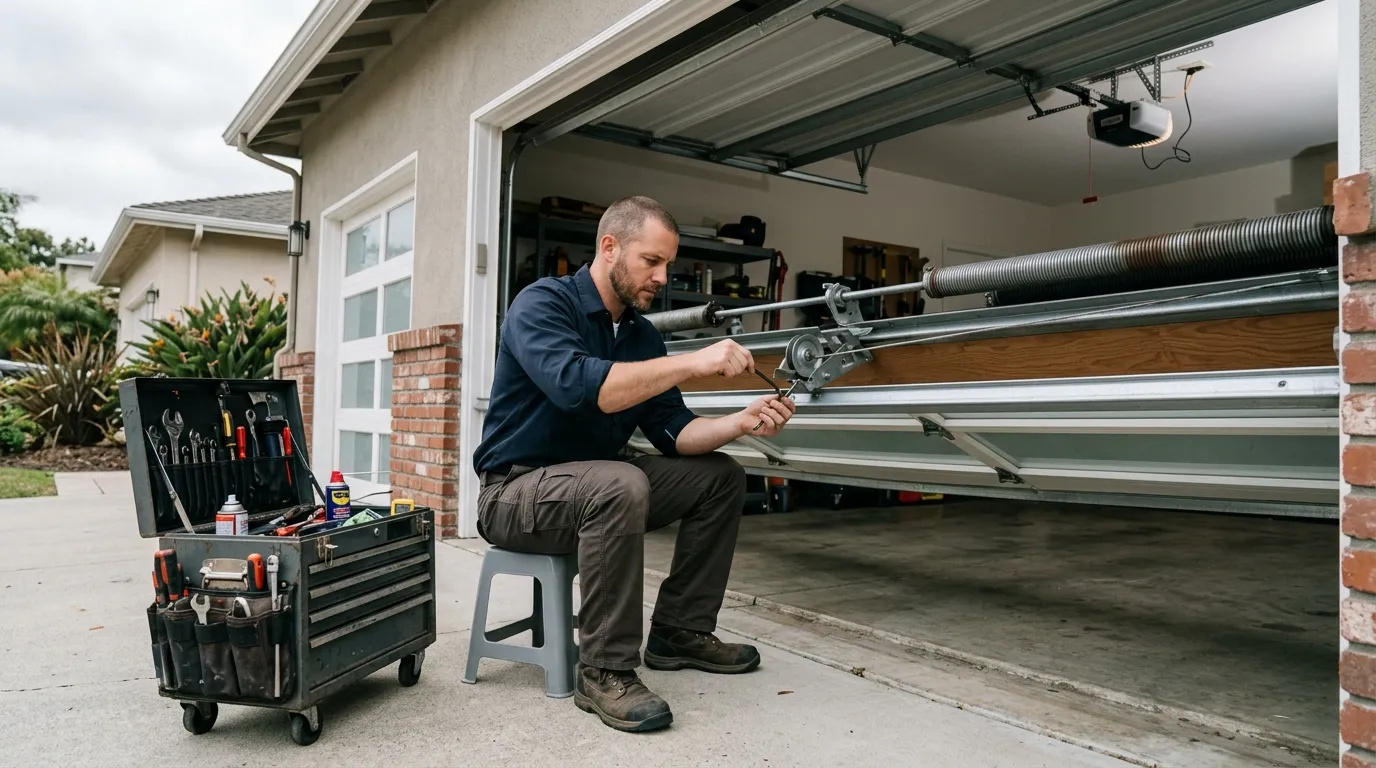
Mahtomedi's housing stock centers on a median build year of 1989, close to a decade newer than the 1980 median across the rest of the area Hugo Garage Door Pros covers. That gap changes what rides on the truck for a Mahtomedi call. Instead of the older side-mounted extension spring setups still common on pre-1970s houses elsewhere in the service area, doors from the late 1980s and 1990s were built almost universally around torsion springs on a center shaft, with steel or lightweight aluminum panel sections replacing the older solid wood slabs. The truck carries torsion springs sized for those lighter panel doors, along with the nylon rollers and galvanized cable that era standardized on. Openers from a 1989-built garage are usually chain or belt drive units with circuit boards that fail before the motor does - so a logic board and a wall control unit ride along too, not just spring stock. What doesn't ride along as often: extension spring kits and the older heavy steel track brackets, since those belong to an earlier build era that's less common in Mahtomedi than in some of the older pockets of the wider service area.
What the Fix Involves
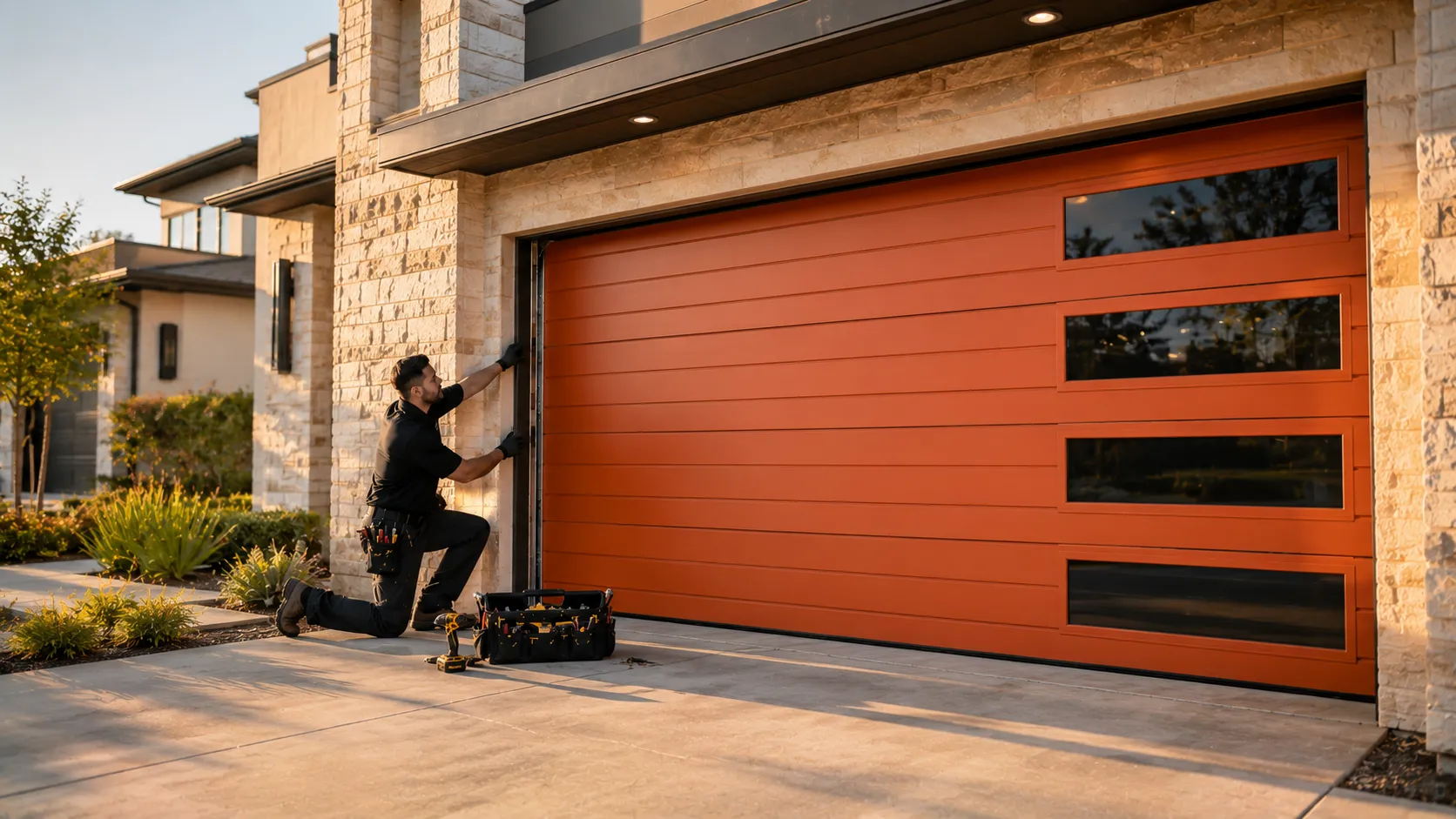
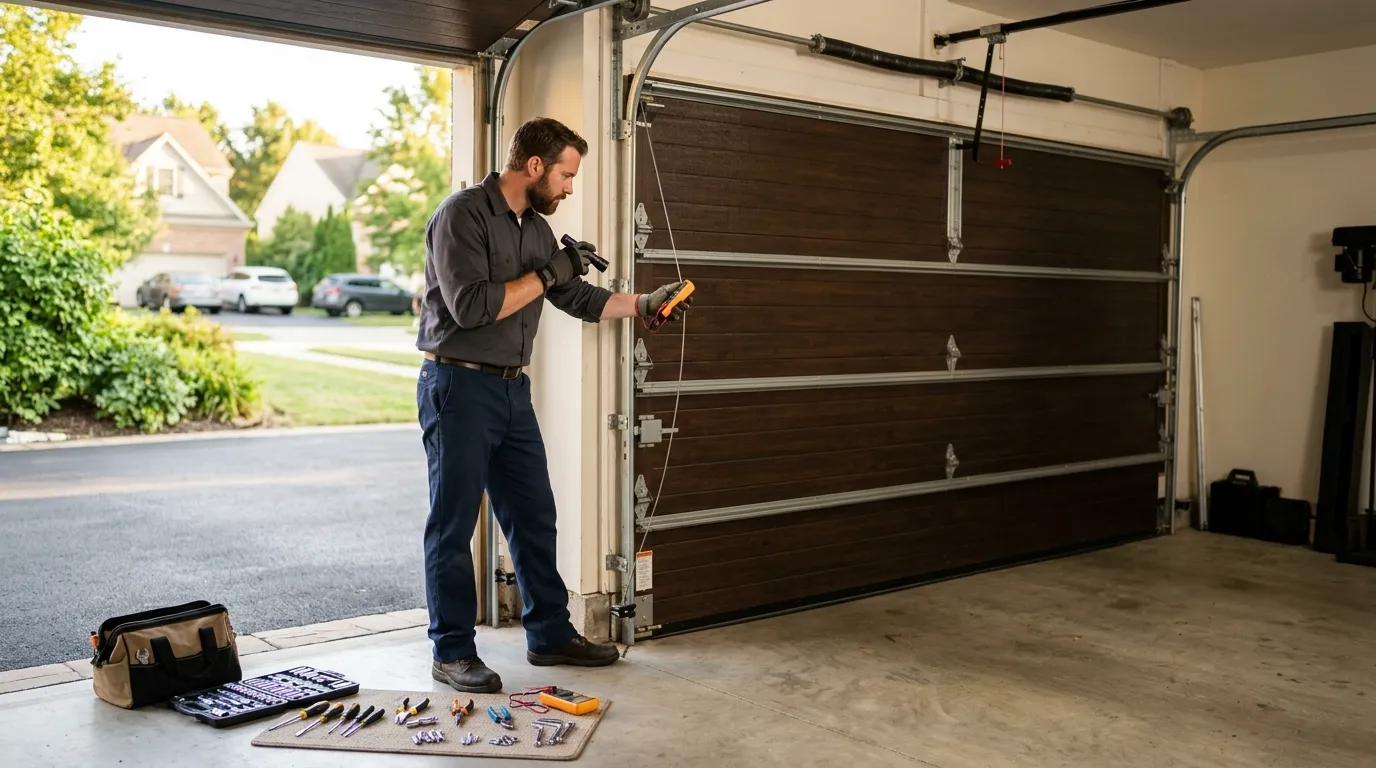
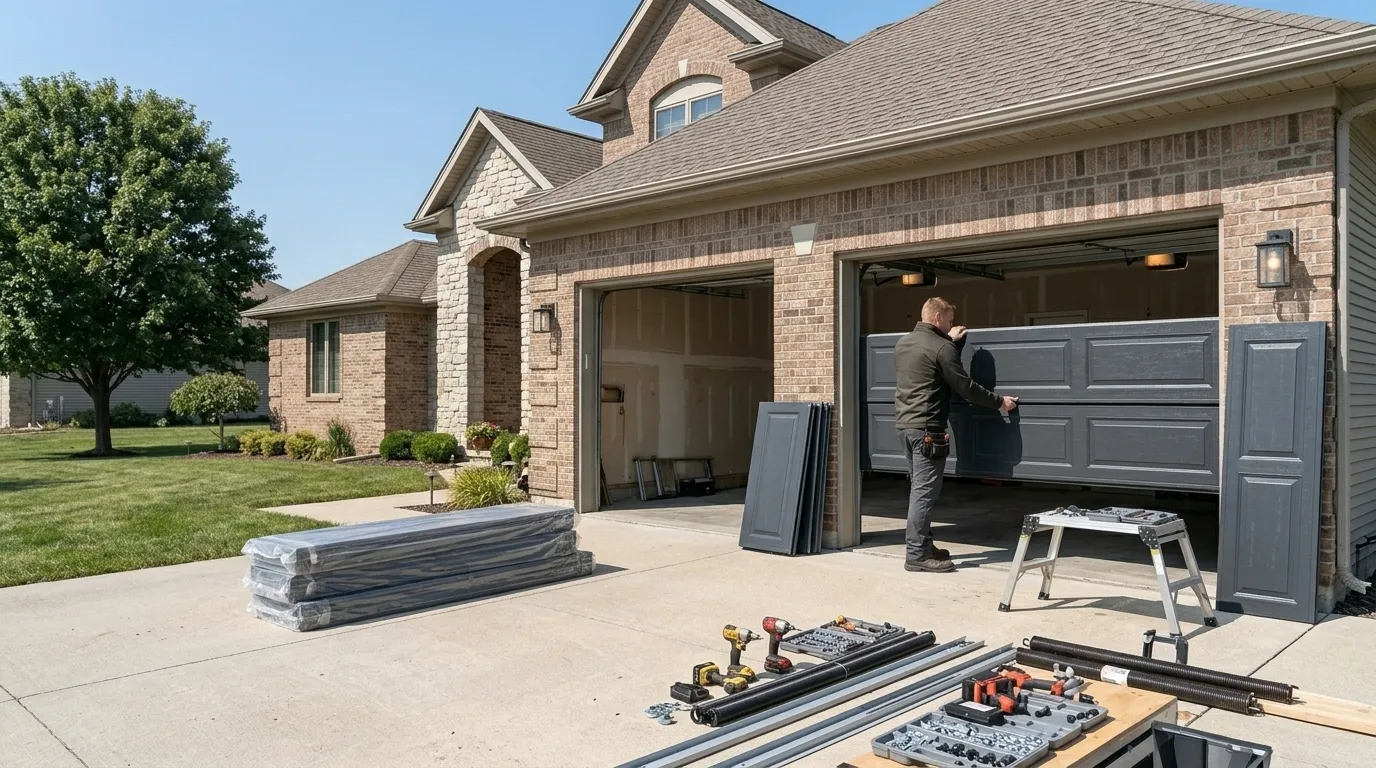
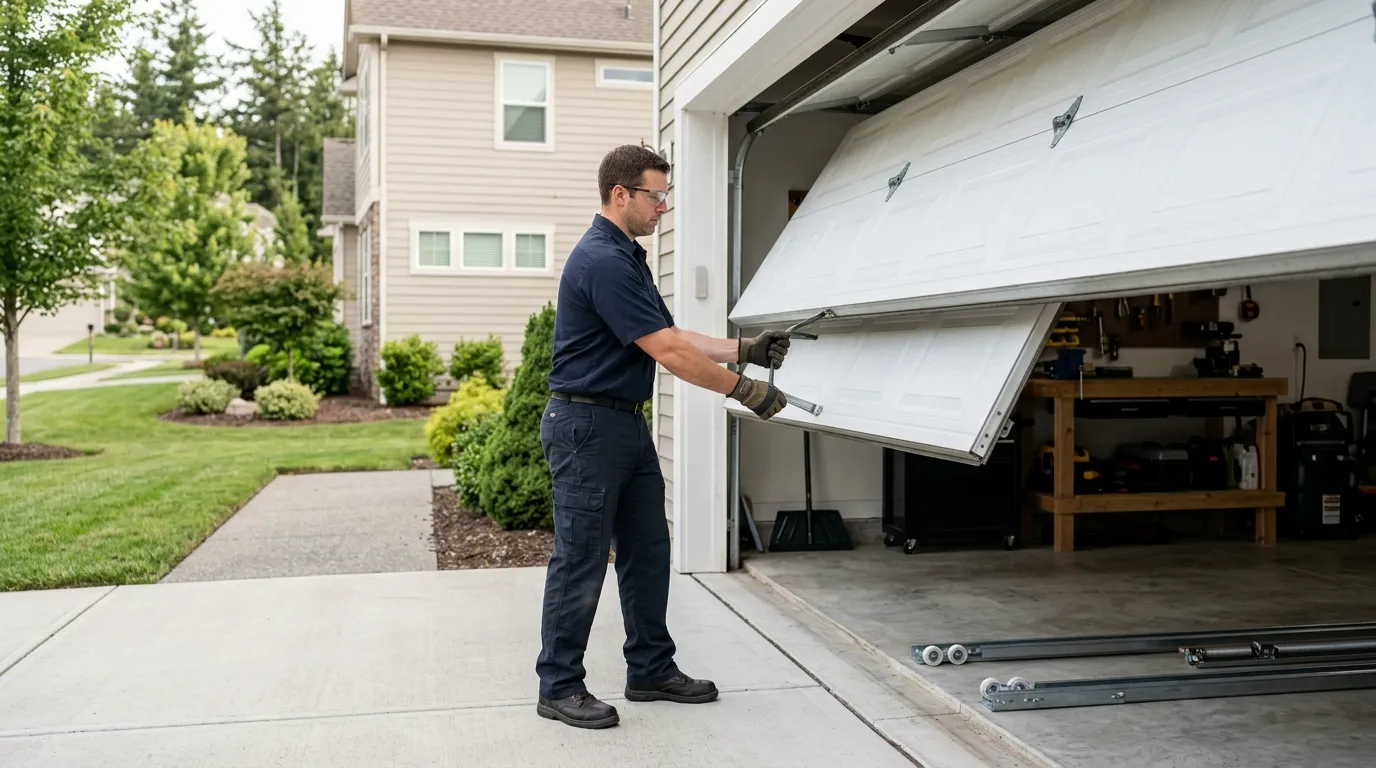
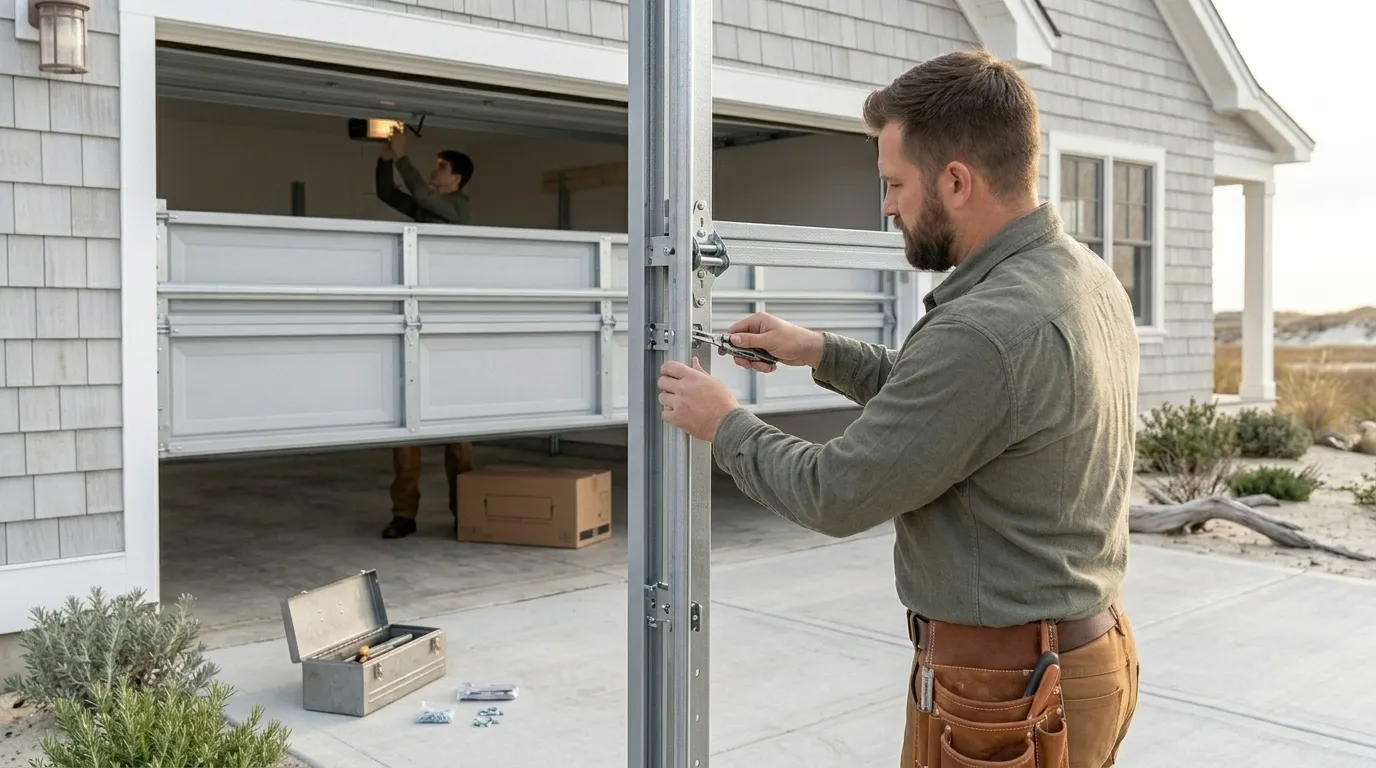
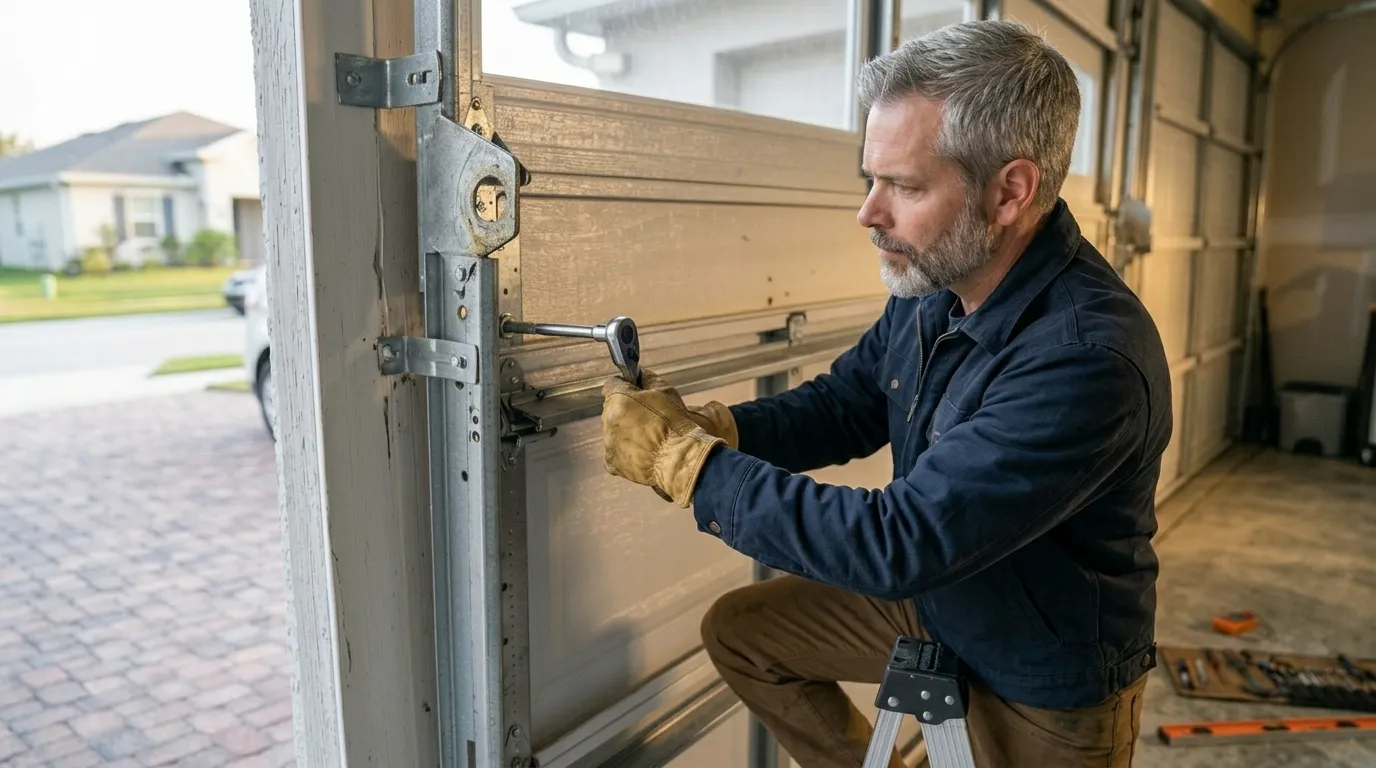
The crew drives the 7 miles from Hugo out to Mahtomedi, and the first ten minutes on site are spent confirming what the phone call couldn't: spring size, panel weight, and whether the opener's logic board or its sensors are the actual failure point. Because most doors here date to the late 1980s or 1990s, torsion spring replacement is a same-visit job in most cases - the shaft, cable drums, and bearing plates on doors of that era are standardized enough that a correctly sized spring is usually on the truck already, not back-ordered. Panel replacement is slower. If a section is cracked or dented, matching a 30-plus-year-old steel panel profile sometimes means reordering from a supplier rather than pulling one off the shelf, so that part of the job can stretch past a single visit. Opener repairs usually come down to a board swap or a sensor realignment rather than a full unit replacement, since the motors from this era tend to outlast their electronics. Every job ends with a full cycle test under load, not just a visual check, because a spring that looks fine at rest can still be wound wrong.
What It Costs
There's no single number that fits every Mahtomedi call, and quoting one without seeing the door would be a guess dressed up as a fact. Spring replacement cost depends on shaft size and how many springs the door actually needs - most doors from this build era use a single torsion spring, but wider double doors sometimes run two. Panel cost depends heavily on whether a matching section can be sourced off the shelf or has to be special-ordered, and that second path costs more and takes longer. Opener repairs are usually the cheaper end of the visit, since a board or sensor swap doesn't touch the door's mechanical side at all. The one honest limitation here: if a panel match can't be found for an older door, replacing the section isn't always cheaper than replacing the whole door, and the crew will say so on site rather than push a repair that doesn't make financial sense for the homeowner.
Where This Job Goes Sideways
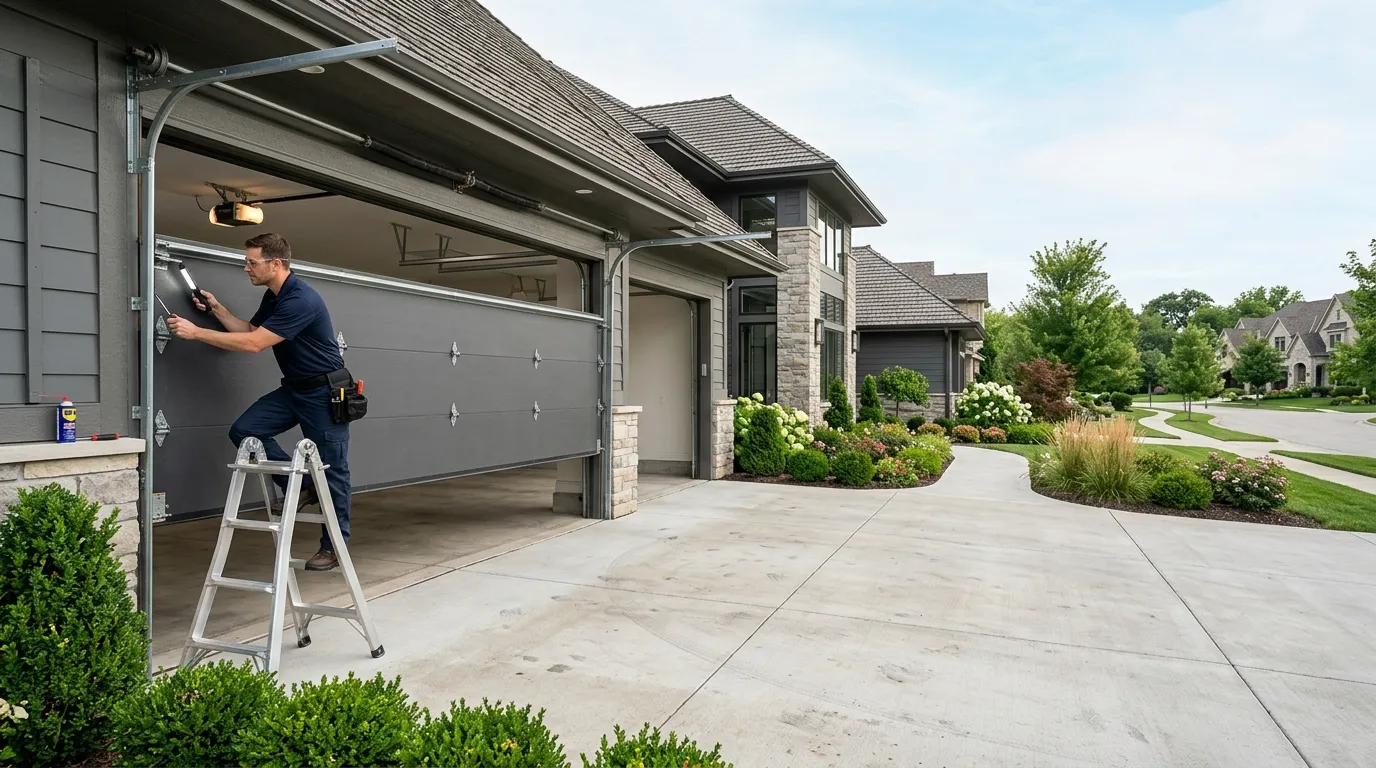
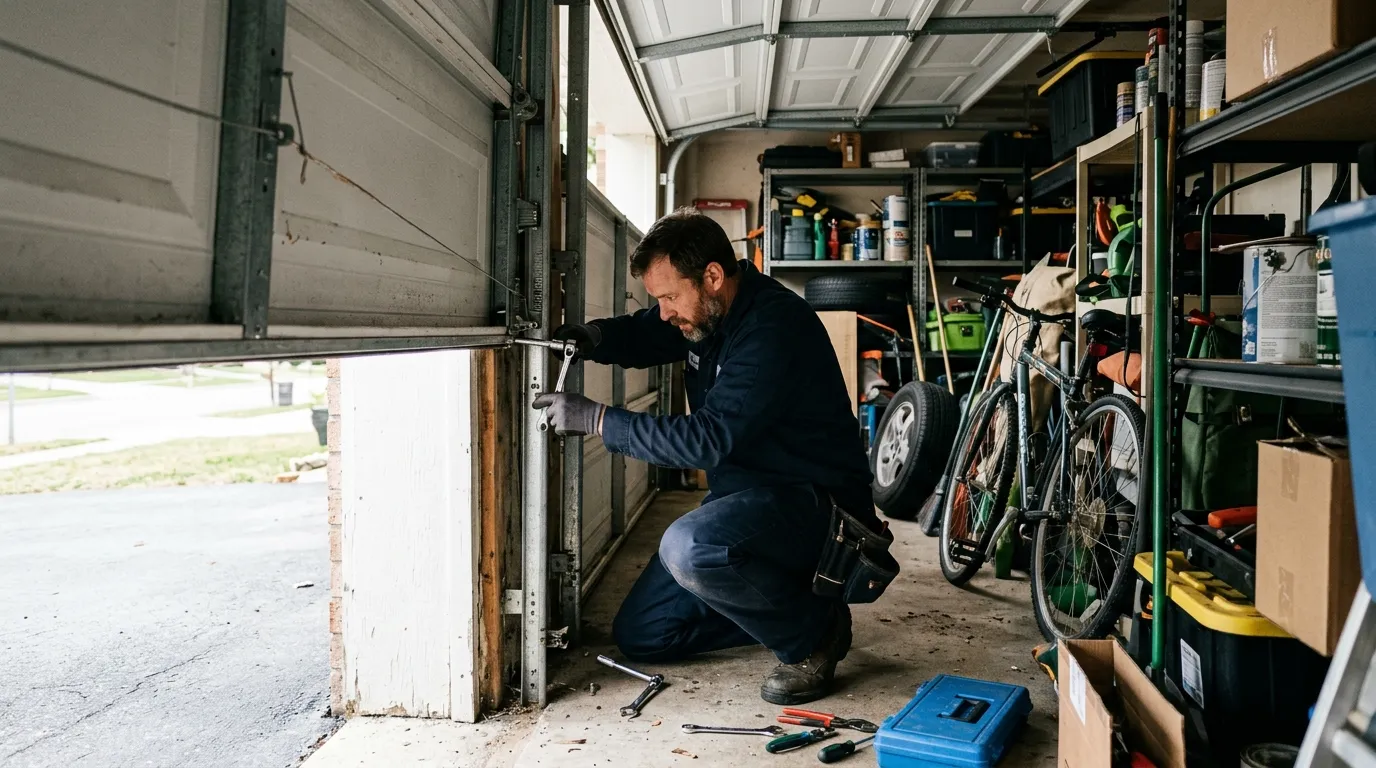
The service area sits in a cold, severe winter climate band, and that matters more for torsion springs than most homeowners expect - a spring under full winding tension contracts in deep cold, and that's when a spring that's been quietly wearing out for years finally lets go, usually on the coldest morning of the stretch, not the mildest. Openers from the 1989-era stock common in Mahtomedi also throw a second problem: safety sensors mounted low near the floor collect frost and moisture in winter, and a door that won't close is more often a dirty or misaligned sensor eye than a broken opener. The job goes sideways when someone replaces the opener before checking the sensors, which fixes nothing and costs more. On the door side, a bent track from a car bumping it looks like a simple straightening job but sometimes bends the roller channel itself, and forcing a door through a bent track wears out rollers and cable fast - so a same-day track fix sometimes reveals a second problem once the door's actually cycling under it.
How it works
From “it’s stuck” to “it’s fixed”
1
Tell us what’s wrong
Describe the symptom - won’t open, loud bang, opener runs but the door won’t move.
2
On-site diagnosis
A technician tests the door under power and by hand and finds what actually failed.
3
Clear, up-front plan
You get the fix that’s needed and what drives the cost - before any work starts.
4
Repaired & tested
The repair is done, the door is set true and tested, and the work area left clean.
Serving Hugo, MN - tell us what your door’s doing and we’ll take it from there.
Is there a Hugo Garage Door Pros location in Mahtomedi
No. The company is based in Hugo and drives out to Mahtomedi, about 7 miles away, for every call. There's no local branch or depot in town - the truck comes from Hugo each time a job is booked.
How old is a typical garage door in Mahtomedi
Most homes in Mahtomedi were built around 1989, close to a decade newer than the broader area's 1980 median build year. That means torsion spring systems and steel or aluminum panel doors are far more common here than the older extension-spring setups found on older homes elsewhere in the service area.
Why did my garage door break on the coldest morning of the year
Torsion springs under tension contract in deep cold, and a spring that's already worn from age often fails right at that point rather than during a mild stretch. It's not a coincidence - the service area sits in a cold, severe winter climate band, and that's exactly the kind of stress that finds a weak spring first.
Can you always match an older panel exactly
Not always. Panels from doors built in the late 1980s or 1990s sometimes have to be special-ordered if the original profile isn't stocked locally, which adds time to the job. If a match can't be found, replacing the whole door is sometimes the more sensible option, and that gets discussed on site before any work starts.
Ready to get your garage door sorted?
Tell us what it’s doing and where you are in Hugo - we’ll take it from there.