East Bethel homes run newer than most of the Hugo service area, built mostly after 1985. That changes which rollers wear out first and what we load on the truck for the 18-mile drive out.
East Bethel sits about 18 miles out from our Hugo shop, and the housing stock here runs a bit newer than the rest of the area we cover - median build year of 1985, versus a broader range of 1950 to 2002 across the territory. That matters for rollers because doors built in the mid-80s typically shipped with steel rollers on steel track, not the older nylon-on-steel combos you'll find on houses from the 1950s and 60s elsewhere in our coverage area. Steel rollers are noisier when they go bad, and they go bad differently - you'll hear a grinding or clicking sound well before the door binds.
Can you replace them yourself? If it's a single roller on an accessible bottom panel with the door disconnected from the opener, plenty of owners manage it with a socket set and a padlock through the track to keep the door from dropping. What trips people up is the top rollers near the bent track and header - that's spring tension territory, and a slipped cable there can take a finger. If more than two rollers are shot, or the track itself is bent where the roller rides, that's a call, not a weekend project.
How Long It Takes
A straight roller swap on a door with mid-80s hardware - the era most East Bethel houses fall into - usually runs on the shorter end because the track and drums aren't yet worn from decades of use like some of the older stock closer to the lake towns. We're not quoting a fixed number here since we haven't logged East Bethel-specific job times separately from the rest of the route, but the job itself doesn't change with the address - the drive does. Budget the 18 miles from Hugo into when we can get there, especially on a day with multiple stops already on the board.
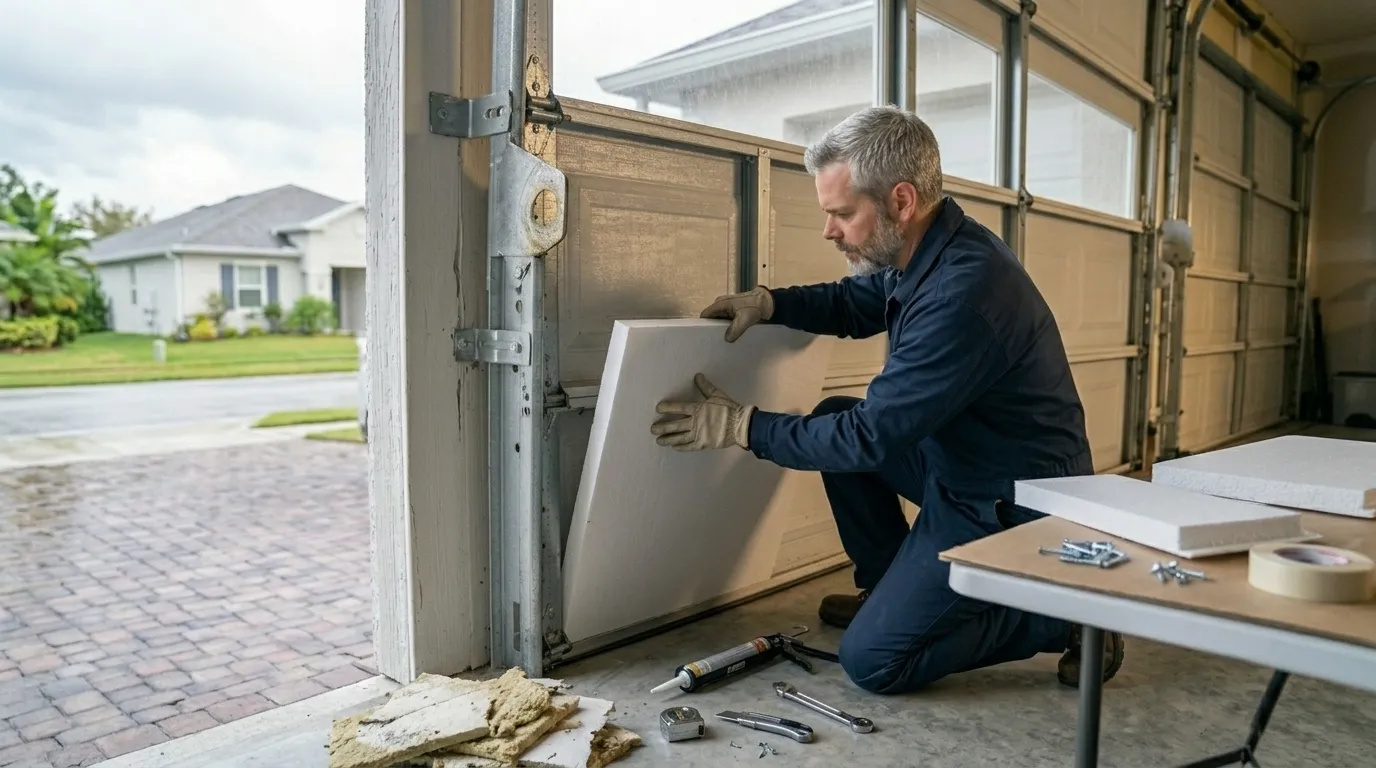
If the whole roller set needs replacing rather than one or two, expect more time on site since we're pulling the door off the track section by section rather than swapping a single wheel. Doors on 1980s track tend to come apart cleaner than doors with decades of rust or paint buildup, which is one small advantage of the newer stock out here.
What Is on the Truck
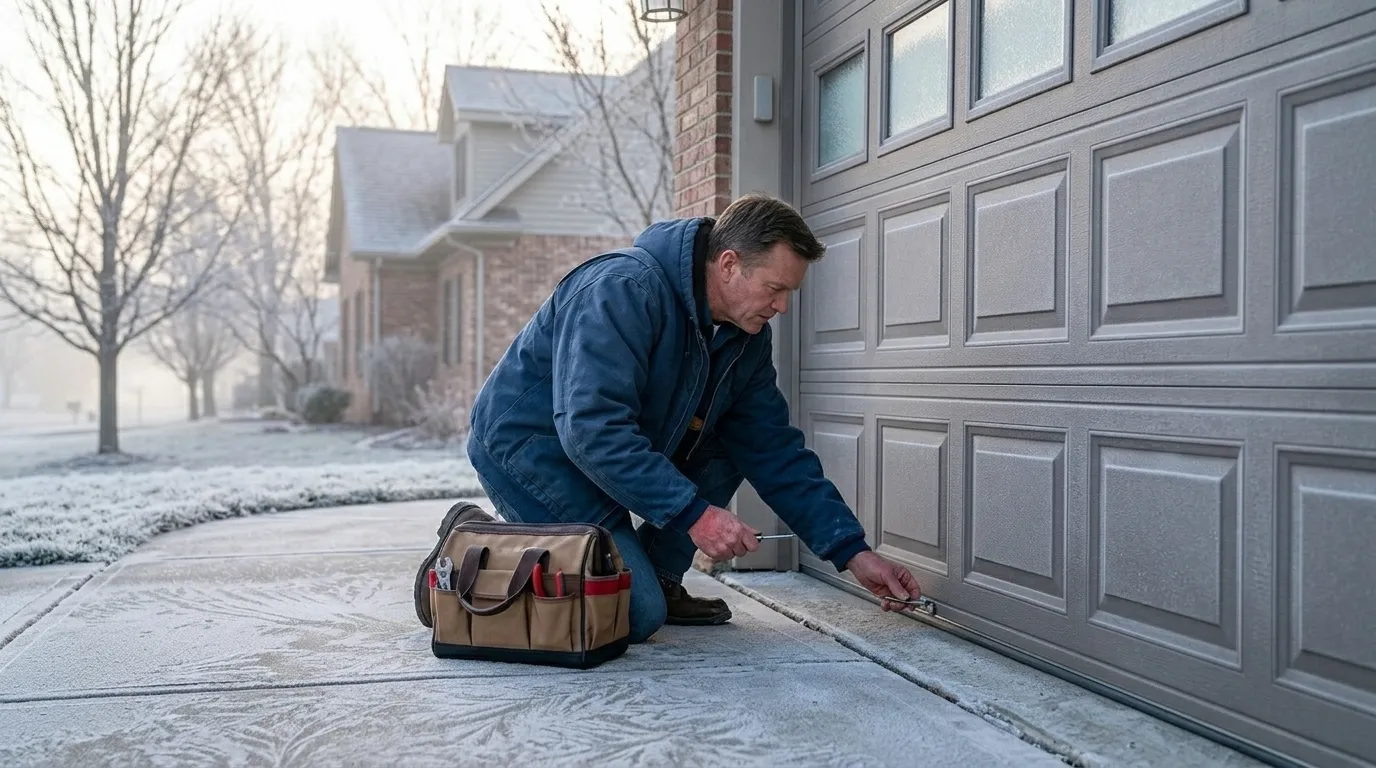
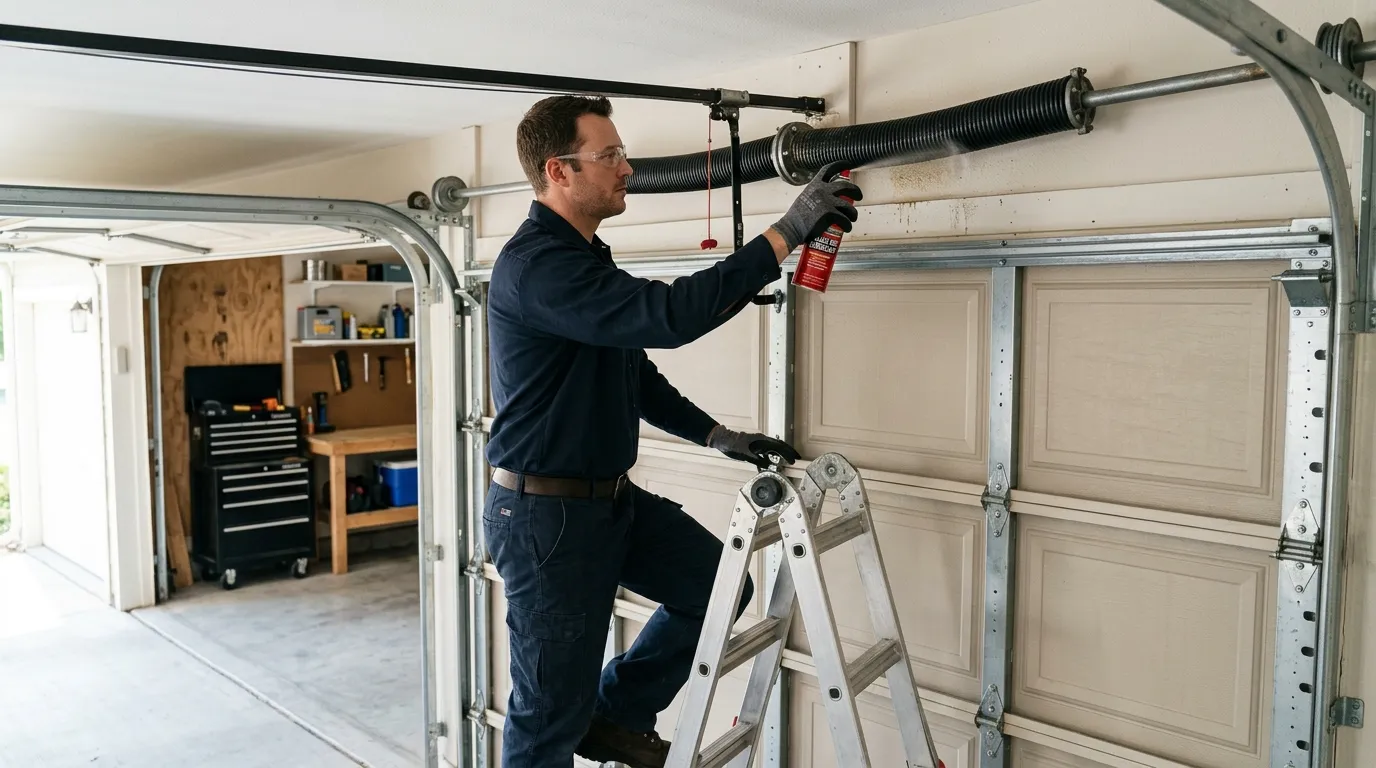
We stock nylon rollers as the default swap for most calls, including in East Bethel, because they run quieter and don't need the lubrication steel rollers do over time - a real advantage given this area's cold-and-severe climate band, where grease stiffens up hard in a deep freeze and steel-on-steel gets loud fast. Sealed-bearing versions go on when a homeowner wants less maintenance long-term rather than the cheapest fix.
We also carry replacement stems, since a bent stem is often the actual failure even when the roller wheel looks fine, and a handful of standard drum and cable pieces in case the roller failure has already started chewing into the track or drum. What we don't carry is every custom track width - if a door here was fitted with a non-standard track at install, that part may need to be ordered, which means a second trip. It's not common in housing from this era, but it happens.
What the Fix Involves
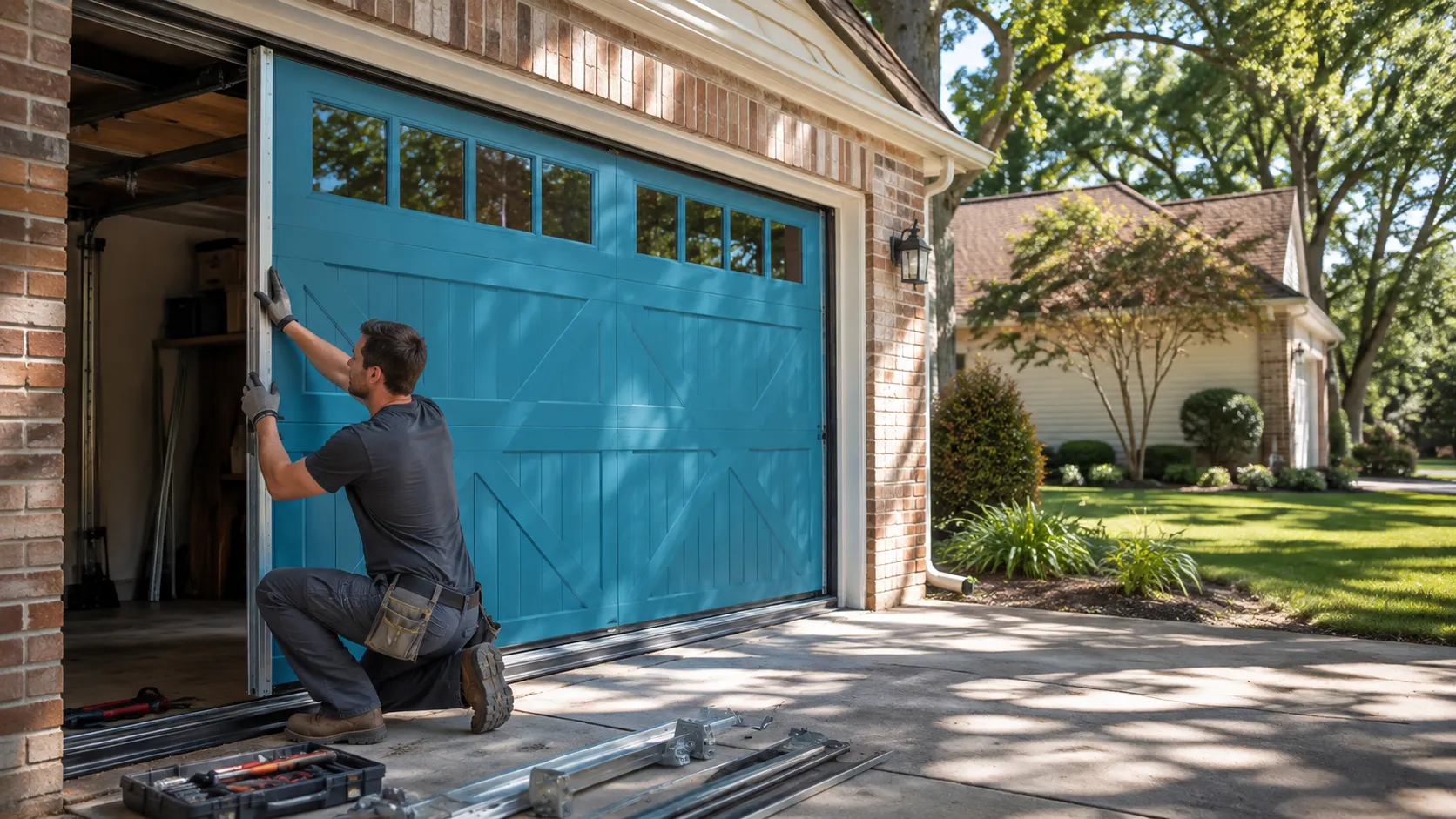
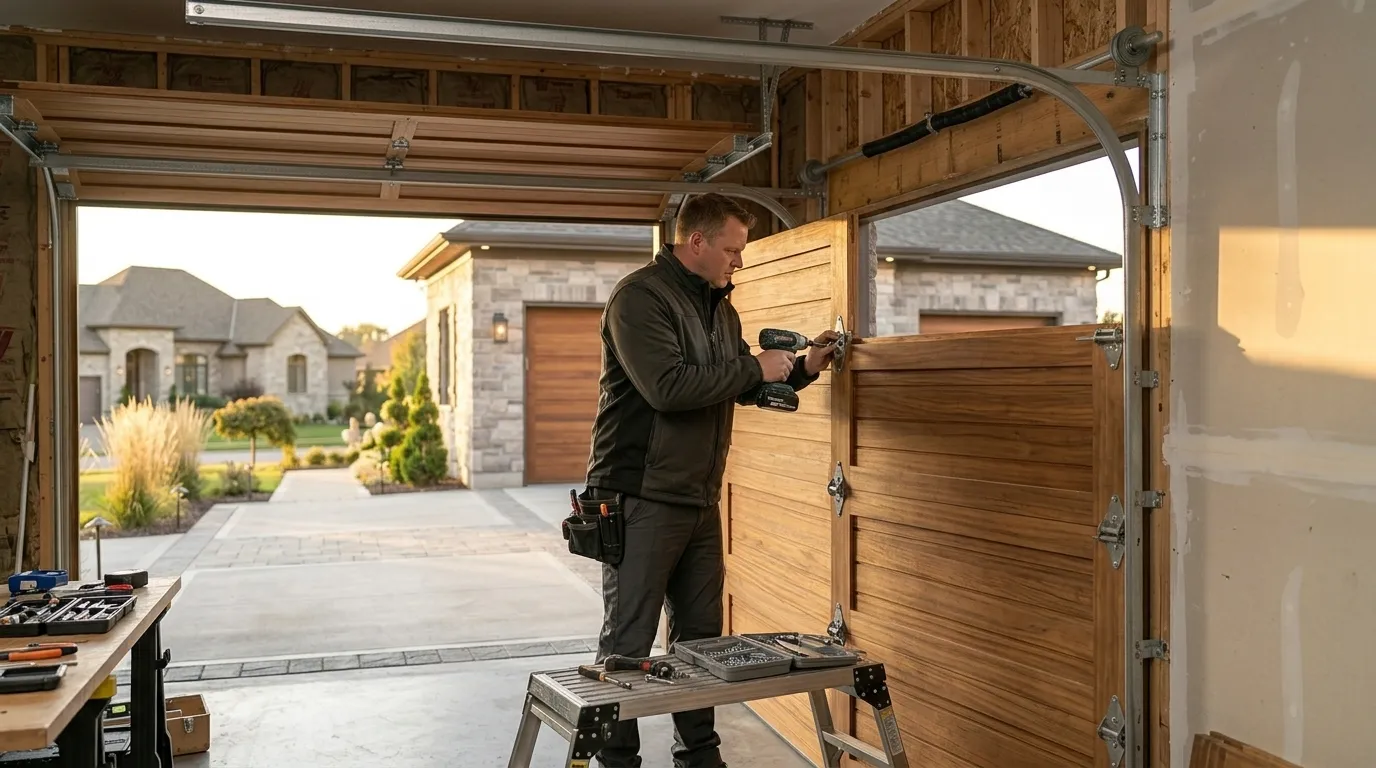
The job starts with disconnecting the opener and securing the door open, then checking every roller on both sides - not just the one that's grinding, since a bad roller usually means its neighbors aren't far behind. On houses built around 1985, we're mostly pulling rollers out of galvanized steel track that's held up well; the more common issue is a stem that's worn oval instead of round, letting the wheel wobble in the bracket.
Once the old rollers are out, we check the track alignment at the same time - a roller can fail early just from riding a track that's slightly bowed from the door being hit or from settling over the years. We true up the track section if needed, seat the new rollers, and cycle the door by hand several times before reconnecting the opener, checking for binding or noise at every point of travel. Full opener recalibration isn't part of a roller job unless the opener's travel limits were already off before we started.
How it works
From “it’s stuck” to “it’s fixed”
1
Tell us what’s wrong
Describe the symptom - won’t open, loud bang, opener runs but the door won’t move.
2
On-site diagnosis
A technician tests the door under power and by hand and finds what actually failed.
3
Clear, up-front plan
You get the fix that’s needed and what drives the cost - before any work starts.
4
Repaired & tested
The repair is done, the door is set true and tested, and the work area left clean.
Serving Hugo, MN - tell us what your door’s doing and we’ll take it from there.
Do East Bethel garage doors need a different roller than other houses you service?
Not usually a different roller, but a different starting assumption. Houses here tend to date to the mid-1980s, so we expect steel rollers on steel track rather than the older nylon setups common on 1950s-60s houses elsewhere in the area. We check the actual hardware on site either way.
How far out is East Bethel from your shop in Hugo?
About 18 miles. We travel out from Hugo for every call in East Bethel - there's no local branch or depot, so factor the drive into scheduling, especially if you're hoping for a same-day slot on a busy route day.
Will cold weather make roller noise worse?
Yes. This area sits in a cold-and-severe climate band, and grease on steel rollers stiffens up in a deep freeze, which makes marginal rollers grind louder and fail sooner. Nylon rollers avoid most of that lubrication issue, which is why we default to them on most jobs.
Can I just replace the one roller that's making noise?
Sometimes, yes - if the rest are in good shape and the track isn't damaged. But one loud roller often means its neighbors are close behind, so we check the full set before we quote a single-roller fix versus a full swap.
Ready to get your garage door sorted?
Tell us what it’s doing and where you are in Hugo - we’ll take it from there.